
Traditional Butter Pound Cake
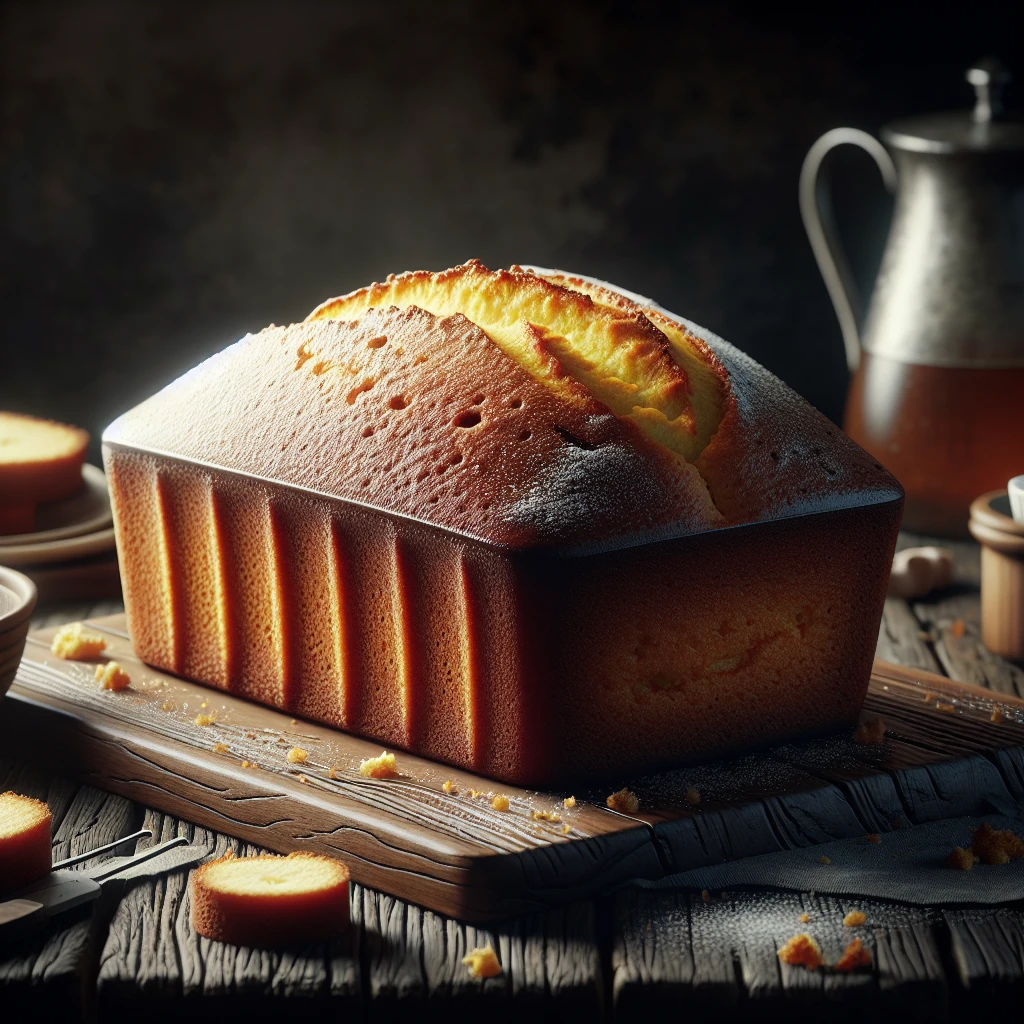
This Traditional Butter Pound Cake is a timeless classic, perfect for any occasion. Its rich, buttery flavor and tender crumb make it an all-time favorite. With just a few simple ingredients, this recipe delivers a cake that feels both luxurious and comforting.
 Share
Share
This post may contain affiliate links. As an Amazon Associate, we earn from qualifying purchases.
Ingredients for Traditional Butter Pound Cake
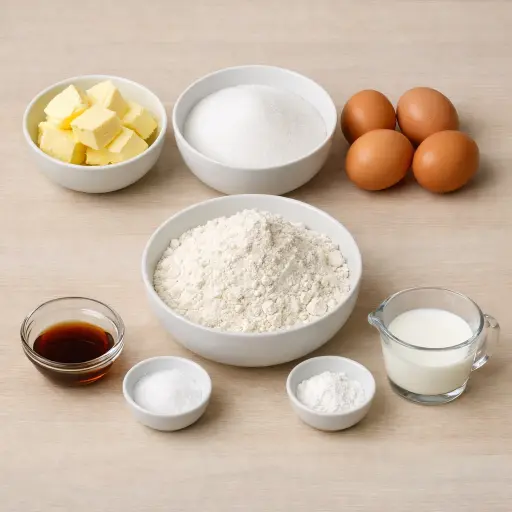
Butter is the star of this cake, providing richness and flavor. Be sure it's unsalted and softened for easy creaming. Granulated sugar sweetens the cake and helps achieve that light, fluffy texture when creamed with butter. The eggs bind the ingredients and add moisture. Vanilla extract enhances the flavor, giving the cake a hint of warmth. All-purpose flour gives the cake structure, while salt balances the sweetness. A touch of baking powder helps the cake rise just enough. Lastly, milk adds moisture and helps create a smooth batter.
Why This Traditional Butter Pound Cake Works
During mixing, the soft butter and sugar trap a lot of tiny air pockets as they are beaten together. Those little pockets stay inside the batter when the eggs go in one by one, so the batter stays smooth instead of breaking. As the flour and baking powder are added, that air gets held in place by the flour and egg structure.
In the oven, the butter melts and spreads through the batter, so the cake stays moist instead of drying out. At the same time, the eggs and flour firm up and set around those air pockets, which gives the cake its tight but tender crumb. The small amount of baking powder gives just enough lift without turning the cake light and spongy.
With steady heat, the milk thins the batter just enough so it can rise slowly and evenly. By the time the cake is done, the outside has formed a thin, golden crust while the inside stays soft, dense, and sliceable, the way a classic pound cake should be.
Traditional Butter Pound Cake Tips & Tricks
- Ensure your butter is truly softened; it should easily yield to pressure but not be melted.
- Room temperature eggs blend more easily with the batter, resulting in a smoother texture.
- If the top of the cake is browning too quickly, tent it with foil halfway through baking.
- Use the toothpick test to check for doneness, but avoid opening the oven too often to prevent the cake from sinking.
Mistakes To Avoid
Letting the butter stay cold or only partly softened makes the creaming step fail. The sugar won’t blend in properly, so the mixture stays heavy instead of getting light and fluffy. The finished pound cake then bakes up dense with a tight, heavy crumb instead of a soft, fine texture.
Beating the eggs in too fast or all at once often causes the batter to look curdled and broken. The fat and liquid separate instead of forming a smooth mix, so the cake doesn’t rise evenly in the oven. This can leave the loaf with a bumpy top and patches that feel rubbery or slightly wet.
Overbaking the loaf, especially past the first clean toothpick, dries the cake out. The edges and bottom turn hard and the inside loses its soft, velvety feel. Instead of a moist slice that keeps well, the pound cake ends up crumbly and stale-tasting by the next day.
Equipment Used:
Ingredients
- 1 cup unsalted butter, softened
- 1 cup granulated sugar
- 4 large eggs
- 1 teaspoon vanilla extract
- 2 cups all-purpose flour
- 1/2 teaspoon salt
- 1/2 teaspoon baking powder
- 1/4 cup milk
Step-by-step Instructions
- 1. Preheat your oven to 350°F (175°C) and grease a 9x5-inch loaf pan.
- 2. In a large bowl, cream the softened butter and sugar together until light and fluffy.
- 3. Beat in the eggs, one at a time, ensuring each is fully incorporated before adding the next.
- 4. Stir in the vanilla extract.
- 5. In a separate bowl, whisk together the flour, salt, and baking powder.
- 6. Gradually add the dry ingredients to the wet ingredients, alternating with the milk, beginning and ending with the flour mixture.
- 7. Pour the batter into the prepared loaf pan and smooth the top with a spatula.
- 8. Bake in the preheated oven for about 60-70 minutes, or until a toothpick inserted into the center comes out clean.
- 9. Allow the cake to cool in the pan for 10 minutes before transferring it to a wire rack to cool completely.
Trending Now
Traditional Fluffy Pancakes
Discover the perfect start to your morning with our Traditional Fluffy Pancakes, a...
View Recipe
Old-Fashioned Bread Pudding
Discover the classic charm of Old-Fashioned Bread Pudding - a timeless dessert com...
View Recipe
Zucchini Fries
Crispy oven-baked zucchini fries with a golden crust, perfect for a healthy snack ...
View Recipe
Traditional Pepper Steak
A timeless savory dish, Traditional Pepper Steak features juicy beef strips cooked...
View RecipeFrequently Asked Questions
- Can I use salted butter?
- It's best to use unsalted butter to control the salt content, but if you only have salted butter, reduce the added salt in the recipe.
- What if I don't have a loaf pan?
- You can use a different shape, like a bundt or round cake pan, but adjust the baking time accordingly and keep an eye on the cake.
Serving Ideas for Traditional Butter Pound Cake
This pound cake pairs beautifully with fresh berries and a dollop of whipped cream for a light, summery dessert. For a richer option, serve it with a scoop of vanilla ice cream or a drizzle of chocolate sauce. It's also delightful toasted with a bit of butter or jam for breakfast or a snack.
More Desserts Recipes
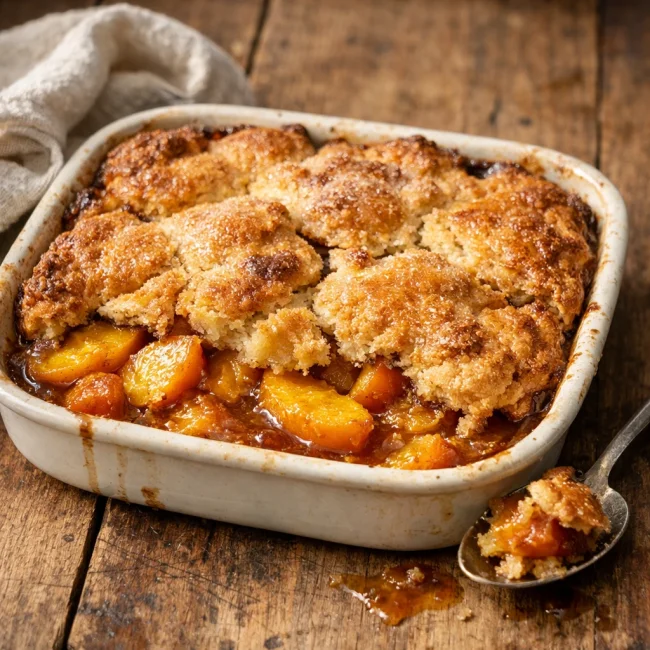
Rustic Vanilla Peach Cobbler
This rustic vanilla peach cobbler combines a rich, buttery crust with the sweet, v...
View Recipe
Traditional Lemon Curd
A classic, tangy lemon curd that is perfect for enhancing desserts, breakfast dish...
View Recipe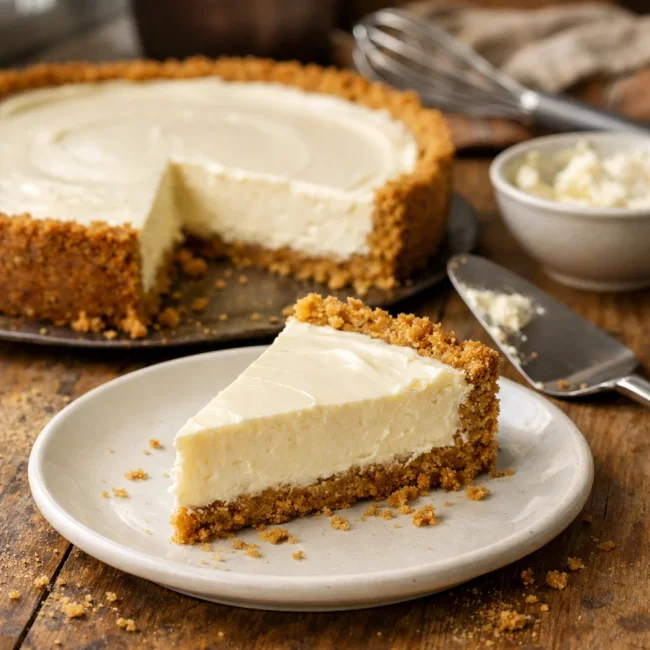
Traditional Cream Cheese Pie
A delightful and timeless dessert, Traditional Cream Cheese Pie offers a rich and ...
View Recipe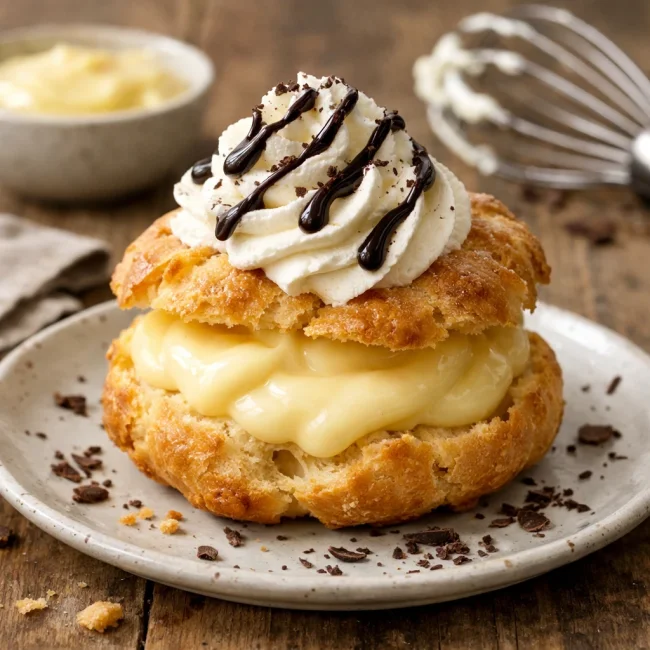
Timeless Cream Puff Delight
Indulge in a delectable Timeless Cream Puff Delight, a classic dessert featuring a...
View Recipe