
Traditional Lemon Curd
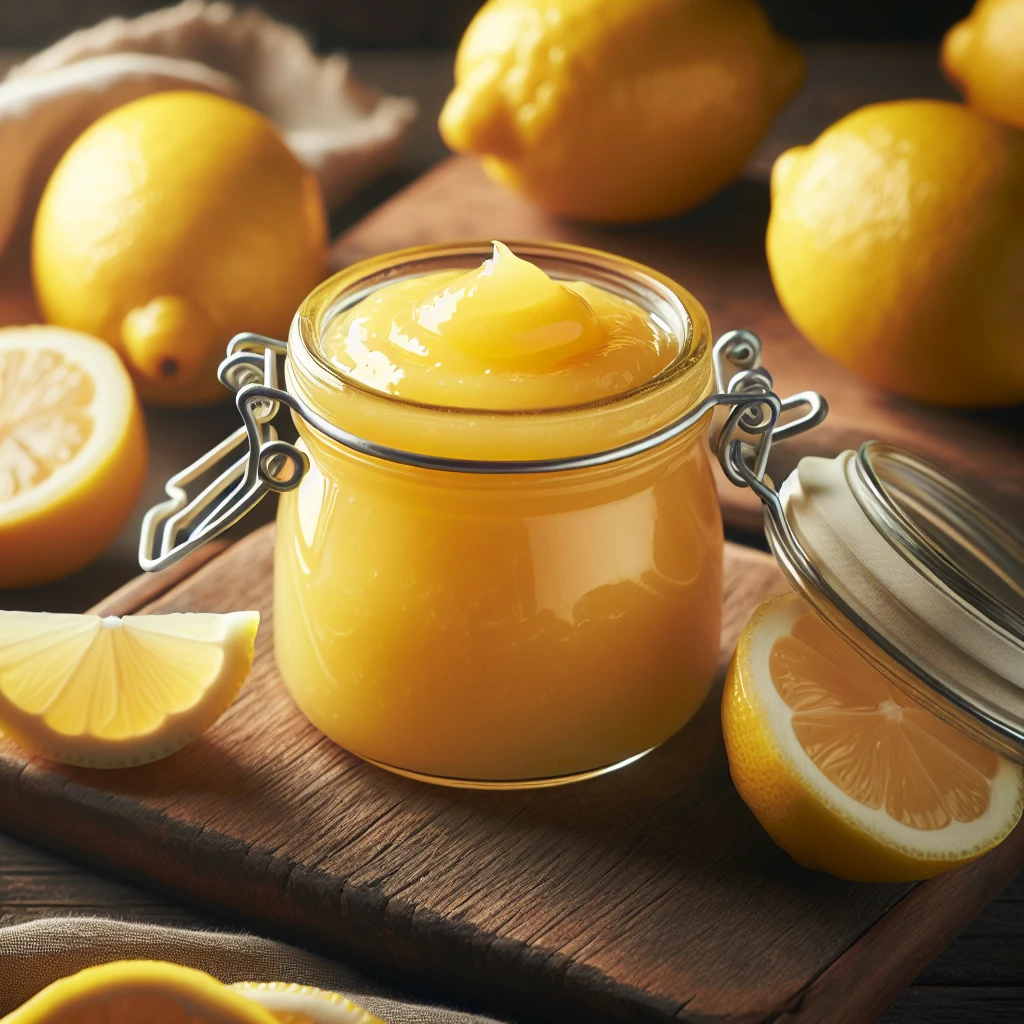
This traditional lemon curd recipe is a delightful blend of tangy and sweet, perfect for adding a zesty kick to your favorite treats. Whether you're spreading it on toast or using it as a cake filling, this homemade version is a step above the rest.
 Share
Share
This post may contain affiliate links. As an Amazon Associate, we earn from qualifying purchases.
Ingredients for Traditional Lemon Curd
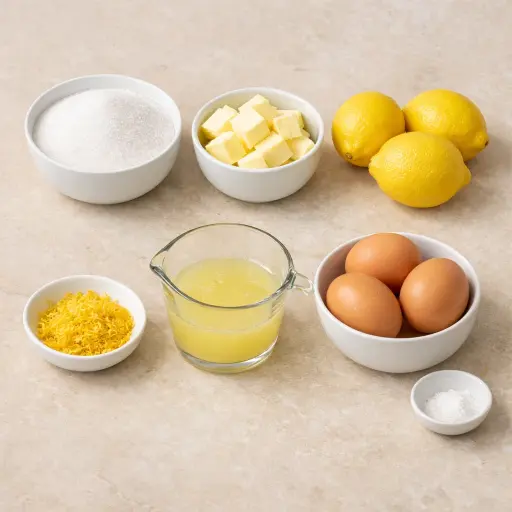
The magic of this recipe starts with sugar, providing the sweetness that balances the tart citrus. Next, unsalted butter adds a rich, creamy texture and a subtle savory note. The lemon zest is where the aromatic oils reside, intensifying the lemon flavor. Freshly squeezed lemon juice is essential for that zingy taste, so skip the bottled stuff if you can. Eggs are the backbone here, thickening the curd and giving it a silky smoothness. Finally, a pinch of salt elevates all the flavors, rounding out the taste beautifully.
Why This Traditional Lemon Curd Works
During cooking, the sugar, butter, lemon juice, and eggs slowly blend into one smooth mixture. At first it looks thin and a bit foamy, but as it warms up, the eggs start to set and the sugar fully dissolves. With steady stirring, the eggs thicken the lemon juice instead of scrambling, so the curd becomes silky instead of lumpy.
As the pan stays over medium heat, the butter melts and spreads through the lemon and egg mixture. That fat keeps the curd soft and creamy, even as it firms up. After a few minutes, the curd goes from loose and shiny to thicker and heavy on the spoon. When it coats the back of a spoon, it has enough structure to hold its shape once cooled.
Straining at the end catches any tiny cooked egg bits and zest pieces. After it cools, the butter sets up more, so the lemon curd stays thick, smooth, and spreadable instead of runny.
Traditional Lemon Curd Tips & Tricks
- If your curd isn't thickening, try turning up the heat slightly but keep stirring constantly.
- For an extra silky texture, use an immersion blender after straining.
- Store your curd in an airtight container in the fridge for up to two weeks.
Mistakes To Avoid
Letting the curd boil or cooking it over heat that is too high can scramble the eggs. The mixture starts to look grainy and lumpy instead of smooth, and small bits of cooked egg stay in the curd even after straining. The final lemon curd ends up with a rough, uneven texture instead of a silky one.
Adding the eggs all at once instead of whisking them in one by one often leads to streaks of egg that never fully mix in. Those thicker streaks cook faster than the rest of the mixture and turn into rubbery bits. The finished curd then has chewy pieces and doesn’t feel smooth on the tongue.
Stopping the cooking too early keeps the curd runny. The mixture might look slightly thick in the pan but, if it doesn’t fully coat the back of a spoon, it will loosen even more as it cools. The final curd then pours like lemon sauce and won’t hold its shape on toast or in tarts.
Skipping the straining step leaves behind tiny cooked egg bits and larger pieces of zest. The curd may taste fine but feels bumpy and slightly chunky. Instead of a glossy, custard-like spread, the texture seems rough and less creamy.
Equipment Used:
Ingredients
- 1 cup granulated sugar
- 1/2 cup unsalted butter, softened
- 2 tablespoons lemon zest
- 1/2 cup fresh lemon juice (about 2-3 lemons)
- 4 large eggs
- 1/8 teaspoon salt
Step-by-step Instructions
- 1. In a medium-sized saucepan, cream together the sugar and butter until smooth.
- 2. Add in the lemon zest and juice, mixing well to combine.
- 3. Whisk in the eggs one at a time, ensuring each is fully incorporated before adding the next.
- 4. Stir in the salt.
- 5. Cook over medium heat, stirring constantly, until the mixture thickens and coats the back of a spoon, about 8-10 minutes.
- 6. Remove from heat and strain the curd through a fine-mesh sieve to remove any cooked egg bits.
- 7. Allow to cool before transferring to jars or containers.
Trending Now

Oven-Baked Pork Chops
Enjoy a delightful dinner with these tender and juicy oven-baked pork chops, seaso...
View Recipe
Traditional Corn Casserole
A delightful corn casserole dish that embodies the comforting flavors of sweet cor...
View Recipe
Traditional Cucumber and Tomato Salad
A refreshing and simple salad combining crisp cucumbers and juicy tomatoes, season...
View Recipe
Savory Zucchini Bread
Savory Zucchini Bread is a delectable twist on traditional zucchini recipes, combi...
View RecipeFrequently Asked Questions
- Can I use bottled lemon juice?
- Fresh lemon juice is recommended for the best flavor, but bottled can be used in a pinch.
- How can I tell if the curd is thick enough?
- The curd is ready when it coats the back of a spoon and holds a line drawn through it with your finger.
- Is it safe to eat the raw eggs in lemon curd?
- The eggs are cooked thoroughly in the process, making it safe to consume.
Serving Ideas for Traditional Lemon Curd
This lemon curd is a fantastic addition to your breakfast table; spread it on warm scones or fresh croissants for a luxurious treat. It also makes an excellent filling for layer cakes or a topping for yogurt parfaits. For a refreshing dessert, swirl it through vanilla ice cream and enjoy a homemade lemon gelato.
More Desserts Recipes

Rustic Vanilla Peach Cobbler
This rustic vanilla peach cobbler combines a rich, buttery crust with the sweet, v...
View Recipe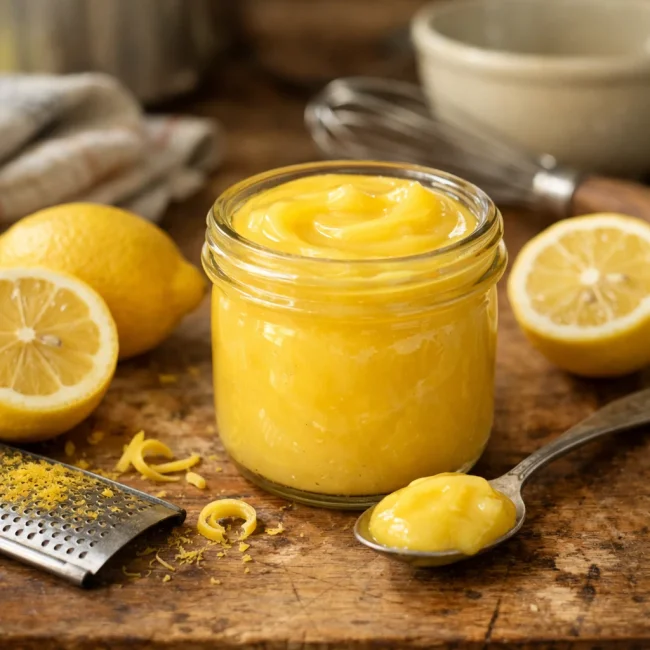
Traditional Lemon Curd
A classic, tangy lemon curd that is perfect for enhancing desserts, breakfast dish...
View Recipe
Traditional Cream Cheese Pie
A delightful and timeless dessert, Traditional Cream Cheese Pie offers a rich and ...
View Recipe
Timeless Cream Puff Delight
Indulge in a delectable Timeless Cream Puff Delight, a classic dessert featuring a...
View Recipe