
Sushi Rolls (Maki)
If you've ever wanted to bring a taste of Japan into your home, these sushi rolls, or maki, are a great place to start. With fresh ingredients and a straightforward process, you'll be enjoying homemade sushi in no time.
 Share
Share
.webp)
This post may contain affiliate links. As an Amazon Associate, we earn from qualifying purchases.
Ingredients for Sushi Rolls (Maki)
-ingredients.webp)
Sushi rice is the backbone of this dish. It’s sticky and slightly sweet, making it the perfect base for your rolls. The nori seaweed provides that classic umami flavor and is essential for holding everything together. Fresh fillings like cucumber, avocado, and salmon add texture, creaminess, and a bit of the ocean's freshness. A touch of rice vinegar mixed with sugar and salt enhances the rice, giving it that signature sushi flavor. Finally, soy sauce and wasabi bring the whole experience together with layers of salty and spicy goodness.
Why This Sushi Rolls (Maki) Works
During cooking, the rice is treated so it can hold the whole roll together. Rinsing washes off extra starch on the outside of the grains, so the rice doesn’t clump in a wet, gluey way. As the rice steams with the measured water, each grain soaks up just enough moisture to become soft but still keep its shape. Letting it sit with the lid on after cooking gives the steam time to spread evenly, so the rice finishes cooking gently instead of drying on top and staying hard in the middle.
Once the warm rice is mixed with the vinegar, sugar, and salt, it becomes slightly sticky and shiny. That light stickiness is what makes the rice cling to the nori instead of falling off. When the cucumber, avocado, and salmon go in the center, the rice acts like a soft cushion around them. As the roll is pressed in the bamboo mat, the grains press together and stay put, so the roll stays tight and slices cleanly without spilling apart.
Sushi Rolls (Maki) Tips & Tricks
- Use a very sharp knife to slice the rolls cleanly without crushing them.
- Keep a small bowl of water nearby to dip your fingers in while spreading the rice, so it doesn't stick to your hands.
- Consider using plastic wrap over the bamboo mat to keep it clean and prevent sticking.
- Practice makes perfect — your rolls will improve with each attempt.
Mistakes To Avoid
Rinsing the rice only once or twice leaves a lot of starch on the grains. During cooking this extra starch turns the rice gluey and clumpy instead of slightly sticky. When rolled, the rice mashes into a paste and the pieces look messy and are hard to cut cleanly.
Cooking the rice like regular long‑grain rice, with the lid off or too little water, leads to undercooked centers. The grains stay firm and chalky in the middle, so they don’t press together properly. The roll then loosens as it’s sliced and fillings slip out.
Pouring the vinegar mixture into the rice while it’s still in a hot pot can cause problems. The heat traps steam and makes the rice wet on the surface but dry inside. The rice layer then feels soggy against the nori and doesn’t hold its shape well.
Packing a thick layer of rice on the nori makes the roll too fat. The mat can’t wrap it tightly, so the nori doesn’t fully close and the roll opens or cracks when cut.
Equipment Used:
Ingredients
- 1 cup sushi rice
- 1 1/4 cups water
- 1/4 cup rice vinegar
- 1 tablespoon sugar
- 1/2 teaspoon salt
- 4 sheets nori seaweed
- 1/2 cucumber, julienned
- 1 avocado, sliced
- 4 ounces fresh salmon, thinly sliced
- Soy sauce, for serving
- Wasabi, for serving
Step-by-step Instructions
- 1. Rinse the sushi rice under cold water until the water runs clear.
- 2. Combine rice and water in a saucepan, bring to a boil, then reduce heat to low, cover, and cook for 15 minutes. Let sit off the heat for 10 minutes.
- 3. In a small bowl, mix rice vinegar, sugar, and salt until dissolved. Gently fold into the cooked rice.
- 4. Place a sheet of nori on a bamboo sushi mat. Spread an even layer of rice over the nori, leaving a 1-inch border at the top.
- 5. Place cucumber, avocado, and salmon along the center of the rice.
- 6. Using the bamboo mat, carefully roll the sushi, applying gentle pressure to create a compact roll.
- 7. Moisten the top border of nori with water to seal the roll.
- 8. Slice the roll into 6-8 pieces with a sharp knife.
- 9. Serve with soy sauce and wasabi.
Trending Now

Old-Fashioned Bread Pudding
Discover the classic charm of Old-Fashioned Bread Pudding - a timeless dessert com...
View Recipe
Traditional Fluffy Pancakes
Discover the perfect start to your morning with our Traditional Fluffy Pancakes, a...
View Recipe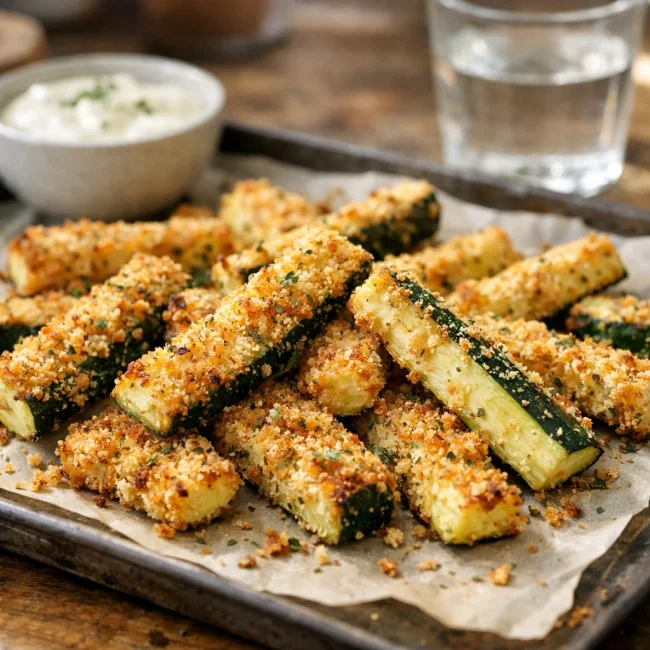
Zucchini Fries
Crispy oven-baked zucchini fries with a golden crust, perfect for a healthy snack ...
View Recipe
Traditional Pepper Steak
A timeless savory dish, Traditional Pepper Steak features juicy beef strips cooked...
View RecipeFrequently Asked Questions
- Can I use other types of fish?
- Absolutely! Feel free to substitute salmon with tuna or shrimp, or keep it vegetarian with more veggies.
- How do I store leftovers?
- It's best to eat sushi fresh, but if you must store it, wrap the rolls tightly in plastic wrap and keep them in the fridge for up to a day.
More Main Dishes Recipes
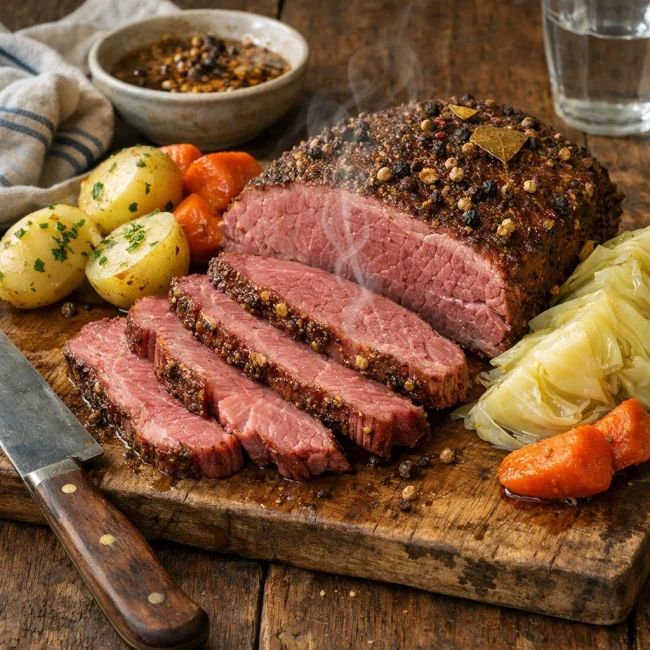
Unique Homemade Corned Beef
Discover the ultimate homemade corned beef recipe that balances rich flavors and t...
View Recipe
Spicy Lime Seared Ahi Tuna
Experience a burst of flavor with our Spicy Lime Seared Ahi Tuna, a perfect fusion...
View Recipe
Traditional Chicken Parmesan
Savor the authentic taste of Italian cuisine with our Traditional Chicken Parmesan...
View Recipe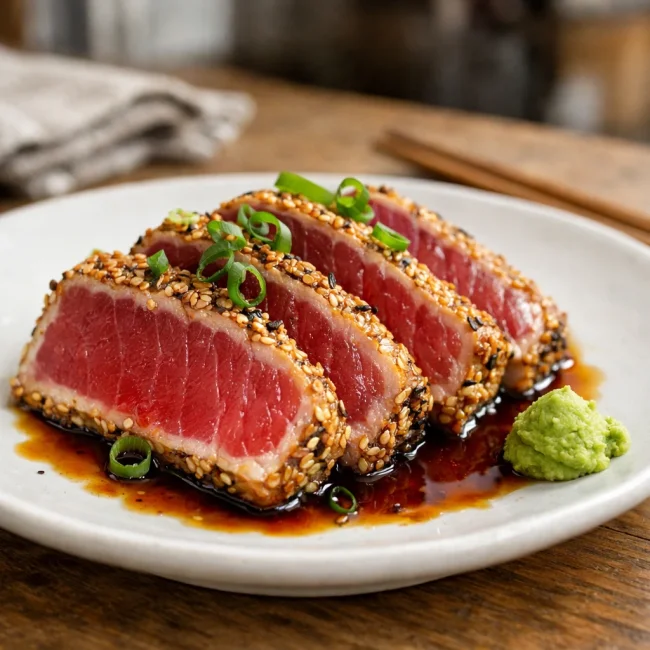
Seared Ahi Tuna
Experience the sublime taste of seared Ahi tuna, a Japanese-inspired dish that hig...
View Recipe