
Rustic Apple Cider
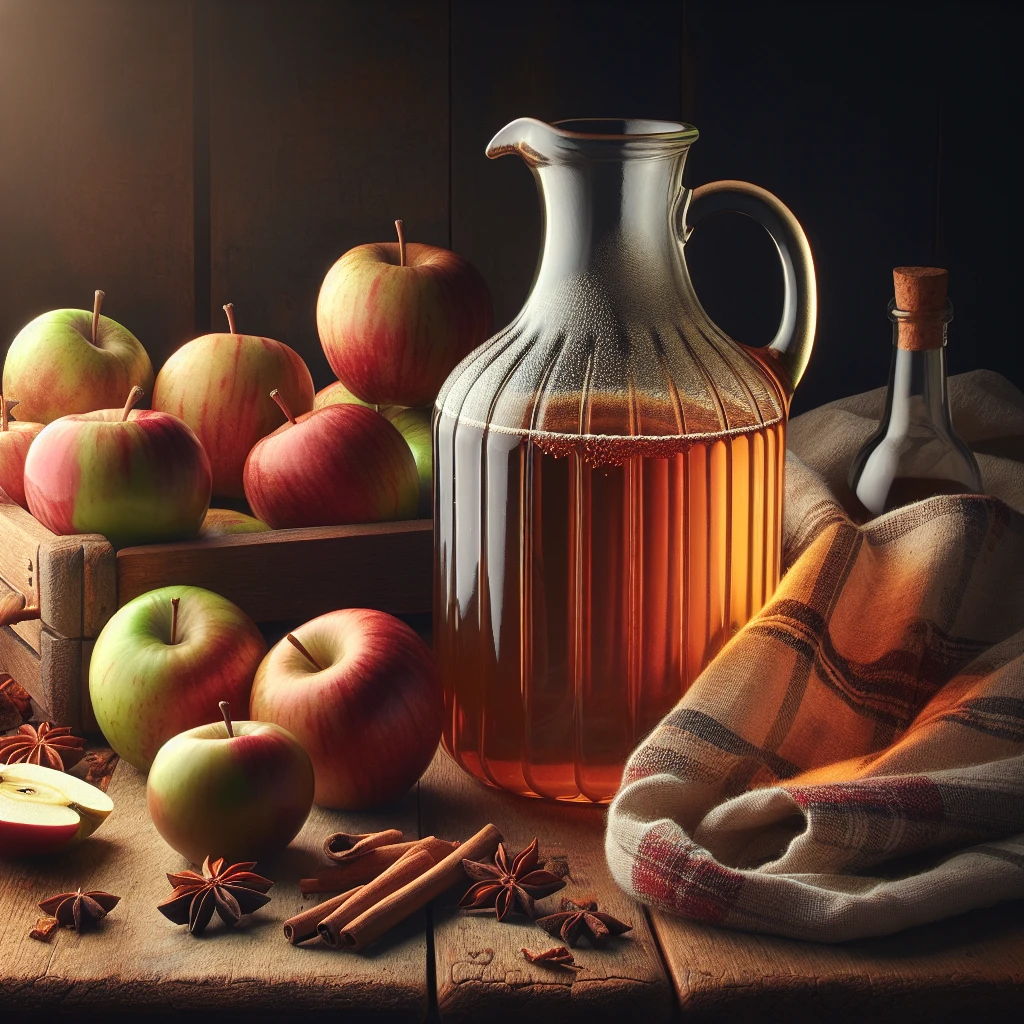
There's something wonderfully cozy about making your own Rustic Apple Cider at home. This recipe captures the fragrant warmth of autumn in every sip. With a delightful blend of sweet and tart apples, this cider will become your go-to fall beverage.
 Share
Share
This post may contain affiliate links. As an Amazon Associate, we earn from qualifying purchases.
Ingredients for Rustic Apple Cider
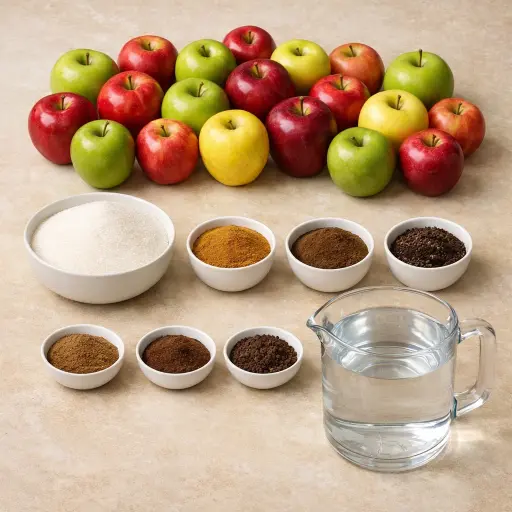
Using a mix of sweet and tart apples gives the cider a complex flavor profile, balancing sweetness with a hint of acidity. Granulated sugar adds the necessary sweetness to enhance the natural apple flavors. The combination of ground cinnamon, allspice, and cloves creates that quintessential autumn spice mix that warms the soul. Lastly, the water serves as the base to simmer and extract all the wonderful flavors from the apples and spices.
Why This Rustic Apple Cider Works
As the apples simmer in the water for a long time, they slowly break down. The heat softens the skins and flesh until they are mushy, so the juice inside the apples can mix into the water. Stirring now and then keeps the soft apples from sticking to the bottom and burning. Mashing them near the end crushes any firm pieces, so more juice and apple flavor move into the liquid instead of staying trapped in chunks.
While everything cooks, the sugar dissolves into the hot cider and smooths out the sharp taste from the tart apples. The cinnamon, allspice, and cloves spread through the hot liquid and cling to the soft apple pieces. By the time it is strained, the solids have given up most of their liquid. Pressing on the pulp squeezes out the last bit of juice, so the cider ends up full-bodied and cloudy, not thin and watery.
Rustic Apple Cider Tips & Tricks
- Try using a combination of apple varieties for a more complex flavor.
- For a deeper flavor, let the cider sit in the refrigerator overnight before serving.
- If you prefer less sweetness, reduce the sugar by half and adjust to taste once the cider is done.
Mistakes To Avoid
Letting the pot boil hard the whole time instead of dropping it to a gentle simmer can cause the apples and sugar to catch on the bottom. The mixture scorches in spots, turning dark and sticky there while the rest is still cooking, and that burnt layer can break loose and cloud the whole batch.
Using way less water than called for means the apples don’t stay fully submerged. The exposed pieces dry out and cook unevenly, so some turn mushy while others stay firm, and the final cider comes out thick, pulpy, and hard to strain cleanly.
Skipping the mashing step leaves many apple chunks still holding onto their juice. The solids stay fairly intact, so even after straining, a lot of liquid stays trapped in the pulp, and the final yield is low and noticeably weaker.
Straining with a very loose colander instead of a fine sieve or cheesecloth lets a lot of pulp and spice dust slip through. The cider ends up gritty, with a layer of sediment that settles at the bottom of the container.
Equipment Used:
Large stockpot, Fine-mesh sieve or cheesecloth, Potato masher
Ingredients
- 10 lbs fresh apples (a mix of sweet and tart)
- 1.5 cups granulated sugar
- 3 tablespoons ground cinnamon
- 1 tablespoon ground allspice
- 1 tablespoon ground cloves
- 1 gallon water
Step-by-step Instructions
- 1. Wash the apples thoroughly and cut them into quarters, removing any seeds or stems.
- 2. Place the apple quarters into a large stockpot and add the water, ensuring the apples are fully submerged.
- 3. Stir in the sugar, cinnamon, allspice, and cloves, mixing well to combine spices evenly.
- 4. Bring the mixture to a boil over medium-high heat, then reduce heat to a simmer.
- 5. Simmer for about 2 hours, stirring occasionally to prevent sticking, until apples are soft and mushy.
- 6. Use a potato masher to mash the apples as they soften.
- 7. Strain the apple mixture through a fine-mesh sieve or cheesecloth into a clean pot or large bowl, pressing the solids to extract all juice.
- 8. Discard the solids and pour the cider into a clean container.
- 9. Serve warm or let it cool and refrigerate.
Trending Now
Classic Cucumber Salad
A refreshing and light cucumber salad featuring crisp cucumbers and a tangy vinaig...
View Recipe
Traditional Coleslaw Dressing
A creamy and tangy dressing perfect for bringing out the best in your coleslaw. Th...
View Recipe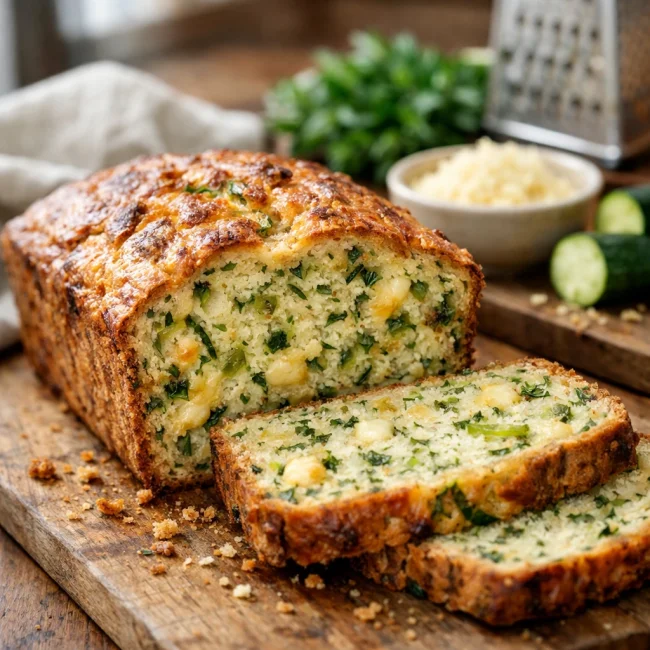
Savory Zucchini Bread
Savory Zucchini Bread is a delectable twist on traditional zucchini recipes, combi...
View Recipe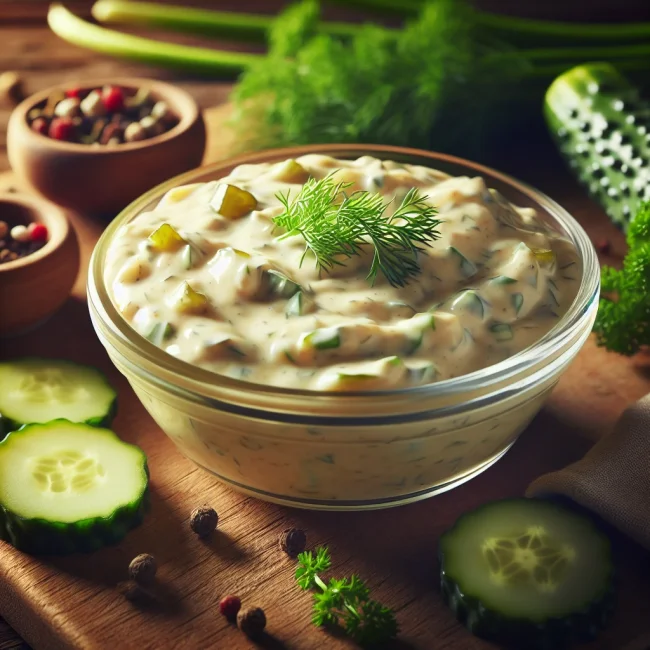
Classic Tartar Sauce
Indulge in the rich and tangy flavors of this homemade tartar sauce, perfect for p...
View RecipeFrequently Asked Questions
- Can I use apple juice instead of fresh apples?
- While you can use apple juice, starting with fresh apples gives a much richer flavor and authentic texture.
- How long does the cider last in the fridge?
- Stored in a sealed container, the cider should last up to one week in the refrigerator.
- Can I freeze the apple cider?
- Yes, you can freeze it in an airtight container for up to three months. Just make sure to leave some space for expansion.
Serving Ideas for Rustic Apple Cider
This apple cider pairs beautifully with a warm apple pie or a slice of spiced pumpkin bread. For a festive touch, serve it in mugs with a cinnamon stick for stirring. Consider adding a splash of bourbon or rum for an adult version perfect for holiday gatherings.
More Beverages Recipes
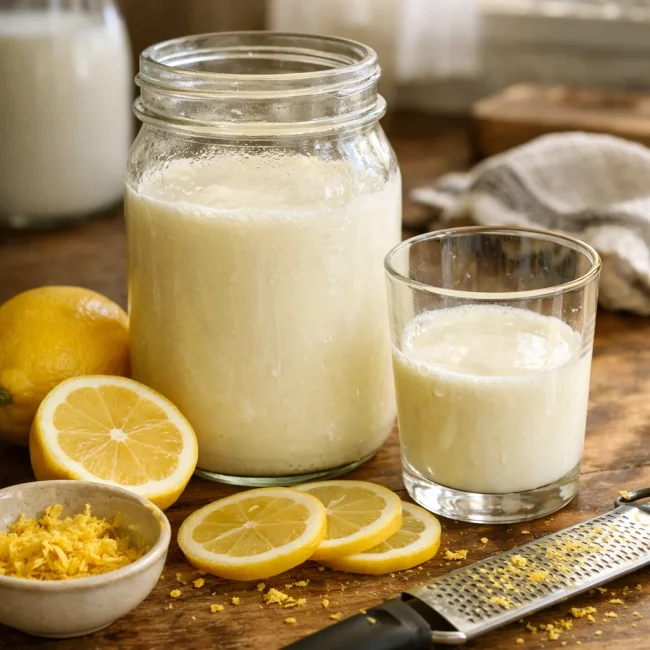
Tangy Lemon Buttermilk
Discover the unique twist of homemade buttermilk with a zesty lemon infusion. Perf...
View Recipe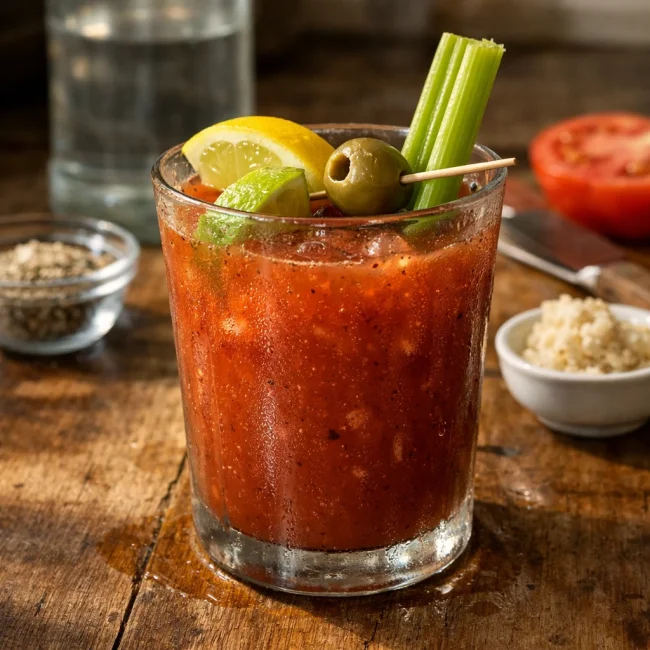
Timeless Bloody Mary
Discover the classic Timeless Bloody Mary, a zesty and savory cocktail perfect for...
View Recipe
Traditional Martini
A timeless cocktail that exemplifies elegance and simplicity, combining gin with a...
View Recipe
Island Breeze Smoothie
Delight in the refreshing taste of the Island Breeze Smoothie, a vibrant blend of ...
View Recipe