
Japanese Okonomiyaki
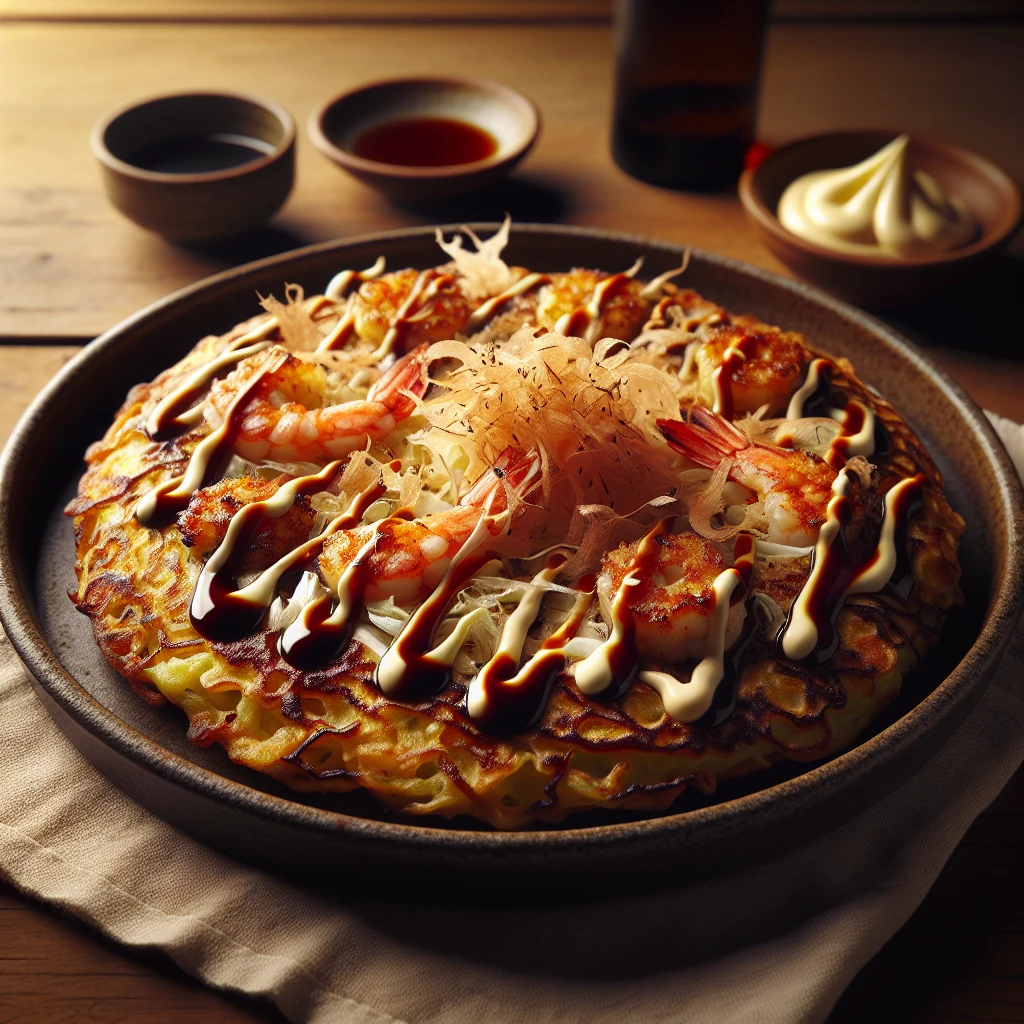
Welcome to the delightful world of Japanese street food with Okonomiyaki! This savory pancake is a perfect blend of textures and flavors, combining the freshness of cabbage, the richness of pork belly, and the umami of shrimp. It's a versatile dish that's not only fun to make but also incredibly satisfying to eat.
 Share
Share
This post may contain affiliate links. As an Amazon Associate, we earn from qualifying purchases.
Ingredients for Japanese Okonomiyaki
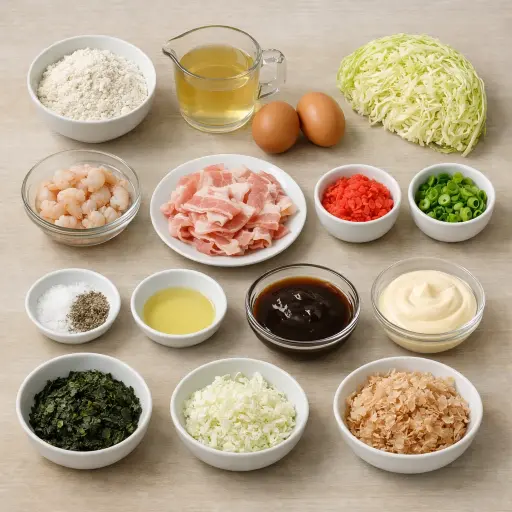
The star of the dish is the cabbage, providing a crunchy base that holds everything together. Dashi stock is used to create a savory batter, infusing the pancake with a subtle umami flavor. Shrimp adds a touch of sweetness and a tender bite, while pork belly brings richness and depth. Don't forget the pickled ginger—it's the zingy accent that brightens up the whole pancake. Lastly, green onions offer a fresh, mild flavor that rounds out the dish.
Why This Japanese Okonomiyaki Works
Once the flour, dashi, and eggs are mixed, the batter turns smooth and a little stretchy. That egg-and-flour mix acts like glue. As the cabbage, shrimp, pork belly, ginger, and green onions go in, everything gets coated so it can hold together in the pan instead of falling apart.
During cooking, the heat sets the eggs and flour, so the pancake firms up from a loose scoop of batter into something that can be flipped in one piece. The cabbage softens but still has a light bite, and it gives off a bit of moisture, which keeps the inside tender instead of dry. Shrimp and pork cook right inside that batter, so they stay juicy and don’t dry out on the surface of the pan.
As the outside browns, a thin crust forms that stays slightly crisp while the middle stays soft and a little bouncy. The sauces, seaweed, and bonito go on at the end, so they sit on top of that crust instead of soaking it and turning it soggy right away.
Japanese Okonomiyaki Tips & Tricks
- Use a non-stick skillet to ensure easy flipping.
- If you can't find dashi, water works just fine, but you'll miss a bit of that umami kick.
- For an extra crispy finish, cook the pancake a little longer on each side on a slightly lower heat.
Mistakes To Avoid
Pouring the batter too thick or packing in too much cabbage makes a tall pancake that browns on the outside while the middle stays wet and pasty. The shrimp and pork in the center can stay undercooked, so the okonomiyaki feels raw and heavy instead of soft and set all the way through.
Cooking over high heat from the start often burns the surface before the inside has time to cook. The outside turns dark and hard, while the cabbage inside stays crunchy and the batter stays gooey, so the pancake breaks apart when flipped.
Adding big chunks of cabbage instead of finely shredding it causes uneven cooking. The thick pieces stay firm and separate from the batter, so the pancake doesn’t hold together well and slices fall apart on the plate.
Putting in a lot of extra liquid, like too much dashi or water, leaves the batter thin and runny. In the pan it spreads out, cooks into a flat, floppy disk, and never gets that slightly thick, fluffy texture.
Equipment Used:
Ingredients
- 1 cup all-purpose flour
- 3/4 cup dashi stock or water
- 2 large eggs
- 1/2 head of cabbage, finely shredded
- 4 oz shrimp, peeled and deveined
- 4 oz pork belly, thinly sliced
- 2 tbsp pickled ginger, chopped
- 1/4 cup green onions, sliced
- Salt and pepper to taste
- Vegetable oil for cooking
- Okonomiyaki sauce
- Japanese mayonnaise
- Dried seaweed flakes (nori)
- Bonito flakes
Step-by-step Instructions
- 1. In a large bowl, mix the flour and dashi stock until smooth.
- 2. Beat in eggs until well combined.
- 3. Fold in the shredded cabbage, shrimp, pork belly, pickled ginger, and green onions. Season with salt and pepper.
- 4. Heat a large skillet over medium heat and add a little vegetable oil.
- 5. Pour in a portion of the batter to form a pancake, about 1/2 inch thick.
- 6. Cook for 3-4 minutes on each side until golden brown and cooked through.
- 7. Transfer to a plate and drizzle generously with okonomiyaki sauce and mayonnaise.
- 8. Sprinkle with dried seaweed flakes and bonito flakes before serving.
Trending Now
Traditional Fluffy Pancakes
Discover the perfect start to your morning with our Traditional Fluffy Pancakes, a...
View Recipe
Old-Fashioned Bread Pudding
Discover the classic charm of Old-Fashioned Bread Pudding - a timeless dessert com...
View Recipe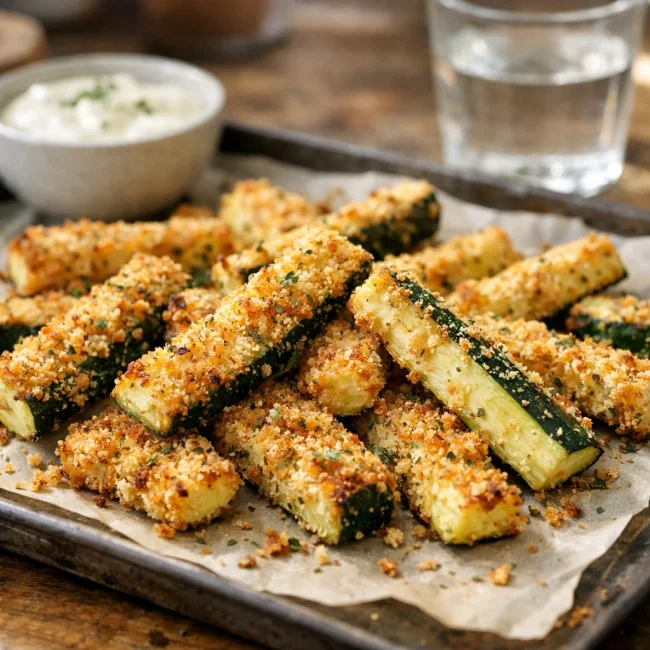
Zucchini Fries
Crispy oven-baked zucchini fries with a golden crust, perfect for a healthy snack ...
View Recipe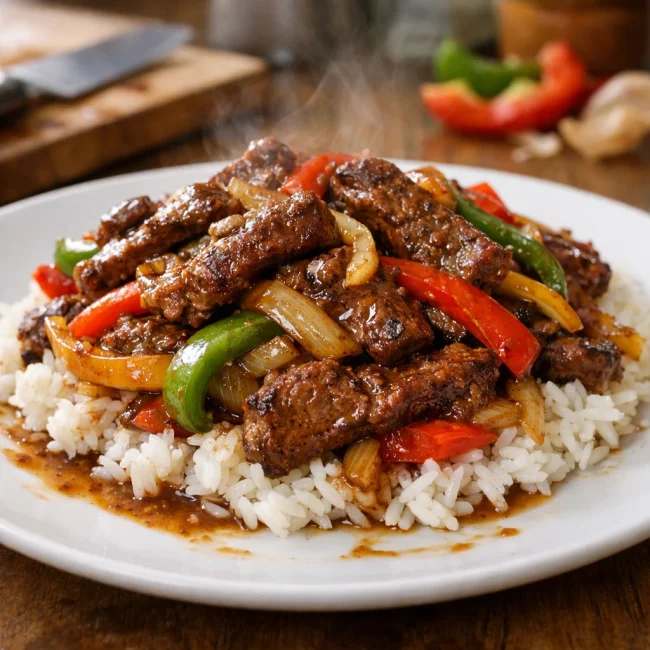
Traditional Pepper Steak
A timeless savory dish, Traditional Pepper Steak features juicy beef strips cooked...
View RecipeFrequently Asked Questions
- Can I make this vegetarian?
- Absolutely! Simply omit the pork and shrimp, and add more vegetables like mushrooms or carrots.
- What if I can't find Okonomiyaki sauce?
- You can make a simple substitute by mixing Worcestershire sauce, ketchup, and a bit of soy sauce.
- How do I store leftovers?
- Store in an airtight container in the fridge for up to 2 days. Reheat in a skillet to maintain crispness.
Serving Ideas for Japanese Okonomiyaki
Serve your Okonomiyaki with a side of miso soup or a fresh seaweed salad to keep with the Japanese theme. A light, crisp Japanese beer or a cold glass of sake would complement the dish beautifully.
More Main Dishes Recipes
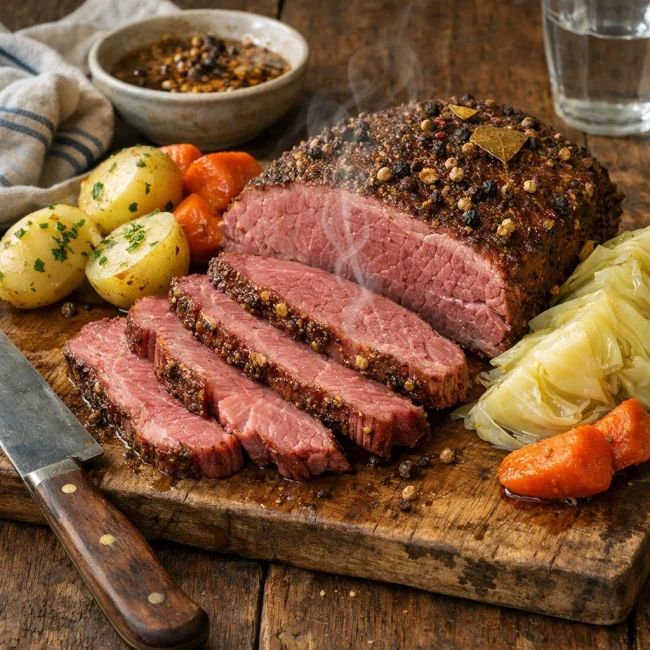
Unique Homemade Corned Beef
Discover the ultimate homemade corned beef recipe that balances rich flavors and t...
View Recipe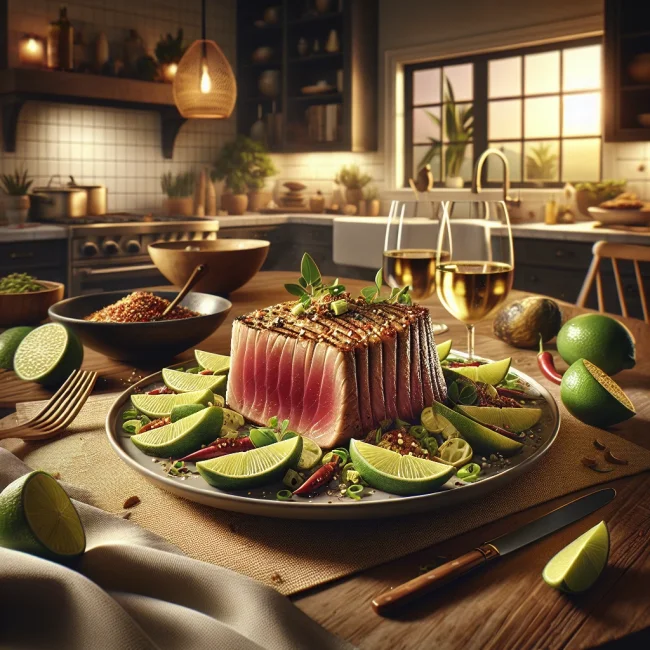
Spicy Lime Seared Ahi Tuna
Experience a burst of flavor with our Spicy Lime Seared Ahi Tuna, a perfect fusion...
View Recipe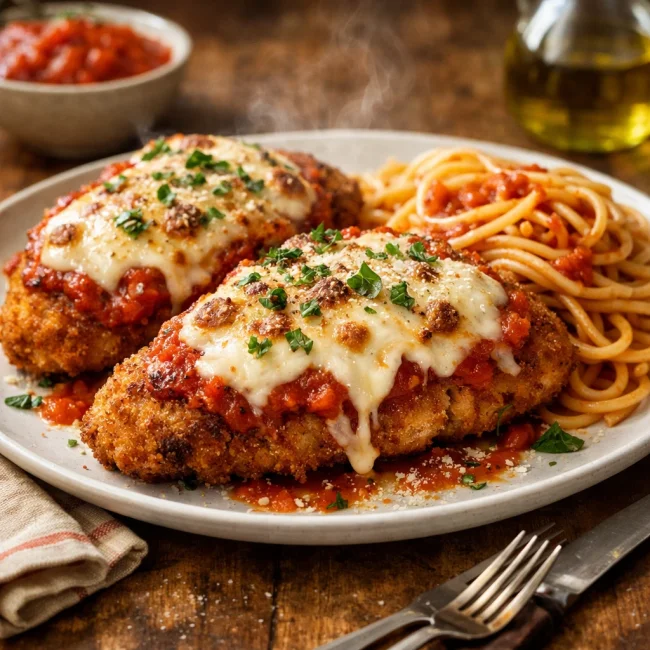
Traditional Chicken Parmesan
Savor the authentic taste of Italian cuisine with our Traditional Chicken Parmesan...
View Recipe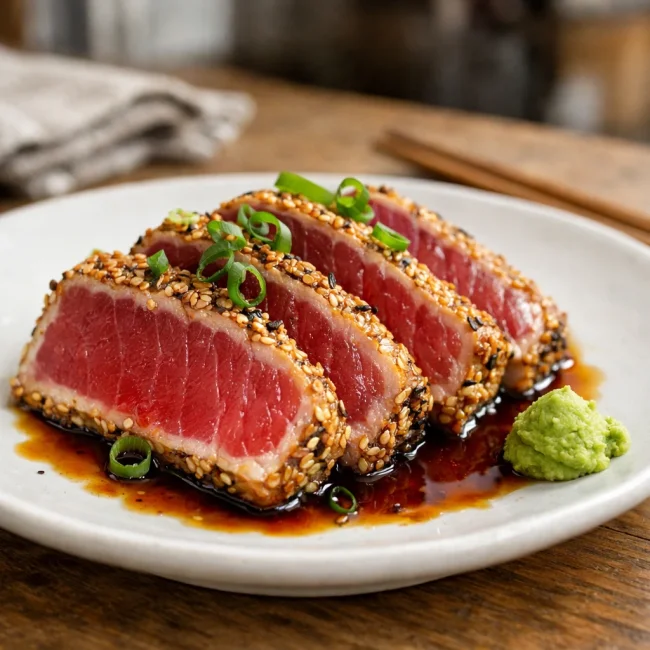
Seared Ahi Tuna
Experience the sublime taste of seared Ahi tuna, a Japanese-inspired dish that hig...
View Recipe