
Okonomiyaki
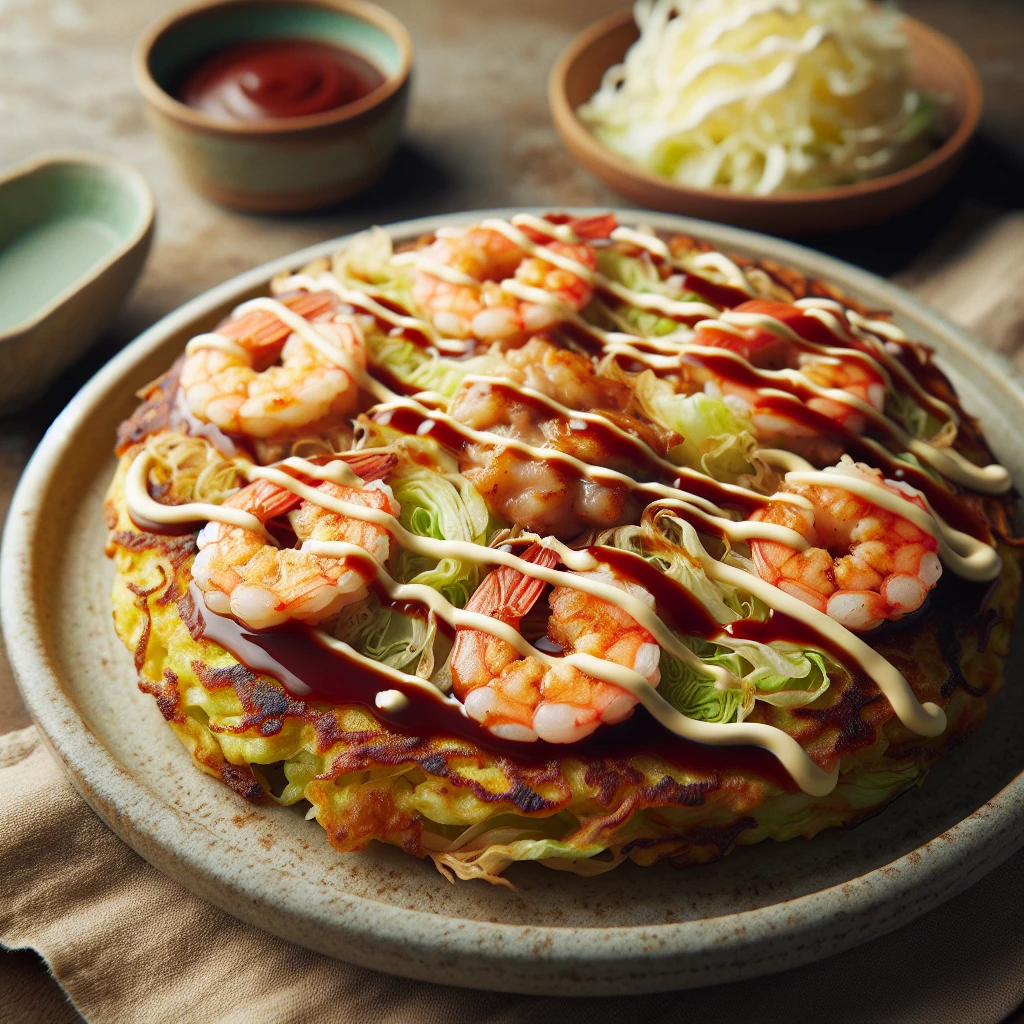
If you’re on the hunt for a dish that’s packed with flavor and a bit of culinary adventure, Okonomiyaki is your ticket. This savory Japanese pancake combines a medley of ingredients into something truly special, perfect for impressing at dinner or just shaking up your usual meal routine.
 Share
Share
This post may contain affiliate links. As an Amazon Associate, we earn from qualifying purchases.
Ingredients for Okonomiyaki
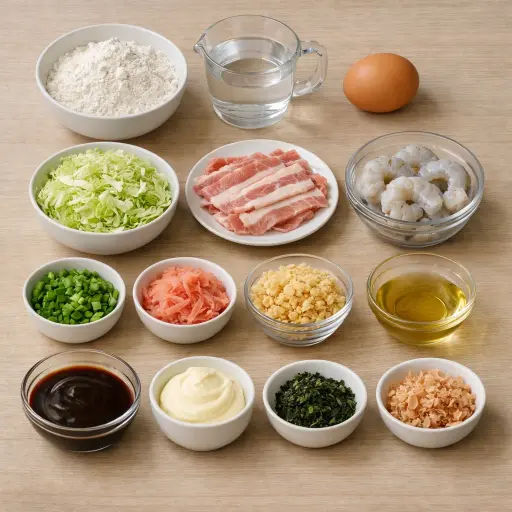
All-purpose flour forms the base of the batter, bringing everything together. Water helps achieve the right consistency for a smooth batter. A large egg adds richness and helps bind the ingredients. The star of the show is the cabbage, which gives the pancake body and a delightful crunch. Pork belly and shrimp add protein and savory depth. Green onions provide a fresh, zesty kick, while pickled ginger contributes a tangy note. Tempura bits add an irresistible crunch throughout. Vegetable oil is used for frying, ensuring a golden, crispy exterior. Okonomiyaki sauce is the sweet and savory topping that defines the dish, and mayonnaise adds a creamy contrast. Finally, seaweed flakes and bonito flakes are sprinkled on top for a burst of umami flavor.
Why This Okonomiyaki Works
Once the flour, water, and egg are mixed, the batter is thin enough to slide around the cabbage and other fillings but thick enough to cling to them. As the pancake hits the hot pan, the egg and flour start to set. The batter firms up around the cabbage, pork, and shrimp, so everything holds together in one solid round instead of falling apart.
During those few minutes on the first side, the bottom browns and stiffens, almost like a crust. That browned layer keeps the inside steamy, so the cabbage softens but still has a little bite, and the pork and shrimp cook through without drying out. After flipping, the second side finishes setting the batter and evens out the texture.
By the time it comes off the pan, the pancake is cooked through but still moist inside. The crunchy tempura bits scattered in the batter stay a little crisp, so each bite has both soft cabbage and small crunchy spots. The sauces, seaweed, and bonito go on at the end, so they sit on top instead of soaking in and making the pancake soggy.
Okonomiyaki Tips & Tricks
- Use a non-stick skillet to make flipping the pancake much easier.
- For a vegetarian version, swap the pork and shrimp for your favorite veggies.
- If you're new to flipping pancakes, consider making smaller pancakes to start — they're easier to manage.
Mistakes To Avoid
Pouring a very thick batter into the pan often gives a pancake that burns on the outside while the cabbage and pork inside stay a bit raw and hard. When the flour-to-water mix is too stiff, it doesn’t spread well, so the center stays dense and never really cooks through in the short pan time.
Cooking over high heat from the start makes the bottom go dark fast while the middle is still wet. The cook then has to flip early or lower the heat late, and the okonomiyaki ends up either scorched on one side or gummy inside.
Adding big chunks of cabbage instead of thin slices means the batter can’t hold everything together. The thick pieces stay crunchy and push the pancake apart, so it breaks when flipped and cooks in uneven patches.
Crowding the pan with too much batter at once creates a very thick pancake that is hard to flip and slow to cook through. The outside turns tough from long contact with the pan, while the center stays soft and pasty.
Equipment Used:
Ingredients
- 1 cup all-purpose flour
- 1 cup water
- 1 large egg
- 2 cups thinly sliced cabbage
- 4 oz thinly sliced pork belly
- 4 oz shrimp, peeled and deveined
- 2 green onions, chopped
- 1/4 cup pickled ginger
- 1/4 cup tempura bits
- 2 tbsp vegetable oil
- 1/2 cup Okonomiyaki sauce
- 1/4 cup mayonnaise
- 1 tbsp seaweed flakes
- 1 tbsp bonito flakes
Step-by-step Instructions
- 1. In a large bowl, whisk together flour and water until smooth. Add the egg and mix well.
- 2. Fold in cabbage, pork belly, shrimp, green onions, pickled ginger, and tempura bits until all ingredients are well coated.
- 3. Heat vegetable oil in a large skillet over medium heat. Pour half of the batter into the skillet, spreading it into a round pancake.
- 4. Cook for 4-5 minutes, or until the bottom is golden brown. Flip carefully and cook for another 4-5 minutes.
- 5. Repeat with the remaining batter.
- 6. Transfer pancakes to a serving plate. Drizzle with Okonomiyaki sauce and mayonnaise.
- 7. Sprinkle with seaweed flakes and bonito flakes before serving.
Trending Now
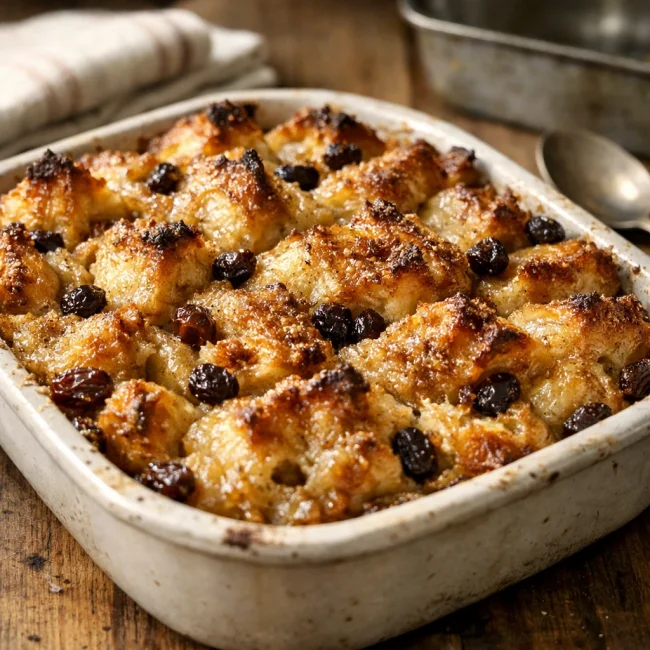
Old-Fashioned Bread Pudding
Discover the classic charm of Old-Fashioned Bread Pudding - a timeless dessert com...
View Recipe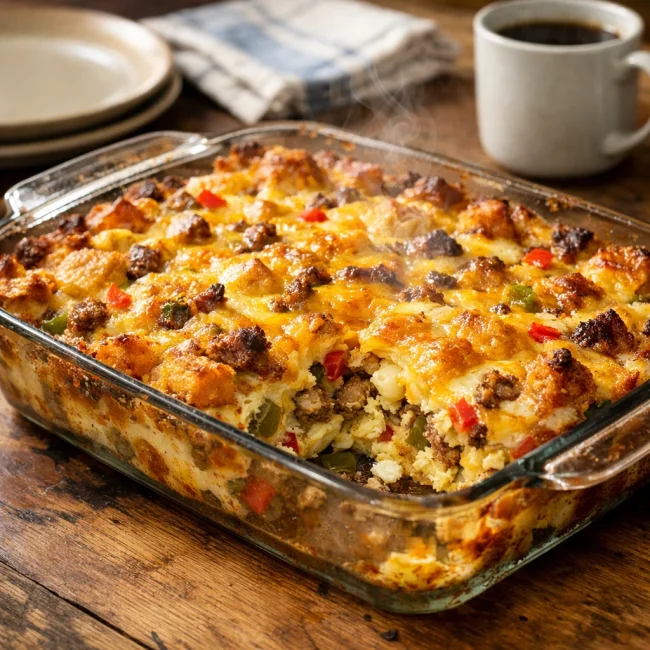
Hearty Breakfast Casserole
This Hearty Breakfast Casserole is the quintessential morning dish, combining savo...
View Recipe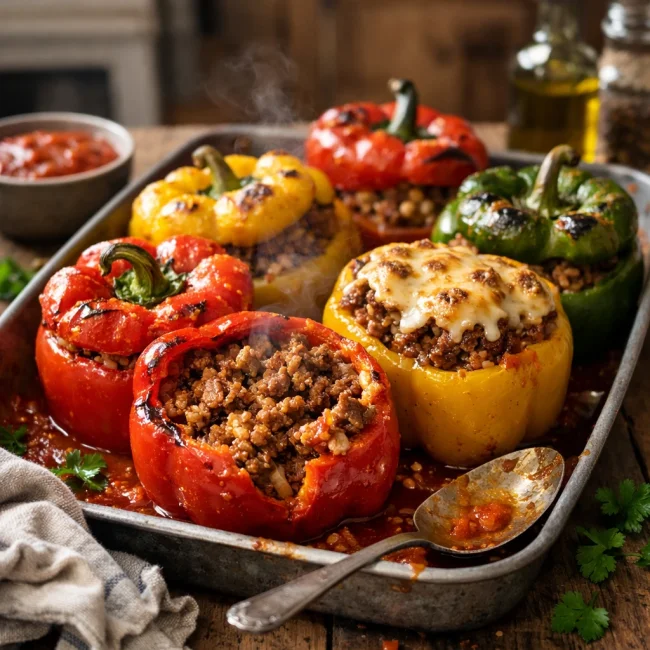
Traditional Stuffed Peppers
Explore the delightful blend of seasoned beef, rice, and tomato sauce nestled in v...
View Recipe
Traditional Lemon Pound Cake
A delightful and moist traditional lemon pound cake infused with the fresh zest an...
View RecipeFrequently Asked Questions
- Can I make the batter ahead of time?
- Yes, you can prepare the batter and refrigerate it for a few hours, but it's best to add the fresh ingredients like cabbage and seafood just before cooking.
- What can I use instead of Okonomiyaki sauce?
- If you can't find Okonomiyaki sauce, a mixture of Worcestershire sauce and ketchup with a dash of soy sauce can work as a substitute.
- Is there a gluten-free option?
- Substitute the all-purpose flour with a gluten-free flour blend to make it gluten-free. Ensure all other ingredients are also gluten-free.
Serving Ideas for Okonomiyaki
Okonomiyaki is best enjoyed fresh off the skillet. Pair it with a simple miso soup or a light cucumber salad to balance the rich flavors. For drinks, a cup of green tea or a light Japanese beer complements the dish nicely.
More Main Dishes Recipes
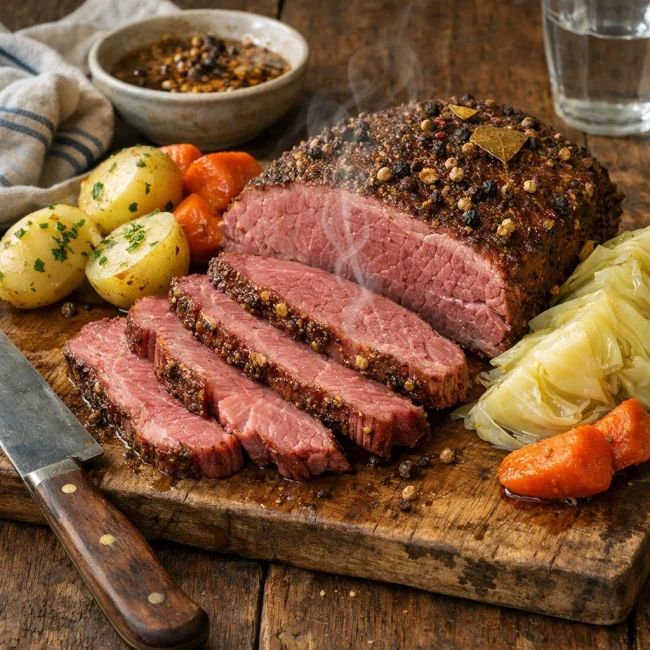
Unique Homemade Corned Beef
Discover the ultimate homemade corned beef recipe that balances rich flavors and t...
View Recipe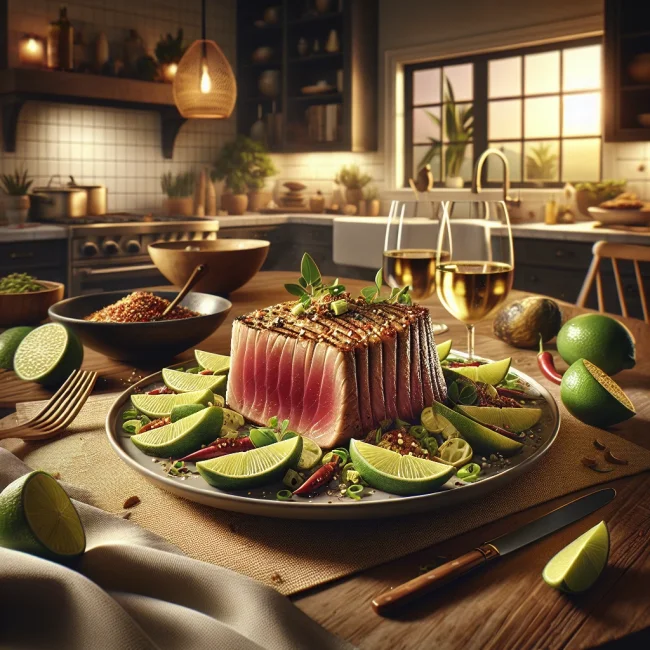
Spicy Lime Seared Ahi Tuna
Experience a burst of flavor with our Spicy Lime Seared Ahi Tuna, a perfect fusion...
View Recipe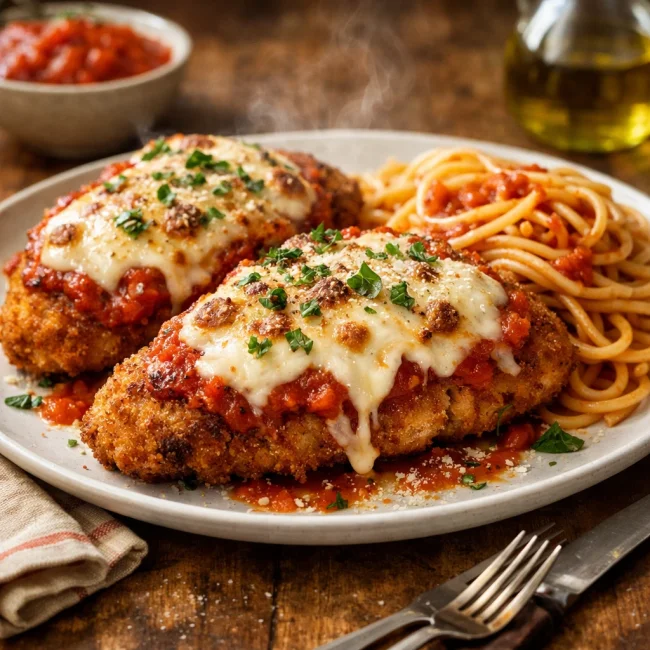
Traditional Chicken Parmesan
Savor the authentic taste of Italian cuisine with our Traditional Chicken Parmesan...
View Recipe
Seared Ahi Tuna
Experience the sublime taste of seared Ahi tuna, a Japanese-inspired dish that hig...
View Recipe