
Bibimbap Burger
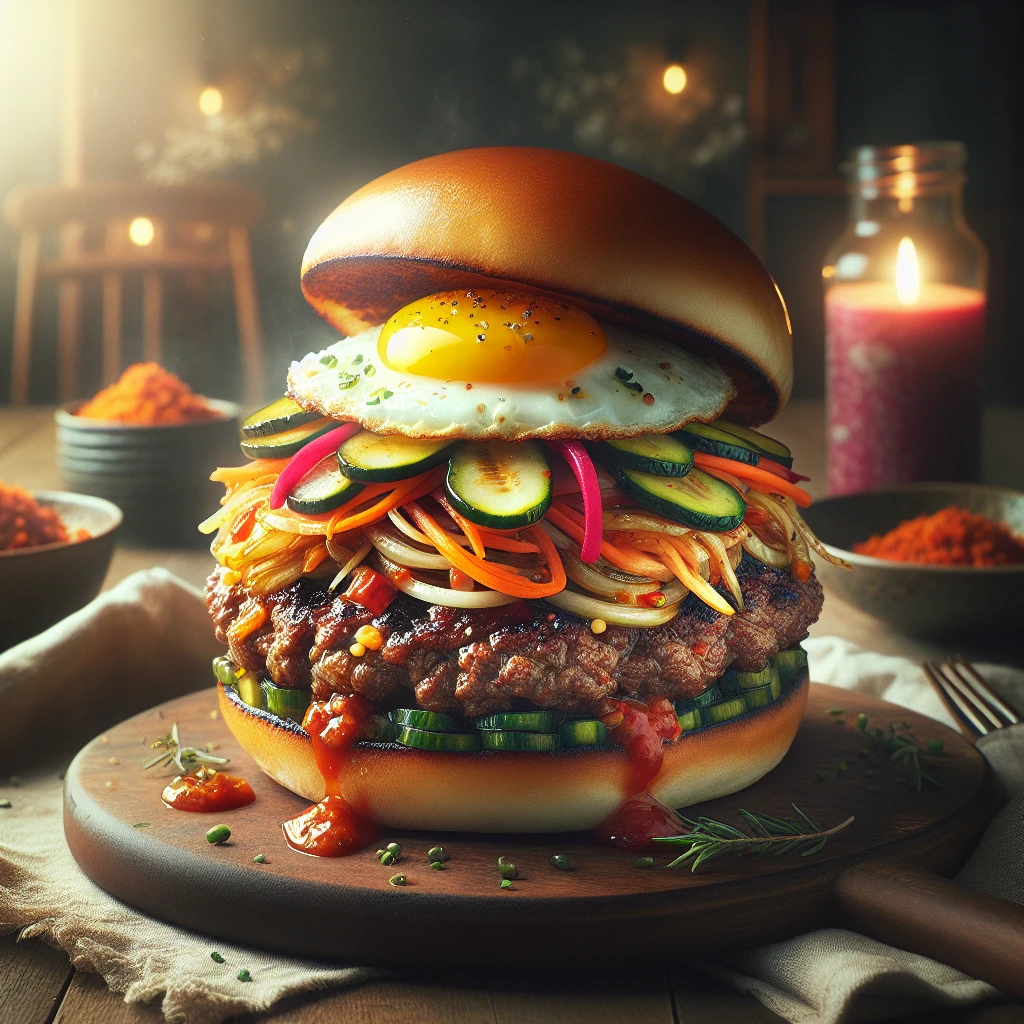
Mixing the vibrant flavors of Korean cuisine with the familiar form of a burger, the Bibimbap Burger is a delightful twist on a classic. It's a fun, flavor-packed meal that brings together the savory, spicy, and slightly sweet notes of traditional bibimbap into a handheld delight.
 Share
Share
This post may contain affiliate links. As an Amazon Associate, we earn from qualifying purchases.
Ingredients for Bibimbap Burger
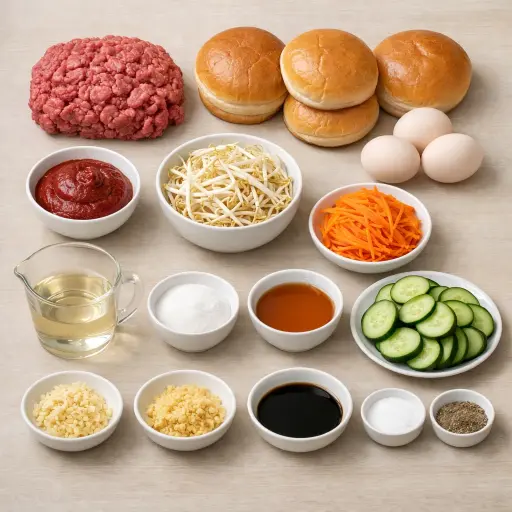
Ground beef forms the base of our burger, bringing a hearty and rich flavor. Gochujang paste adds a spicy kick and deep umami, essential to Korean cuisine. Hamburger buns provide the perfect vehicle to hold all the tasty elements together.
Eggs add a creamy texture when cooked with a slightly runny yolk, enhancing the richness of the burger. Bean sprouts offer a crunchy texture and fresh taste. Carrot and cucumber, once pickled, provide a crisp, tangy contrast.
Rice vinegar and sugar create a quick pickle brine, balancing sweetness and acidity. Sesame oil gives a nutty aroma, while soy sauce adds a depth of flavor. Garlic and ginger provide aromatic warmth. Finally, salt and pepper season the patties to perfection.
Why This Bibimbap Burger Works
During cooking, the beef patties hit the hot sesame oil and the outside browns fast. That browned crust keeps a lot of the juices inside, so the meat stays moist instead of drying out. The garlic and ginger are mixed right into the ground beef, so as the patties cook, that flavor spreads through the meat instead of just sitting on the surface.
While the vegetables sit in the rice vinegar and sugar, the carrot and cucumber soften a bit and lose some water. They stay crisp, but they don’t taste raw anymore, and the extra liquid moves into the pickling mix instead of soaking the bun later. Bean sprouts stay fresh and crunchy because they go on at the end without long cooking.
Once the eggs fry, the whites set and hold their shape, but the yolks stay a little runny. When someone bites into the burger, that soft yolk runs over the patty and vegetables, almost like a sauce, so everything feels juicy and not dry, even with all the different layers.
Bibimbap Burger Tips & Tricks
- If gochujang is too spicy, mix it with a little mayonnaise to tone it down.
- Use a meat thermometer to ensure your patties are cooked just how you like them.
- Chill your pickled veggies in the fridge for a crispier crunch.
Mistakes To Avoid
Cooking the patties on heat that’s too high can scorch the outside while the center stays undercooked. The crust turns almost black and bitter, but the middle can still be soft and red. The burger ends up tough on the edges and unsafe or unpleasant in the center.
Skipping the 20-minute rest for the pickled carrot and cucumber leaves them basically raw in the vinegar. The sugar and salt don’t have time to soak in, so the vegetables stay harsh and watery. On the burger, they leak liquid into the bun instead of giving a crisp, slightly firm bite.
Letting the eggs cook too long turns the yolks firm instead of slightly runny. The egg then sits like a dry disk on top of the patty instead of breaking and coating the meat and vegetables. The burger feels stacked and separate instead of coming together in one juicy bite.
Using too much gochujang paste on the bun can make the burger pasty and hard to eat. The thick layer mixes with the egg and meat juices and turns into a heavy, sticky smear. The bun can start to tear and the other flavors get buried.
Equipment Used:
Ingredients
- 1 lb ground beef
- 1/4 cup gochujang paste
- 4 hamburger buns
- 4 large eggs
- 1 cup bean sprouts
- 1 carrot, julienned
- 1 cucumber, sliced
- 1/4 cup rice vinegar
- 2 tbsp sugar
- 2 tbsp sesame oil
- 2 tbsp soy sauce
- 1 tsp garlic, minced
- 1 tsp ginger, minced
- Salt and pepper to taste
Step-by-step Instructions
- 1. Prepare pickled vegetables: In a small bowl, combine rice vinegar, sugar, and a pinch of salt. Add julienned carrot and sliced cucumber, mixing well. Let them sit for at least 20 minutes.
- 2. Form beef patties: Season ground beef with salt, pepper, minced garlic, and minced ginger. Shape into four even patties.
- 3. Cook patties: Heat sesame oil in a skillet over medium-high heat. Cook patties for 4-5 minutes on each side until desired doneness.
- 4. Fry eggs: In a separate pan, fry eggs until yolks are slightly runny, about 2-3 minutes.
- 5. Assemble burgers: Spread gochujang paste on the bottom half of each bun. Place cooked beef patty, a layer of pickled vegetables, bean sprouts, and a fried egg on top, then cover with the top half of the bun.
- 6. Serve immediately while warm.
Trending Now
Old-Fashioned Bread Pudding
Discover the classic charm of Old-Fashioned Bread Pudding - a timeless dessert com...
View Recipe
Traditional Fluffy Pancakes
Discover the perfect start to your morning with our Traditional Fluffy Pancakes, a...
View Recipe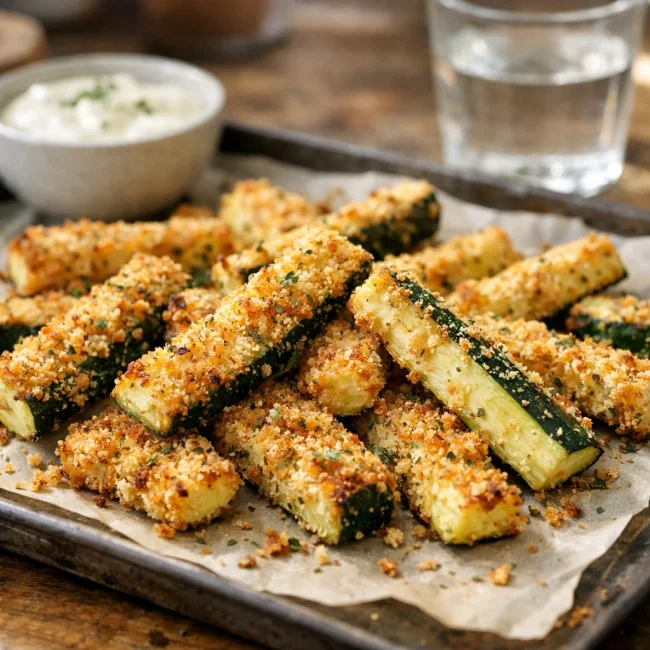
Zucchini Fries
Crispy oven-baked zucchini fries with a golden crust, perfect for a healthy snack ...
View Recipe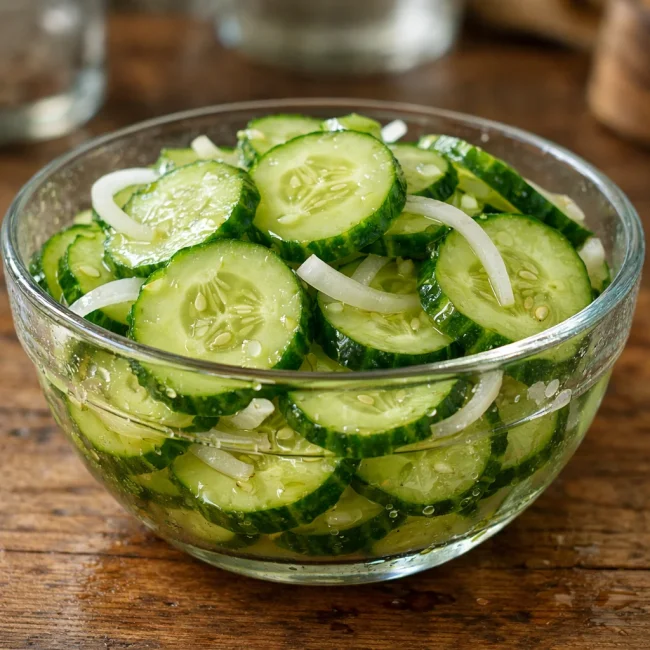
Traditional Cucumber Salad
This refreshing cucumber salad balances tangy vinegar and sweet sugar for a classi...
View RecipeFrequently Asked Questions
- Can I use a different meat?
- Absolutely! Ground turkey or chicken are great alternatives if you prefer something leaner.
- What if I don’t have gochujang?
- You can substitute with Sriracha for a spicy kick, though the flavor profile will be slightly different.
- How long do the pickled veggies last?
- They can be stored in the fridge for up to a week, making them a great make-ahead component.
Serving Ideas for Bibimbap Burger
Pair these burgers with a side of sweet potato fries to complement the savory and spicy flavors. For a refreshing beverage, a cold ginger beer or iced green tea works wonderfully. Toss a simple salad of arugula with sesame dressing for a light, fresh side.
More Main Dishes Recipes
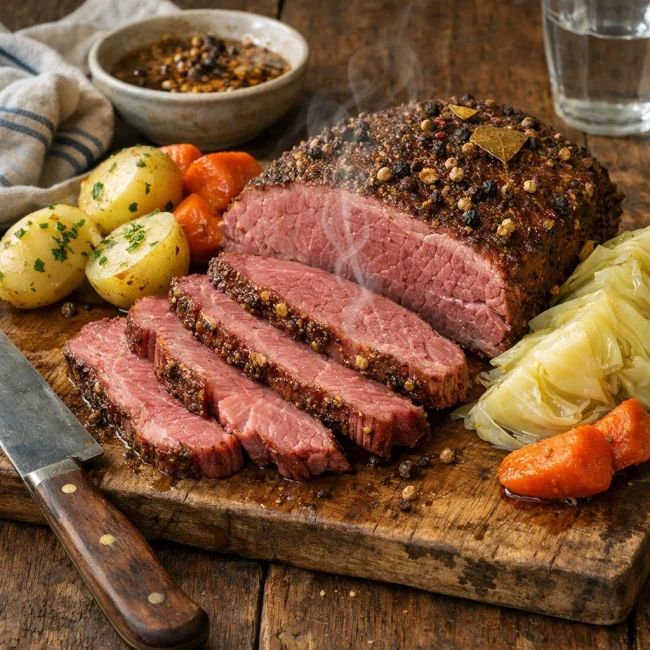
Unique Homemade Corned Beef
Discover the ultimate homemade corned beef recipe that balances rich flavors and t...
View Recipe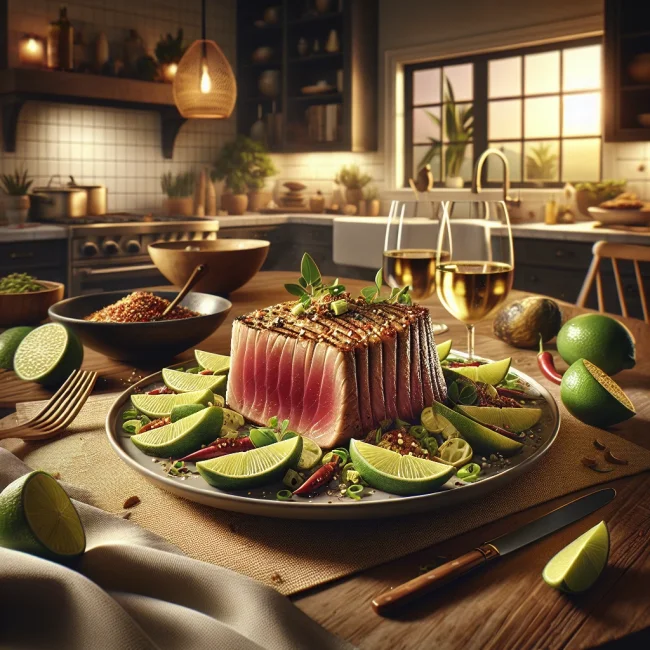
Spicy Lime Seared Ahi Tuna
Experience a burst of flavor with our Spicy Lime Seared Ahi Tuna, a perfect fusion...
View Recipe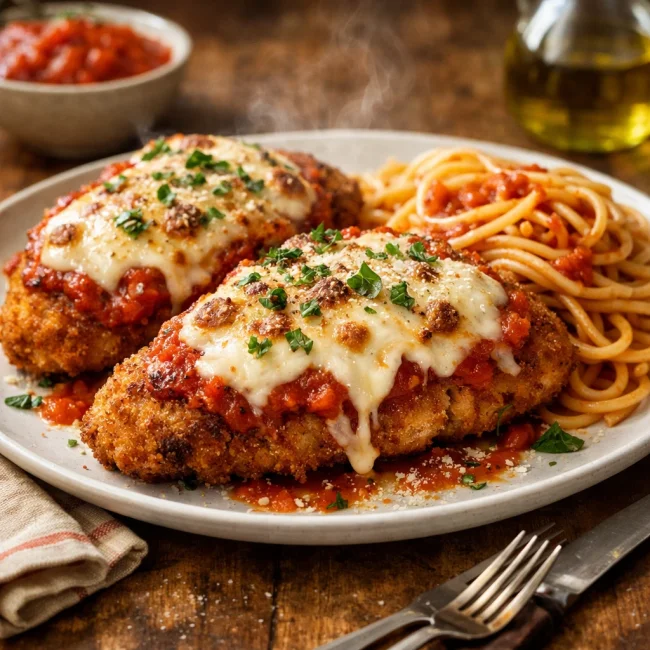
Traditional Chicken Parmesan
Savor the authentic taste of Italian cuisine with our Traditional Chicken Parmesan...
View Recipe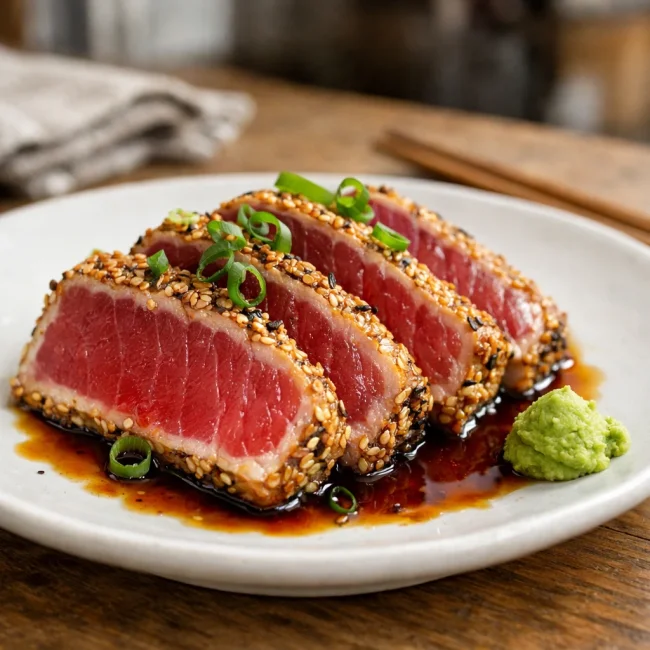
Seared Ahi Tuna
Experience the sublime taste of seared Ahi tuna, a Japanese-inspired dish that hig...
View Recipe