
Traditional Yeast Dinner Rolls
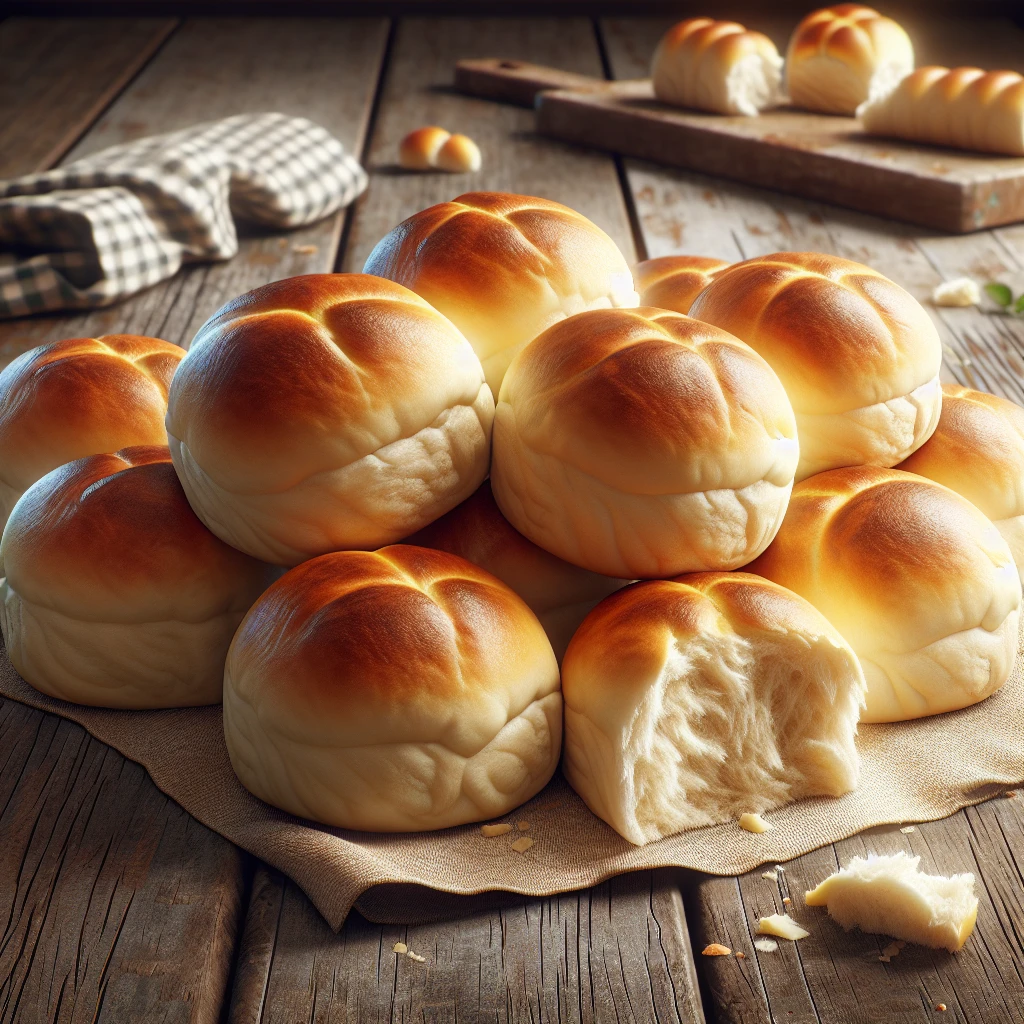
Nothing beats the smell of fresh bread wafting through your home, and these Traditional Yeast Dinner Rolls are the perfect companion to any meal. Soft, fluffy, and with just the right hint of buttery goodness, these rolls are a must-try for any home cook.
 Share
Share
This post may contain affiliate links. As an Amazon Associate, we earn from qualifying purchases.
Ingredients for Traditional Yeast Dinner Rolls
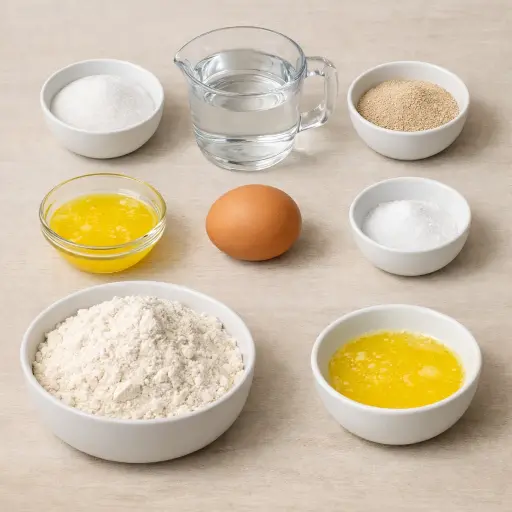
Sugar kickstarts the yeast, helping it activate and begin the rising process. The warm water is crucial for activating the yeast without killing it—aim for around 110°F. Active dry yeast is the magic ingredient that leavens the dough, making it rise and become airy. The butter, melted for easy mixing, adds richness and flavor to the rolls. A large egg contributes to the soft texture and structure of the dough. All-purpose flour provides the bulk, creating the dough's framework, while salt enhances flavor and strengthens the dough.
Why This Traditional Yeast Dinner Rolls Works
Sugar and warm water wake up the yeast. After a few minutes, the yeast starts to foam, which means it is alive and making tiny gas bubbles. Those bubbles are what will puff up the dough later. When the melted butter and egg go in, they coat the flour and keep the dough soft instead of dry and tough.
As the flour is mixed and then kneaded, the dough stretches and becomes smooth. During kneading, the flour and water link up and form a stretchy net. That net traps the gas from the yeast. While the dough rests and rises, the yeast keeps eating the sugar and making more gas, and the dough slowly swells and gets airy.
In the oven, the heat makes the gas expand fast, so the rolls rise even more. The egg sets and the flour structure firms up, so the rolls hold their shape instead of collapsing. The tops brown, the inside stays soft, and a quick brush of butter at the end keeps the crust tender.
Traditional Yeast Dinner Rolls Tips & Tricks
- For the perfect temperature to activate yeast, test the water on your wrist—it should feel warm, not hot.
- If your room is cold, let the dough rise in an oven that's been lightly heated and then turned off.
- Use a kitchen scale for dividing the dough into equal pieces for uniform rolls.
Mistakes To Avoid
Using water that is too hot kills the yeast before the dough even forms. The mixture may never get foamy, the dough stays heavy and tight, and the rolls come out flat and dense instead of puffed and soft.
Skipping or rushing the kneading step leaves the dough uneven and weak. The gluten doesn’t stretch properly, so the rolls tear easily, rise unevenly, and bake up with a tight, bready bite instead of a light, pull-apart texture.
Cutting the rise times short means the yeast doesn’t have time to fill the dough with air. The dough looks shaped but hasn’t actually grown much, so the finished rolls stay small, heavy, and a bit gummy in the center.
Adding too much extra flour while kneading quickly turns the dough stiff. It feels easier to handle, but in the oven the rolls dry out, crack on top, and lose that soft, fluffy middle.
Letting the rolls bake too long dries them out fast. The tops turn very dark, the bottoms harden, and even with butter brushed on, the inside feels more like a dry bun than a tender dinner roll.
Equipment Used:
Ingredients
- 1/4 cup granulated sugar
- 1 cup warm water (110°F)
- 2 1/4 teaspoons active dry yeast
- 1/4 cup unsalted butter, melted
- 1 large egg
- 3 1/2 cups all-purpose flour
- 1 teaspoon salt
- Butter for brushing
Step-by-step Instructions
- 1. In a large mixing bowl, dissolve the sugar in warm water.
- 2. Sprinkle the yeast over the water and let it sit for about 5 minutes, or until foamy.
- 3. Stir in the melted butter and egg.
- 4. Gradually add the flour and salt, mixing until a soft dough forms.
- 5. Knead the dough on a floured surface for about 8 minutes until smooth and elastic.
- 6. Place the dough in a greased bowl, cover, and let rise in a warm place until doubled in size, about 1 hour.
- 7. Punch down the dough and divide into 12 equal pieces.
- 8. Shape each piece into a ball and place in a greased baking dish.
- 9. Cover and let rise again until doubled, about 30-40 minutes.
- 10. Preheat oven to 375°F (190°C).
- 11. Bake rolls for 15-20 minutes, or until golden brown.
- 12. Brush the tops with butter and serve warm.
Trending Now
Traditional Fluffy Pancakes
Discover the perfect start to your morning with our Traditional Fluffy Pancakes, a...
View Recipe
Old-Fashioned Bread Pudding
Discover the classic charm of Old-Fashioned Bread Pudding - a timeless dessert com...
View Recipe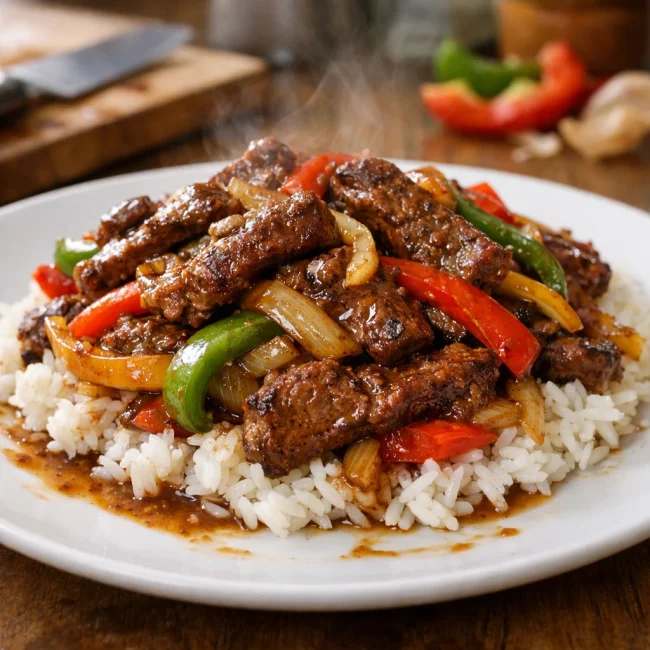
Traditional Pepper Steak
A timeless savory dish, Traditional Pepper Steak features juicy beef strips cooked...
View Recipe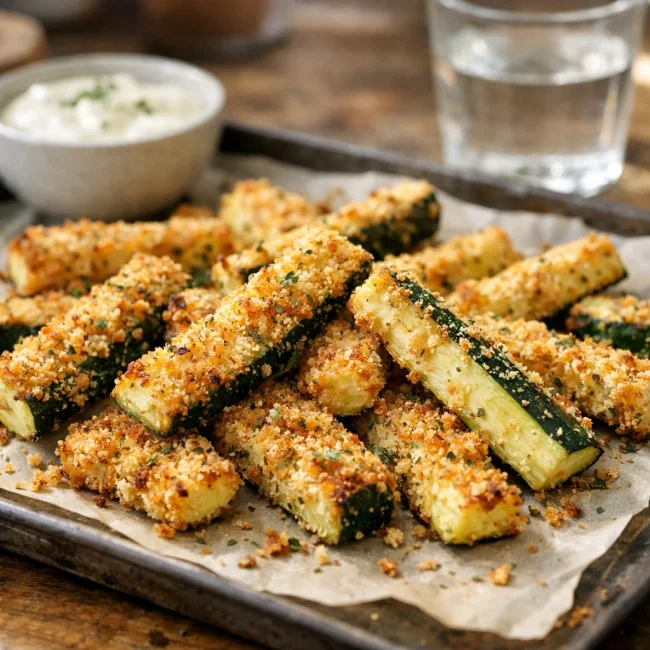
Zucchini Fries
Crispy oven-baked zucchini fries with a golden crust, perfect for a healthy snack ...
View RecipeFrequently Asked Questions
- Can I make the dough ahead of time?
- Yes, you can prepare the dough and let it rise in the fridge overnight. Just bring it to room temperature before baking.
- What if I don't have a warm place for the dough to rise?
- A slightly warmed oven works well—just preheat it briefly, then turn it off before placing the dough inside.
Serving Ideas for Traditional Yeast Dinner Rolls
These rolls are a delightful addition to any meal. Serve them with a hearty soup or stew for a comforting dinner. They're also wonderful alongside a roast chicken or turkey, soaking up all those delicious juices. For a sweet twist, try them with a dab of homemade jam or honey butter.
More Breads & Baked Goods Recipes

Traditional Italian Easter Bread
Savor the delightful taste of a classic Italian Easter bread, a sweet, soft, and s...
View Recipe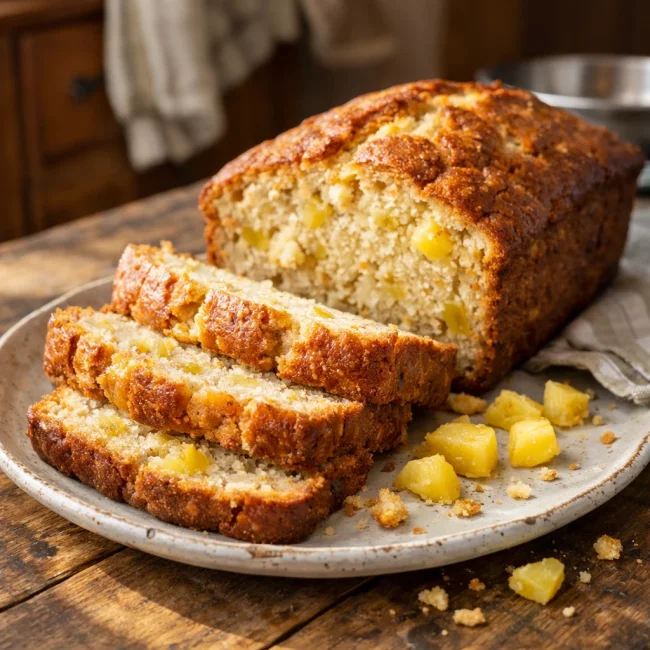
Old-Fashioned Pineapple Bread
A delightful and flavorful bread infused with juicy pineapple, perfect for breakfa...
View Recipe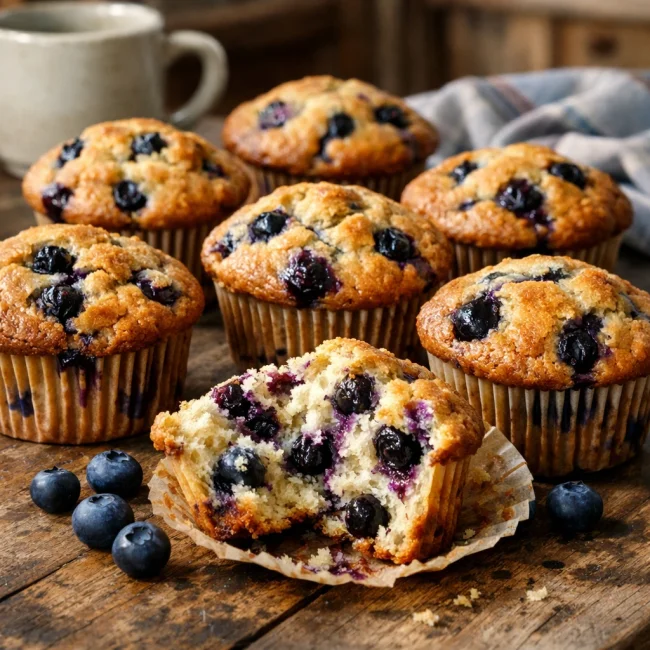
Old-Fashioned Blueberry Muffins
Transport yourself to simpler times with these delightful old-fashioned blueberry ...
View Recipe
Strawberry Basil Scones
These tender scones combine the sweetness of fresh strawberries with a hint of pep...
View Recipe