
Traditional Italian Easter Bread
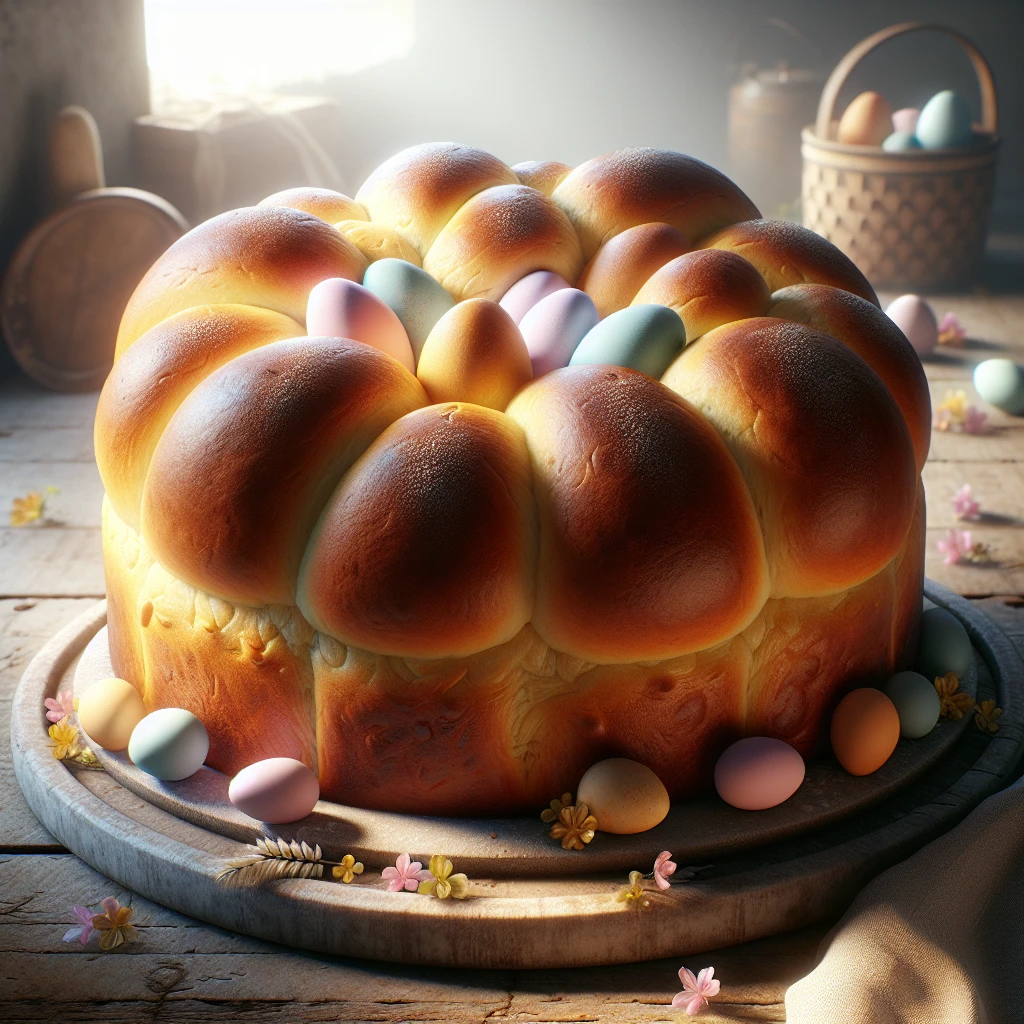
Traditional Italian Easter Bread, or "Pane di Pasqua," is a delightful way to celebrate the Easter season. This sweet, braided bread adorned with colorful dyed eggs is not just a treat for the taste buds but also a feast for the eyes. Enjoy making it with family and savor the rich flavors of vanilla and orange zest that make it truly special.
 Share
Share
This post may contain affiliate links. As an Amazon Associate, we earn from qualifying purchases.
Ingredients for Traditional Italian Easter Bread
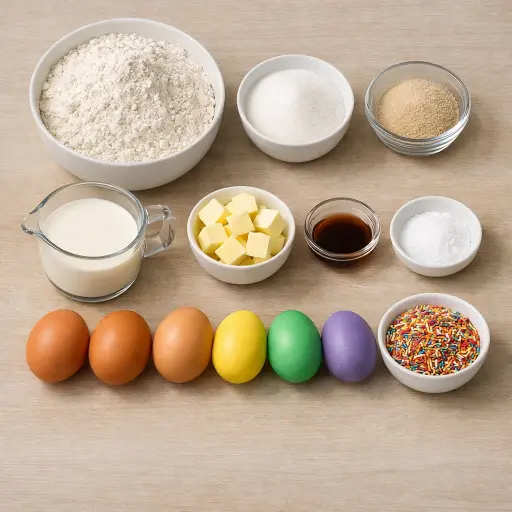
The heart of our bread is the all-purpose flour, providing the necessary structure. Granulated sugar adds a touch of sweetness, balancing the citrus notes. Active dry yeast is the magic that makes the dough rise, leading to that lovely soft texture. Whole milk contributes to the bread's richness and keeps it tender. Unsalted butter brings in a creamy flavor, while vanilla extract and orange zest offer aromatic highlights. A pinch of salt enhances all these flavors. Eggs add richness and help bind everything together. Finally, dyed eggs and rainbow sprinkles make it festive and colorful.
Why This Traditional Italian Easter Bread Works
During mixing and kneading, the flour, eggs, and warm milk come together into a smooth dough that can stretch without tearing. As the dough is worked, the flour soaks up the liquid and the strands inside the dough line up. That stretchy structure is what lets the bread rise high instead of spreading flat. Butter and sugar slide between those strands and keep them from tightening too much, so the bread stays soft instead of chewy.
While the dough rests, the yeast slowly eats the sugar and gives off gas. That gas gets trapped inside the stretchy dough and forms little bubbles all through the loaf. By the time it goes into the oven, the dough is full of tiny pockets of air. In the oven, the heat makes those bubbles swell and then the eggs in the dough set firm, so the bread holds its shape. The dyed eggs and sprinkles just sit on top while all this happens, so the bread bakes up light and fluffy around them.
Traditional Italian Easter Bread Tips & Tricks
- If your bread browns too quickly, tent it with foil halfway through baking.
- For a softer crust, brush the bread with milk before baking.
- Use a stand mixer with a dough hook if kneading by hand is challenging.
Mistakes To Avoid
Overheating the milk for the yeast can quietly kill the yeast before it even gets started. The dough then barely rises, stays heavy and tight, and the finished bread comes out dense instead of soft and fluffy.
Adding the dyed eggs while the dough is still in its first rise or pushing them in too deep can cause trouble. The dough stretches around them as it rises and bakes, so the eggs can crack, leak, or sink, leaving wet, gummy spots inside the loaf.
Kneading far less than the 10 minutes leaves the dough weak and sticky. In the oven it spreads out instead of holding a tall braid shape, and the crumb inside turns out uneven with tight, doughy patches.
Skipping the second rise after shaping the braid keeps the bread from puffing up properly around the eggs. The loaf bakes up short and compact, with a tougher bite and a tighter, less airy texture.
Equipment Used:
Ingredients
- 5 cups all-purpose flour
- 1/2 cup granulated sugar
- 2 tsp active dry yeast
- 1 cup whole milk
- 1/2 cup unsalted butter
- 1 tsp vanilla extract
- 2 tsp orange zest
- 1/2 tsp salt
- 3 large eggs
- 6 dyed eggs for decoration
- 1/4 cup rainbow sprinkles
Step-by-step Instructions
- 1. In a small saucepan, heat the milk until warm but not hot, and add the yeast. Let it sit for 5 minutes until frothy.
- 2. In a large mixing bowl, combine flour, sugar, and salt. Mix well.
- 3. Add the yeast mixture, butter, vanilla extract, orange zest, and 3 beaten eggs to the dry ingredients. Mix to form a dough.
- 4. Knead the dough on a floured surface for about 10 minutes or until smooth and elastic.
- 5. Place the dough in a greased bowl, cover, and let it rise in a warm place for about 1.5 hours or until doubled in size.
- 6. Preheat the oven to 350°F (175°C).
- 7. Divide the dough into three equal parts. Roll each part into a 24-inch rope.
- 8. Braid the ropes together and form into a circle. Place on a baking sheet lined with parchment paper.
- 9. Gently tuck the dyed eggs into the braid and sprinkle with rainbow sprinkles.
- 10. Cover the loaf and let it rise for another 30 minutes.
- 11. Bake in the preheated oven for 25-30 minutes or until golden brown.
- 12. Let cool on a wire rack before serving.
Trending Now
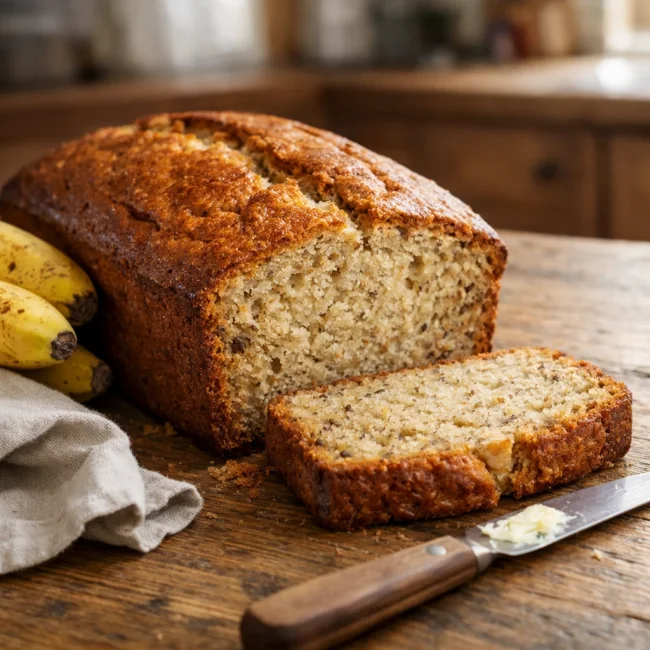
Classic Banana Bread
Classic Banana Bread is a timeless dessert beloved for its moist texture and sweet...
View Recipe
Classic Cucumber Salad
A refreshing and light cucumber salad featuring crisp cucumbers and a tangy vinaig...
View Recipe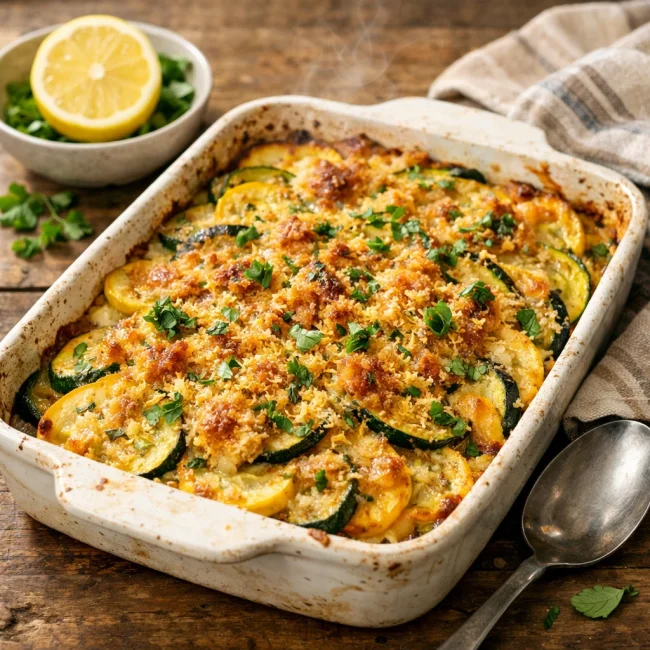
Zesty Summer Squash Casserole
This delightful summer squash casserole combines vibrant garden-fresh vegetables w...
View Recipe
Traditional Dump Cake
Discover the timeless delight of the Traditional Dump Cake, a simple and scrumptio...
View RecipeFrequently Asked Questions
- Can I make this bread in advance?
- Yes, you can make it a day ahead and store it in an airtight container. It stays fresh for 2-3 days.
- What if I don't have dyed eggs?
- You can use regular hard-boiled eggs. To keep the festive spirit, consider coloring them yourself with food-safe dye.
- Can I freeze this bread?
- Yes, wrap it tightly in plastic wrap and foil, and freeze for up to 2 months. Thaw overnight before serving.
Serving Ideas for Traditional Italian Easter Bread
This bread pairs beautifully with a light spread of butter or a dollop of fruit preserves. For an extra indulgence, try it with a side of mascarpone cheese and a drizzle of honey. It’s also a charming addition to any Easter brunch, alongside a fresh fruit salad or savory quiche.
More Breads & Baked Goods Recipes
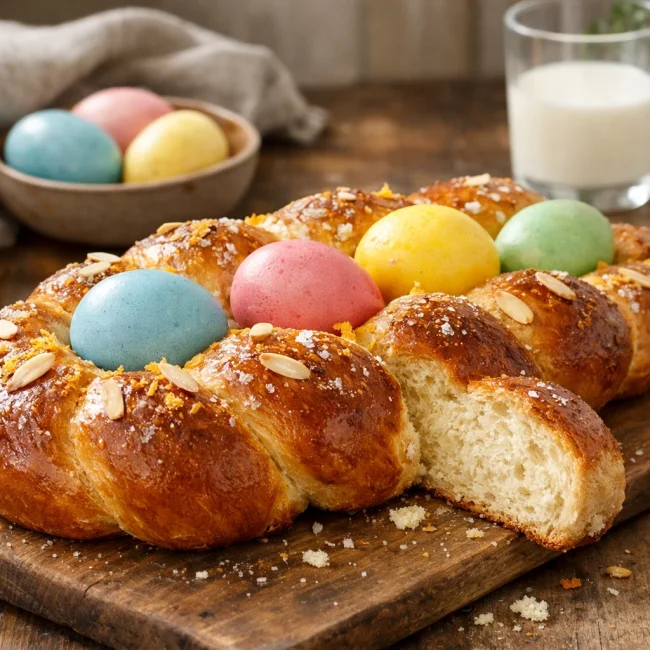
Traditional Italian Easter Bread
Savor the delightful taste of a classic Italian Easter bread, a sweet, soft, and s...
View Recipe
Old-Fashioned Pineapple Bread
A delightful and flavorful bread infused with juicy pineapple, perfect for breakfa...
View Recipe
Old-Fashioned Blueberry Muffins
Transport yourself to simpler times with these delightful old-fashioned blueberry ...
View Recipe
Strawberry Basil Scones
These tender scones combine the sweetness of fresh strawberries with a hint of pep...
View Recipe