
Strawberry Basil Scones
Strawberry Basil Scones are a delightful twist on the classic scone, offering a sweet and savory combination that’s perfect for a spring brunch or afternoon tea. The fresh strawberries and aromatic basil create a unique flavor profile that’s both refreshing and satisfying.
 Share
Share

This post may contain affiliate links. As an Amazon Associate, we earn from qualifying purchases.
Ingredients for Strawberry Basil Scones
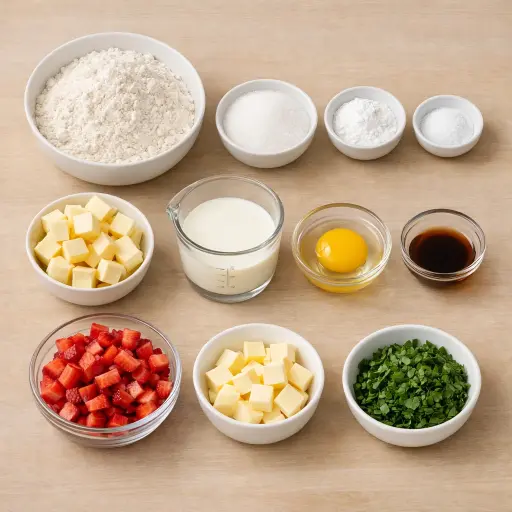
All-purpose flour forms the base of the scone, providing structure. Granulated sugar adds just the right amount of sweetness without overpowering the natural flavors. Baking powder is essential for a good rise, making the scones light and fluffy. A touch of salt enhances all the flavors in the mix. Unsalted butter, kept cold and cubed, is cut into the dry ingredients to create a tender, flaky texture. The richness of heavy cream adds moisture and a slight creaminess, while a large egg helps bind everything together. Vanilla extract adds a subtle, sweet aroma that complements the strawberries. Fresh strawberries, diced, bring a burst of juicy sweetness, and fresh basil leaves, finely chopped, introduce a hint of herbal freshness that elevates this scone from ordinary to extraordinary.
Why This Strawberry Basil Scones Works
Cold butter is the main thing holding these scones together. When the butter is cut into the flour, little chunks of butter stay solid and coated in flour. In the oven, those cold bits of butter slowly melt and leave tiny gaps behind. Those gaps turn into soft, flaky layers instead of a tough, bready texture. The heavy cream and egg give enough moisture so the dough comes together, but it still stays thick and sturdy, not sticky.
As the heat hits the dough, the baking powder starts to puff everything up. The flour sets around the melted butter and trapped air, so the scones keep their shape and don’t spread flat. Strawberries soften and give off some juice, but the flour around them soaks it up, so the scones stay tender instead of soggy. Basil is chopped small, so it spreads through the dough and bakes right into it, instead of burning on top. By the time they come out, the outside is golden and firm, and the inside stays soft and slightly moist.
Strawberry Basil Scones Tips & Tricks
- Chill the butter in the freezer for a few minutes before cubing to make it easier to cut into the flour.
- If your strawberries are particularly juicy, pat them dry with a paper towel before adding to the dough to avoid excess moisture.
- Use a light hand when mixing to keep the scones tender and flaky.
Mistakes To Avoid
Letting the butter warm up too much before it’s mixed in makes the dough greasy instead of crumbly. The butter then melts too fast in the oven instead of creating little steam pockets. The scones come out flat and heavy instead of tall and flaky.
Overmixing once the cream and egg go in turns the dough tough. The flour soaks up too much liquid and the gluten tightens. The baked scones end up chewy and dense instead of soft and tender.
Adding very wet strawberries or pieces that are too big causes soggy pockets in the dough. The fruit leaks juice into the flour, especially around the cut edges. The scones can bake up with gummy centers and wet bottoms that stick to the pan.
Skipping the parchment or crowding the wedges on the tray makes the bottoms brown too hard while the sides stay pale. With less space and no lining, the heat hits unevenly. The texture goes from crisp and light to hard on the bottom and uneven in the middle.
Equipment Used:
Mixing bowls, Baking sheet, Pastry cutter, Whisk, Cutting board
Ingredients
- 2 cups all-purpose flour
- 1/4 cup granulated sugar
- 1 tablespoon baking powder
- 1/2 teaspoon salt
- 1/2 cup unsalted butter, cold and cubed
- 1/2 cup heavy cream, plus more for brushing
- 1 large egg
- 1 teaspoon vanilla extract
- 1 cup fresh strawberries, diced
- 1/4 cup fresh basil leaves, finely chopped
Step-by-step Instructions
- 1. Preheat oven to 400°F (200°C) and line a baking sheet with parchment paper.
- 2. In a large bowl, whisk together flour, sugar, baking powder, and salt.
- 3. Add the cold, cubed butter to the dry ingredients and cut it in using a pastry cutter or your fingers until the mixture resembles coarse crumbs.
- 4. In a separate bowl, whisk together the heavy cream, egg, and vanilla extract.
- 5. Pour the wet ingredients into the dry ingredients and mix until just combined.
- 6. Gently fold in the strawberries and basil until evenly distributed.
- 7. Turn the dough out onto a lightly floured surface and shape into a 1-inch thick disc.
- 8. Cut the disc into 8 wedges and place them on the prepared baking sheet.
- 9. Brush the tops with additional heavy cream and bake for 18-20 minutes, or until golden brown.
- 10. Allow to cool slightly on a wire rack before serving.
Trending Now
Oven-Baked Pork Chops
Enjoy a delightful dinner with these tender and juicy oven-baked pork chops, seaso...
View Recipe
Traditional Corn Casserole
A delightful corn casserole dish that embodies the comforting flavors of sweet cor...
View Recipe
Traditional Cucumber and Tomato Salad
A refreshing and simple salad combining crisp cucumbers and juicy tomatoes, season...
View Recipe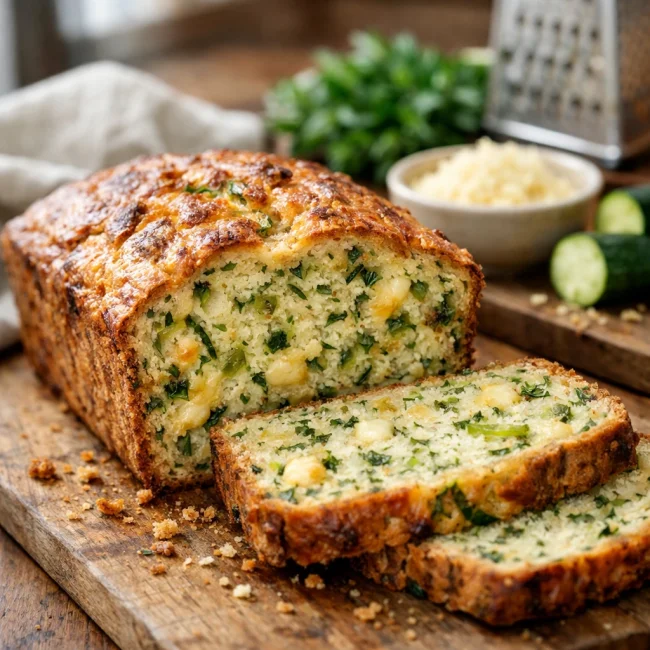
Savory Zucchini Bread
Savory Zucchini Bread is a delectable twist on traditional zucchini recipes, combi...
View RecipeFrequently Asked Questions
- Can I use frozen strawberries?
- Yes, you can use frozen strawberries. Just make sure to thaw and drain them well before adding to the dough to prevent excess moisture.
- Can I substitute the basil with another herb?
- Absolutely! Mint or thyme could work well, offering a different but equally refreshing flavor profile.
- How long will these scones keep?
- Store them in an airtight container at room temperature for up to two days, or freeze for up to a month.
Serving Ideas for Strawberry Basil Scones
These scones pair beautifully with a dollop of clotted cream or a smear of fresh butter. For an exquisite brunch spread, serve alongside a fresh fruit salad and a glass of chilled Prosecco. Or, enjoy them slightly warm with a cup of herbal tea for a calming afternoon treat.
More Breads & Baked Goods Recipes

Traditional Italian Easter Bread
Savor the delightful taste of a classic Italian Easter bread, a sweet, soft, and s...
View Recipe
Old-Fashioned Pineapple Bread
A delightful and flavorful bread infused with juicy pineapple, perfect for breakfa...
View Recipe
Old-Fashioned Blueberry Muffins
Transport yourself to simpler times with these delightful old-fashioned blueberry ...
View Recipe
Strawberry Basil Scones
These tender scones combine the sweetness of fresh strawberries with a hint of pep...
View Recipe