
Traditional Turkey Gravy
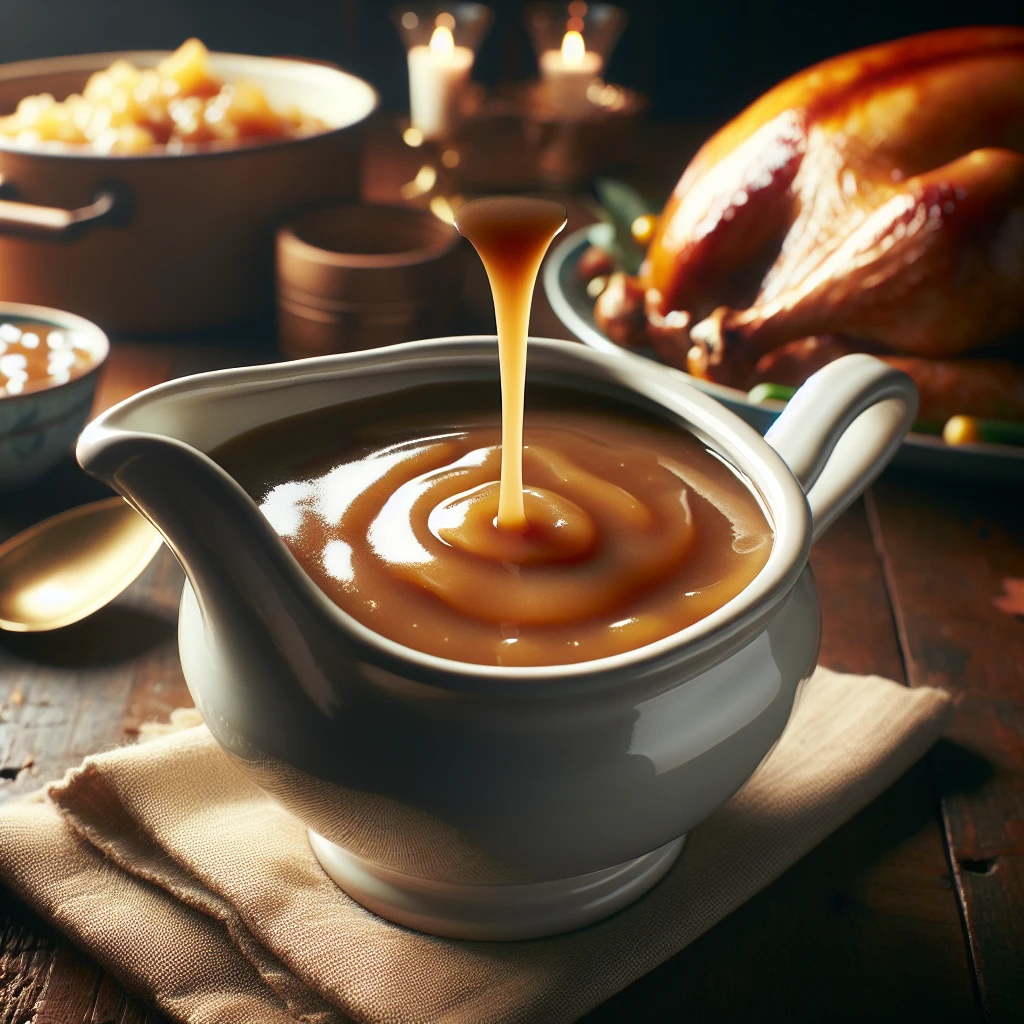
If you're looking to elevate your holiday feast, this Traditional Turkey Gravy is the perfect finishing touch. Rich and savory, it's made from the flavorful drippings of your roasted turkey, ensuring every bite is deliciously satisfying. Let's dive into this simple yet essential recipe that brings warmth and comfort to your table.
 Share
Share
This post may contain affiliate links. As an Amazon Associate, we earn from qualifying purchases.
Ingredients for Traditional Turkey Gravy
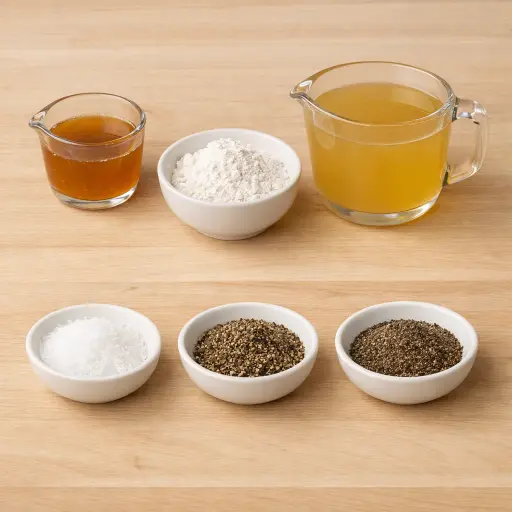
Turkey drippings are the flavorful juices left in the roasting pan after cooking your turkey. They add depth and richness to the gravy. All-purpose flour is used to thicken the gravy, creating a velvety texture. Turkey stock enhances the flavor and provides a liquid base for the gravy. Finally, a bit of salt and black pepper allow you to season the gravy to your liking.
Why This Traditional Turkey Gravy Works
As the turkey drippings warm up with the flour, the fat from the drippings coats each bit of flour. Stirring keeps the flour spread out so it doesn’t clump. After a minute or two, the flour starts to cook in the fat and loses that raw, pasty taste. The mixture in the pan gets smooth and a little bubbly, like a loose paste.
Once the turkey stock is whisked in, the flour that is coated in fat can spread through the liquid without forming lumps. At first the gravy looks thin and a bit streaky, but steady whisking pulls everything together. As it comes up to a boil, the flour swells and thickens the stock, so the gravy slowly changes from watery to silky and pourable.
During the short simmer, the bubbles stay steady and the gravy evens out. Any tiny lumps soften, and the turkey flavor from the drippings spreads through the whole pan. By the time it finishes, the gravy holds a spoon coat, stays smooth, and is ready for a last bit of salt and pepper.
Traditional Turkey Gravy Tips & Tricks
- For a lump-free gravy, always add the stock gradually and whisk constantly.
- If your gravy is too thick, thin it out with a bit more stock or water.
- Strain the gravy before serving for an extra smooth finish.
- Make the gravy a day ahead and reheat gently, adding a splash of stock if needed.
Mistakes To Avoid
Pouring in all the stock at once often leaves lumps of flour in the gravy. The flour on the bottom grabs the liquid in clumps, and those clumps never fully smooth out, so the gravy ends up with little pasty bits instead of a silky texture.
Letting the roux stay pale and barely cooked can cause a raw flour taste and a chalky feel. The flour needs a little time in the hot fat to change texture; when it doesn’t, the gravy thickens in a dull, pasty way and coats the mouth in a powdery layer.
Cranking the heat too high after the stock goes in can make the gravy catch on the bottom of the pan. The thickening flour sticks and browns in patches, so the gravy gets dark specks and a slightly burnt, harsh edge.
Skipping the step of tasting for salt and pepper at the end often leaves the gravy flat and dull. The thickness might be right, but the seasoning stays weak, so it doesn’t stand up to the turkey or mashed potatoes.
Equipment Used:
Ingredients
- 1/4 cup turkey drippings
- 1/4 cup all-purpose flour
- 2 cups turkey stock
- Salt to taste
- Black pepper to taste
Step-by-step Instructions
- 1. Collect the turkey drippings from the roasting pan.
- 2. In a medium saucepan, combine the turkey drippings and flour over medium heat, stirring constantly to form a roux.
- 3. Gradually whisk in the turkey stock; continue to whisk until smooth.
- 4. Bring the mixture to a boil, then reduce heat to low and simmer for 5 minutes, stirring frequently until thickened.
- 5. Season with salt and black pepper to taste.
Trending Now
Old-Fashioned Bread Pudding
Discover the classic charm of Old-Fashioned Bread Pudding - a timeless dessert com...
View Recipe
Traditional Italian Bruschetta
Experience the authentic taste of Italian bruschetta, a perfect blend of fresh tom...
View Recipe
Classic Green Beans
Discover the timeless delight of Classic Green Beans, a simple yet flavorful side ...
View Recipe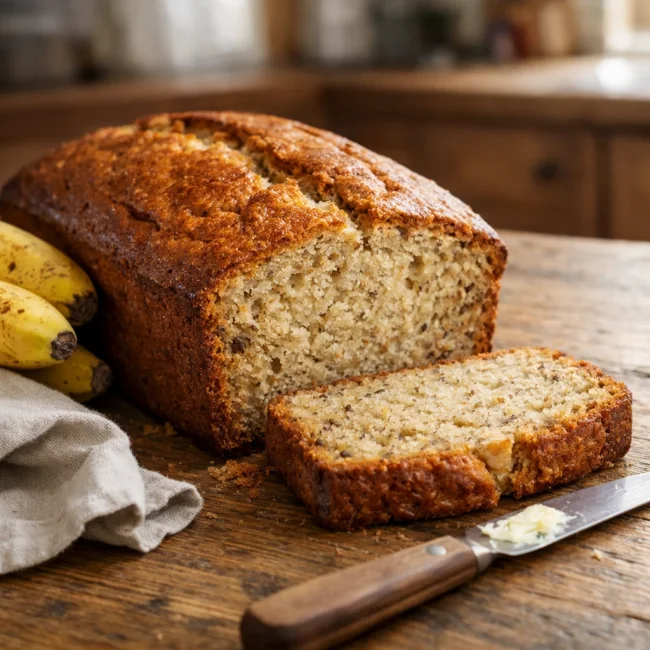
Classic Banana Bread
Classic Banana Bread is a timeless dessert beloved for its moist texture and sweet...
View RecipeFrequently Asked Questions
- Can I make this gravy gluten-free?
- Yes, substitute the all-purpose flour with a gluten-free flour blend or cornstarch.
- How do I store leftovers?
- Store in an airtight container in the refrigerator for up to three days. Reheat gently on the stove, adding a bit of stock if needed.
- What if I don't have turkey stock?
- You can use chicken stock as a substitute, though turkey stock is recommended for the best flavor.
Serving Ideas for Traditional Turkey Gravy
This gravy is perfect drizzled over roasted turkey, mashed potatoes, or stuffing. It also pairs wonderfully with roasted vegetables, adding a savory touch to any side dish. For a cozy meal, serve it alongside warm, crusty bread to soak up all the delicious flavors.
More Sauces & Condiments Recipes
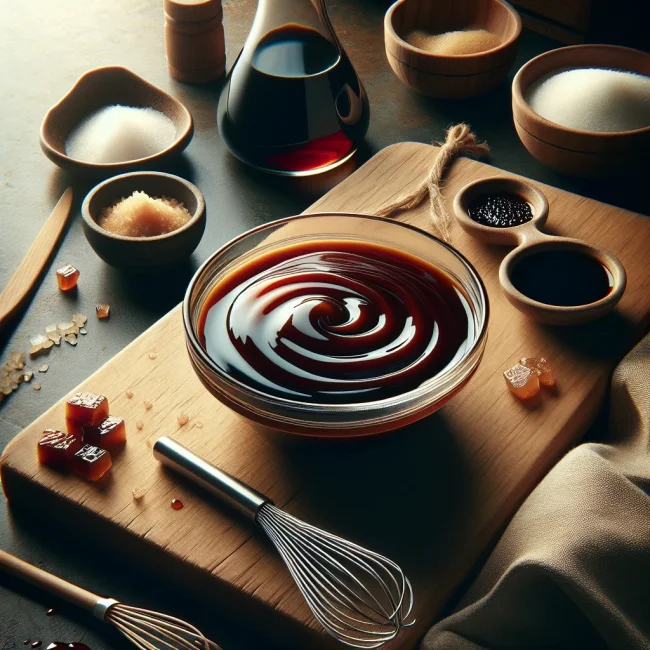
Traditional Teriyaki Sauce
A savory and sweet traditional teriyaki sauce that perfectly balances flavors to e...
View Recipe
Timeless Vinaigrette
A zesty and delightful vinaigrette perfect for enhancing any salad with its classi...
View Recipe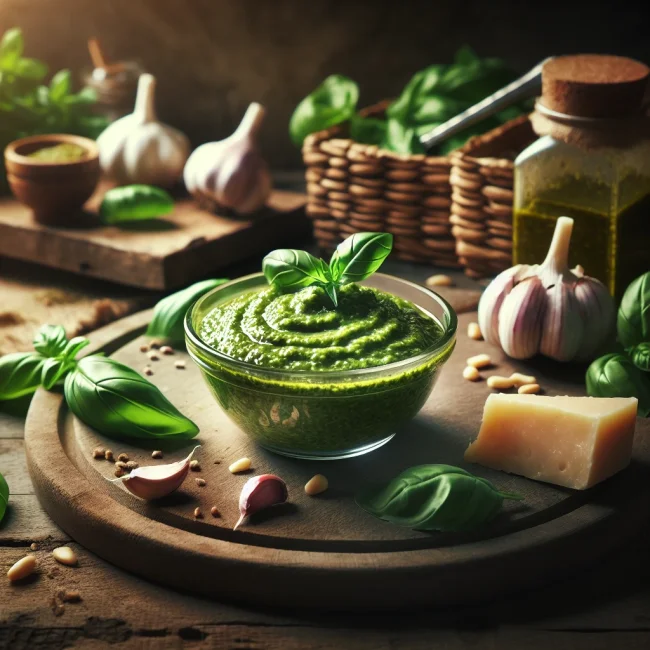
Traditional Pesto
Discover the authentic taste of Italy with our Traditional Pesto recipe, a vibrant...
View Recipe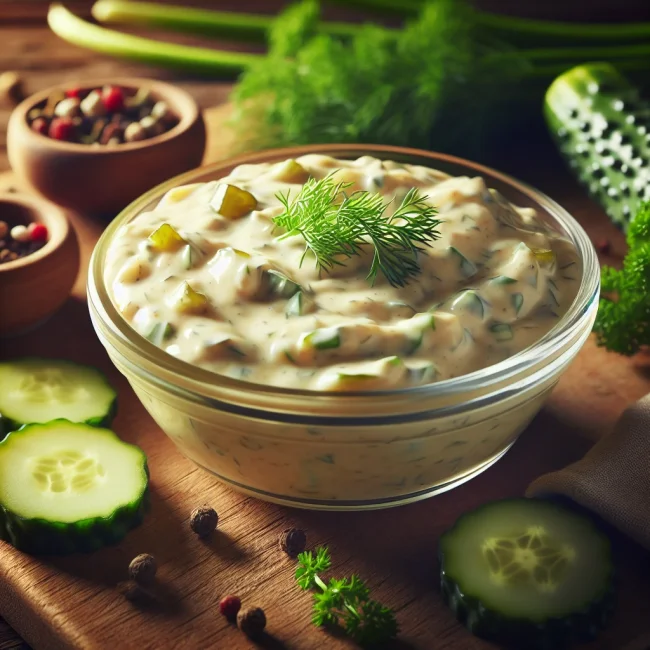
Classic Tartar Sauce
Indulge in the rich and tangy flavors of this homemade tartar sauce, perfect for p...
View Recipe