
Traditional Pesto
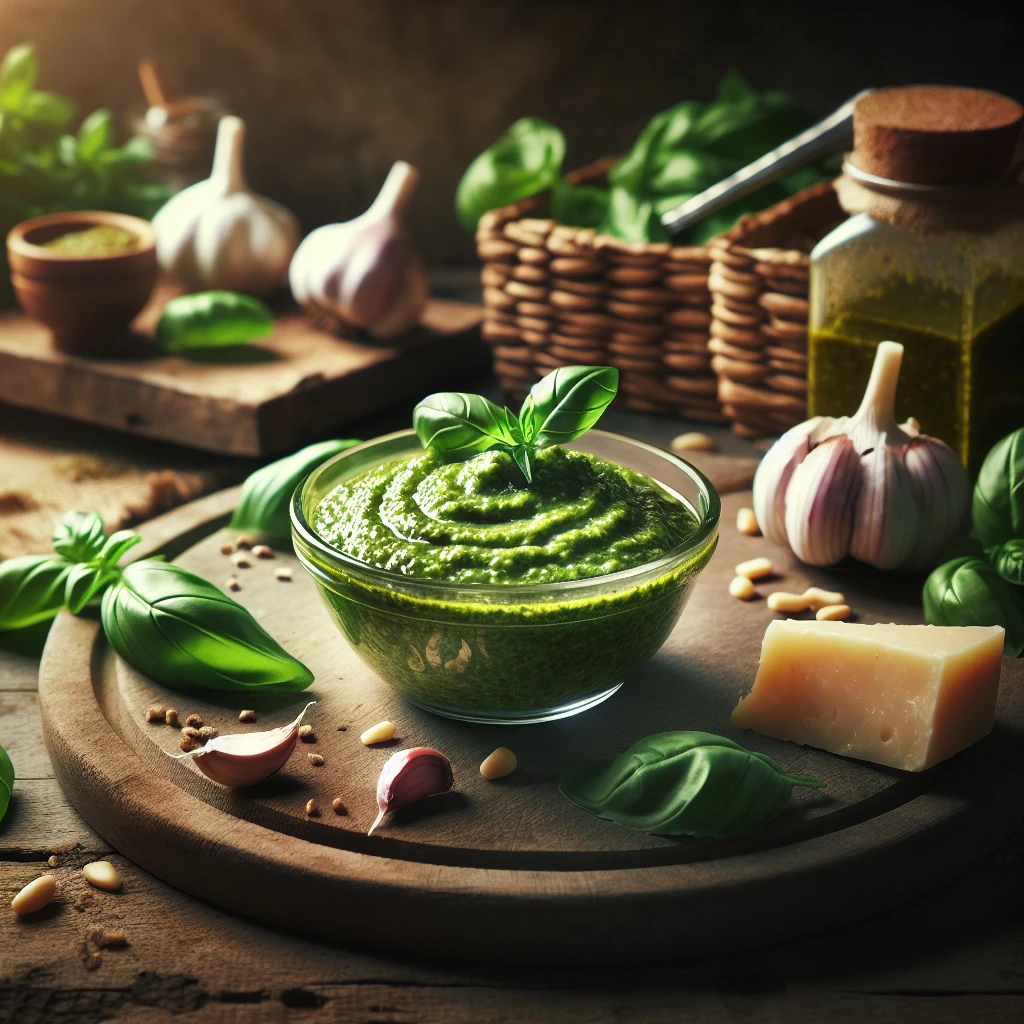
Traditional Pesto is a classic Italian sauce that bursts with fresh, vibrant flavors. Its simplicity yet richness makes it a staple in any home cook's repertoire, perfect for elevating a variety of dishes.
 Share
Share
This post may contain affiliate links. As an Amazon Associate, we earn from qualifying purchases.
Ingredients for Traditional Pesto
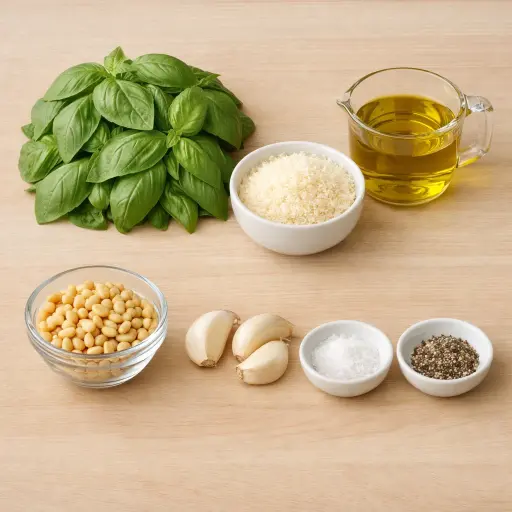
The star of the show is basil, with its fragrant leaves providing the sauce's vibrant green color and fresh aroma. Parmesan cheese adds a savory depth and enhances the umami flavor. The extra virgin olive oil acts as the binding agent, contributing a silky texture and rich taste. Pine nuts offer a nutty crunch, while garlic introduces a pungent, spicy note. Finally, a touch of salt and freshly ground black pepper balances and highlights all the flavors.
Why This Traditional Pesto Works
Once the basil, pine nuts, and garlic go into the food processor, the blades start breaking everything down. The basil leaves tear and bruise, so their green color spreads through the whole mix instead of staying in pieces. Pine nuts and Parmesan both grind into tiny bits, so they don’t feel chunky, but they still give the pesto some body. Garlic gets chopped so fine that it spreads evenly instead of sitting in sharp little bites.
As the processor runs and the olive oil goes in slowly, the oil slips into all those tiny gaps between the basil, nuts, cheese, and garlic. The mix changes from a loose, chopped pile into a thick, smooth paste that still has a little texture. Adding the oil slowly keeps it from separating into a greasy layer on top. At the end, the salt and pepper don’t just sit on the surface; a few more seconds of blending pulls them through the whole pesto so every spoonful tastes the same.
Traditional Pesto Tips & Tricks
- Toasting the pine nuts lightly before adding them can enhance their nutty flavor.
- If you prefer a smoother pesto, blend for a little longer or add a touch more olive oil.
- To keep the pesto looking fresh and green, cover the surface with a thin layer of olive oil before storing it.
Mistakes To Avoid
Adding all the oil at once instead of drizzling it in can make the pesto separate. The basil and cheese don’t get a chance to grab the oil evenly, so the mixture can end up with a slick layer of oil on top and a thick paste at the bottom instead of a smooth sauce.
Overprocessing the basil until it gets hot in the food processor often turns the pesto dull and pasty. The friction from long blending warms the leaves, so they lose their bright green color and the texture becomes glue-like instead of loose and spoonable.
Skipping the rinse and dry step for the basil leaves leaves extra water in the bowl. That water thins the pesto and keeps the oil from coating everything properly, so the sauce turns runny and can look a bit grayish instead of thick and glossy.
Using pre-grated, very dry Parmesan sometimes makes the pesto grainy. The hard, dry bits don’t melt into the mixture, so the sauce feels sandy on the tongue instead of creamy.
Equipment Used:
Ingredients
- 2 cups fresh basil leaves
- 1/2 cup grated Parmesan cheese
- 1/2 cup extra virgin olive oil
- 1/3 cup pine nuts
- 3 medium garlic cloves
- 1/4 teaspoon salt
- 1/4 teaspoon freshly ground black pepper
Step-by-step Instructions
- 1. Gather all ingredients and rinse the basil leaves thoroughly.
- 2. In a food processor, combine basil leaves, pine nuts, and garlic. Pulse until coarsely blended.
- 3. Add grated Parmesan cheese to the mixture and blend.
- 4. While the processor is running, slowly drizzle in the olive oil until the pesto reaches your desired consistency.
- 5. Season with salt and pepper to taste and blend for another few seconds.
- 6. Transfer the pesto to a jar or airtight container for storage.
Trending Now
Classic Banana Bread
Classic Banana Bread is a timeless dessert beloved for its moist texture and sweet...
View Recipe
Classic Cucumber Salad
A refreshing and light cucumber salad featuring crisp cucumbers and a tangy vinaig...
View Recipe
Zesty Summer Squash Casserole
This delightful summer squash casserole combines vibrant garden-fresh vegetables w...
View Recipe
Traditional Dump Cake
Discover the timeless delight of the Traditional Dump Cake, a simple and scrumptio...
View RecipeFrequently Asked Questions
- Can I use a blender instead of a food processor?
- Yes, a blender will work, though you may need to stop and scrape down the sides more frequently.
- How long does homemade pesto last?
- Stored in an airtight container in the fridge, it can last up to a week. For longer storage, consider freezing it in ice cube trays.
- Can I substitute another nut for pine nuts?
- Sure thing! Walnuts or almonds are great substitutes if pine nuts are unavailable or too pricey.
Serving Ideas for Traditional Pesto
Pesto is incredibly versatile. Toss it with pasta for a quick meal, spread it on crusty bread for a flavorful bruschetta, or use it as a topping on grilled chicken or fish. It can also be stirred into soups or used as a salad dressing when thinned with a bit of lemon juice.
More Sauces & Condiments Recipes
Traditional Teriyaki Sauce
A savory and sweet traditional teriyaki sauce that perfectly balances flavors to e...
View Recipe
Timeless Vinaigrette
A zesty and delightful vinaigrette perfect for enhancing any salad with its classi...
View Recipe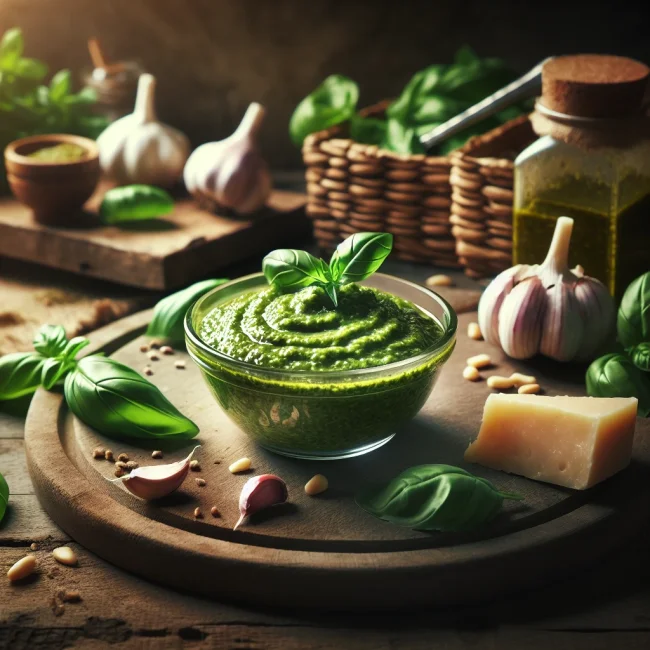
Traditional Pesto
Discover the authentic taste of Italy with our Traditional Pesto recipe, a vibrant...
View Recipe
Classic Tartar Sauce
Indulge in the rich and tangy flavors of this homemade tartar sauce, perfect for p...
View Recipe