
Traditional Soft Pretzels
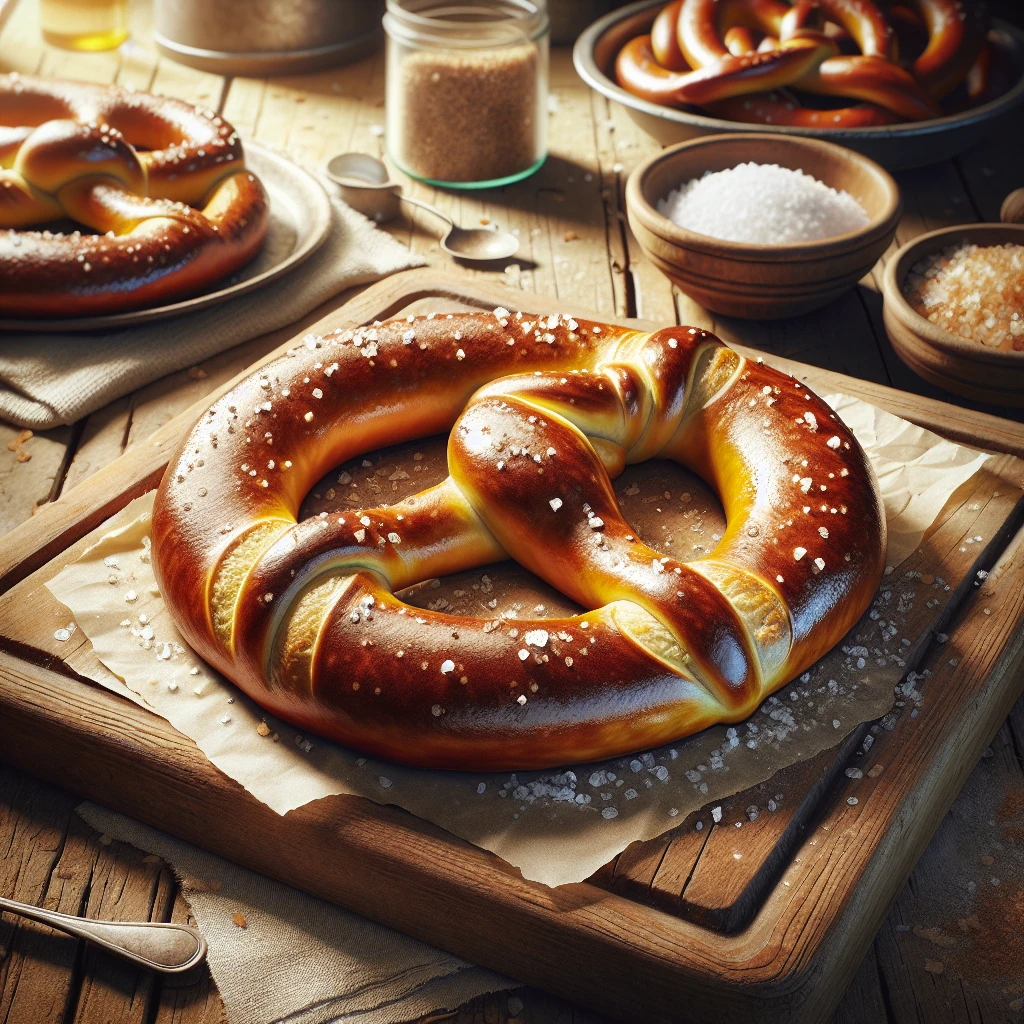
There's something truly special about the aroma of freshly baked pretzels wafting through your home. This traditional soft pretzel recipe captures that authentic, classic flavor, and texture that makes them a crowd-pleaser at any gathering. Perfect for game days, family movie nights, or a satisfying afternoon snack!
 Share
Share
This post may contain affiliate links. As an Amazon Associate, we earn from qualifying purchases.
Ingredients for Traditional Soft Pretzels
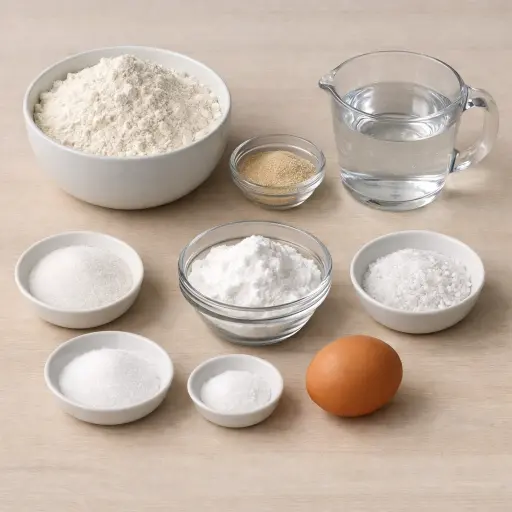
All-purpose flour forms the backbone of our dough, providing structure and a chewy bite. Active dry yeast is what gives our pretzels their lovely rise and fluffy texture. The warm water, at just the right temperature, wakes up the yeast, making it lively and effective. A bit of sugar feeds the yeast, while salt enhances the flavor of the pretzels. When it comes to achieving that classic pretzel exterior, baking soda is key; it creates the alkaline water bath that gives pretzels their unique color and texture. Finally, an egg wash provides a glossy finish and helps the coarse salt stick for that essential salty kick.
Why This Traditional Soft Pretzels Works
Warm water wakes up the yeast, and the sugar gives it something to eat. After a few minutes, the yeast starts to foam, which means it is alive and filling the water with tiny gas bubbles. Once the flour and salt go in and the dough is kneaded, those bubbles get trapped inside stretchy gluten. Over time in the warm spot, the dough slowly puffs up as more gas fills those little pockets, so the pretzels bake up soft instead of dense.
During the quick boil in the baking soda water, the outside of each shaped pretzel tightens and becomes a little chewy, while the inside stays soft. That hot alkaline water also roughens the surface a bit, so the pretzels brown fast in the oven. In the oven, the dough finishes rising, then sets in place as it bakes, locking in the soft middle. The egg wash sticks to the surface, giving a shiny, deep golden crust and holding on to the coarse salt so it stays put when the pretzels are moved.
Traditional Soft Pretzels Tips & Tricks
- Ensure your water is at the right temperature for the yeast — too hot will kill it, too cold will slow it down.
- For a more pronounced pretzel flavor, increase the baking soda in the water bath to 3/4 cup.
- If you find dough sticking to your hands, lightly dust them with flour while shaping the pretzels.
- Experiment with toppings like sesame seeds, poppy seeds, or even cinnamon sugar for a sweet twist.
Mistakes To Avoid
Letting the water be too hot when mixing the yeast can kill it. The mixture never gets frothy, the dough barely rises, and the pretzels bake up dense and tough instead of light and chewy.
Adding all the flour at once and not kneading long enough leaves the dough stiff and lumpy. The gluten doesn’t stretch properly, so the ropes crack while shaping and the baked pretzels feel bready and dry instead of stretchy inside.
Skipping the rise or cutting it short means the dough doesn’t fill with enough air. In the oven, the pretzels stay small and tight, with a heavy, tight crumb instead of that soft, pull-apart texture.
Letting the pretzels sit too long after the baking soda boil makes them sticky and wrinkled. The surface starts to absorb water again, so they bake up with a dull, patchy crust instead of a smooth, deep brown skin.
Boiling in plain water instead of the baking soda bath changes the crust completely. The pretzels come out pale and soft on the outside, more like regular bread rolls than classic chewy pretzels.
Equipment Used:
Mixing bowl, Large pot, Baking sheets, Parchment paper, Wire rack
Ingredients
- 4 cups all-purpose flour
- 1 packet active dry yeast (2 1/4 teaspoons)
- 1 1/2 cups warm water (110°F)
- 1 tablespoon sugar
- 1 teaspoon salt
- 2/3 cup baking soda
- 1 egg (for egg wash)
- Coarse salt (for sprinkling)
Step-by-step Instructions
- 1. In a large mixing bowl, dissolve yeast and sugar in warm water and let it sit until frothy, about 5 minutes.
- 2. Add flour and salt to the yeast mixture, and knead the dough until smooth and elastic, approximately 10 minutes.
- 3. Place the dough in a lightly oiled bowl, cover it with a cloth, and let it rise in a warm place for 1 hour or until doubled in size.
- 4. Preheat your oven to 450°F (232°C) and line two baking sheets with parchment paper.
- 5. In a large pot, bring 8 cups of water and baking soda to a boil.
- 6. Divide the dough into 12 equal pieces, roll each piece into a 20-inch rope, and shape into pretzels.
- 7. Boil pretzels in the baking soda solution for 30 seconds on each side, then place them on the prepared baking sheets.
- 8. Brush each pretzel with beaten egg and sprinkle with coarse salt.
- 9. Bake in the preheated oven for 12-15 minutes or until golden brown.
- 10. Let cool slightly on a wire rack before serving.
Trending Now
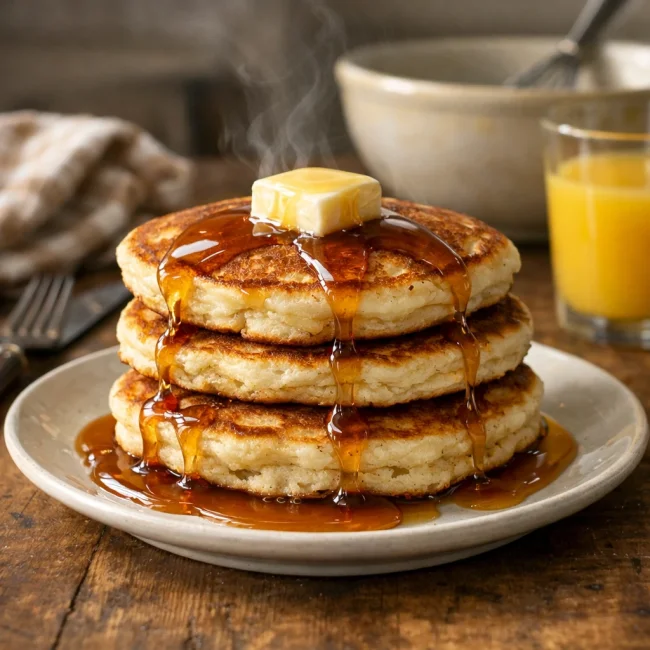
Old-Fashioned Pancakes
Relish in the simplicity and comfort of homemade old-fashioned pancakes, perfect f...
View Recipe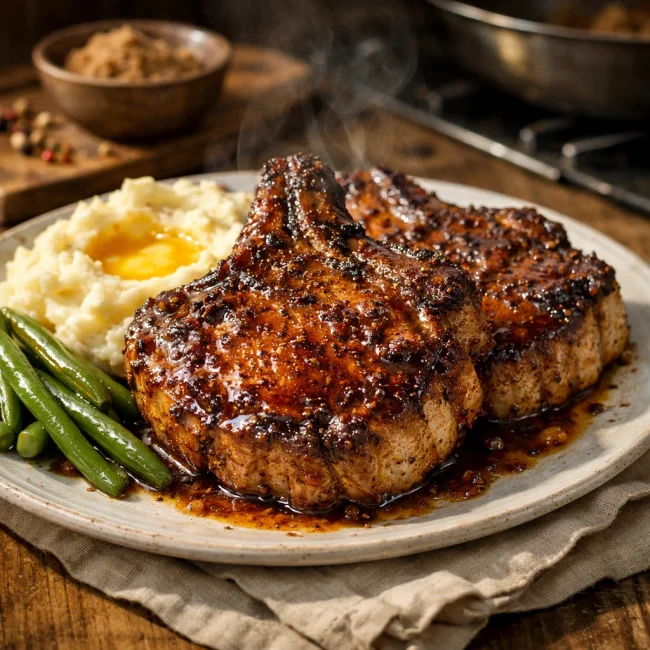
Spiced Brown Sugar Pork Chops
A delightful twist on traditional pork chops, featuring a brown sugar glaze mixed ...
View Recipe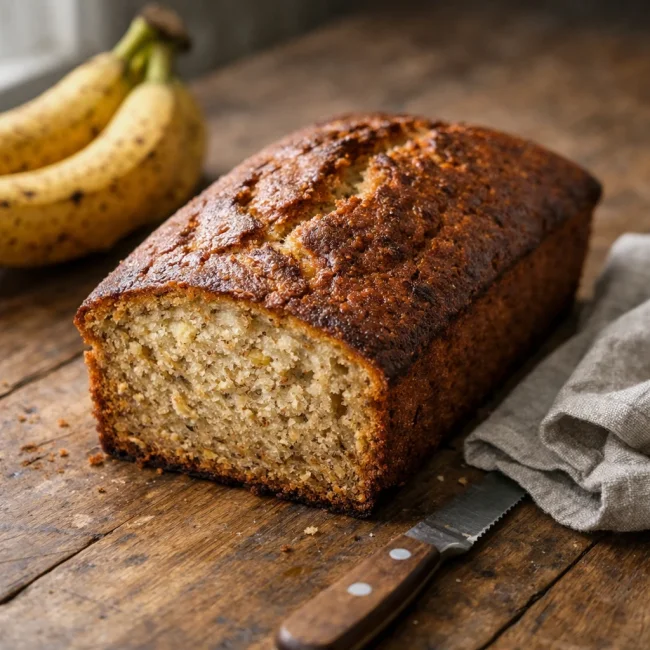
Moist Banana Loaf
Discover the timeless charm of our Moist Banana Loaf, a luscious and tender treat ...
View Recipe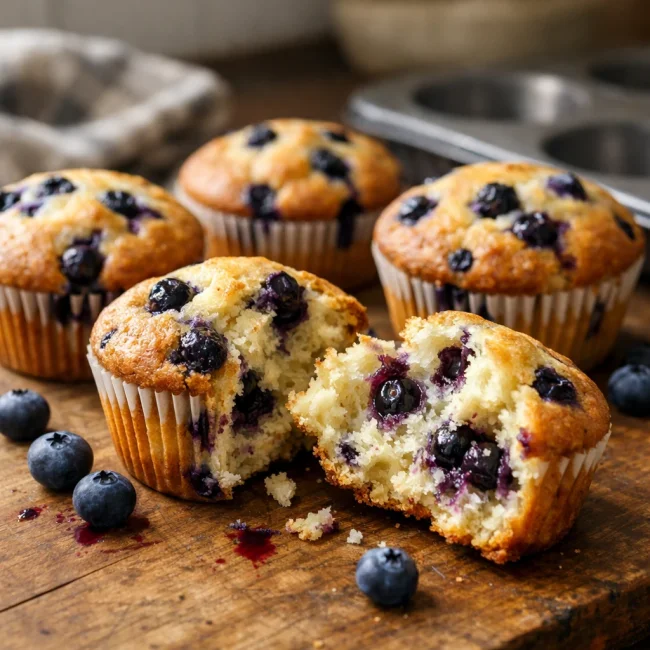
Classic Blueberry Muffins
Deliciously moist and fluffy, these classic blueberry muffins are bursting with fr...
View RecipeFrequently Asked Questions
- Can I use instant yeast instead of active dry yeast?
- Yes, you can substitute instant yeast directly without proofing it in water. Just mix it with the dry ingredients and proceed.
- Can I freeze these pretzels?
- Absolutely! You can freeze them after baking. Just let them cool completely, then wrap them tightly and store in the freezer. Reheat in the oven for best results.
- What if I don't have coarse salt?
- If coarse salt isn't available, kosher salt is a good alternative, providing that same satisfying crunch.
Serving Ideas for Traditional Soft Pretzels
These pretzels pair wonderfully with a variety of dips such as mustard, cheese sauce, or even a sweet option like chocolate spread. For a full meal, serve alongside a hearty soup or a fresh salad. They're also a fantastic addition to a charcuterie board, offering a homemade touch to your spread.
More Snacks Recipes
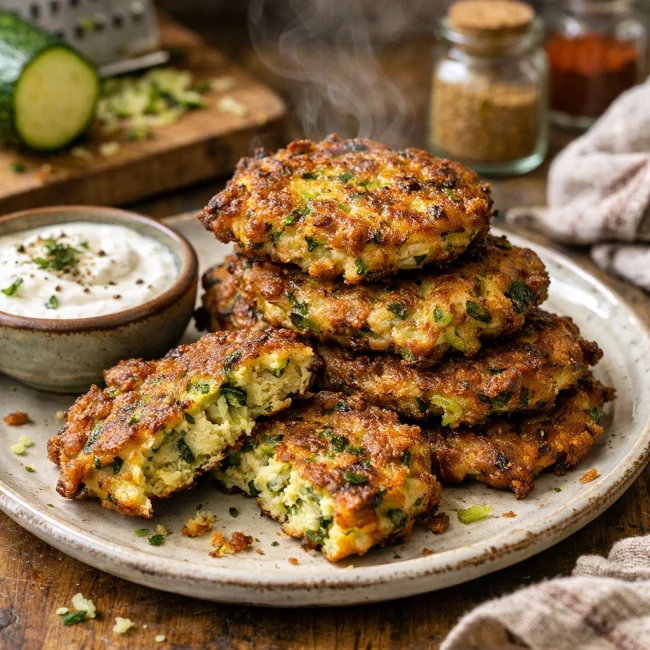
Spiced Zucchini Fritters
Discover the delightful taste of our Spiced Zucchini Fritters, a crispy and savory...
View Recipe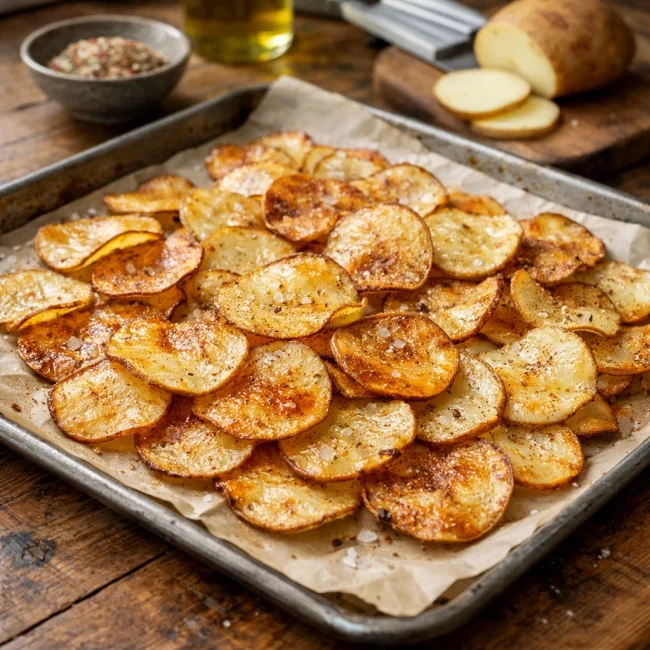
Baked Potato Chips
Crispy and flavorful baked potato chips are the perfect guilt-free snack. These ho...
View Recipe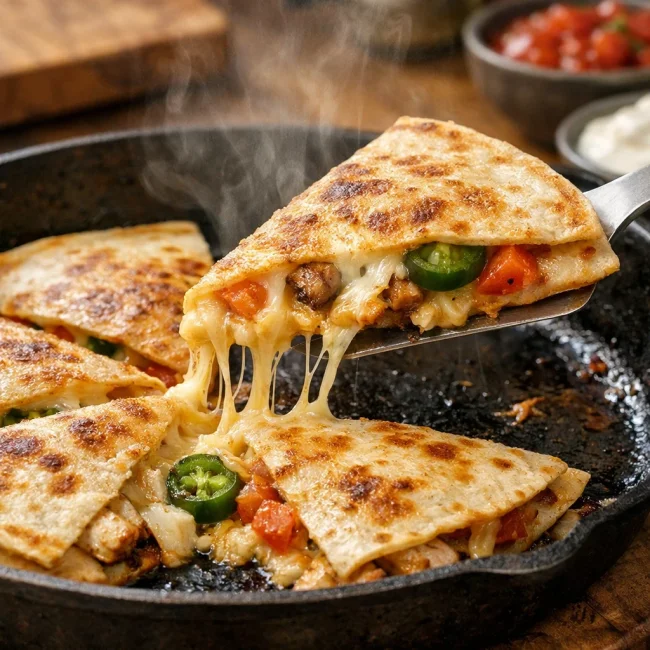
Cheesy Quesadillas
These quick and simple cheesy quesadillas are a perfect meal or snack, filled with...
View Recipe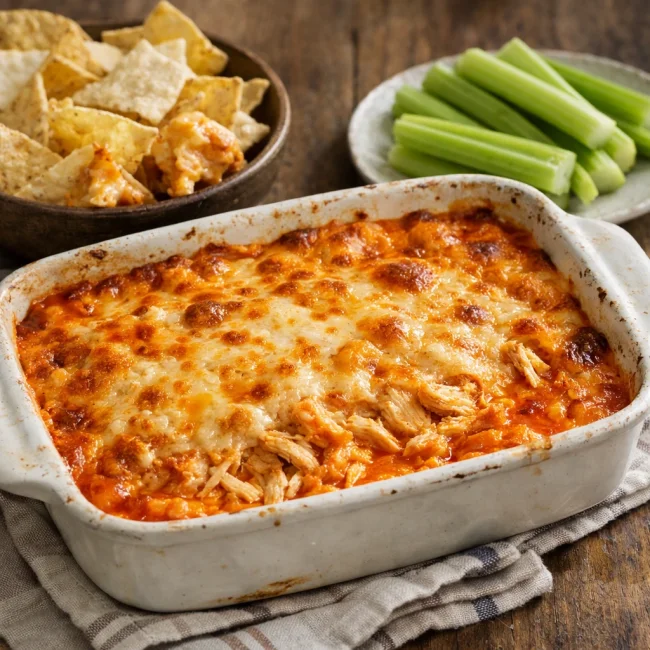
Buffalo Chicken Dip
Experience the ultimate game-day snack with this luscious Buffalo Chicken Dip, ble...
View Recipe