
Traditional Skillet Cabbage
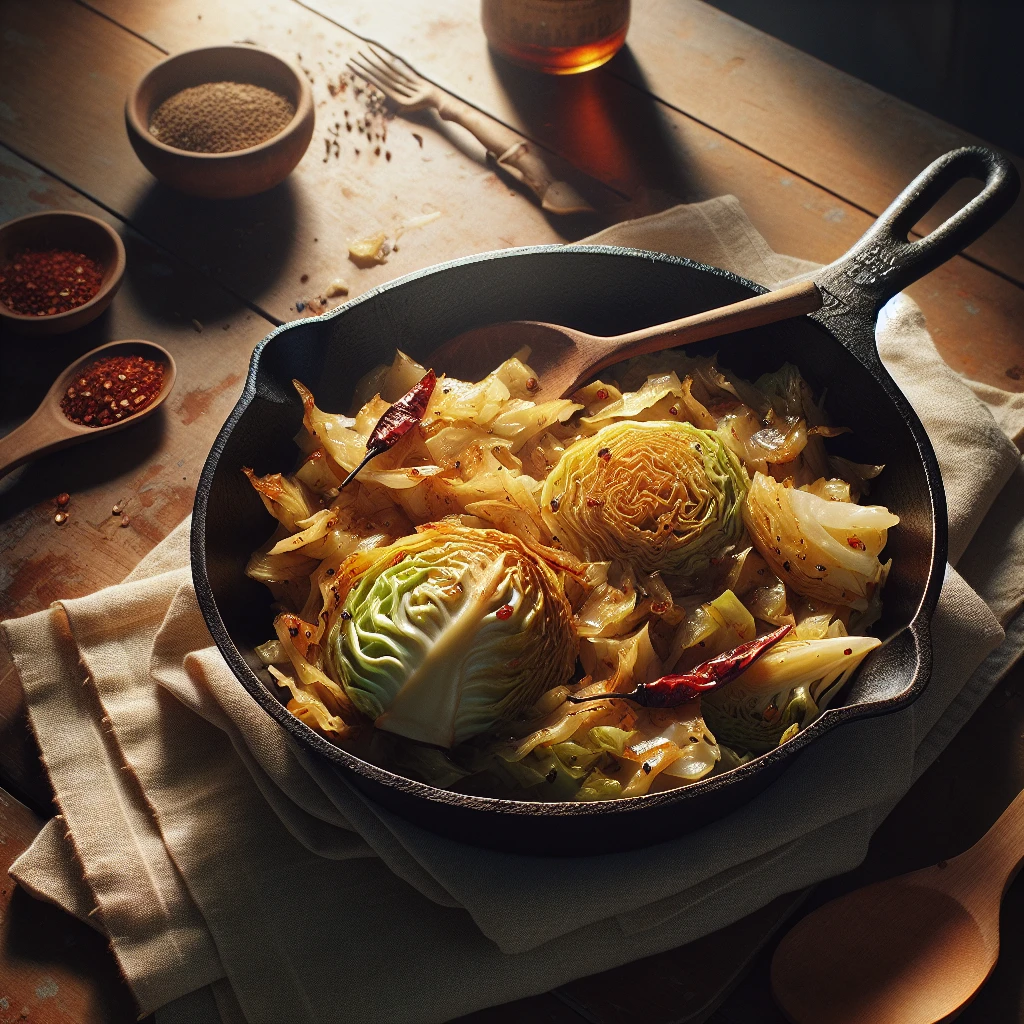
If you're looking for a simple yet flavorful way to enjoy cabbage, this Traditional Skillet Cabbage is a must-try. It's a comforting dish that pairs the earthy flavor of cabbage with the smoky goodness of bacon, making it a perfect side for any meal.
 Share
Share
This post may contain affiliate links. As an Amazon Associate, we earn from qualifying purchases.
Ingredients for Traditional Skillet Cabbage
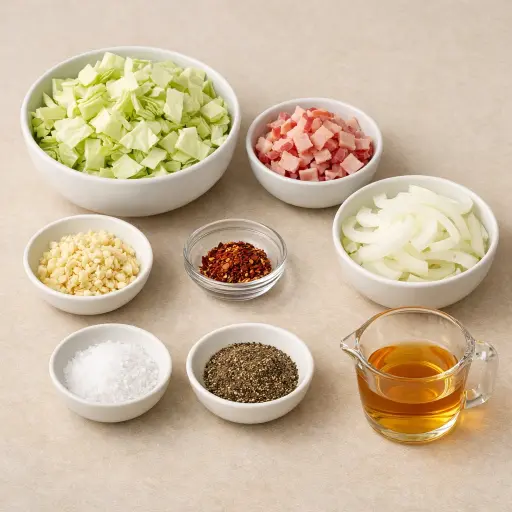
Cabbage: The star of this dish, it's nutritious, affordable, and takes on the flavors of the other ingredients beautifully.
Bacon: Adds a smoky, savory element and provides fat for cooking the onions and cabbage.
Onion: Offers sweetness and depth, balancing out the smoky bacon and earthy cabbage.
Garlic: Enhances the flavor profile with its rich, aromatic notes.
Red pepper flakes: Just a pinch adds a gentle warmth without overpowering the dish.
Apple cider vinegar: Brightens up the dish, adding a tangy contrast to the other flavors.
Salt and black pepper: Essential for seasoning, bringing all the flavors together.
Why This Traditional Skillet Cabbage Works
Bacon goes in first so the fat can melt out into the skillet. That melted bacon fat coats the onion and cabbage later, so they soften instead of drying out or burning. As the bacon browns, it also leaves little browned bits on the bottom of the pan that will mix into the cabbage as it cooks.
Once the onion hits the pan, it sits in that hot fat and slowly softens. After a few minutes it starts to taste sweeter, which keeps the cabbage from tasting flat. Garlic and red pepper flakes go in next, and the heat wakes them up quickly, so they spread through the whole pan instead of staying in one spot.
When the chopped cabbage goes in, it looks like way too much. Over time, the heat drives off some of the water inside the cabbage, so it shrinks down and gets tender but not mushy. At the end, a splash of apple cider vinegar cuts through the bacon fat and brightens everything, and the crisp bacon stirred back in adds a salty, crunchy bite against the soft cabbage.
Traditional Skillet Cabbage Tips & Tricks
- If your cabbage is larger than medium, just use half to avoid overcrowding the skillet.
- For a vegetarian version, skip the bacon and use olive oil instead.
- To make chopping cabbage easier, cut it into quarters and remove the core before slicing.
Mistakes To Avoid
Letting the cabbage overcook in the skillet turns it from tender to limp and soggy. The shreds start to release a lot of water, shrink down too much, and lose any slight bite. The final dish ends up wet at the bottom of the pan and feels mushy instead of pleasantly soft.
Starting the onions in a pan that is too hot can burn the edges before the centers soften. Once they get dark and dry on the outside, they stop softening properly and leave hard, bitter bits mixed in with the cabbage. The finished skillet then has tough, almost burnt onion pieces scattered through it.
Adding the garlic at the same time as the onions often leads to scorched garlic. It sits in the hot fat too long, turns dark brown, and becomes harsh. Those tiny burnt bits spread through the cabbage and give the whole pan an unpleasant, sharp taste.
Skipping the vinegar at the end leaves the dish tasting flat and heavy. Without that quick splash, the bacon fat and soft cabbage can feel greasy on the tongue. The skillet cabbage then eats more like a greasy side than a bright, balanced one.
Equipment Used:
Ingredients
- 1 medium head cabbage, chopped
- 4 slices bacon, chopped
- 1 medium onion, sliced
- 2 cloves garlic, minced
- 1/4 teaspoon red pepper flakes
- Salt, to taste
- Black pepper, to taste
- 1 tablespoon apple cider vinegar
Step-by-step Instructions
- 1. In a large skillet over medium heat, cook the chopped bacon until crisp. Remove bacon and set aside, leaving the drippings in the pan.
- 2. Add the sliced onion to the skillet and sauté until translucent, about 5 minutes.
- 3. Stir in minced garlic and red pepper flakes, cooking for another minute until fragrant.
- 4. Add the chopped cabbage to the skillet, stirring to combine with the onion mixture. Cook until the cabbage is tender, about 10-15 minutes.
- 5. Season with salt and black pepper to taste. Stir in apple cider vinegar and the cooked bacon. Serve warm.
Trending Now
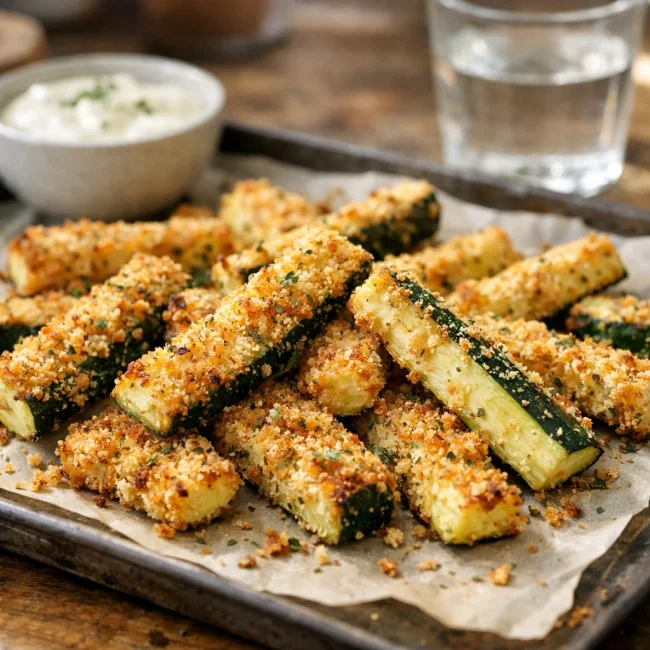
Zucchini Fries
Crispy oven-baked zucchini fries with a golden crust, perfect for a healthy snack ...
View Recipe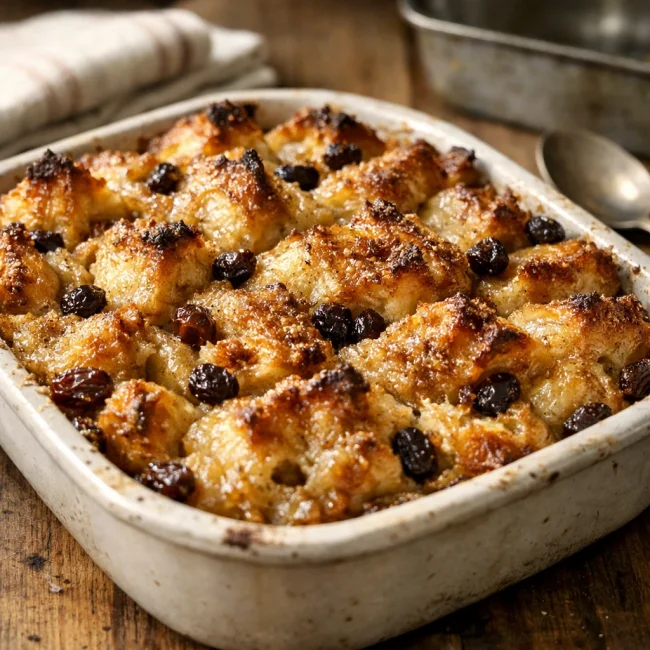
Old-Fashioned Bread Pudding
Discover the classic charm of Old-Fashioned Bread Pudding - a timeless dessert com...
View Recipe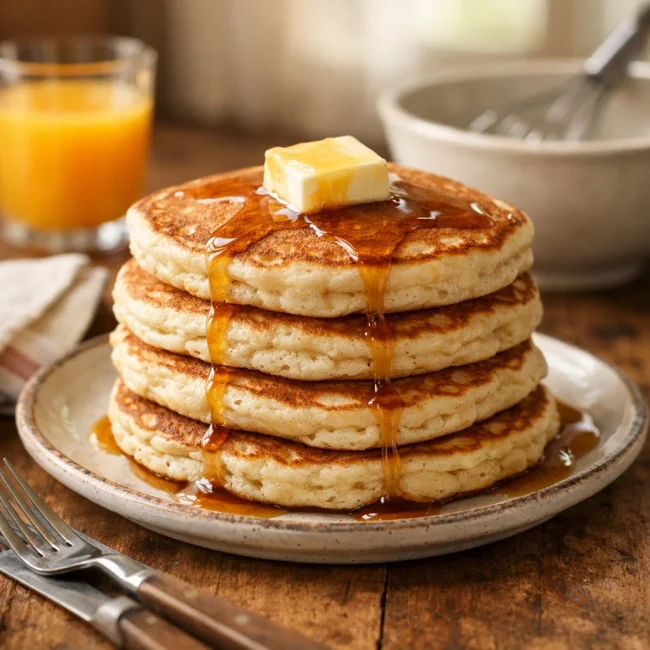
Traditional Fluffy Pancakes
Discover the perfect start to your morning with our Traditional Fluffy Pancakes, a...
View Recipe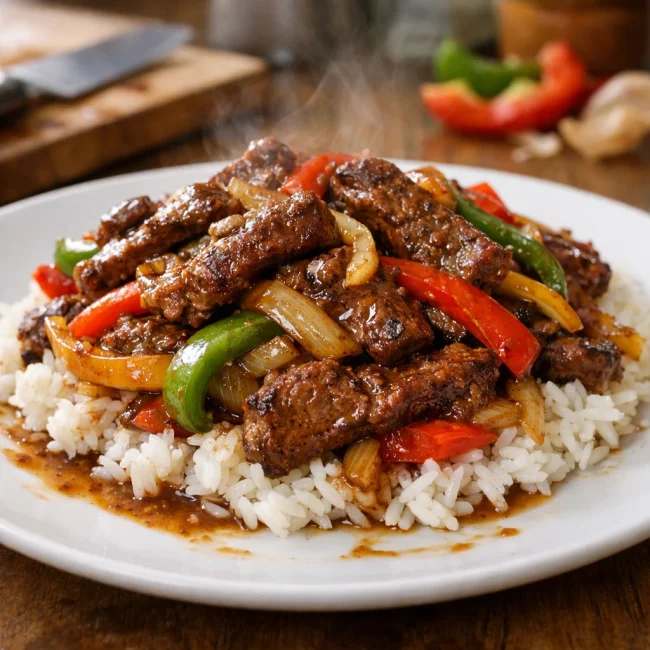
Traditional Pepper Steak
A timeless savory dish, Traditional Pepper Steak features juicy beef strips cooked...
View RecipeFrequently Asked Questions
- Can I use turkey bacon instead of regular bacon?
- Yes, turkey bacon can be used, although you might need to add a bit of oil since it contains less fat.
- How do I store leftovers?
- Store any leftovers in an airtight container in the refrigerator for up to 3 days. Reheat gently on the stove or in the microwave.
- Can I add other vegetables?
- Absolutely! Carrots or bell peppers make great additions.
Serving Ideas for Traditional Skillet Cabbage
Pair this skillet cabbage with roasted chicken or pork chops for a hearty meal. It also works well as a side dish for grilled sausages or even alongside a simple omelet for breakfast.
More Side Dishes Recipes
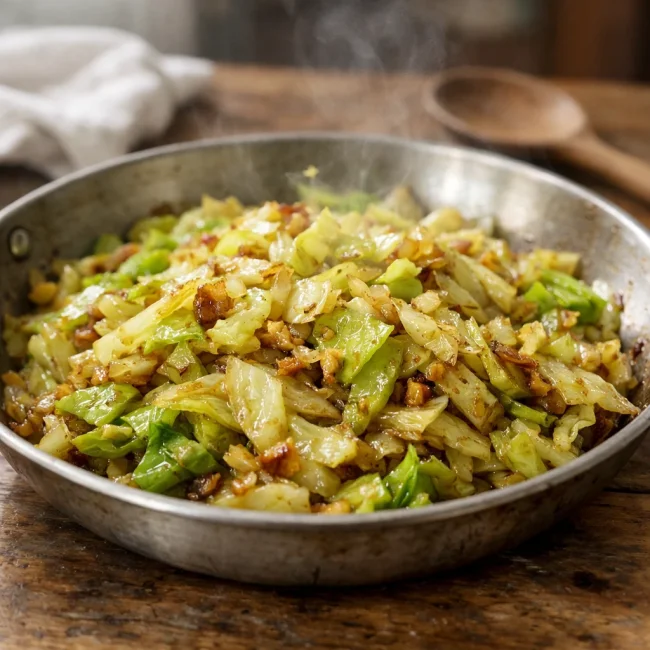
Savory Sautéed Cabbage
This savory sautéed cabbage dish brings out the natural sweetness and crispness of...
View Recipe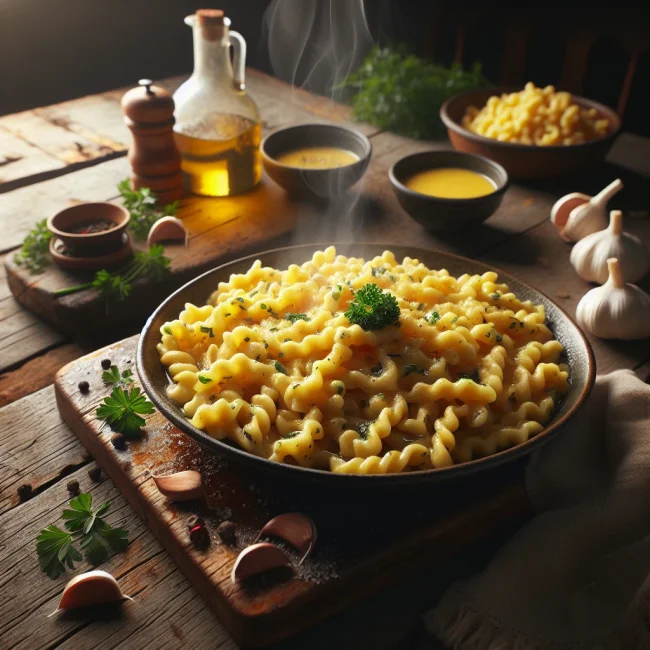
Herbed Spaetzle with Garlic Butter
Discover the delightful twist on traditional German Spaetzle with this easy-to-mak...
View Recipe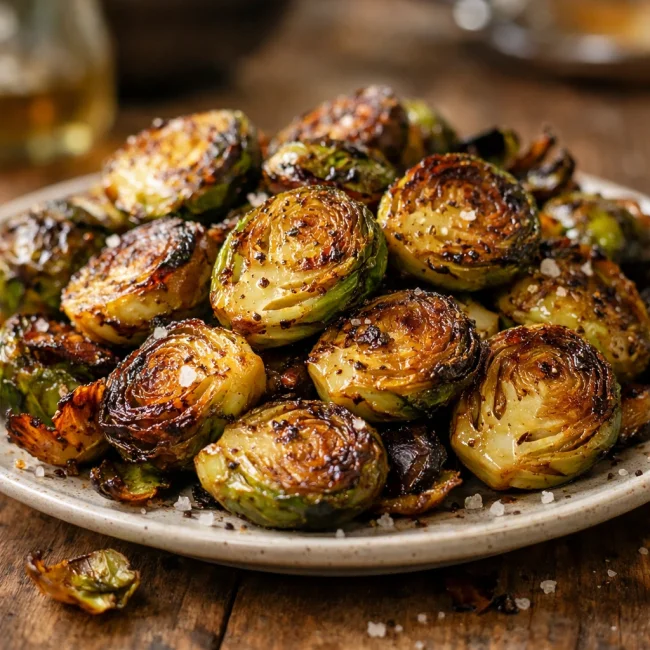
Golden Crispy Brussels Sprouts
Delight in the golden perfection of these crispy Brussels sprouts, a delightful si...
View Recipe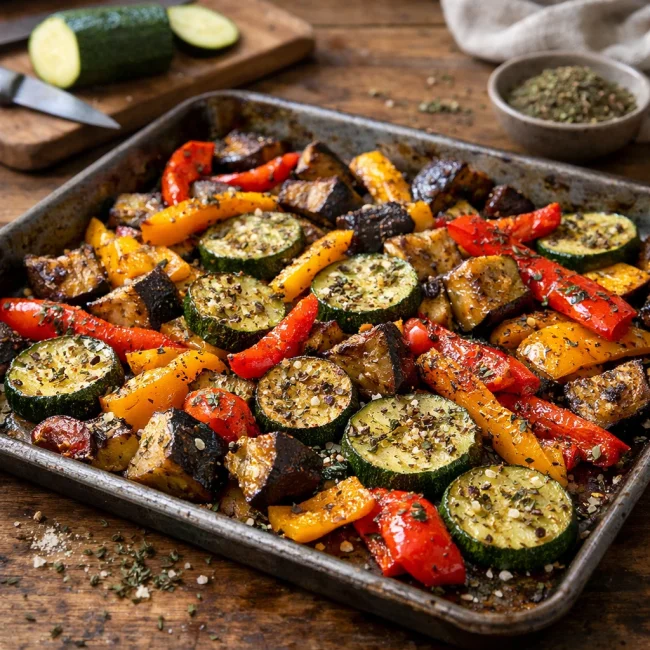
Marjoram-Seasoned Roasted Vegetables
Marjoram-Seasoned Roasted Vegetables bring a delightful floral note to roasted zuc...
View Recipe