
Traditional Roast Rib of Beef
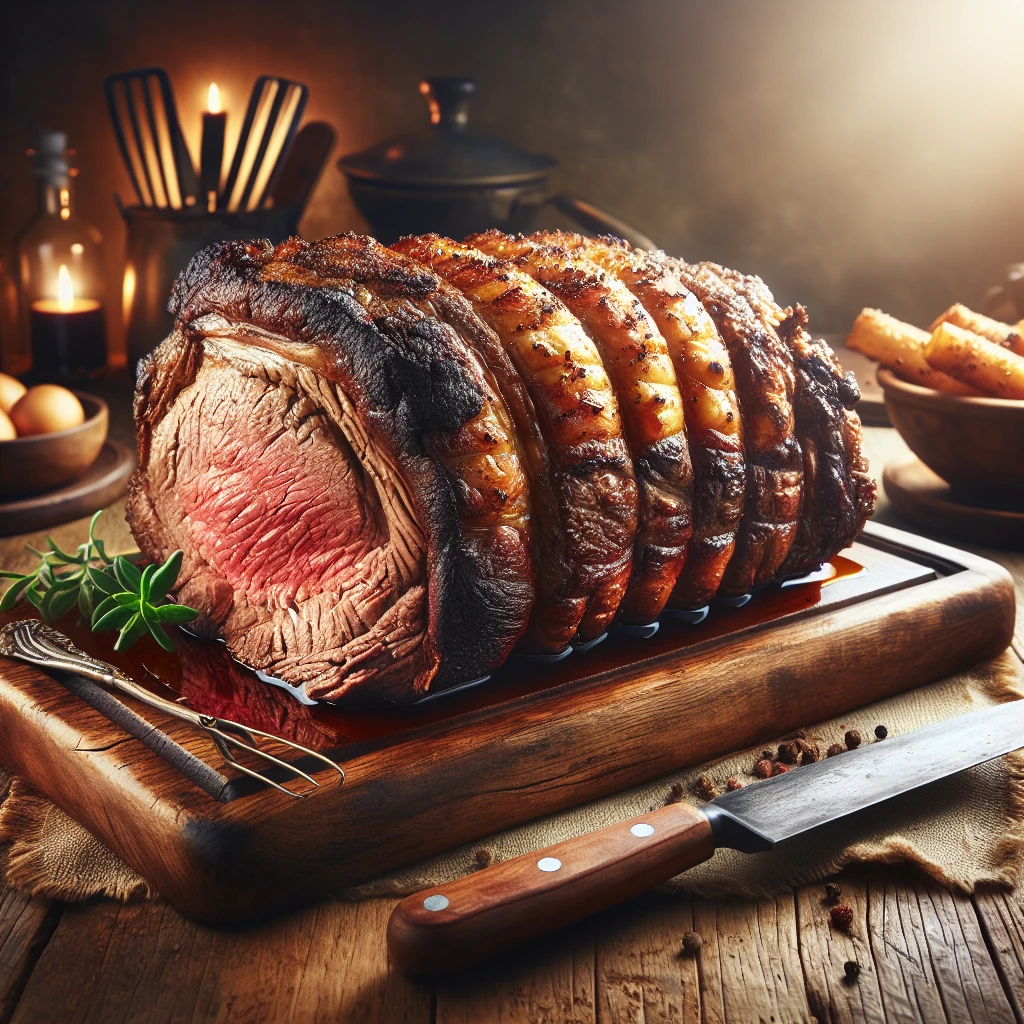
Welcome to a culinary classic that never goes out of style: the Traditional Roast Rib of Beef. This recipe is all about simplicity and rich flavors, perfect for a Sunday dinner or a special occasion. With just a few quality ingredients, you’ll create a mouthwatering centerpiece that’s sure to impress.
 Share
Share
This post may contain affiliate links. As an Amazon Associate, we earn from qualifying purchases.
Ingredients for Traditional Roast Rib of Beef
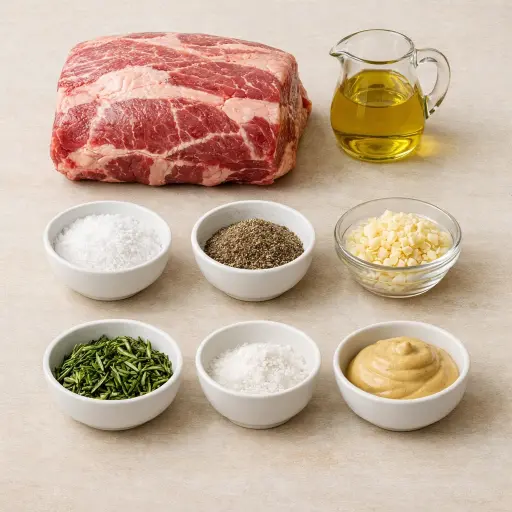
The star of the show is the beef rib roast, known for its tenderness and rich flavor. It’s essential to choose a good quality roast, as it makes all the difference. The olive oil helps the seasoning adhere and contributes to a crispy crust. Kosher salt is perfect for drawing out the natural flavors of the beef without overpowering it. A touch of black pepper adds warmth and depth. The garlic and rosemary provide aromatic notes that pair beautifully with the beef. Finally, the Dijon mustard adds a subtle tang and helps create that crave-worthy crust.
Why This Traditional Roast Rib of Beef Works
In the hot oven, the outside of the beef hits that 450°F blast and browns fast. The surface dries a bit, the fat on the outside starts to melt, and a crust forms. That crust acts like a thin shell, so the juices inside the roast don’t run out right away. While that’s happening, the garlic, rosemary, mustard, salt, and pepper stick to the oiled meat and bake onto the surface instead of sliding off.
After that first high-heat stage, the lower 325°F heat works its way slowly toward the center. The middle of the roast warms up gently, so the meat cooks through without drying out. As it cooks, the fat inside the rib roast softens and spreads through the meat, so the slices stay juicy and tender. When the roast comes out of the oven and rests, the hot juices settle back into the meat instead of spilling onto the cutting board, so each slice stays moist.
Traditional Roast Rib of Beef Tips & Tricks
- Always use a meat thermometer for accuracy — it’s the best way to avoid overcooking.
- Letting the roast rest is non-negotiable; it’s the secret to juicy beef.
- If you prefer a stronger rosemary flavor, add a sprig or two to the pan while roasting.
- Ensure your roasting pan has good airflow; this helps with even cooking.
Mistakes To Avoid
Letting the roast stay in the oven until it “looks done” instead of checking the internal temperature often leads to dry, gray meat. The outside keeps cooking and tightening while the center goes past medium-rare. The final roast slices up firm and chewy instead of tender and rosy in the middle.
Starting with a wet roast is another common problem. When the surface isn’t patted dry, the moisture steams instead of letting the outside brown quickly. The crust turns out pale and soft, and the fat doesn’t render as nicely.
Skipping the hot 450°F blast at the beginning changes the whole texture. Without that first high heat, the outside doesn’t form a good crust and the fat cap just slowly softens. The roast ends up evenly colored but a bit rubbery on the outside instead of having a crisp, browned layer.
Carving right away instead of resting the meat causes a lot of juice to run out onto the board. The inside then turns slightly dull and dry, and the slices lose that plump, juicy feel.
Equipment Used:
Ingredients
- 1 beef rib roast (about 6 pounds)
- 2 tablespoons olive oil
- 2 teaspoons kosher salt
- 1 teaspoon black pepper
- 4 cloves garlic, minced
- 2 sprigs fresh rosemary, chopped
- 1 tablespoon Dijon mustard
Step-by-step Instructions
- 1. Preheat your oven to 450°F (232°C).
- 2. Pat the beef rib roast dry with paper towels. Rub the entire roast with olive oil.
- 3. In a small bowl, combine the salt, pepper, garlic, rosemary, and Dijon mustard. Rub this mixture evenly over the roast.
- 4. Place the roast on a rack in a roasting pan, with the rib side down.
- 5. Roast in the preheated oven for 15 minutes to create a flavorful crust.
- 6. Reduce the oven temperature to 325°F (163°C) and continue roasting for approximately 1.5 to 2 hours, or until the internal temperature reaches 135°F (57°C) for medium-rare, or your desired doneness.
- 7. Remove the roast from the oven and let it rest for at least 20 minutes before carving.
Trending Now
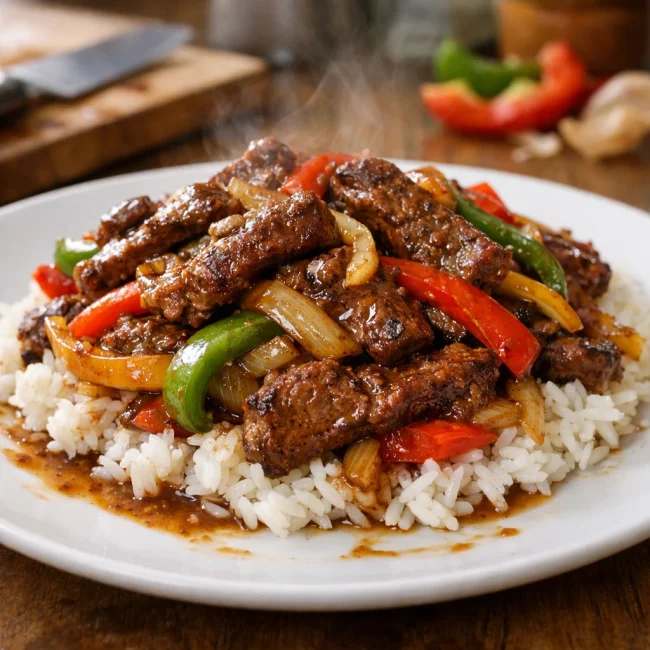
Traditional Pepper Steak
A timeless savory dish, Traditional Pepper Steak features juicy beef strips cooked...
View Recipe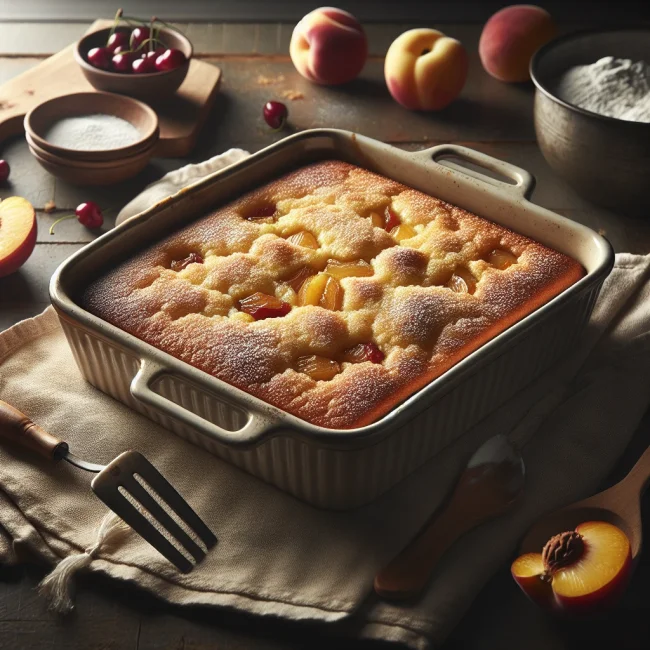
Traditional Dump Cake
Discover the timeless delight of the Traditional Dump Cake, a simple and scrumptio...
View Recipe
Traditional Coleslaw Dressing
A creamy and tangy dressing perfect for bringing out the best in your coleslaw. Th...
View Recipe
Old-Fashioned Salmon Patties
Experience the rich and savory flavors of these Old-Fashioned Salmon Patties, a de...
View RecipeFrequently Asked Questions
- Can I use a boneless rib roast?
- Absolutely! Just adjust the cooking time slightly, as boneless roasts may cook faster.
- What if I don't have fresh rosemary?
- Dried rosemary works too; just use about half the amount, as it's more concentrated.
- How can I make the crust even crispier?
- Make sure the roast is very dry before adding the seasoning and oil. A quick sear in a hot pan before roasting can also help.
Serving Ideas for Traditional Roast Rib of Beef
This roast pairs wonderfully with creamy mashed potatoes or a hearty root vegetable medley. For a fresh contrast, serve it alongside a simple arugula salad with lemon vinaigrette. A robust red wine, like a Cabernet Sauvignon, complements the richness of the beef perfectly.
More Main Dishes Recipes
Unique Homemade Corned Beef
Discover the ultimate homemade corned beef recipe that balances rich flavors and t...
View Recipe
Spicy Lime Seared Ahi Tuna
Experience a burst of flavor with our Spicy Lime Seared Ahi Tuna, a perfect fusion...
View Recipe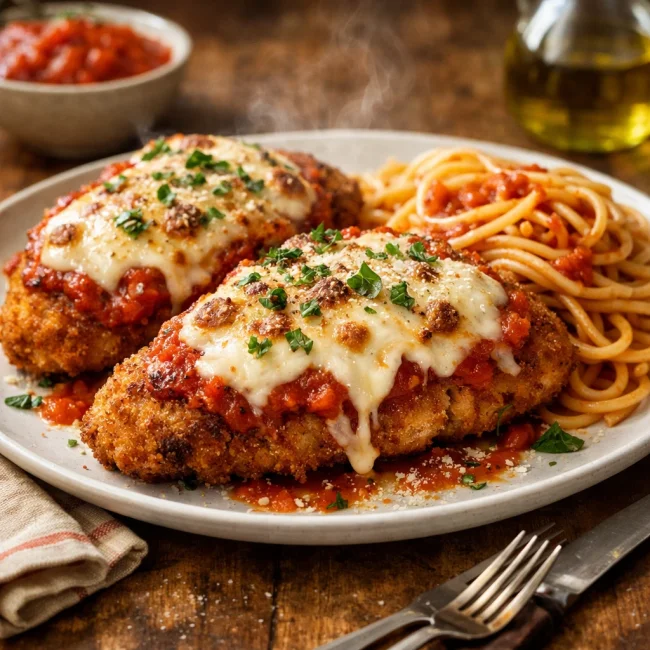
Traditional Chicken Parmesan
Savor the authentic taste of Italian cuisine with our Traditional Chicken Parmesan...
View Recipe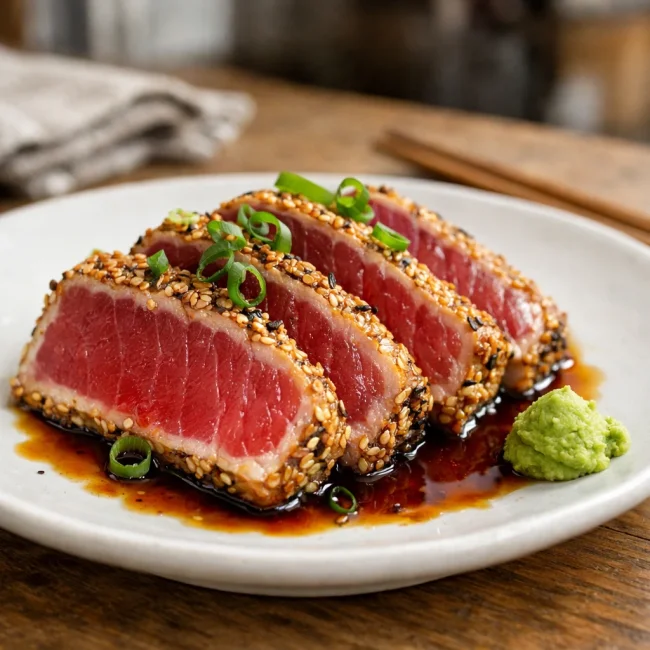
Seared Ahi Tuna
Experience the sublime taste of seared Ahi tuna, a Japanese-inspired dish that hig...
View Recipe