
Traditional Italian Pizza
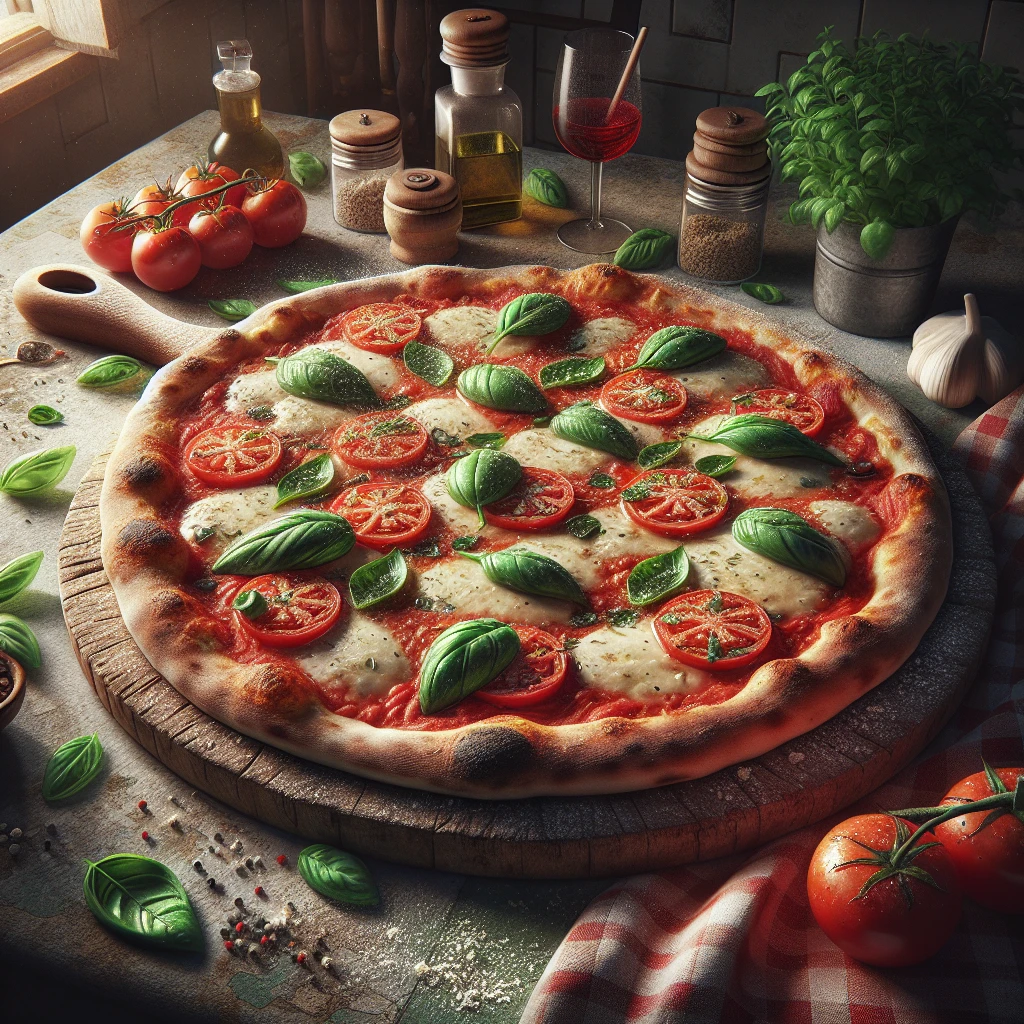
There's something truly magical about a homemade pizza, especially when it’s crafted in the traditional Italian way. This recipe captures the essence of a classic with a perfect balance of simple, fresh ingredients. Once you try it, you'll understand why it's a beloved staple in so many homes.
 Share
Share
This post may contain affiliate links. As an Amazon Associate, we earn from qualifying purchases.
Ingredients for Traditional Italian Pizza
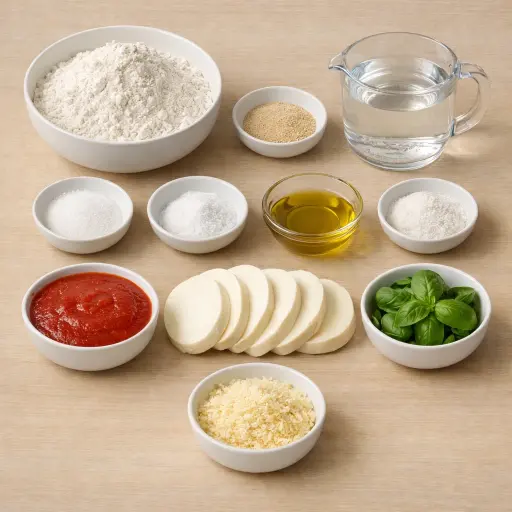
Flour forms the base of your dough, giving structure and texture. For best results, use all-purpose flour for a chewy crust.
Active dry yeast is the leavening agent, helping the dough rise and become light and airy. Make sure it’s fresh for optimal performance.
Warm water activates the yeast. The right temperature—around 110°F—ensures that the yeast works effectively without being killed off.
Sugar feeds the yeast, boosting its activity and helping the dough rise more efficiently.
Salt enhances the flavor of the dough and controls the yeast activity to prevent over-rising.
Olive oil adds richness and keeps the dough tender. It also helps develop a nice crust when baking.
Tomato sauce is the base for your toppings, providing a tangy, flavorful foundation. Choose a sauce with simple, fresh ingredients.
Mozzarella cheese melts beautifully, offering that classic gooey texture you expect from a good pizza.
Fresh basil leaves add a burst of aromatic freshness, perfectly complementing the rich flavors of cheese and sauce.
Parmesan cheese provides an extra layer of savory depth, enhancing the overall flavor profile.
Why This Traditional Italian Pizza Works
When the warm water, yeast, and sugar sit together, the yeast wakes up and starts to bubble. As that frothy liquid goes into the flour and salt, the flour soaks it up and the gluten in the flour starts to stretch. While the dough is kneaded, those gluten strands line up and form a kind of net. That net is what lets the dough stretch without tearing and hold in the gas from the yeast.
During the rise, the yeast keeps eating the sugar and starch in the flour and fills the dough with tiny air pockets. By the time the dough is rolled out, it is soft and stretchy, but it still holds its shape. In the hot oven, the water in the dough turns to steam and those air pockets expand fast. The outside of the dough dries and browns, so the crust stays crisp on the outside while the inside stays a little chewy. Meanwhile, the cheese melts and spreads into the tomato sauce, and the fresh basil goes on at the end so it stays bright and doesn’t wilt too much.
Traditional Italian Pizza Tips & Tricks
- If your dough is sticky, add a bit more flour, a tablespoon at a time, until it's manageable.
- For a crispy crust, try baking your pizza on a preheated pizza stone.
- Let the pizza cool for a few minutes before cutting to allow the cheese to settle.
- Experiment with different cheese combinations for a unique twist.
Mistakes To Avoid
Letting the water get too hot for the yeast kills it, so the mixture never turns frothy. The dough then stays dense and heavy, doesn’t rise in the bowl, and bakes into a flat, tough crust instead of puffing up in the oven.
Skipping the full kneading time leaves the dough uneven and weak. During baking, the crust can tear in random spots, rise in strange bubbles, and end up chewy in some areas and doughy in others instead of evenly airy.
Rolling the dough too thick in the center means the middle needs more time than the edges. The pizza often comes out with a pale, soft center that still tastes underdone while the outer crust is already firm and starting to harden.
Loading on too much tomato sauce soaks the dough. In the oven, the top looks fine and the cheese melts, but the base stays wet and gummy and can even stick to the pan instead of turning crisp.
Equipment Used:
Ingredients
- 2 cups all-purpose flour
- 1 packet active dry yeast
- 3/4 cup warm water (110°F)
- 1 tsp sugar
- 1 tsp salt
- 2 tbsp olive oil
- 1/2 cup tomato sauce
- 8 oz mozzarella cheese, sliced
- 1/4 cup fresh basil leaves
- 1/4 cup grated Parmesan cheese
Step-by-step Instructions
- 1. In a small bowl, dissolve the yeast and sugar in warm water and let it sit until it becomes frothy, about 5 minutes.
- 2. In a large bowl, combine flour and salt. Add the yeast mixture and olive oil, then knead the dough until smooth and elastic, about 10 minutes.
- 3. Place the dough in a lightly oiled bowl, cover with a damp cloth, and let it rise in a warm place until it doubles in size, about 1 hour.
- 4. Preheat your oven to 475°F (245°C).
- 5. Punch down the dough and roll it out on a floured surface to your desired thickness. Transfer to a pizza stone or baking sheet.
- 6. Spread tomato sauce evenly over the dough, then layer with mozzarella slices and sprinkle Parmesan on top.
- 7. Bake in the preheated oven until the crust is golden brown and the cheese is bubbly, about 12-15 minutes.
- 8. Remove from the oven and scatter fresh basil leaves over the top before serving.
Trending Now
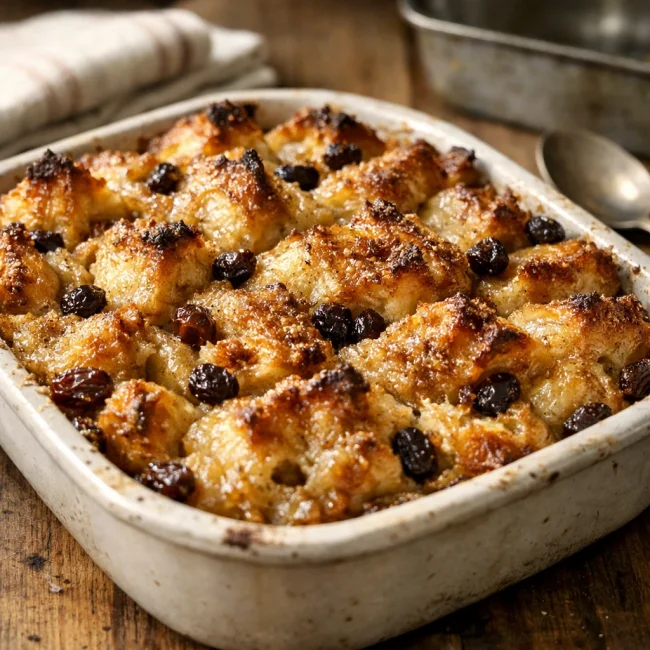
Old-Fashioned Bread Pudding
Discover the classic charm of Old-Fashioned Bread Pudding - a timeless dessert com...
View Recipe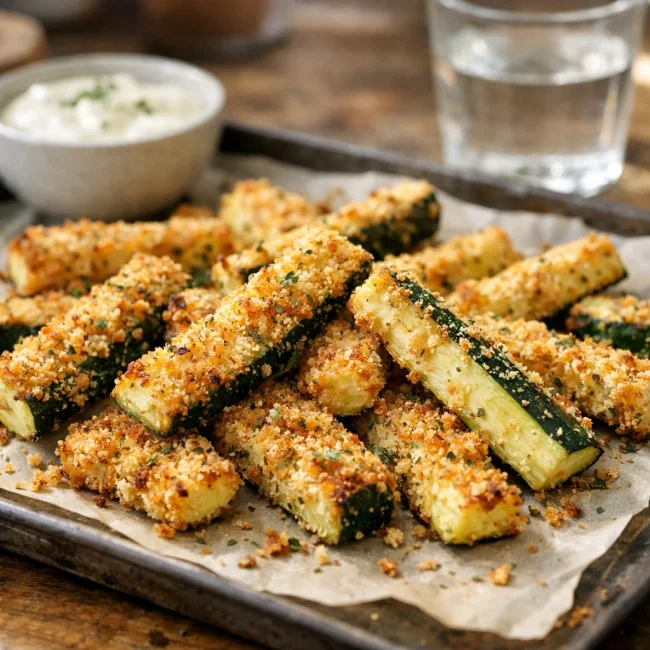
Zucchini Fries
Crispy oven-baked zucchini fries with a golden crust, perfect for a healthy snack ...
View Recipe
Traditional Fluffy Pancakes
Discover the perfect start to your morning with our Traditional Fluffy Pancakes, a...
View Recipe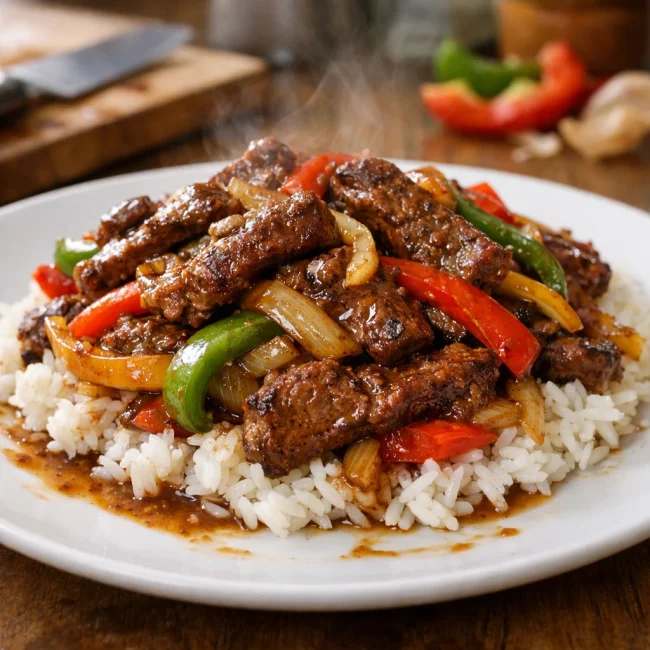
Traditional Pepper Steak
A timeless savory dish, Traditional Pepper Steak features juicy beef strips cooked...
View RecipeFrequently Asked Questions
- Can I use whole wheat flour instead of all-purpose flour?
- Yes, you can substitute whole wheat flour, but the texture will be denser. You might want to use half whole wheat and half all-purpose for a lighter crust.
- How can I tell if my yeast is still active?
- If your yeast doesn’t become frothy after 5 minutes in warm water with sugar, it might be inactive. Consider using a fresh packet.
- Can I make the dough ahead of time?
- Absolutely! You can refrigerate the dough after its first rise. Just bring it to room temperature before rolling out.
Serving Ideas for Traditional Italian Pizza
This pizza pairs wonderfully with a simple arugula salad tossed in lemon juice and olive oil. The freshness of the salad complements the rich flavors of the pizza beautifully. A light, crisp white wine or a chilled Italian soda can also be delightful accompaniments.
More Main Dishes Recipes
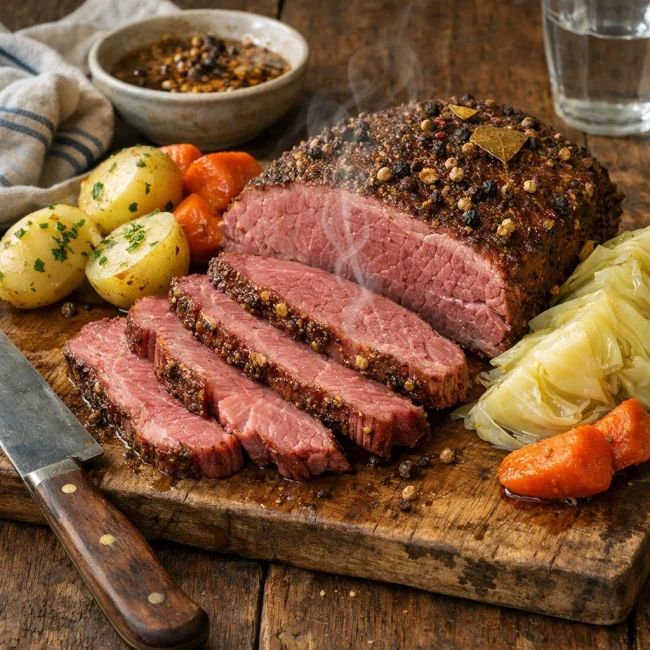
Unique Homemade Corned Beef
Discover the ultimate homemade corned beef recipe that balances rich flavors and t...
View Recipe
Spicy Lime Seared Ahi Tuna
Experience a burst of flavor with our Spicy Lime Seared Ahi Tuna, a perfect fusion...
View Recipe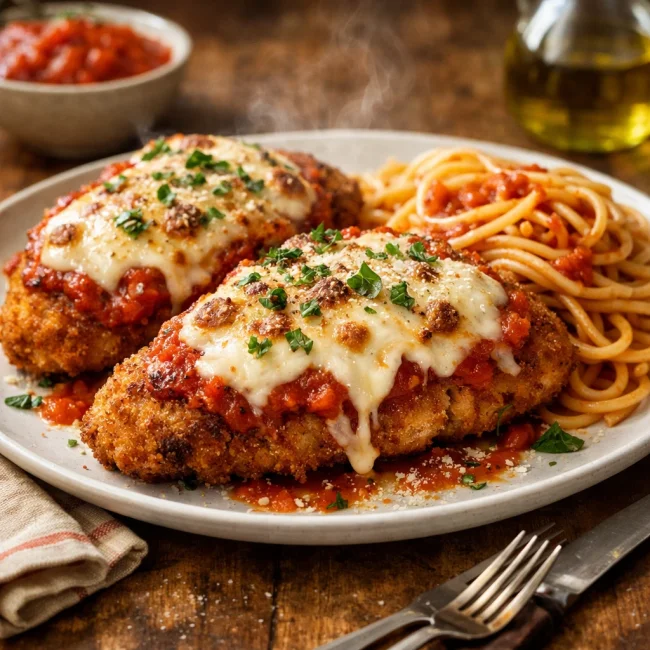
Traditional Chicken Parmesan
Savor the authentic taste of Italian cuisine with our Traditional Chicken Parmesan...
View Recipe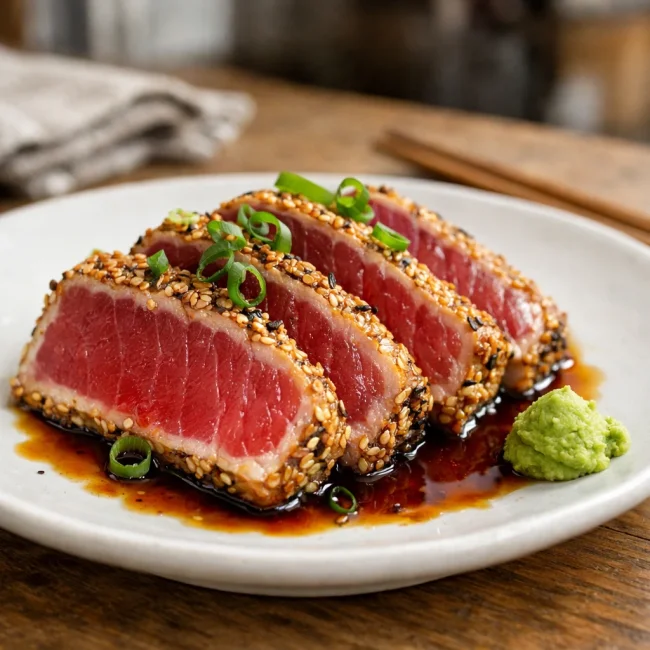
Seared Ahi Tuna
Experience the sublime taste of seared Ahi tuna, a Japanese-inspired dish that hig...
View Recipe