
Timeless Egg Boiling
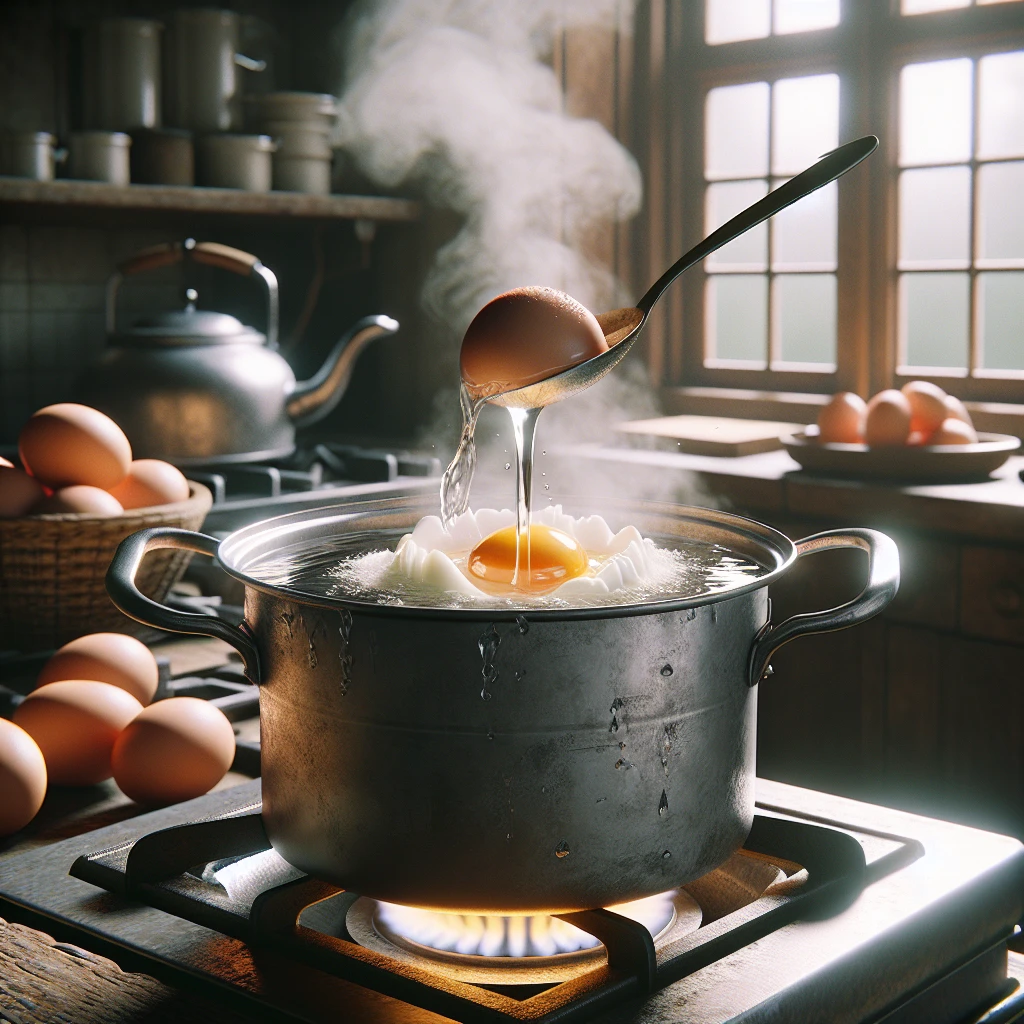
Welcome to the art of boiling eggs — a simple yet essential kitchen skill. This timeless method ensures perfect eggs every time, whether you prefer them soft-boiled or hard-boiled. Mastering this will give you a versatile ingredient for a variety of meals.
 Share
Share
This post may contain affiliate links. As an Amazon Associate, we earn from qualifying purchases.
Ingredients for Timeless Egg Boiling
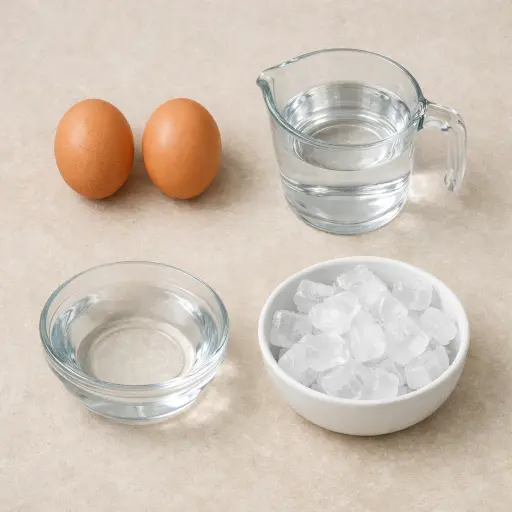
Eggs are the star of this recipe. Use large eggs for best results, as they cook evenly and are easy to manage. Freshness matters less here than with other egg preparations, but slightly older eggs peel more easily after boiling.
Water is necessary for boiling and should cover the eggs by about an inch to ensure even cooking. Using cold water helps control the cooking time once it reaches a boil.
Ice helps stop the cooking process quickly. This is crucial for achieving the desired texture and makes peeling the eggs much easier.
Why This Timeless Egg Boiling Works
As the water comes up to a rolling boil, the eggs warm slowly from the outside in. The whites are the first part to firm up. They go from clear and loose to solid and opaque as the heat moves in. Inside the shell, the yolk is still softer at this point, so it has time to set more gently instead of going dry and chalky.
Once the pan is taken off the heat and covered, the hot water stays around the eggs without bubbling. During this quiet time, the heat keeps moving toward the center. The whites stay tender instead of getting rubbery, and the yolks set to the level of firmness that matches how long they sit in the hot water.
When the eggs go straight into ice water, the cold stops the cooking fast. The yolks stay at the texture they reached in the pot instead of tightening more. Cooling also makes the egg shrink just a bit inside the shell, so the shell peels away more easily.
Timeless Egg Boiling Tips & Tricks
- For easier peeling, crack the eggs gently and roll them under your palm to loosen the shell.
- Start with cold water to prevent the eggs from cracking due to sudden temperature changes.
- If your eggs are too fresh, add a teaspoon of baking soda to the water to help with peeling.
Mistakes To Avoid
Letting the eggs boil the whole time instead of taking the pan off the heat once the water boils makes the eggs cook too hard. The whites turn rubbery and tough, and the yolks can get a gray-green ring and a dry, chalky center.
Starting with water that’s already hot or boiling often leads to cracked shells. The sudden change in temperature shocks the eggs, the shells split, and some of the egg white leaks out into the water, leaving misshapen eggs with rough edges.
Skipping the ice water bath means the eggs keep cooking inside even after they leave the hot pan. The yolks go from creamy to dry, and peeling gets harder because the egg sticks more to the shell.
Pulling the eggs out of the hot water too early, at only a few minutes, leaves the centers soft or even runny. The whites might feel set on the outside but stay a bit loose near the yolk, so the egg doesn’t slice cleanly and can feel underdone.
Ingredients
- 2 large eggs
- Water (enough to cover eggs by 1 inch)
- Ice (for cooling)
Step-by-step Instructions
- 1. Place eggs gently in a saucepan.
- 2. Fill saucepan with water, covering eggs by 1 inch.
- 3. Bring water to a rolling boil over medium-high heat.
- 4. Once boiling, remove saucepan from heat and cover with a lid.
- 5. Let eggs sit in hot water for 9-12 minutes, depending on desired firmness.
- 6. Transfer eggs to a bowl filled with ice water to stop cooking.
- 7. Let cool for 5 minutes before peeling.
Trending Now
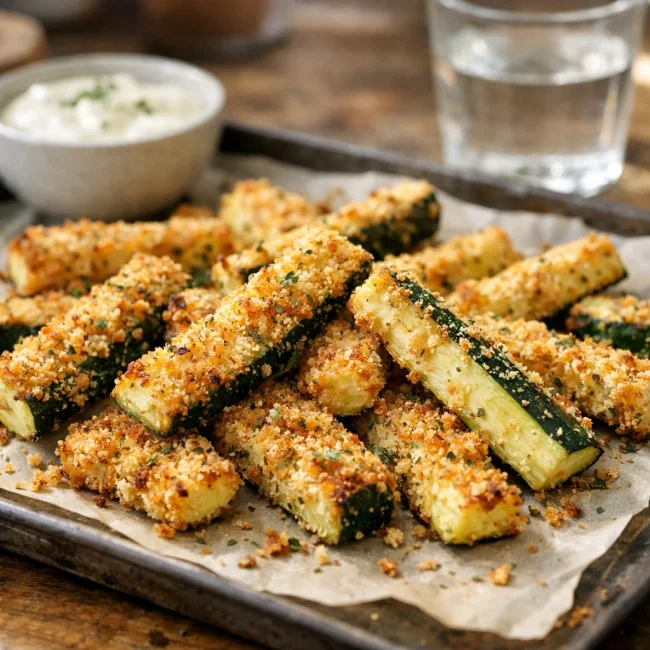
Zucchini Fries
Crispy oven-baked zucchini fries with a golden crust, perfect for a healthy snack ...
View Recipe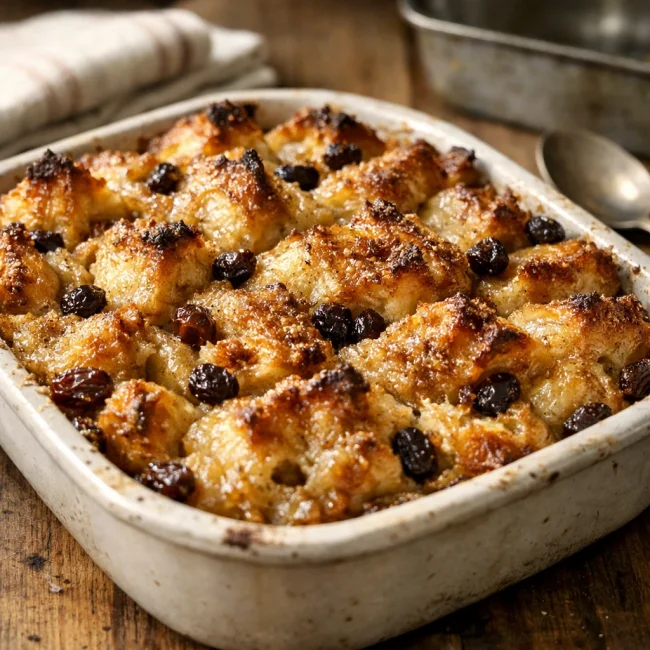
Old-Fashioned Bread Pudding
Discover the classic charm of Old-Fashioned Bread Pudding - a timeless dessert com...
View Recipe
Classic Cinnamon Rolls
Indulge in the sweet embrace of our homemade cinnamon rolls, perfect for breakfast...
View Recipe
Traditional Hollandaise Sauce
Discover the rich and creamy essence of traditional Hollandaise Sauce, perfect for...
View RecipeFrequently Asked Questions
- How can I tell if an egg is boiled without cracking it?
- Spin the egg on a flat surface; if it spins smoothly, it’s boiled. A raw egg will wobble due to its liquid interior.
- What if my eggs crack during boiling?
- Cracks happen sometimes. They’re still safe to eat, though the appearance might be affected.
- How long can I store boiled eggs?
- Boiled eggs can be stored in the refrigerator for up to a week. Keep them unpeeled for best freshness.
Serving Ideas for Timeless Egg Boiling
Boiled eggs are incredibly versatile. Slice them over avocado toast, add them to a Nicoise salad, or simply enjoy them with a sprinkle of salt and pepper. They're also a perfect protein-packed snack on their own.
More Breakfast & Brunch Recipes
Traditional Quiche Lorraine
Experience the classic French Quiche Lorraine, a savory pie with a flaky crust fil...
View Recipe
Lemon-Blueberry Oat Coffee Cake
This Lemon-Blueberry Oat Coffee Cake is a delightful twist on the traditional favo...
View Recipe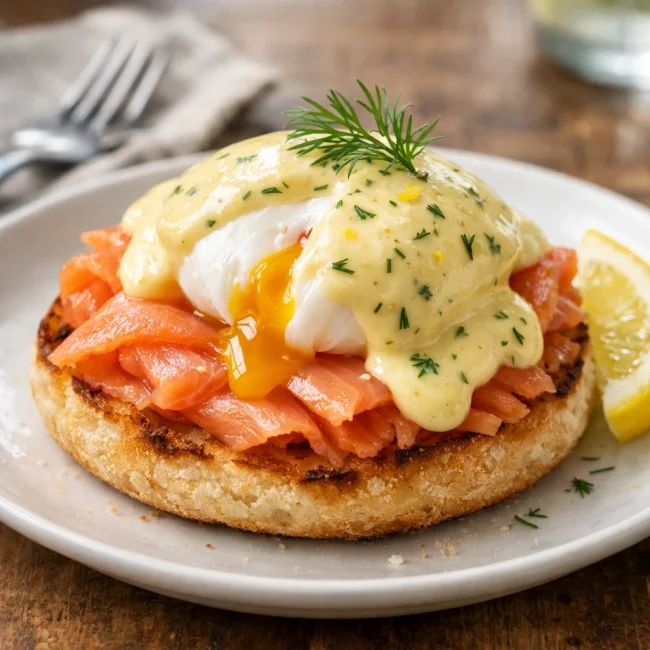
Smoked Salmon Benedict
A luxurious twist on the classic Eggs Benedict, featuring smoked salmon and a zest...
View Recipe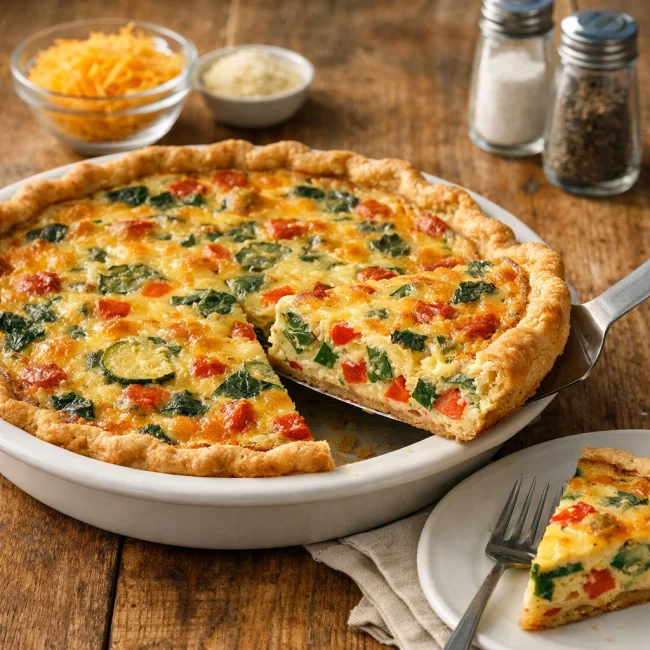
Savory Garden Veggie Quiche
A delightful and easy-to-make quiche filled with garden-fresh vegetables, perfect ...
View Recipe