
Traditional Hollandaise Sauce
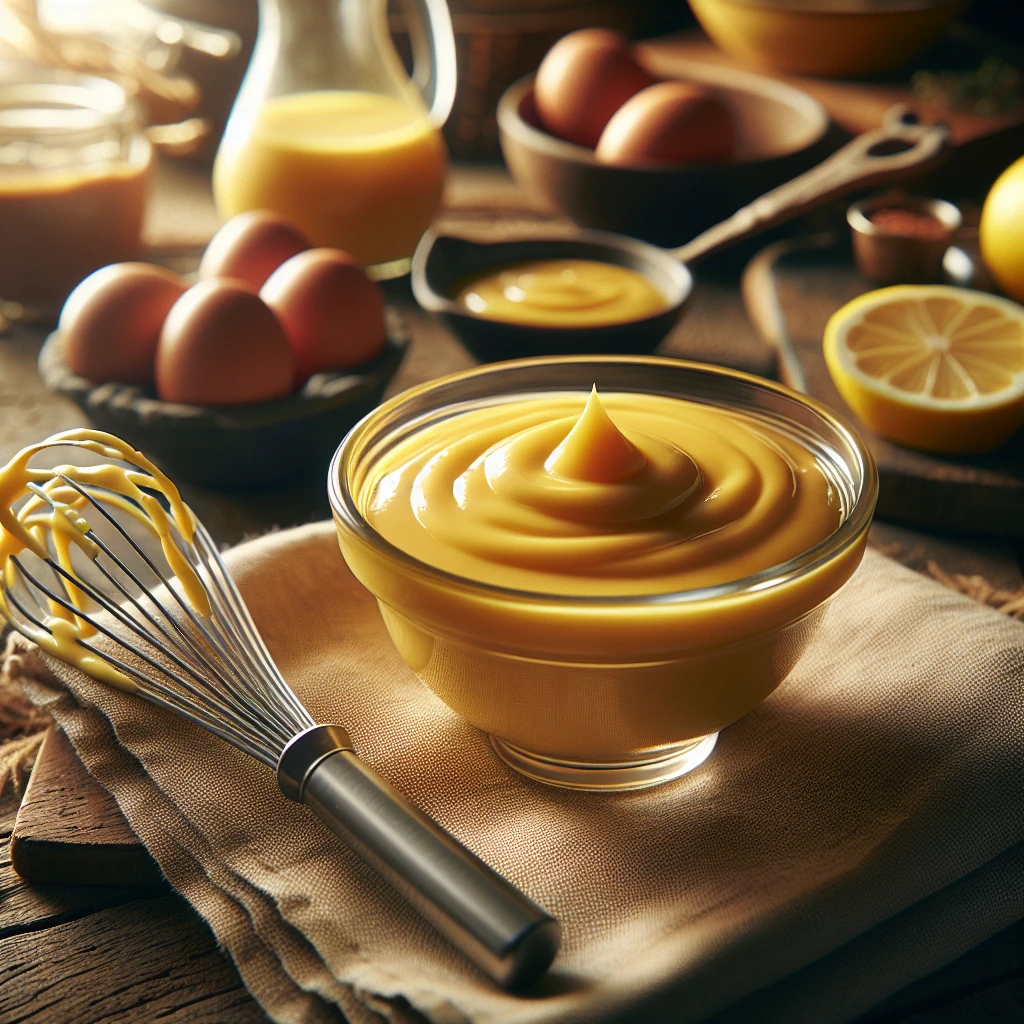
Hollandaise sauce is one of those classic recipes that can elevate any dish. It's rich, creamy, and has just the right amount of tang. Perfect for brunch or any special occasion, this traditional version is a must-try for any home cook.
 Share
Share
This post may contain affiliate links. As an Amazon Associate, we earn from qualifying purchases.
Ingredients for Traditional Hollandaise Sauce
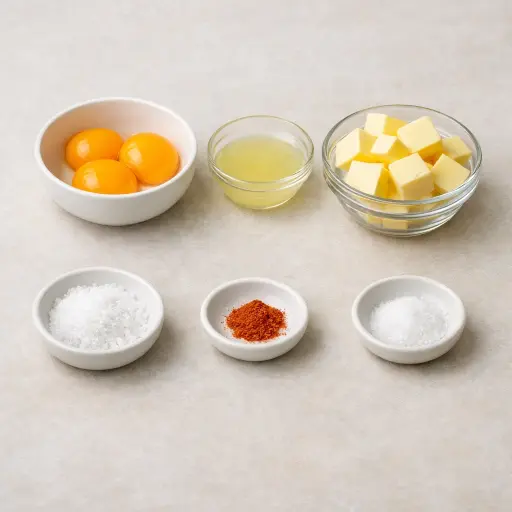
The main star here is egg yolks. They provide the base for our sauce, giving it that creamy texture. Next up, the lemon juice adds a bright, tangy flavor that cuts through the richness. Then, we have unsalted butter, which is melted and slowly incorporated to create that luscious, thick consistency. A pinch of salt seasons our sauce perfectly, and if you're feeling adventurous, a dash of cayenne pepper can add a nice kick.
Why This Traditional Hollandaise Sauce Works
As the egg yolks are whisked with lemon juice, they trap a lot of tiny air bubbles and start to thicken. The yolks go from loose and dark to lighter and creamy. That whipped base is strong enough to grab onto the melted butter later. Over the hot water, the gentle heat warms the yolks slowly, so they set just a little instead of scrambling. They tighten up just enough to hold the butter and stay smooth.
While the warm butter goes in a thin stream, it slips into the yolk mixture in tiny bits instead of all at once. Constant whisking keeps those bits from separating out, so the sauce stays in one smooth pool instead of breaking into oily streaks. As more butter goes in, the sauce thickens and turns glossy. Pulling the bowl off the heat at this point stops the yolks from cooking further, so the hollandaise stays pourable and silky, and the salt and cayenne spread evenly through the warm sauce.
Traditional Hollandaise Sauce Tips & Tricks
- If your sauce starts to separate, a splash of warm water and vigorous whisking can help bring it back together.
- Warm your serving container with hot water before pouring in the sauce to keep it at the right temperature longer.
- Use fresh, high-quality eggs and butter for the best flavor.
Mistakes To Avoid
Letting the egg yolk bowl sit over water that’s more than barely simmering often scrambles the eggs. The yolks start to set in little curds instead of staying smooth, and the sauce turns grainy and lumpy instead of silky.
Pouring the melted butter in too fast makes the sauce split. The fat floods the yolks faster than they can grab it, so the mixture breaks into a greasy layer with thin, watery liquid underneath instead of a thick, even sauce.
Letting the butter brown in the pan changes how the sauce thickens. The milk solids darken and can give tiny specks and a slightly sticky feel, and the hollandaise can end up heavier and less smooth than it should be.
Stopping the whisking while the bowl is over the hot water often leads to uneven cooking. The yolks on the bottom get hotter than the rest, so parts of the sauce thicken into soft scrambled bits while the rest stays thin.
Equipment Used:
Whisk, Small saucepan, Stainless steel bowl, Double boiler setup
Ingredients
- 3 large egg yolks
- 1 tablespoon lemon juice
- 1/2 cup unsalted butter
- 1/4 teaspoon salt
- 1/8 teaspoon cayenne pepper (optional)
Step-by-step Instructions
- 1. Melt the butter: In a small saucepan, gently melt the unsalted butter over low heat until completely melted. Be careful not to let it brown.
- 2. Whisk the egg yolks: In a stainless steel bowl, whisk the egg yolks and lemon juice vigorously until the mixture is thickened and doubled in volume.
- 3. Create a double boiler: Place the bowl over a saucepan containing barely simmering water, ensuring the bottom of the bowl does not touch the water.
- 4. Combine ingredients: Whisk continuously, then very slowly drizzle the melted butter into the egg yolk mixture, whisking constantly. The sauce should thicken as the butter is incorporated.
- 5. Season the sauce: Remove from heat and whisk in salt and optional cayenne pepper to taste.
- 6. Serve immediately: Transfer the sauce to a warm serving container and use promptly.
Trending Now
Old-Fashioned Bread Pudding
Discover the classic charm of Old-Fashioned Bread Pudding - a timeless dessert com...
View Recipe
Traditional Italian Bruschetta
Experience the authentic taste of Italian bruschetta, a perfect blend of fresh tom...
View Recipe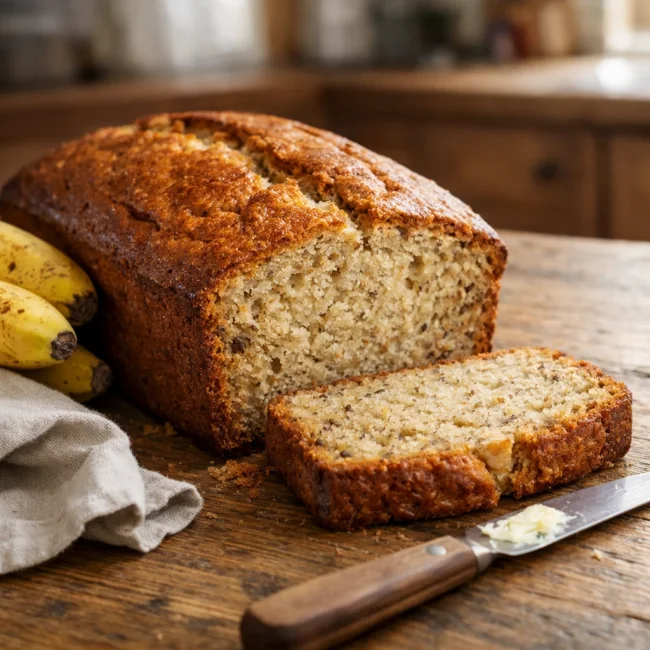
Classic Banana Bread
Classic Banana Bread is a timeless dessert beloved for its moist texture and sweet...
View Recipe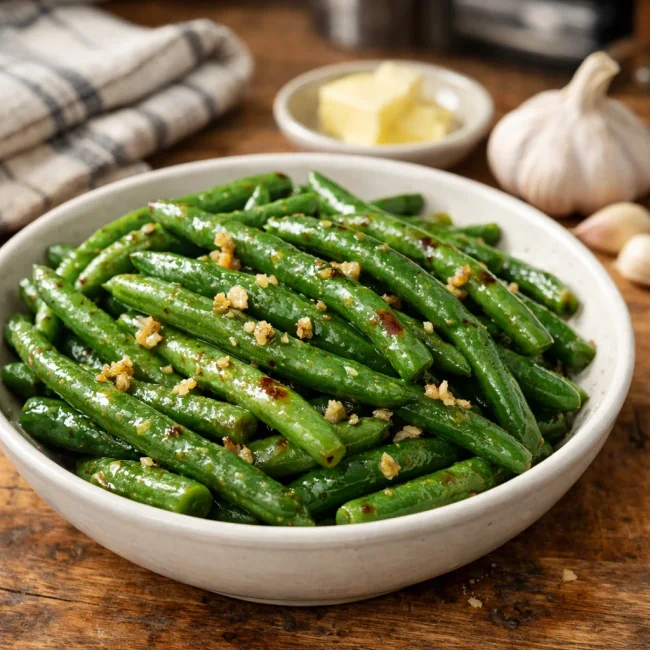
Classic Green Beans
Discover the timeless delight of Classic Green Beans, a simple yet flavorful side ...
View RecipeFrequently Asked Questions
- Can I make Hollandaise sauce ahead of time?
- It's best served fresh, but you can keep it warm in a thermos for up to an hour.
- What if my sauce is too thick?
- Whisk in a little warm water, a teaspoon at a time, until you reach your desired consistency.
- Is there a way to make it without a double boiler?
- You can whisk it over direct low heat, but be very careful not to scramble the eggs.
Serving Ideas for Traditional Hollandaise Sauce
Hollandaise sauce is a classic topping for Eggs Benedict, but don't stop there! Try it over steamed asparagus, drizzled on roasted potatoes, or even as a dip for seafood. It's a versatile sauce that complements many dishes.
More Breakfast & Brunch Recipes

Traditional Quiche Lorraine
Experience the classic French Quiche Lorraine, a savory pie with a flaky crust fil...
View Recipe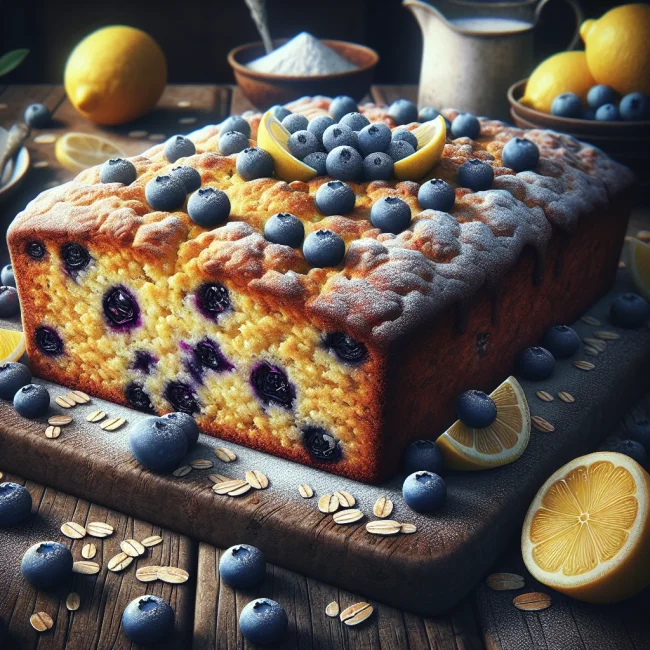
Lemon-Blueberry Oat Coffee Cake
This Lemon-Blueberry Oat Coffee Cake is a delightful twist on the traditional favo...
View Recipe
Smoked Salmon Benedict
A luxurious twist on the classic Eggs Benedict, featuring smoked salmon and a zest...
View Recipe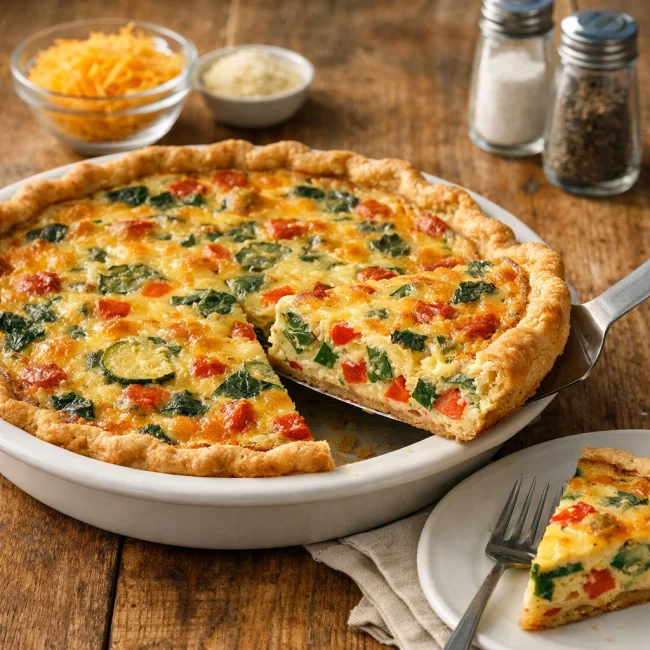
Savory Garden Veggie Quiche
A delightful and easy-to-make quiche filled with garden-fresh vegetables, perfect ...
View Recipe