
Artisan Sourdough Bread
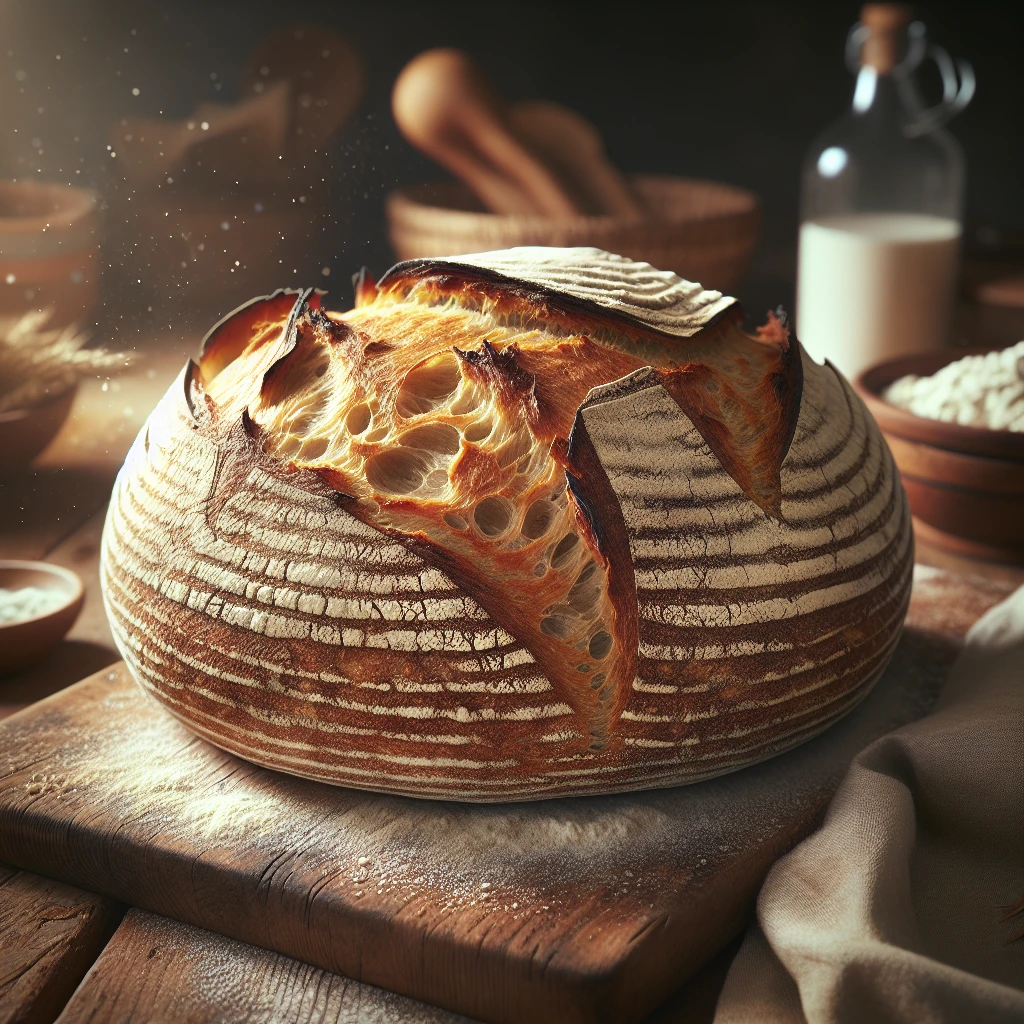
Welcome to the world of artisan sourdough bread! This recipe is your ticket to that chewy interior and crispy crust that's so revered among bread aficionados. With just a few basic ingredients and some patience, you'll be enjoying homemade sourdough that's perfect for any occasion.
 Share
Share
This post may contain affiliate links. As an Amazon Associate, we earn from qualifying purchases.
Ingredients for Artisan Sourdough Bread
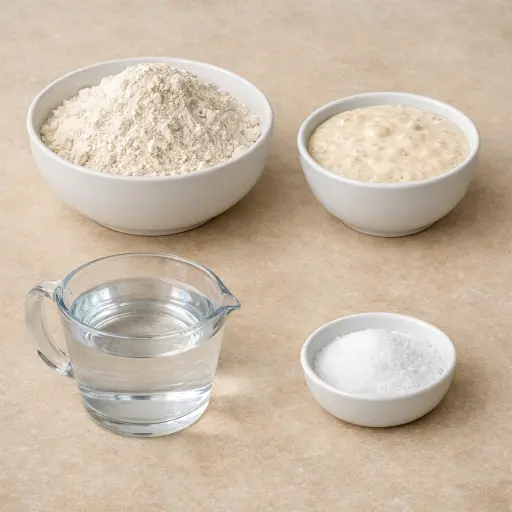
Flour is the backbone of our bread, providing structure and forming the gluten network needed for that lovely chewy texture. We’re using all-purpose flour for its versatility and accessibility.
The sourdough starter is our natural leavening agent. It's full of wild yeast and bacteria that give the bread its signature tang and lift.
Water is not just a liquid here; it helps develop gluten and hydrates the flour, contributing to the dough's elasticity.
Salt isn't just for taste; it also regulates yeast activity and strengthens gluten, ensuring a well-structured loaf.
Why This Artisan Sourdough Bread Works
During the first mix and rest, the flour soaks up the water and sourdough starter. The dough starts out sticky and rough, but as it sits, the flour swells and relaxes. By the time the salt goes in and the kneading starts, the dough can stretch instead of tearing. Kneading lines up the gluten in the flour so the dough can trap gas later.
Over the long room‑temperature rise, the sourdough starter slowly eats the flour and makes tiny bubbles. Those bubbles stay inside the stretchy dough and push it up, so it doubles in size without collapsing. The dough also becomes easier to shape because the gluten has had time to settle and even out.
In the hot Dutch oven, the dough hits a blast of heat while it is still moist. Steam from the wet dough and the closed pot keeps the surface soft for a short time, so the loaf can rise more before the crust sets. After the lid comes off, the outside dries and browns, giving a crisp crust while the inside stays soft and full of holes.
Artisan Sourdough Bread Tips & Tricks
- Keep your sourdough starter active by feeding it regularly. This ensures a strong rise and great flavor.
- Use a bench scraper for easy handling of sticky dough.
- For an even crispier crust, spritz water inside the oven before baking to create steam.
Mistakes To Avoid
Adding the salt at the start with the flour and water can slow down the starter and keep the dough from rising well. The dough then sits heavy and tight instead of getting airy, and the loaf bakes up dense with a tight, gummy crumb.
Cutting the first rise short, or rushing it because the dough “looks okay,” often means the gluten isn’t ready and the gas isn’t fully built up. In the oven, that kind of dough doesn’t spring much, so the bread stays low and squat with a chewy, slightly tough interior.
Letting the shaped loaf overproof in the second rise causes the dough to spread out and lose strength. Once it hits the hot Dutch oven, it can collapse instead of lifting, giving a flat, wide loaf with big bubbles near the top and a thin, weak bottom.
Slicing the bread while it is still hot lets the steam rush out too fast. The crumb then turns sticky and compresses under the knife, so the slices smear and mash instead of cutting cleanly.
Equipment Used:
Ingredients
- 3 cups all-purpose flour
- 1 cup sourdough starter
- 1 1/2 cups water
- 2 tsp salt
Step-by-step Instructions
- 1. Mix flour, sourdough starter, and water in a large bowl until combined.
- 2. Cover the bowl and let the dough rest for 30 minutes.
- 3. Add salt and knead the dough until smooth and elastic, about 10 minutes.
- 4. Place the dough in a lightly oiled bowl, cover, and let it rise at room temperature for 4-5 hours or until doubled in size.
- 5. Preheat the oven to 450°F (232°C) with a Dutch oven inside.
- 6. Shape the dough into a round loaf and place it on parchment paper. Let it rise for another 30 minutes.
- 7. Carefully place the dough with the parchment paper into the preheated Dutch oven. Cover and bake for 20 minutes.
- 8. Remove the lid and bake for an additional 20-25 minutes or until the crust is deep golden brown.
- 9. Let the bread cool on a wire rack before slicing.
Trending Now

Traditional Cucumber and Tomato Salad
A refreshing and simple salad combining crisp cucumbers and juicy tomatoes, season...
View Recipe
Oven-Baked Pork Chops
Enjoy a delightful dinner with these tender and juicy oven-baked pork chops, seaso...
View Recipe
Oven-Roasted Baby Back Ribs
Savor the classic, finger-licking deliciousness of perfectly oven-roasted baby bac...
View Recipe
Classic Cucumber Salad
A refreshing and light cucumber salad featuring crisp cucumbers and a tangy vinaig...
View RecipeFrequently Asked Questions
- Why is my sourdough bread dense?
- It could be due to under-proofing. Make sure to let your dough rise until it's doubled in size.
- Can I use whole wheat flour?
- Yes, but it will result in a denser loaf. You might want to adjust the hydration slightly as whole wheat absorbs more water.
Serving Ideas for Artisan Sourdough Bread
This sourdough pairs beautifully with a good olive oil and balsamic vinegar dip. It's also fantastic for sandwiches, especially when loaded with fresh veggies and a swipe of hummus. For breakfast, try it toasted with a generous spread of avocado and a sprinkle of sea salt.
More Breads & Baked Goods Recipes

Traditional Italian Easter Bread
Savor the delightful taste of a classic Italian Easter bread, a sweet, soft, and s...
View Recipe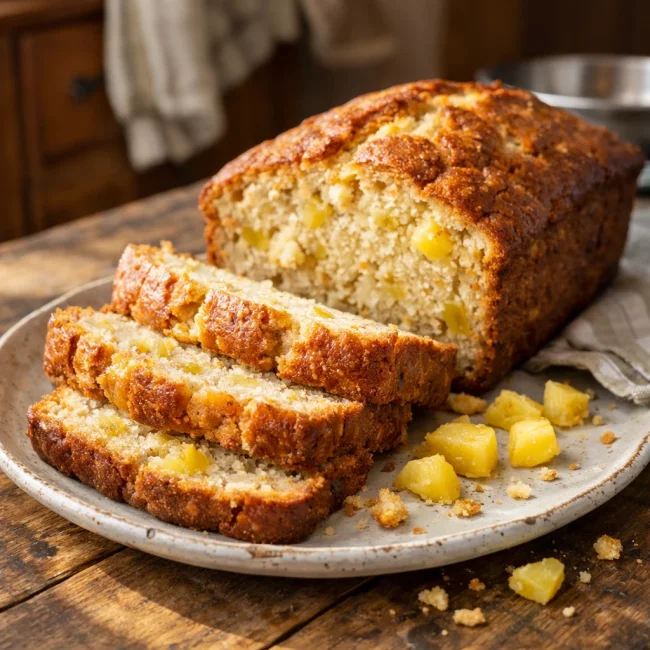
Old-Fashioned Pineapple Bread
A delightful and flavorful bread infused with juicy pineapple, perfect for breakfa...
View Recipe
Strawberry Basil Scones
These tender scones combine the sweetness of fresh strawberries with a hint of pep...
View Recipe
Old-Fashioned Blueberry Muffins
Transport yourself to simpler times with these delightful old-fashioned blueberry ...
View Recipe