
Traditional Roasted Butternut Squash
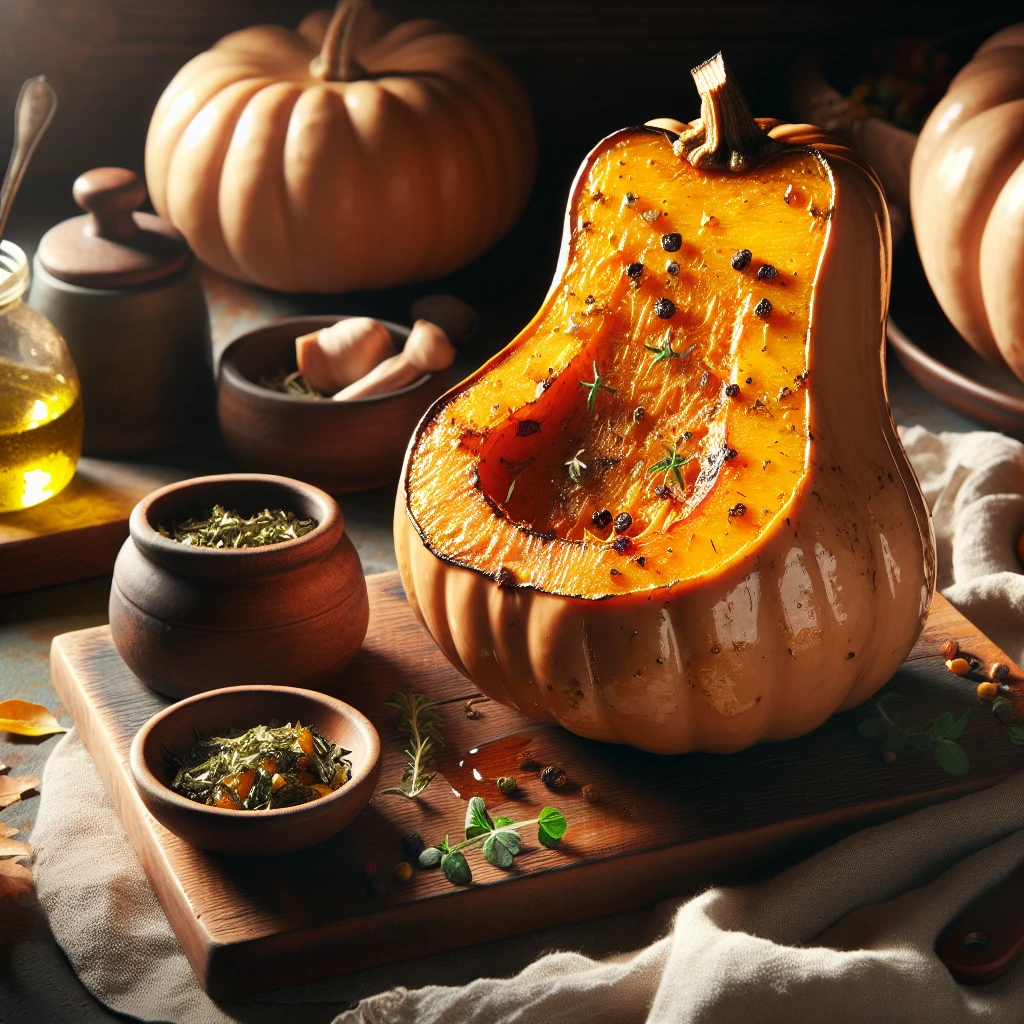
If you're looking for a classic, soul-soothing dish that screams comfort, this Traditional Roasted Butternut Squash is it. Perfect for autumn gatherings or as a side to your favorite meal, this recipe brings out the natural sweetness of the squash, enhanced by aromatic herbs.
 Share
Share
This post may contain affiliate links. As an Amazon Associate, we earn from qualifying purchases.
Ingredients for Traditional Roasted Butternut Squash
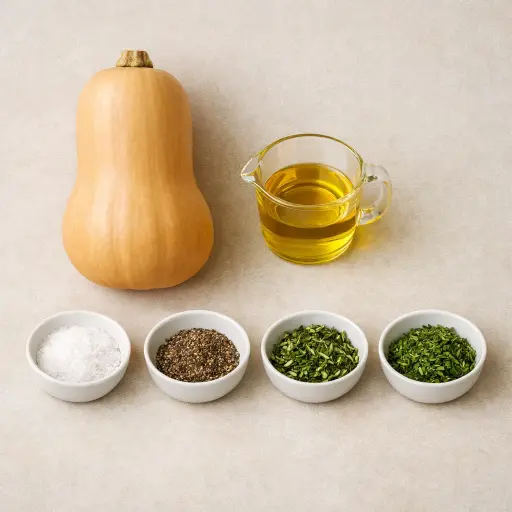
Butternut squash is the star here, offering a creamy texture and sweet flavor that caramelizes beautifully when roasted. Olive oil helps the squash roast evenly, adding a subtle richness. A bit of salt brings out the squash's natural sweetness, while black pepper adds a gentle kick. Fresh rosemary and thyme provide an aromatic, earthy complement to the sweet squash, elevating the overall flavor profile.
Why This Traditional Roasted Butternut Squash Works
In the hot oven, the butternut squash slowly dries a little on the outside while it softens inside. The cubes start out firm and a bit wet. As they roast, some of the water steams out, so the edges can brown instead of just steaming and staying pale. That browning is what gives the squash a deeper, sweeter taste and a light crust on the outside.
Olive oil coats each cube, so the heat hits them more evenly. The oil also keeps the squash from drying out too much, so the centers stay soft and creamy. Salt pulls a bit of moisture to the surface at first, then sinks in as the squash cooks, so the pieces are seasoned all the way through, not just on the outside.
While everything roasts, the chopped rosemary and thyme cling to the oiled squash. As they heat up, their taste spreads over the surface of each cube, so every bite has a mix of soft, sweet squash and crisp, herby edges.
Traditional Roasted Butternut Squash Tips & Tricks
- Use a sharp knife for cutting the squash to ensure smooth, safe slicing.
- For extra caramelization, don't overcrowd the baking sheet.
- If fresh herbs aren't available, dried rosemary and thyme can be used — just reduce the quantity by half.
Mistakes To Avoid
Cutting the squash into very big chunks means the outside starts to brown while the centers stay firm and a bit raw. By the time the middle softens, the edges can dry out and turn tough instead of tender. The recipe works best when the cubes are close to that 1‑inch size so they cook evenly.
Crowding all the squash onto a small baking sheet causes the pieces to steam instead of roast. Moisture gets trapped between the cubes, so they soften but never get those golden, slightly crisp edges. The result is pale, wet squash that tastes flat and a bit mushy.
Roasting at a much lower temperature than 400°F makes the squash slowly dry out before it browns. The cubes can turn leathery and shriveled, with no caramelized edges. On the other hand, setting the oven too hot can burn the herbs and the tips of the squash while the centers are still a bit hard.
Skipping the halfway stir leaves some sides of the squash stuck to the pan and over-browned. The pieces that never get flipped stay pale and soft on one side and too dark on the other, so the texture ends up uneven across the whole tray.
Equipment Used:
Ingredients
- 1 medium butternut squash (about 3 lbs)
- 2 tbsp olive oil
- 1 tsp salt
- 1/2 tsp black pepper
- 1 tbsp fresh rosemary, chopped
- 1 tbsp fresh thyme, chopped
Step-by-step Instructions
- 1. Preheat your oven to 400°F (200°C).
- 2. Peel the butternut squash, then cut it in half lengthwise and scoop out the seeds.
- 3. Cut the squash into 1-inch cubes and place them in a large bowl.
- 4. Add olive oil, salt, black pepper, rosemary, and thyme to the bowl, and toss the squash until evenly coated.
- 5. Spread the seasoned squash cubes in a single layer on a baking sheet lined with parchment paper.
- 6. Roast the squash in the preheated oven for 25-30 minutes, or until the cubes are tender and golden brown, stirring halfway through cooking.
- 7. Remove from oven and serve warm.
Trending Now

Old-Fashioned Pancakes
Relish in the simplicity and comfort of homemade old-fashioned pancakes, perfect f...
View Recipe
Spiced Brown Sugar Pork Chops
A delightful twist on traditional pork chops, featuring a brown sugar glaze mixed ...
View Recipe
Moist Banana Loaf
Discover the timeless charm of our Moist Banana Loaf, a luscious and tender treat ...
View Recipe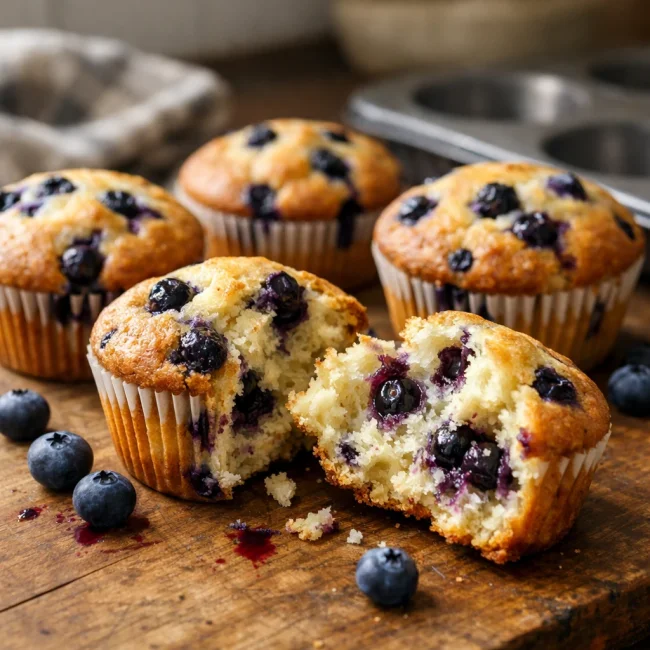
Classic Blueberry Muffins
Deliciously moist and fluffy, these classic blueberry muffins are bursting with fr...
View RecipeFrequently Asked Questions
- Can I use a different type of squash?
- Yes, you can use acorn or kabocha squash, but cooking times may vary.
- How do I store leftovers?
- Store in an airtight container in the refrigerator for up to 3 days. Reheat in the oven for best results.
- Can I make this dish ahead of time?
- Absolutely! You can prepare and season the squash a day in advance, then roast it just before serving.
Serving Ideas for Traditional Roasted Butternut Squash
This roasted squash pairs wonderfully with roasted chicken or pork tenderloin. It's also great tossed into a warm grain salad with quinoa or farro, or even mixed with cooked kale or spinach for a hearty vegetable medley.
More Side Dishes Recipes
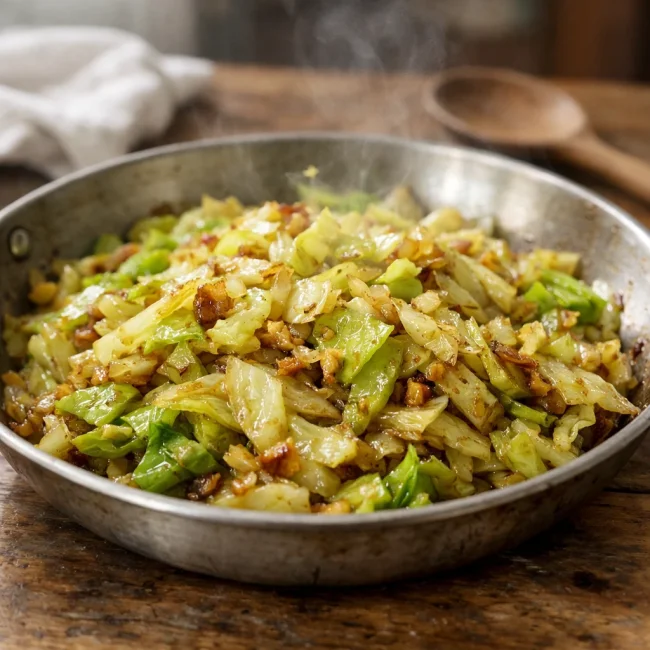
Savory Sautéed Cabbage
This savory sautéed cabbage dish brings out the natural sweetness and crispness of...
View Recipe
Herbed Spaetzle with Garlic Butter
Discover the delightful twist on traditional German Spaetzle with this easy-to-mak...
View Recipe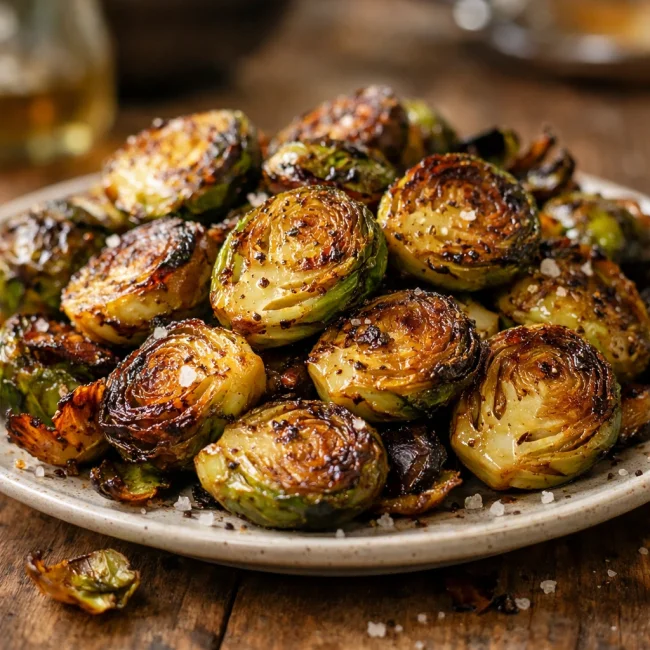
Golden Crispy Brussels Sprouts
Delight in the golden perfection of these crispy Brussels sprouts, a delightful si...
View Recipe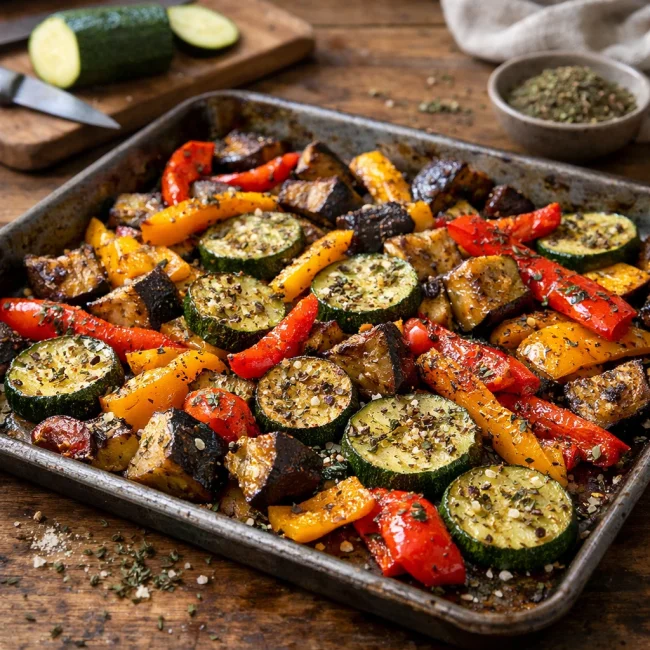
Marjoram-Seasoned Roasted Vegetables
Marjoram-Seasoned Roasted Vegetables bring a delightful floral note to roasted zuc...
View Recipe