
Traditional Roasted Asparagus
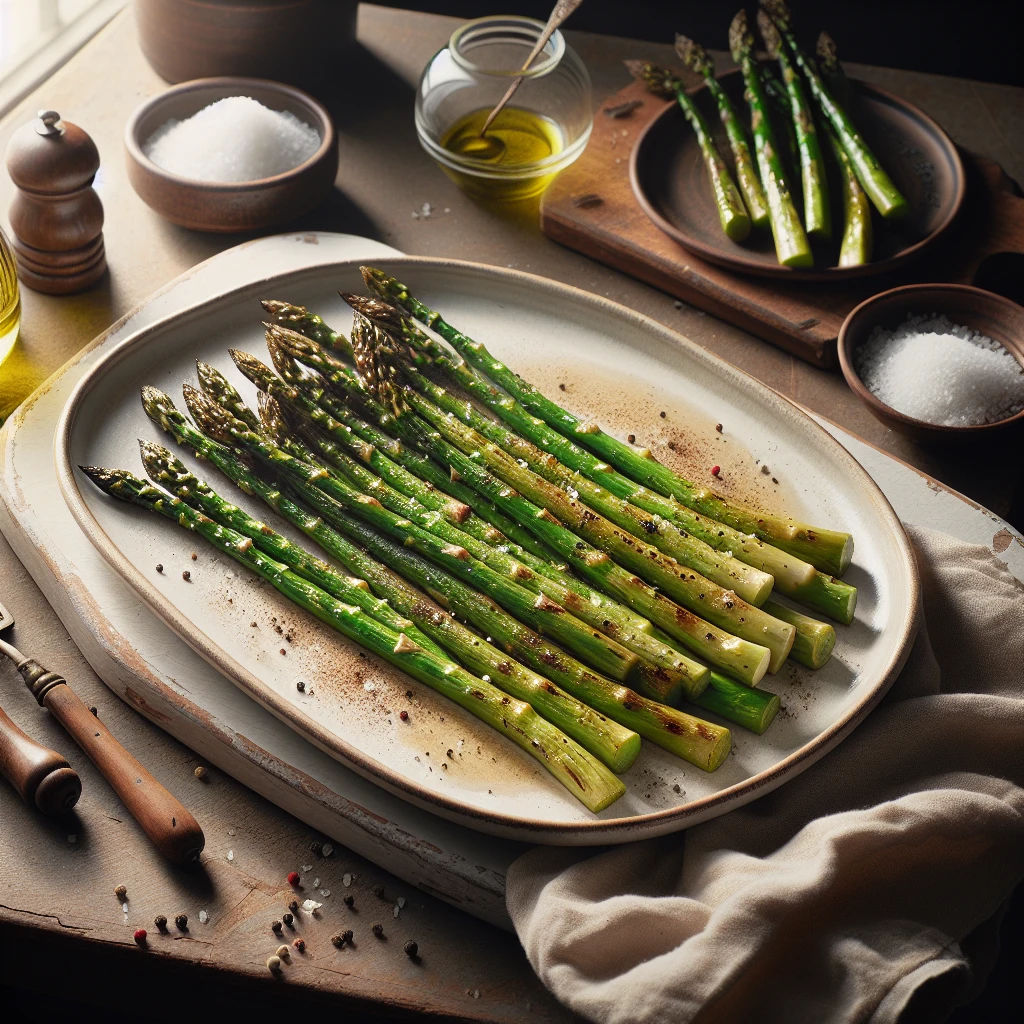
If you're looking for a simple yet elegant side dish, traditional roasted asparagus is your go-to. With its crisp texture and fresh flavors, it can elevate any meal, making it perfect for springtime or whenever you need a touch of green on your plate.
 Share
Share
This post may contain affiliate links. As an Amazon Associate, we earn from qualifying purchases.
Ingredients for Traditional Roasted Asparagus
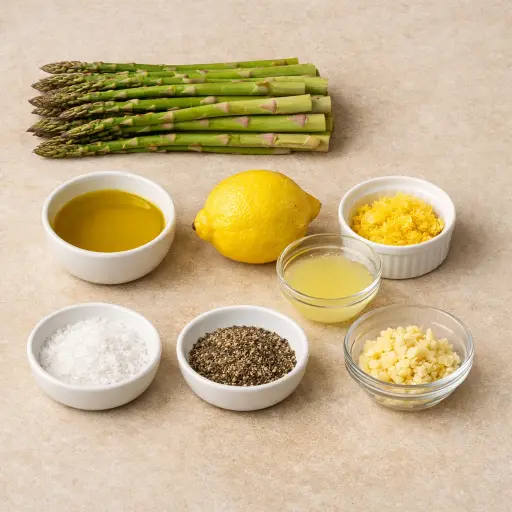
Asparagus is the star here, offering a unique, slightly sweet flavor and a satisfying crunch. Look for firm, bright green spears with tightly closed tips. Olive oil is used to coat the asparagus, ensuring it roasts evenly and adds a rich, fruity taste. A sprinkle of kosher salt enhances the natural flavors, while black pepper adds a hint of warmth and spice. Lemon, in both zest and juice form, provides a fresh, zesty brightness that balances the richness of the oil. Finally, garlic brings a savory depth that rounds out the dish nicely.
Why This Traditional Roasted Asparagus Works
In the oven, the asparagus dries out just a little on the outside while it softens inside. The high heat cooks the stalks fast, so the centers stay moist but the tips and edges start to brown and crisp. That slight browning is what gives the roasted taste and a bit of crunch. If the heat were lower, the asparagus would just steam and stay kind of squeaky and wet instead of getting those crisp spots.
As the olive oil warms up, it coats each stalk and keeps the asparagus from drying out too much. Salt pulls a bit of water to the surface, which then cooks off in the hot oven, so the texture ends up tender, not soggy. Garlic and lemon zest sit right on the oiled asparagus, so they stick and toast lightly instead of burning on the pan. Once it comes out, the fresh lemon juice goes on last, so it stays bright and sharp and doesn’t cook away in the heat.
Traditional Roasted Asparagus Tips & Tricks
- Don't overcrowd the baking sheet; give the asparagus room to roast properly.
- If you prefer more garlic, feel free to add an extra clove or two.
- For a bit of added crunch, sprinkle with toasted almonds or pine nuts before serving.
Mistakes To Avoid
Letting the asparagus roast too long turns the spears stringy and dry. The tips darken and go from lightly crisp to hard and bitter, while the stalks lose their snap and become limp instead of tender.
Crowding all the asparagus into a tight pile on the baking sheet causes it to steam instead of roast. The moisture gets trapped, so the spears stay soft and dull-looking instead of getting those slightly browned, crisp edges.
Adding the lemon juice before roasting makes the asparagus start to break down on the surface. The acid pulls out moisture, so the spears can turn soggy and patchy, and the garlic on top is more likely to burn in wet spots.
Skipping the step of tossing everything together leaves some spears dry and others overloaded. Dry spots never get that glossy, even roasting, while the oily ones can burn in patches and the garlic clumps instead of coating the asparagus.
Equipment Used:
Ingredients
- 1 lb asparagus
- 2 tbsp olive oil
- 1 tsp kosher salt
- 1/2 tsp black pepper
- 1 lemon, zested and juiced
- 2 cloves garlic, minced
Step-by-step Instructions
- 1. Preheat the oven to 400°F.
- 2. Trim the tough ends off the asparagus.
- 3. Place asparagus on a baking sheet and drizzle with olive oil.
- 4. Sprinkle with salt and pepper, then add lemon zest and minced garlic.
- 5. Toss to coat evenly.
- 6. Roast in the oven for 15-20 minutes until tender and slightly crispy.
- 7. Remove from oven and drizzle with lemon juice before serving.
Trending Now
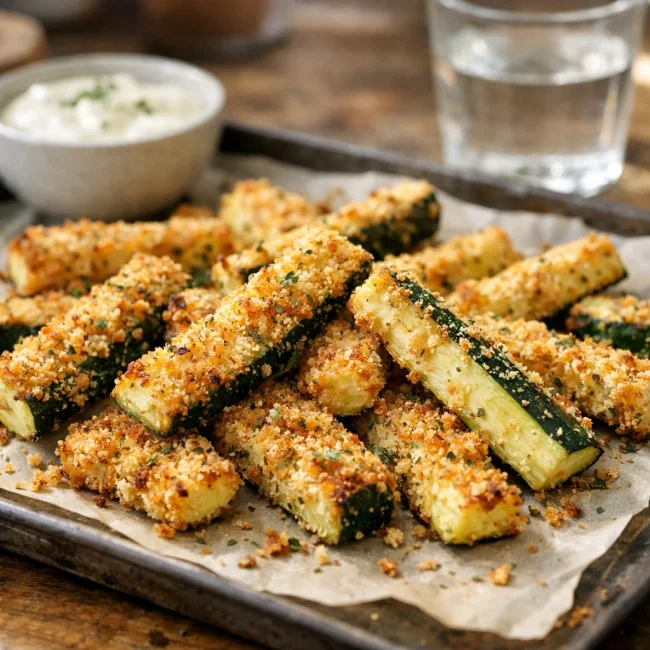
Zucchini Fries
Crispy oven-baked zucchini fries with a golden crust, perfect for a healthy snack ...
View Recipe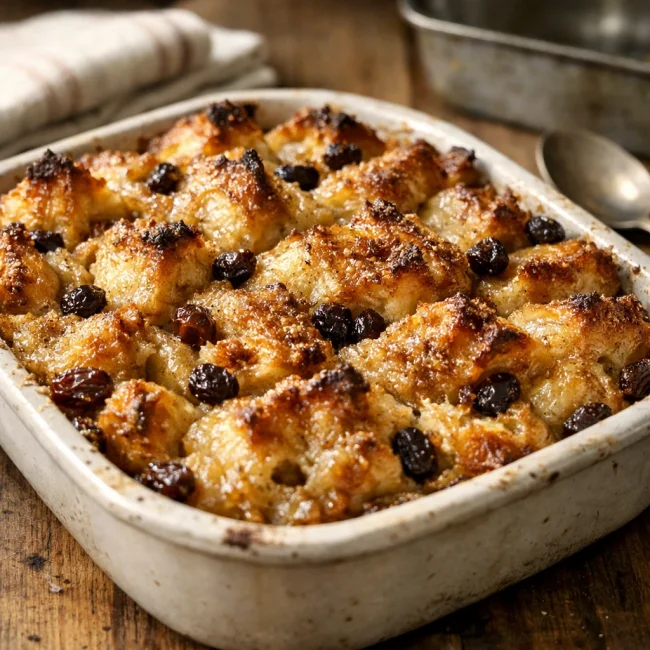
Old-Fashioned Bread Pudding
Discover the classic charm of Old-Fashioned Bread Pudding - a timeless dessert com...
View Recipe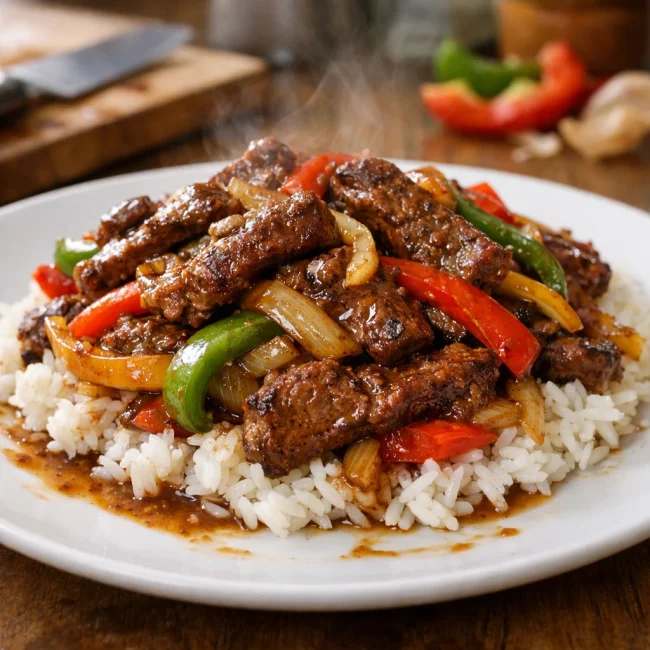
Traditional Pepper Steak
A timeless savory dish, Traditional Pepper Steak features juicy beef strips cooked...
View Recipe
Classic Cinnamon Rolls
Indulge in the sweet embrace of our homemade cinnamon rolls, perfect for breakfast...
View RecipeFrequently Asked Questions
- Can I use frozen asparagus?
- Fresh asparagus is recommended for the best texture, but if you must use frozen, thaw them first and pat dry to remove excess moisture.
- How do I store leftovers?
- Store any leftovers in an airtight container in the refrigerator for up to 3 days. Reheat in the oven or enjoy cold in salads.
Serving Ideas for Traditional Roasted Asparagus
This roasted asparagus pairs beautifully with grilled meats like chicken or steak. It’s also a fantastic side for pasta dishes, especially those with creamy sauces. For a vegetarian meal, serve it alongside a hearty grain salad or a simple risotto.
More Side Dishes Recipes
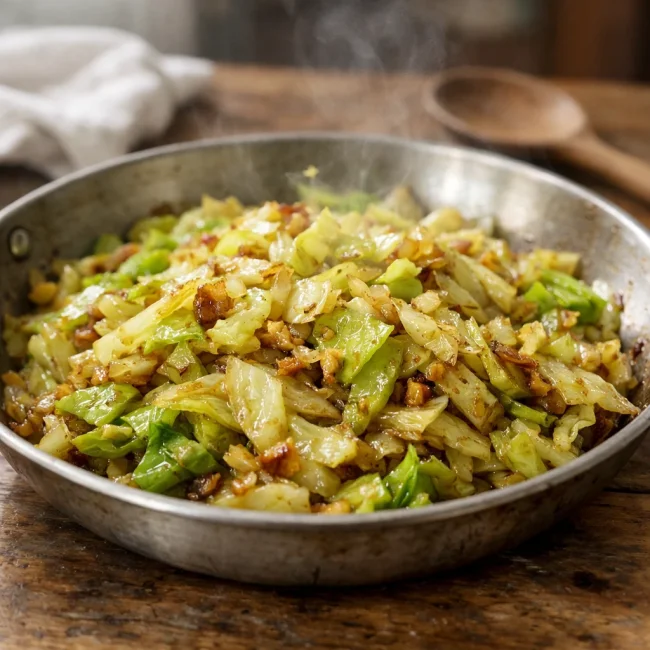
Savory Sautéed Cabbage
This savory sautéed cabbage dish brings out the natural sweetness and crispness of...
View Recipe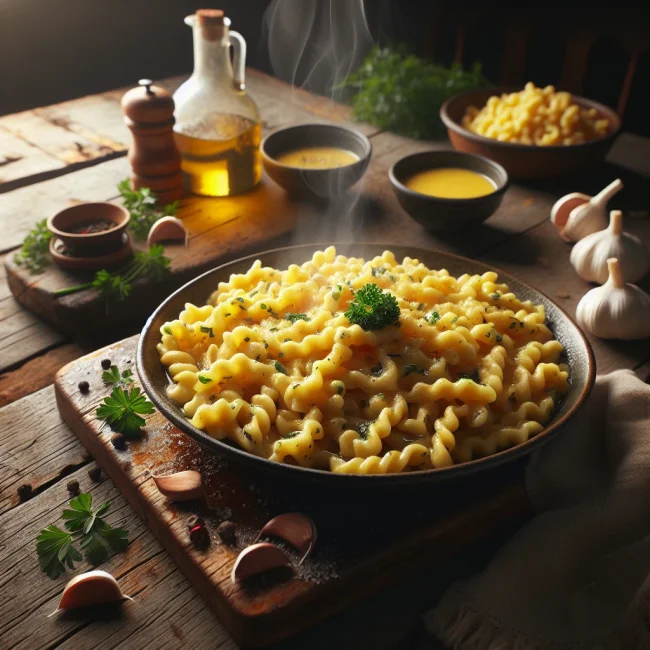
Herbed Spaetzle with Garlic Butter
Discover the delightful twist on traditional German Spaetzle with this easy-to-mak...
View Recipe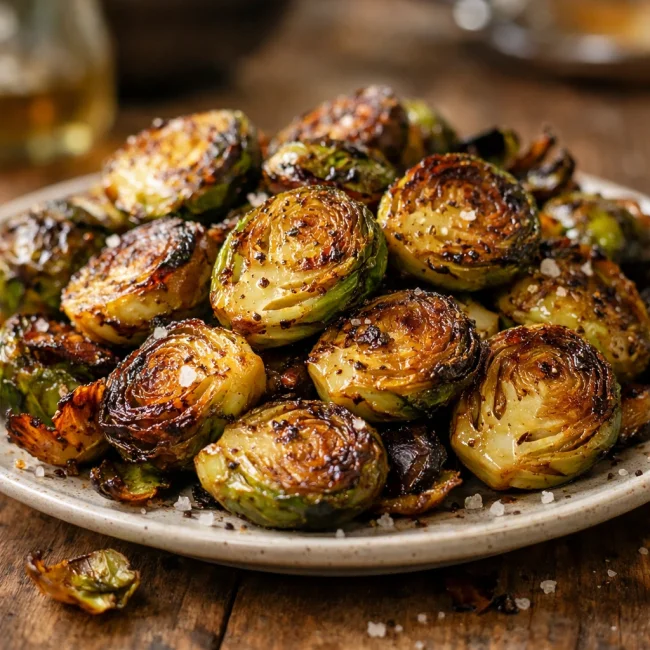
Golden Crispy Brussels Sprouts
Delight in the golden perfection of these crispy Brussels sprouts, a delightful si...
View Recipe
Marjoram-Seasoned Roasted Vegetables
Marjoram-Seasoned Roasted Vegetables bring a delightful floral note to roasted zuc...
View Recipe