
Traditional Pumpkin Puree
 Share
Share
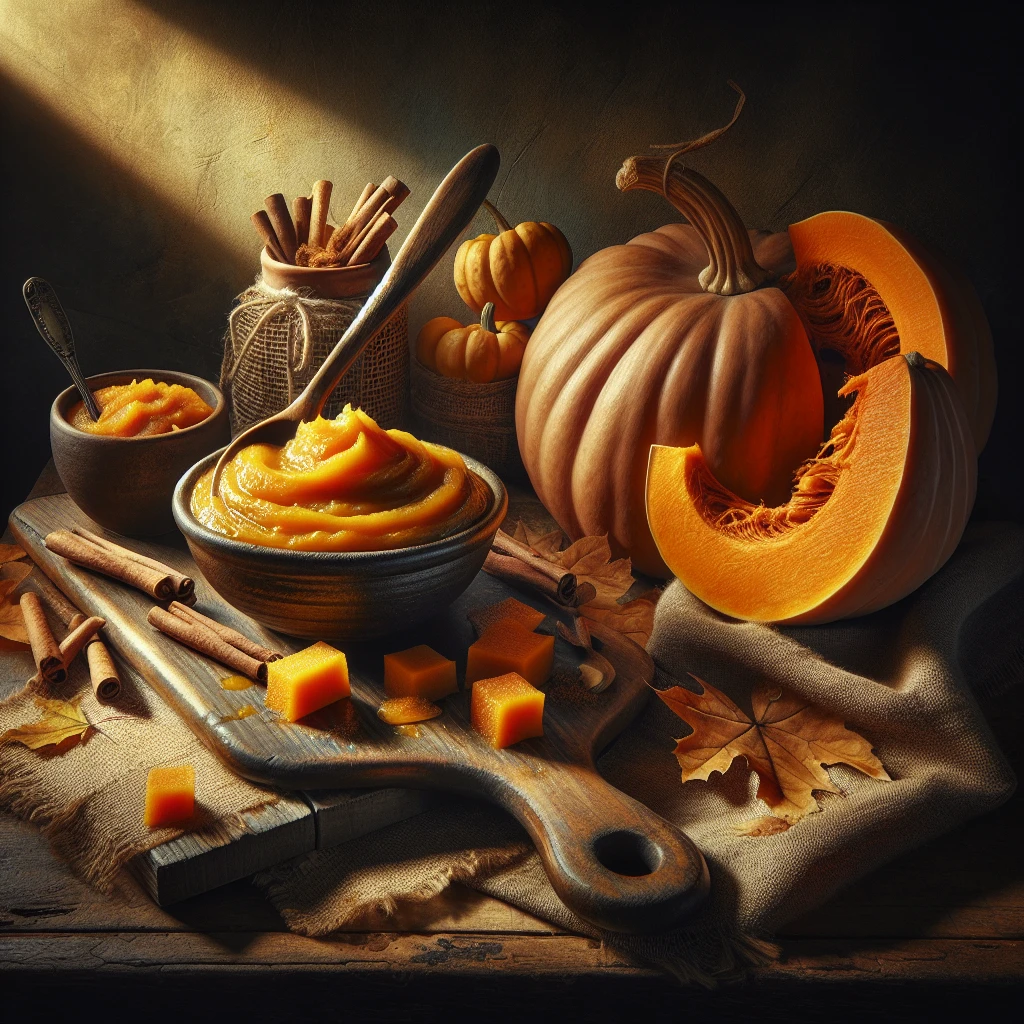
This post may contain affiliate links. As an Amazon Associate, we earn from qualifying purchases.
Ingredients for Traditional Pumpkin Puree
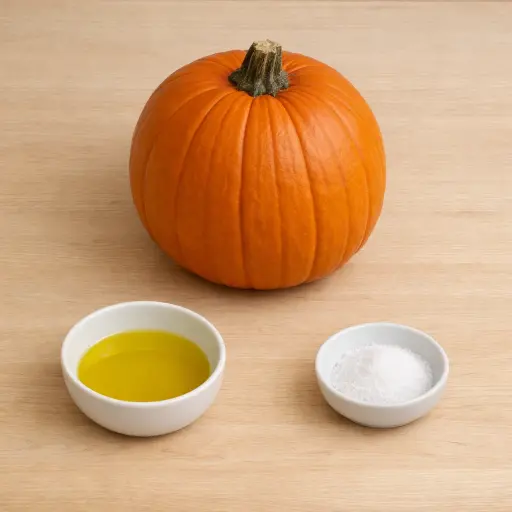
The star of the show is, of course, the pumpkin. Choose a medium-sized one, around 4-5 lbs, to get the best flavor and texture. A dash of olive oil helps caramelize the edges as it roasts, adding depth to the flavor. Lastly, a sprinkle of salt enhances the natural sweetness of the pumpkin.
Why This Traditional Pumpkin Puree Works
In the oven, the pumpkin sits cut-side down, so the flesh is protected while it cooks. The skin takes most of the direct heat, and the inside warms more slowly. Over time the hard pumpkin flesh softens all the way through, so a fork can slide in easily. As it bakes, some water inside the pumpkin steams out, so the flavor and color become a little more concentrated instead of watery.
Olive oil on the surface keeps the pumpkin from drying out where it touches the hot pan. The salt on top starts to sink into the flesh as it roasts, so the puree tastes seasoned all the way through, not just on the surface. After roasting, the pumpkin is already very soft, so the food processor doesn’t have to work hard. Once it blends, the cooked fibers break down and the last small lumps smooth out, turning the roasted pieces into a thick, silky puree that holds its shape but still scoops easily.
Traditional Pumpkin Puree Tips & Tricks
- Choose a sugar or pie pumpkin for the best flavor; avoid large carving pumpkins.
- If your food processor is small, blend the pumpkin in batches.
- Leftovers freeze well, so make extra and store it for future use.
Mistakes To Avoid
Pulling the pumpkin from the oven too early leaves the flesh firm and slightly crunchy near the skin, so it doesn’t blend smoothly. The food processor then has to work harder, and the puree ends up with small hard bits instead of a soft, even texture.
Letting the pumpkin roast way past tender can cause the edges to dry out and turn leathery. Those dry parts don’t break down well in the blender, so the puree comes out grainy and a little pasty instead of silky.
Placing the pumpkin halves cut-side up instead of down traps moisture on the surface and slows down roasting. The flesh steams more than it roasts, which makes the puree watery and thin, and it can separate when used in pies or soups.
Skipping the step of letting the pumpkin cool slightly before blending can cause steam to build up in the food processor. This can push liquid out the sides, and the heat makes the puree looser than it should be, so it doesn’t hold its body later.
Equipment Used:
Ingredients
- 1 medium pumpkin (about 4-5 lbs)
- 2 tbsp olive oil
- 1/2 tsp salt
Step-by-step Instructions
- 1. Preheat your oven to 375°F (190°C).
- 2. Cut the pumpkin in half and scoop out the seeds and stringy pulp.
- 3. Brush the pumpkin halves with olive oil and sprinkle with salt.
- 4. Place the pumpkin halves cut-side down on a baking sheet lined with parchment paper.
- 5. Roast in the oven for 50-60 minutes, or until the pumpkin flesh is tender when pierced with a fork.
- 6. Allow the pumpkin to cool slightly, then scoop out the flesh and place it in a food processor.
- 7. Blend until smooth, stopping to scrape down the sides as needed.
Trending Now

Traditional Fluffy Pancakes
Discover the perfect start to your morning with our Traditional Fluffy Pancakes, a...
View Recipe
Old-Fashioned Bread Pudding
Discover the classic charm of Old-Fashioned Bread Pudding - a timeless dessert com...
View Recipe
Zucchini Fries
Crispy oven-baked zucchini fries with a golden crust, perfect for a healthy snack ...
View Recipe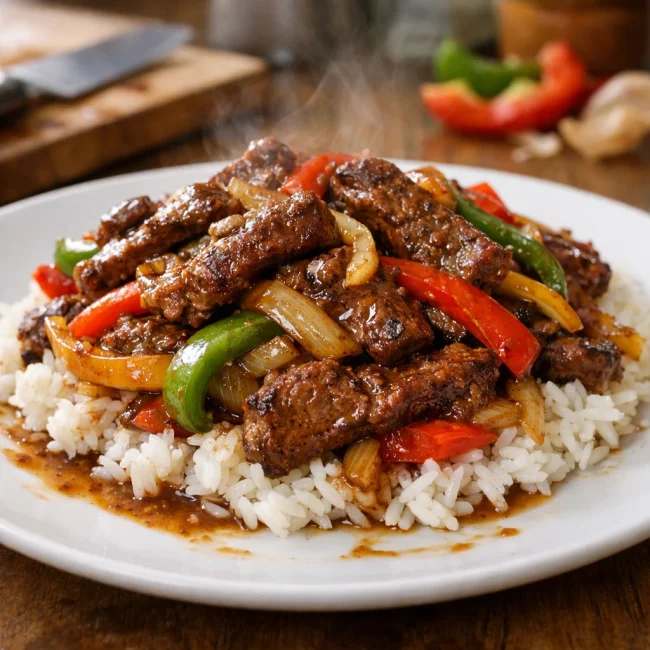
Traditional Pepper Steak
A timeless savory dish, Traditional Pepper Steak features juicy beef strips cooked...
View RecipeFrequently Asked Questions
- Can I use a different type of squash?
- Yes, butternut squash can be a great substitute and offers a similar texture.
- How long does the puree last?
- Store it in the refrigerator for up to a week or freeze for up to three months.
Serving Ideas for Traditional Pumpkin Puree
This pumpkin puree is a versatile base. Use it in pies, soups, or even as a baby food. Try stirring it into oatmeal for a cozy breakfast, or mix it with some whipped cream for a quick dessert treat.
More Vegetarian Recipes
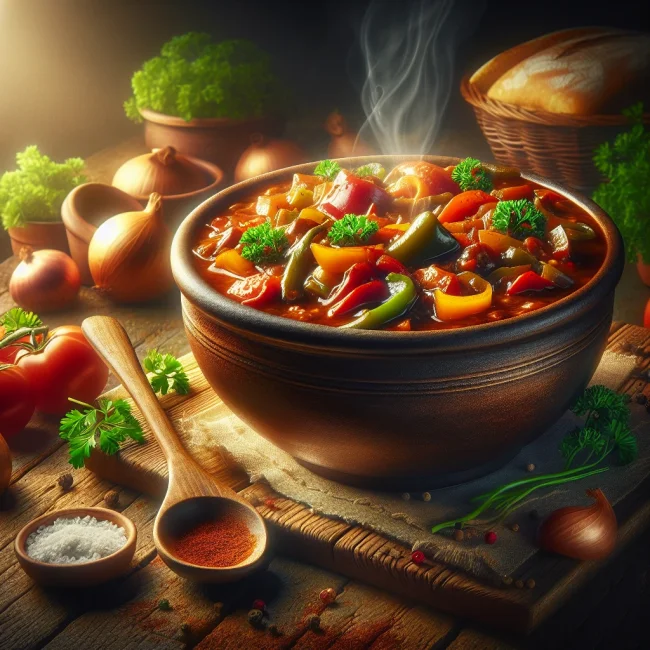
Smoky Vegetarian Goulash
A quick and easy vegetarian twist on traditional goulash, featuring smoked paprika...
View Recipe
Savory Garden Veggie Quiche
A delightful and easy-to-make quiche filled with garden-fresh vegetables, perfect ...
View Recipe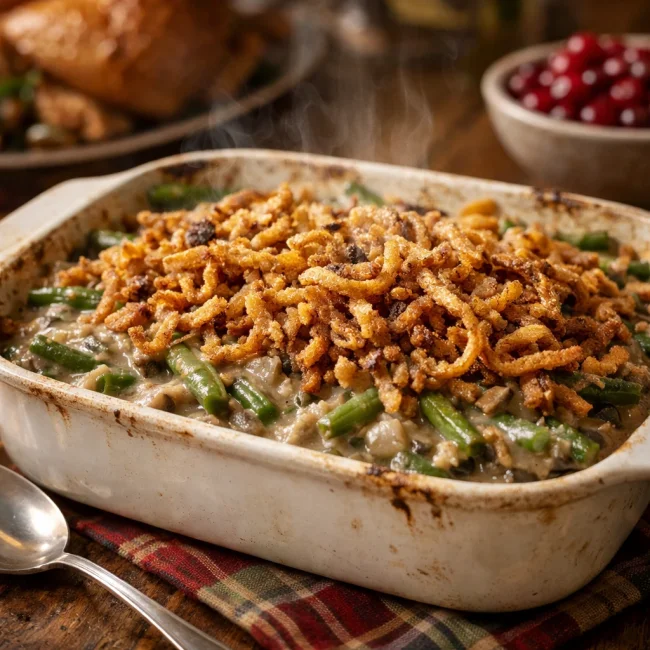
Traditional Green Bean Casserole
Discover the classic Traditional Green Bean Casserole, a staple at American holida...
View Recipe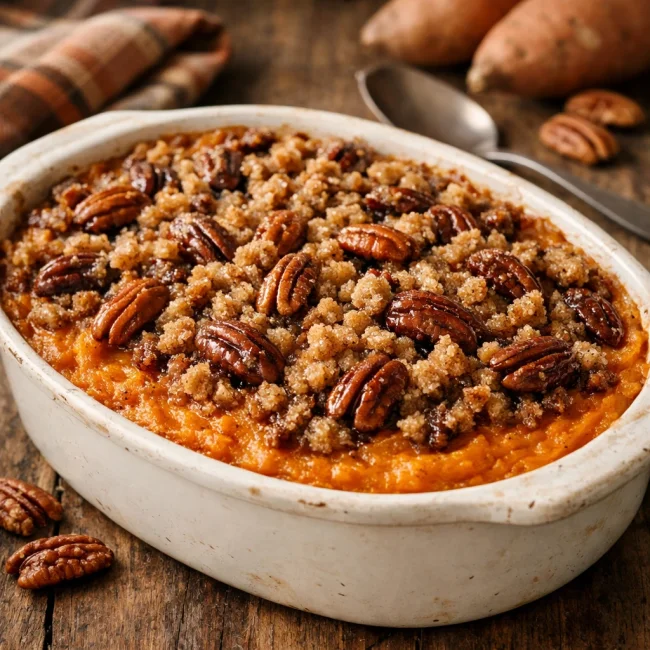
Old-Fashioned Sweet Potato Casserole
Savor the timeless flavors of this Old-Fashioned Sweet Potato Casserole, a classic...
View Recipe