
Traditional Pickled Beets
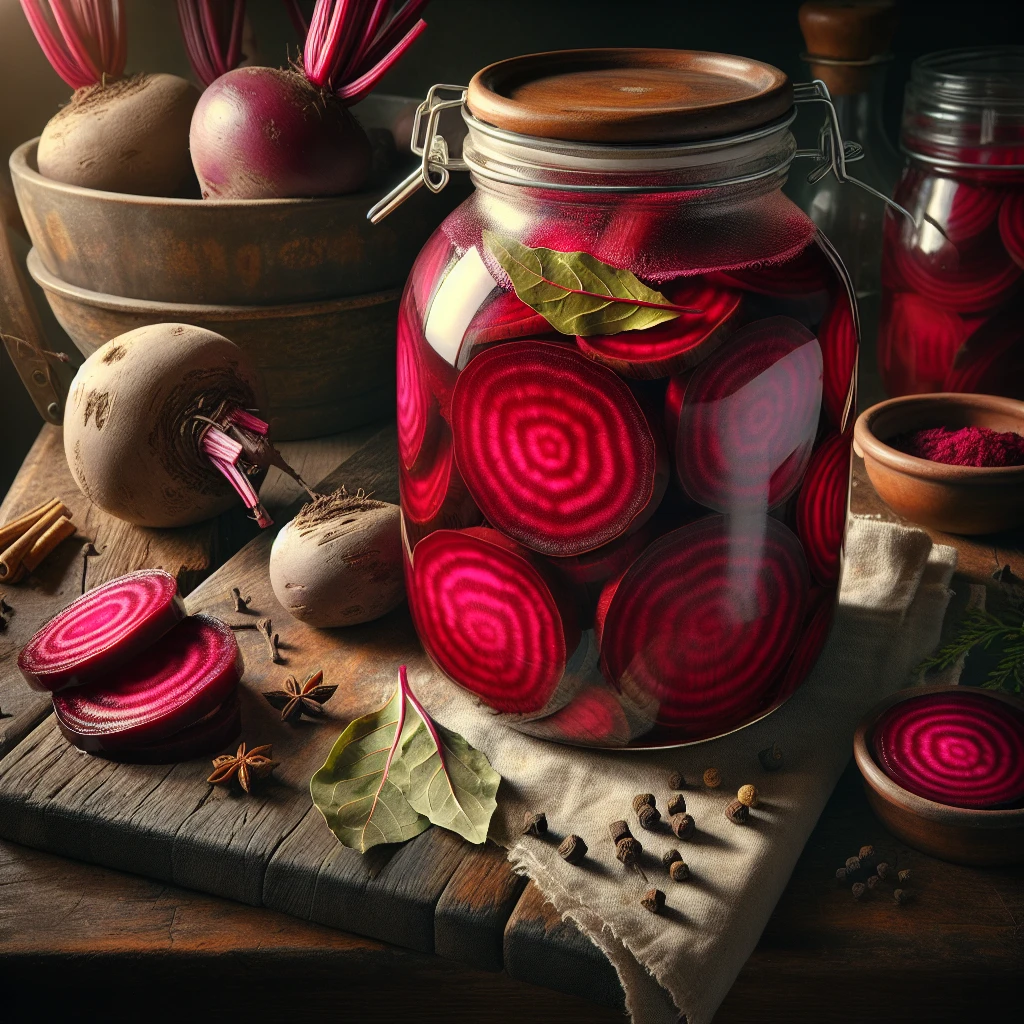
If you’ve never pickled beets before, you’re in for a treat. This traditional pickled beet recipe brings out the earthy sweetness of fresh beets with a tangy kick, making it a delightful addition to your pantry.
 Share
Share
This post may contain affiliate links. As an Amazon Associate, we earn from qualifying purchases.
Ingredients for Traditional Pickled Beets
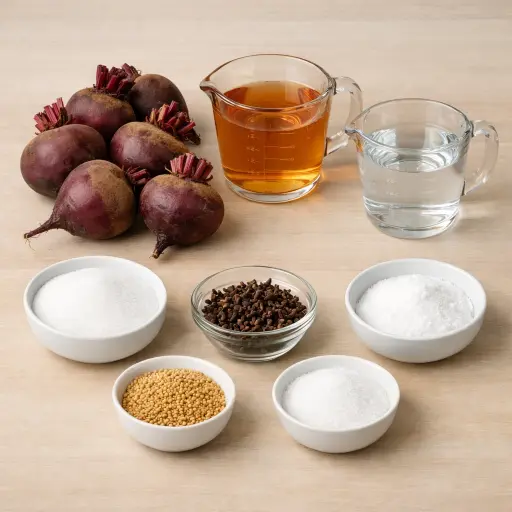
Beets: The star of the show. Fresh beets bring their natural sweetness and earthy flavor, which is beautifully complemented by the pickling process.
Apple cider vinegar: This adds a mellow tanginess and depth of flavor, enhancing the sweetness of the beets.
Granulated sugar: Balances the acidity of the vinegar and brings out the natural sweetness of the beets.
Water: Dilutes the vinegar, preventing it from overpowering the beets.
Whole cloves: Adds a warm, aromatic depth to the pickling liquid.
Mustard seeds: Contribute a subtle spiciness, adding complexity to the flavor profile.
Salt: Essential for enhancing all the flavors and preserving the beets.
Why This Traditional Pickled Beets Works
During the long boil, the beets slowly soften all the way to the center while the skins loosen. Leaving a bit of stem keeps them from bleeding too much color into the water, so the slices stay bright and bold later. Once they cool, the skins rub off easily and the beets can be cut without falling apart.
As the vinegar, sugar, water, salt, cloves, and mustard seeds heat up, the sugar fully dissolves and the liquid becomes smooth and slightly thick. After the sliced beets go into this hot mixture, the warm vinegar starts to move into the beet slices while some beet juice moves out into the liquid. In a few minutes, the beets begin to taste like the brine instead of plain boiled beets.
Inside the jars, the hot liquid surrounds every slice, and the boiling water bath drives the vinegar and sugar deeper into the beets while sealing the lids. Over the next days and weeks, the beets keep soaking in the brine, so they stay firm enough to slice but taste sweet, sour, and well seasoned all the way through.
Traditional Pickled Beets Tips & Tricks
- Wear gloves when handling beets to avoid staining your hands.
- If you're new to canning, double-check that your jars and lids are properly sterilized to prevent any spoilage.
- For a little extra heat, toss in a few red pepper flakes to the pickling liquid.
Mistakes To Avoid
Boiling the beets too little leaves them hard in the center, even if the outside looks soft. Once sliced and packed in jars, those firm centers never really soften in the brine, so the finished pickles stay tough and unpleasantly crunchy instead of tender.
Letting the beets boil way past tender can cause them to turn mushy and waterlogged. When they go into the hot vinegar mixture, they break apart easily, cloud the liquid, and the jars end up with beet “sludge” instead of neat slices.
Skipping the cooling step and trying to peel and slice the beets while they are still very hot often leads to uneven, rushed cuts. Thick chunks and thin slices in the same jar soften at different rates, so some pieces turn almost crumbly while others stay too firm.
Pouring only warm, not boiling, brine over the beets and into the jars means the sugar and salt may not be fully dissolved and the liquid doesn’t penetrate well. The result is uneven seasoning, with some slices tasting flat and others overly sharp.
Equipment Used:
Ingredients
- 2 lbs fresh beets
- 2 cups apple cider vinegar
- 1 cup granulated sugar
- 1 cup water
- 1 tbsp whole cloves
- 1 tbsp mustard seeds
- 1 tbsp salt
Step-by-step Instructions
- 1. Wash and trim the beets, leaving about an inch of stem. Boil in a large pot for 45 minutes to 1 hour until tender.
- 2. Drain the beets and allow them to cool until they can be handled. Rub off the skins and slice into 1/4-inch thick rounds.
- 3. In a separate pot, combine apple cider vinegar, sugar, water, cloves, mustard seeds, and salt. Bring to a boil, stirring until sugar is dissolved.
- 4. Add the sliced beets to the vinegar mixture and simmer for 5 minutes.
- 5. Carefully pack the beets into sterilized jars and pour the hot liquid over the top, leaving 1/2 inch headspace.
- 6. Seal the jars with lids and process in a boiling water bath for 10 minutes.
- 7. Allow to cool and store in a cool, dark place for up to 6 months.
Trending Now

Old-Fashioned Pancakes
Relish in the simplicity and comfort of homemade old-fashioned pancakes, perfect f...
View Recipe
Spiced Brown Sugar Pork Chops
A delightful twist on traditional pork chops, featuring a brown sugar glaze mixed ...
View Recipe
Moist Banana Loaf
Discover the timeless charm of our Moist Banana Loaf, a luscious and tender treat ...
View Recipe
Classic Blueberry Muffins
Deliciously moist and fluffy, these classic blueberry muffins are bursting with fr...
View RecipeFrequently Asked Questions
- Can I use a different type of vinegar?
- Yes, white vinegar can be used, but it will give a sharper taste. Apple cider vinegar is recommended for its milder flavor.
- How do I know if my jars are properly sealed?
- After cooling, press the center of each lid. If it doesn’t pop back, the jar is sealed. If it does, refrigerate and consume within a month.
Serving Ideas for Traditional Pickled Beets
These pickled beets are a wonderful addition to salads, providing a sweet-tangy punch. They also pair beautifully with goat cheese or feta on a charcuterie board. For a heartier option, try them alongside roasted meats or as a vibrant topping for burgers.
More Side Dishes Recipes
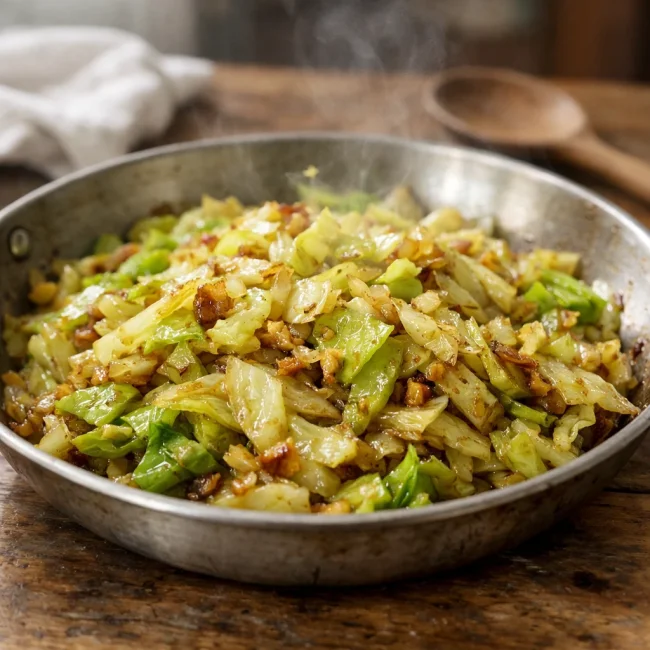
Savory Sautéed Cabbage
This savory sautéed cabbage dish brings out the natural sweetness and crispness of...
View Recipe
Herbed Spaetzle with Garlic Butter
Discover the delightful twist on traditional German Spaetzle with this easy-to-mak...
View Recipe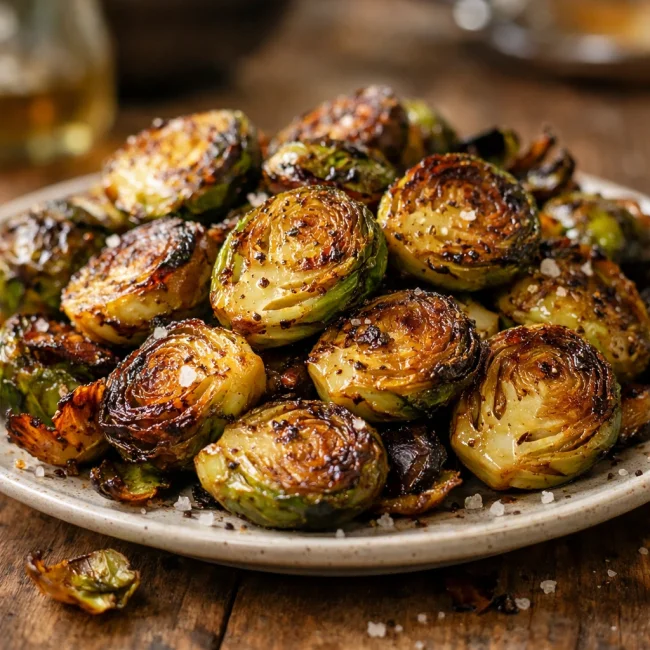
Golden Crispy Brussels Sprouts
Delight in the golden perfection of these crispy Brussels sprouts, a delightful si...
View Recipe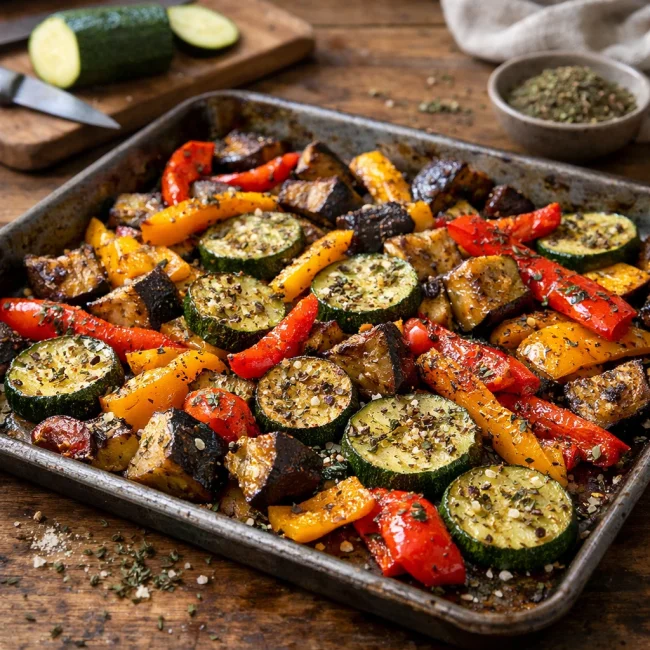
Marjoram-Seasoned Roasted Vegetables
Marjoram-Seasoned Roasted Vegetables bring a delightful floral note to roasted zuc...
View Recipe