
Layered Vegetable and Mushroom Lasagna
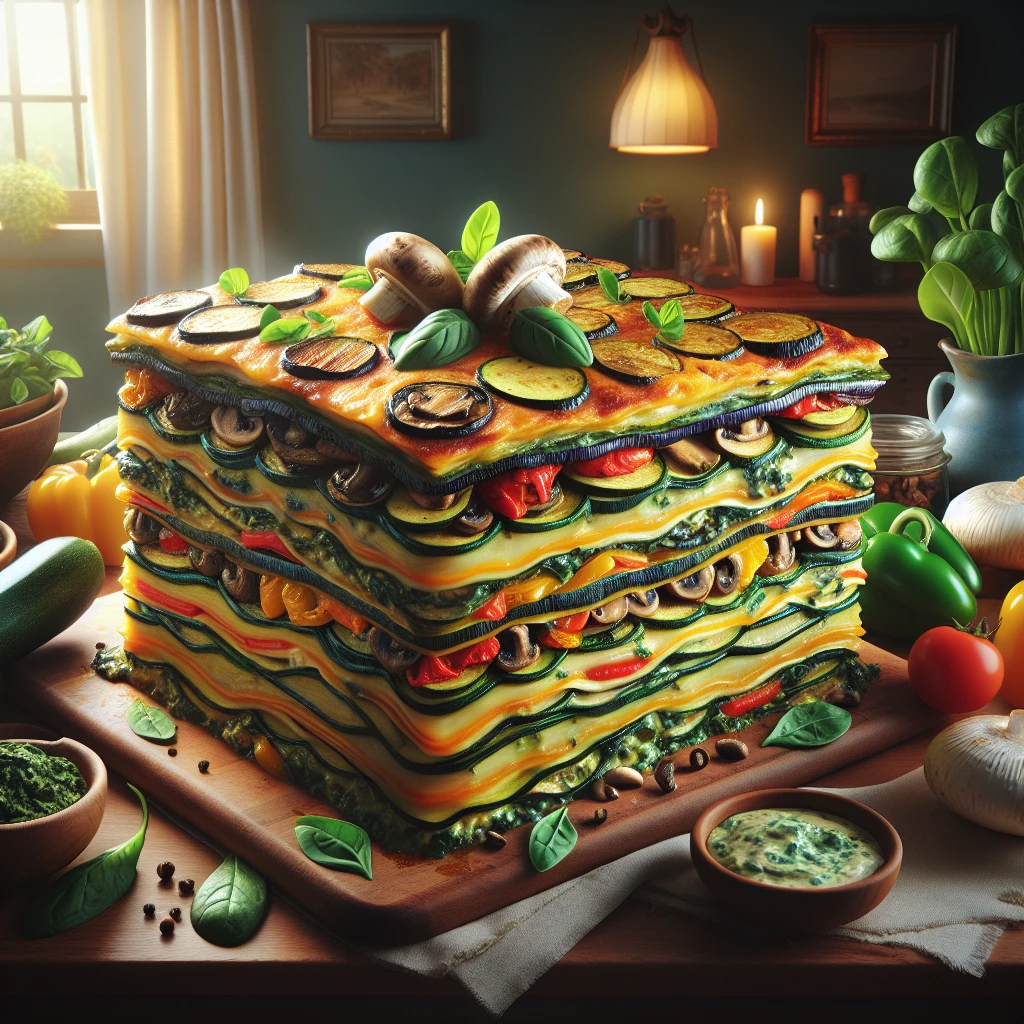
This Layered Vegetable and Mushroom Lasagna is a delightful twist on the classic dish, bringing a burst of fresh flavors and vibrant colors to your table. It's perfect for vegetarians and those who appreciate a hearty, comforting meal with a healthy edge.
 Share
Share
This post may contain affiliate links. As an Amazon Associate, we earn from qualifying purchases.
Ingredients for Layered Vegetable and Mushroom Lasagna
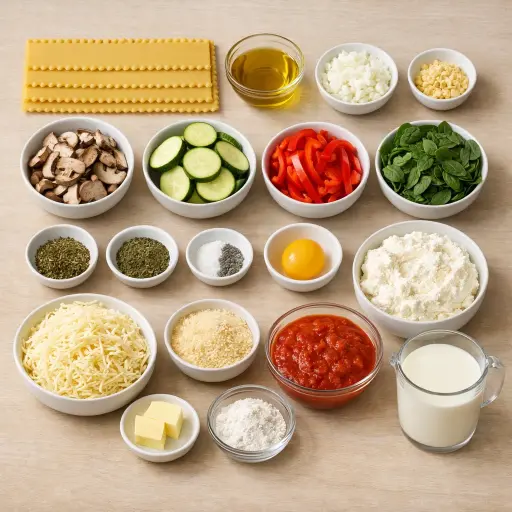
Lasagna noodles form the backbone of this dish, creating structure and layers. Olive oil is used to sauté the veggies, bringing out their natural flavors. The onion and garlic add a fragrant base. Mushrooms, zucchini, and red bell pepper add a variety of textures and tastes, while spinach provides a pop of color and nutrients. The ricotta cheese and egg mixture is a creamy layer that ties everything together. Marinara sauce adds a tangy, savory element that contrasts beautifully with the bechamel sauce made from butter, flour, and milk. Finally, mozzarella cheese and Parmesan cheese top this dish, bringing that golden, bubbly finish we all love.
Why This Layered Vegetable and Mushroom Lasagna Works
During cooking, the vegetables soften in the pan first. Onions, mushrooms, zucchini, and peppers lose their bite and some of their water, so they don’t leak as much liquid into the lasagna. They end up tender instead of crunchy, and the seasoning spreads through them while they cook.
In the saucepan, butter, flour, and milk turn into a smooth white sauce that thickens as it heats. Once the spinach goes in, it wilts down and blends into that sauce, so the spinach stays in place instead of clumping in one spot. In another bowl, the egg mixed into the ricotta sets in the oven and firms up a little, so the cheese layer doesn’t ooze out when sliced.
In the oven, the noodles, marinara, vegetables, ricotta, and spinach sauce all press against each other in layers. The noodles soak up some liquid from the sauces while the mozzarella melts and then cools slightly. After resting, everything tightens up, and the lasagna slices hold together instead of sliding apart.
Layered Vegetable and Mushroom Lasagna Tips & Tricks
- Use a mandoline slicer for uniformly sliced vegetables, ensuring even cooking.
- If you prefer a bit more heat, add a pinch of red pepper flakes to the veggie mix.
- To prevent the noodles from sticking together after boiling, drizzle them with a bit of olive oil.
Mistakes To Avoid
Boiling the lasagna noodles until they are very soft instead of just firm means they keep cooking in the oven and soak up more sauce. The sheets then tear easily while layering and turn mushy, so the finished lasagna slices collapse and feel pasty instead of holding neat layers.
Letting the vegetable mix stay watery in the pan is another common problem. When the mushrooms, zucchini, and peppers are not cooked long enough to release and evaporate their liquid, that extra moisture leaks out in the oven and the lasagna turns soupy, with the layers sliding around.
Over-thickening the milk and spinach sauce on the stove can cause trouble. If it is cooked until very stiff, it doesn’t spread well between the noodles and bakes into dense clumps, so some bites are dry while others are heavy and gummy.
Skipping the resting time after baking often leads to messy servings. While it is still very hot, the sauces are loose and bubbling, so cutting right away makes the layers run together and the pieces fall apart on the plate.
Equipment Used:
Ingredients
- 9 lasagna noodles
- 2 tablespoons olive oil
- 1 cup diced onion
- 3 cloves garlic, minced
- 2 cups sliced mushrooms
- 1 zucchini, sliced
- 1 red bell pepper, sliced
- 2 cups spinach
- 1 teaspoon dried oregano
- 1 teaspoon dried basil
- Salt and pepper to taste
- 2 cups ricotta cheese
- 1 egg
- 2 cups shredded mozzarella cheese
- 1/2 cup grated Parmesan cheese
- 2 cups marinara sauce
- 2 cups milk
- 2 tablespoons butter
- 2 tablespoons all-purpose flour
Step-by-step Instructions
- 1. Preheat the oven to 375°F (190°C) and lightly grease a 9x13 inch baking dish.
- 2. Cook lasagna noodles according to package instructions until al dente. Drain and set aside.
- 3. In a skillet over medium heat, add olive oil and sauté onions and garlic until translucent.
- 4. Add mushrooms, zucchini, red bell pepper, and season with oregano, basil, salt, and pepper. Cook until tender.
- 5. In a saucepan, melt butter over medium heat. Stir in flour to form a roux. Gradually whisk in milk until smooth and thickened. Add spinach and cook until wilted.
- 6. In a bowl, combine ricotta cheese, egg, and half of the Parmesan cheese.
- 7. Spread a layer of marinara sauce on the bottom of the prepared baking dish. Layer with noodles, ricotta mixture, vegetable mix, spinach bechamel, and mozzarella cheese. Repeat layers, ending with marinara and mozzarella on top.
- 8. Sprinkle remaining Parmesan cheese over the final layer.
- 9. Cover with foil and bake for 25 minutes. Remove foil and bake an additional 15 minutes until golden and bubbling.
- 10. Allow to rest for 10 minutes before serving.
Trending Now

Classic Banana Bread
Classic Banana Bread is a timeless dessert beloved for its moist texture and sweet...
View Recipe
Traditional Peach Cobbler
An authentic, time-tested peach cobbler recipe with a buttery crust and sweet, jui...
View Recipe
Traditional Coleslaw Dressing
A creamy and tangy dressing perfect for bringing out the best in your coleslaw. Th...
View Recipe
Traditional Pepper Steak
A timeless savory dish, Traditional Pepper Steak features juicy beef strips cooked...
View RecipeFrequently Asked Questions
- Can I make this lasagna ahead of time?
- Yes, you can assemble it a day in advance and store it in the refrigerator until you're ready to bake.
- What if I can't find zucchini?
- You can substitute with yellow squash or even eggplant for a different twist.
- Is this recipe freezer-friendly?
- Absolutely! Just make sure to wrap it tightly before freezing. It can be stored for up to three months.
Serving Ideas for Layered Vegetable and Mushroom Lasagna
This lasagna pairs wonderfully with a crisp green salad and a side of garlic bread. A glass of light red wine, like a Pinot Noir, complements the earthy flavors perfectly.
More Casseroles, Vegetarian, Comfort Food Recipes
Hearty Eggplant Bake
This Hearty Eggplant Bake is a delightful vegetarian casserole that combines tende...
View Recipe
Savory Herb-Infused Green Bean Casserole
Savor the delightful twist on a classic favorite with our Savory Herb-Infused Gree...
View Recipe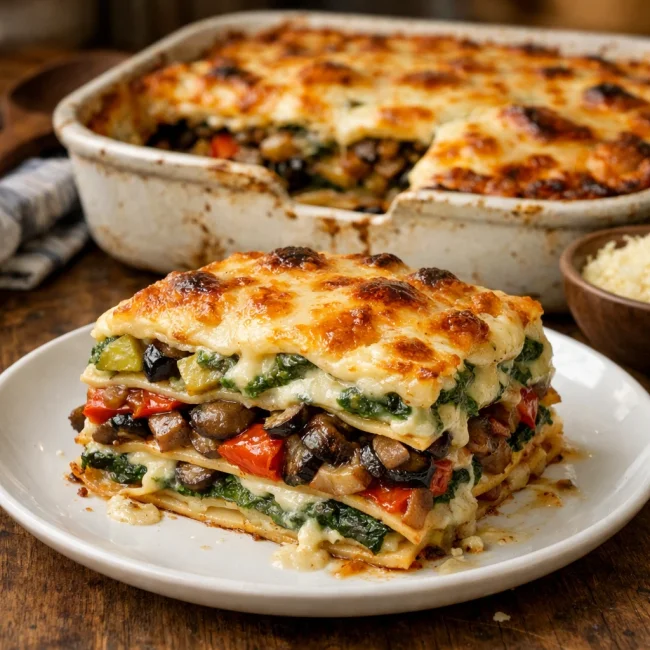
Layered Vegetable and Mushroom Lasagna
Indulge in a deliciously unique twist on classic lasagna, featuring layers of roas...
View Recipe
Heirloom Squash Delight
Discover the comfort of a classic Heirloom Squash Delight, a rich and creamy casse...
View Recipe