
Fiery Szechuan Shrimp
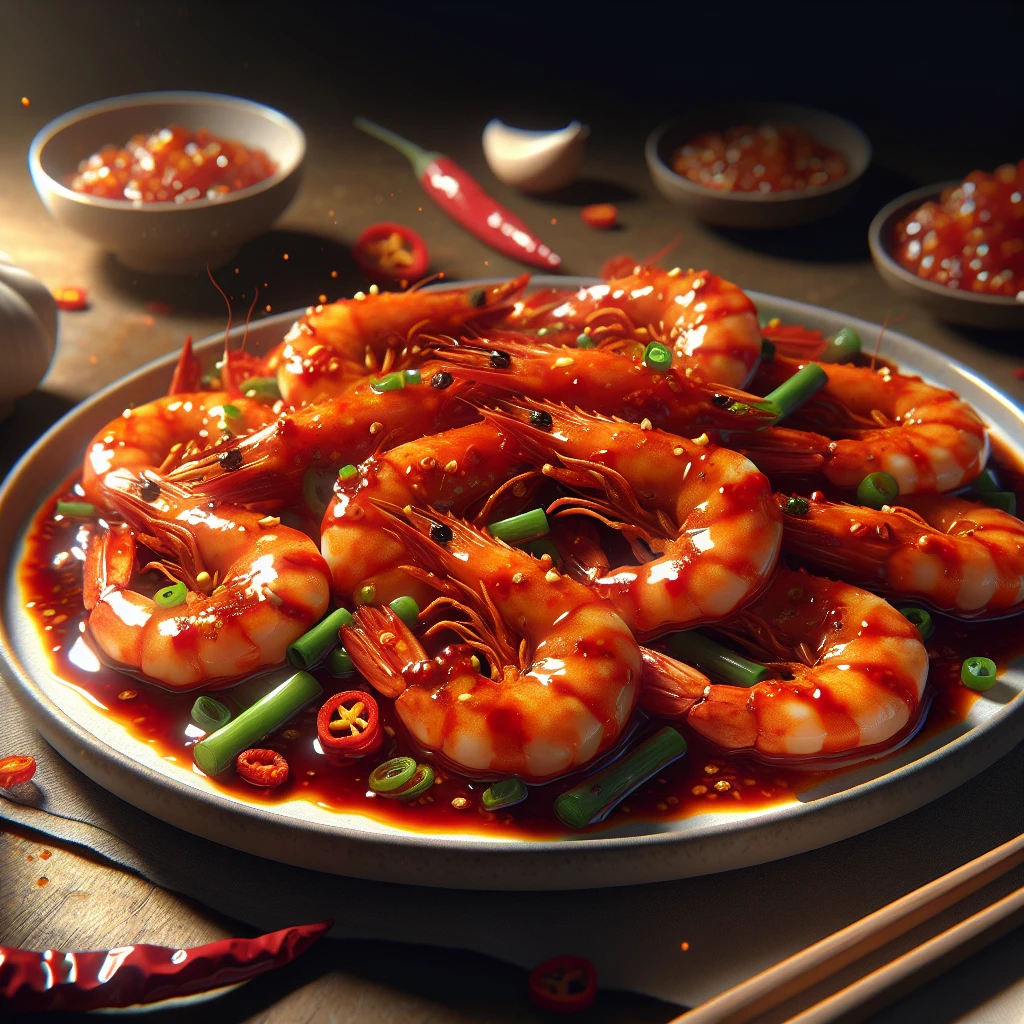
If you're looking to spice up your dinner routine, this Fiery Szechuan Shrimp recipe brings the heat and flavor with minimal effort. It's a quick, vibrant dish that combines bold spices with tender shrimp for an unforgettable meal.
 Share
Share
This post may contain affiliate links. As an Amazon Associate, we earn from qualifying purchases.
Ingredients for Fiery Szechuan Shrimp
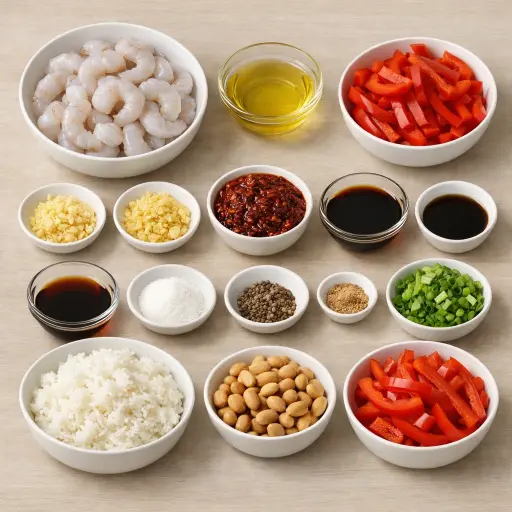
Shrimp: The star of the dish, shrimp absorbs the spicy sauce beautifully, providing a tender and juicy bite.
Vegetable oil: Neutral in flavor, it helps to cook the shrimp and sauté the aromatics without overpowering them.
Garlic and ginger: These aromatics lay the flavor foundation, infusing the oil and the dish with a warm, spicy aroma.
Szechuan chili paste: This is where the heat kicks in. It gives the dish its signature fiery kick.
Soy sauce: Adds a salty depth that balances the heat and complements the shrimp.
Rice vinegar: Provides a tangy contrast to balance the richness of the dish.
Sugar: Just a touch to mellow out the heat and enhance the natural sweetness of the shrimp.
Ground Szechuan peppercorns: This spice offers a unique numbing heat that is characteristic of Szechuan cuisine.
Green onions: Fresh and crisp, they add a pop of color and a mild onion flavor to the dish.
Red bell pepper: Adds sweetness and a crunchy texture that contrasts nicely with the tender shrimp.
Roasted peanuts: For a delightful crunch that complements the softness of the shrimp and the sauce.
Cooked white rice: The perfect side to soak up the flavorful sauce.
Why This Fiery Szechuan Shrimp Works
Shrimp cook very fast, so starting them alone in hot oil lets them firm up and stay juicy instead of boiling in sauce. Once they are just pink, they come out of the pan before they dry out. Later, when they go back into the hot sauce, they only need a short time to warm through and soak in the spicy coating, not cook all the way again.
While the garlic and ginger hit the oil, they soften and lightly brown, so they taste sweeter and less sharp. As the chili paste, soy sauce, vinegar, sugar, and Szechuan peppercorns heat together, the sugar melts and the liquid thickens a bit. The sauce starts to cling to the spoon instead of running off like water, which is why it sticks so well to the shrimp and peppers.
During the last few minutes, the red bell pepper softens but still stays a little crisp, so there is some crunch against the tender shrimp. Right at the end, green onions and peanuts go in so they stay bright and crunchy instead of soggy, giving the whole dish a mix of soft, chewy, and crisp bites.
Fiery Szechuan Shrimp Tips & Tricks
- If you prefer less heat, start with 2 tablespoons of Szechuan chili paste and adjust to taste.
- For a more intense Szechuan peppercorn flavor, toast them lightly before grinding.
- Using pre-shelled and deveined shrimp can save time without compromising quality.
- Ensure your skillet is hot before adding the shrimp to get a nice sear.
Mistakes To Avoid
Letting the shrimp cook too long in the first step makes them tough and rubbery. Once they go past just turning pink and opaque, the flesh tightens and squeezes out moisture, so even the spicy sauce later can’t fix the dry, bouncy texture.
When the pan is too cool for the first sear, the shrimp release liquid instead of sizzling. They end up steaming in their own juices, turning pale and a bit mushy, and the sauce later feels watery instead of clinging to firm pieces.
Adding the garlic and ginger too early or over low heat causes them to sit in the oil and slowly brown. By the time the chili paste goes in, the bits are dark and bitter, and those burnt specks spread through the whole dish.
Dumping in the bell pepper at the start with the shrimp means it cooks for too long. The slices go limp and soft, lose their slight crunch, and the final stir-fry feels flat instead of having a crisp bite against the tender shrimp.
Equipment Used:
Large skillet, spatula, measuring spoons, knife, cutting board
Ingredients
- 1 lb large shrimp, peeled and deveined
- 2 tbsp vegetable oil
- 3 cloves garlic, minced
- 1 tbsp fresh ginger, minced
- 3 tbsp Szechuan chili paste
- 2 tbsp soy sauce
- 1 tbsp rice vinegar
- 1 tbsp sugar
- 1/2 tsp ground Szechuan peppercorns
- 1/4 cup chopped green onions
- 1 red bell pepper, thinly sliced
- 1/2 cup roasted peanuts
- Cooked white rice, for serving
Step-by-step Instructions
- 1. Heat 1 tbsp of oil in a large skillet over medium-high heat. Add shrimp and cook until pink and opaque, about 2-3 minutes per side. Remove and set aside.
- 2. In the same skillet, add remaining oil. Stir in garlic and ginger, sautéing for 30 seconds until fragrant.
- 3. Add Szechuan chili paste, soy sauce, rice vinegar, sugar, and ground Szechuan peppercorns. Stir to combine and let simmer for 2 minutes.
- 4. Return shrimp to the skillet along with red bell pepper. Cook for an additional 3-4 minutes, ensuring shrimp are well-coated with the sauce.
- 5. Stir in green onions and roasted peanuts. Toss everything together and remove from heat.
- 6. Serve hot over a bed of cooked white rice.
Trending Now
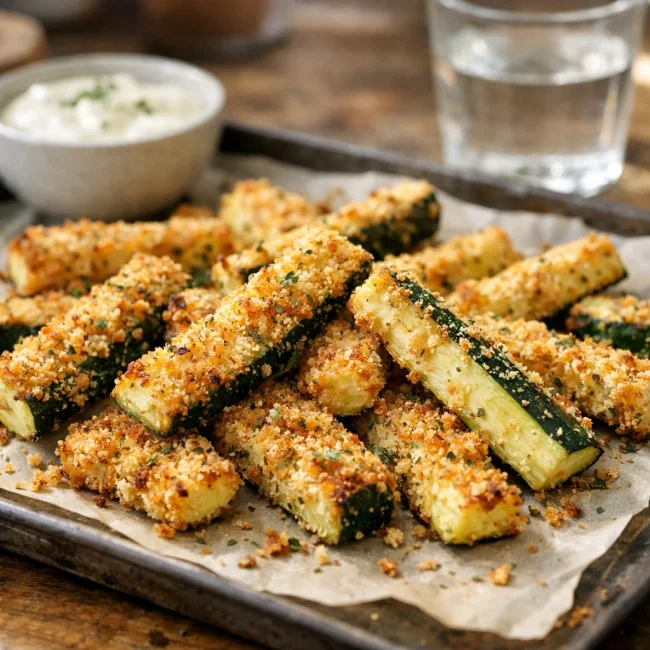
Zucchini Fries
Crispy oven-baked zucchini fries with a golden crust, perfect for a healthy snack ...
View Recipe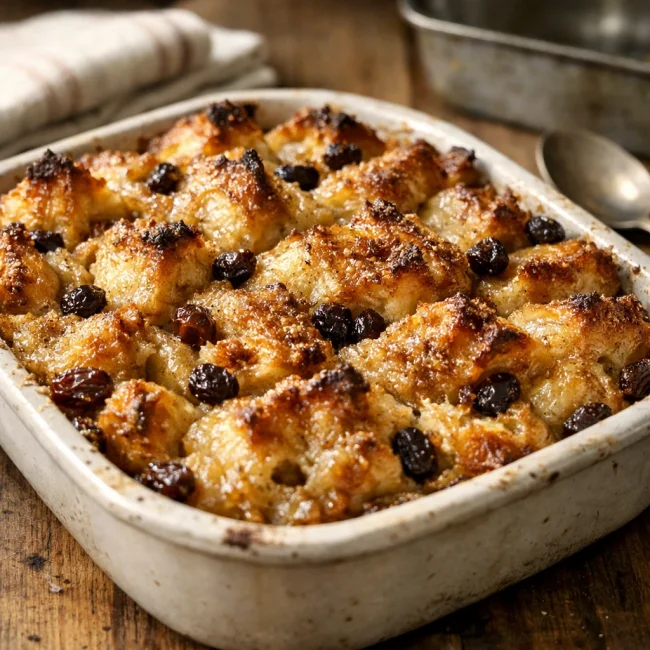
Old-Fashioned Bread Pudding
Discover the classic charm of Old-Fashioned Bread Pudding - a timeless dessert com...
View Recipe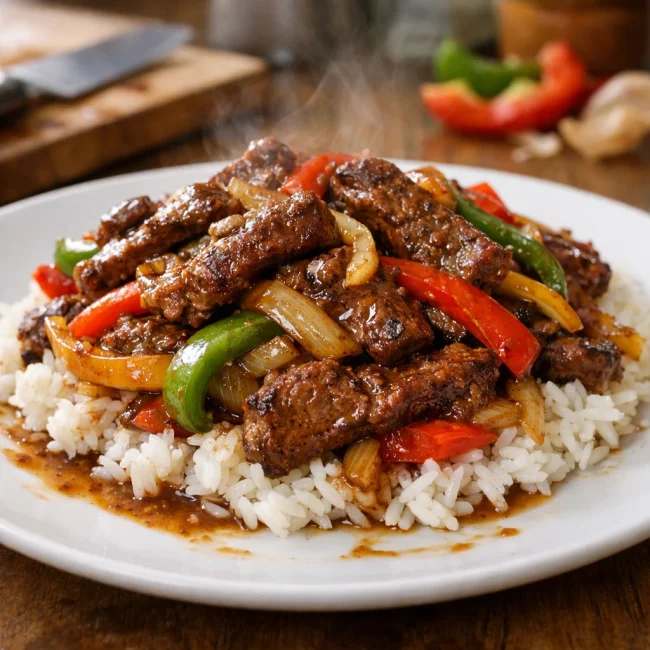
Traditional Pepper Steak
A timeless savory dish, Traditional Pepper Steak features juicy beef strips cooked...
View Recipe
Classic Cinnamon Rolls
Indulge in the sweet embrace of our homemade cinnamon rolls, perfect for breakfast...
View RecipeFrequently Asked Questions
- Can I use frozen shrimp?
- Yes, just make sure they're fully thawed and patted dry before cooking.
- Is there a substitute for Szechuan chili paste?
- If you can't find it, use sambal oelek or another chili paste, but the flavor profile will be slightly different.
- Can I make this dish vegetarian?
- Absolutely! Substitute the shrimp with tofu or a mix of your favorite vegetables.
Serving Ideas for Fiery Szechuan Shrimp
Serve this dish over a steaming bed of cooked white rice to absorb all the delicious sauce. For a complete meal, consider pairing it with a side of steamed broccoli or a simple cucumber salad to balance the heat. A chilled glass of white wine or a light beer can also complement the spicy flavors perfectly.
More Main Dishes Recipes
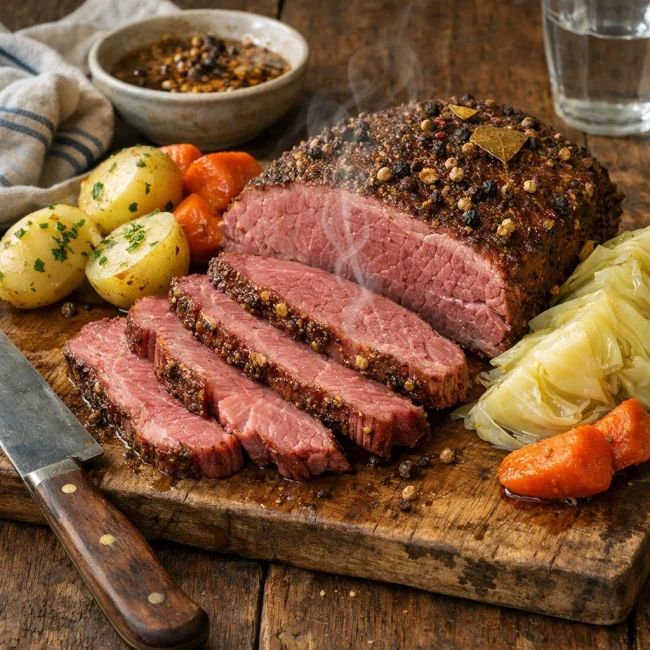
Unique Homemade Corned Beef
Discover the ultimate homemade corned beef recipe that balances rich flavors and t...
View Recipe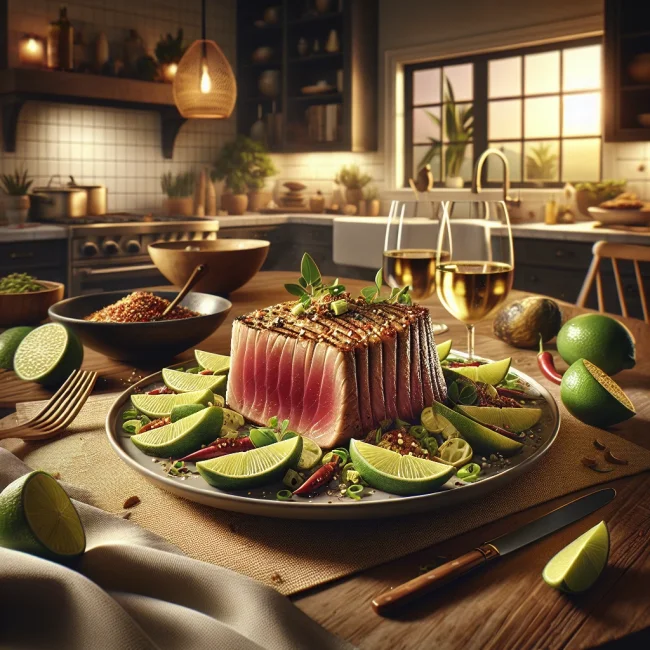
Spicy Lime Seared Ahi Tuna
Experience a burst of flavor with our Spicy Lime Seared Ahi Tuna, a perfect fusion...
View Recipe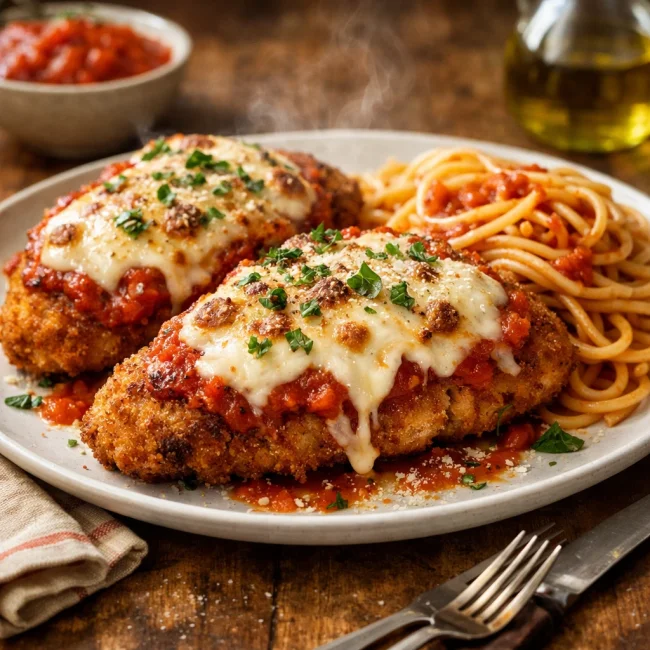
Traditional Chicken Parmesan
Savor the authentic taste of Italian cuisine with our Traditional Chicken Parmesan...
View Recipe
Seared Ahi Tuna
Experience the sublime taste of seared Ahi tuna, a Japanese-inspired dish that hig...
View Recipe