
Vegetable Curry
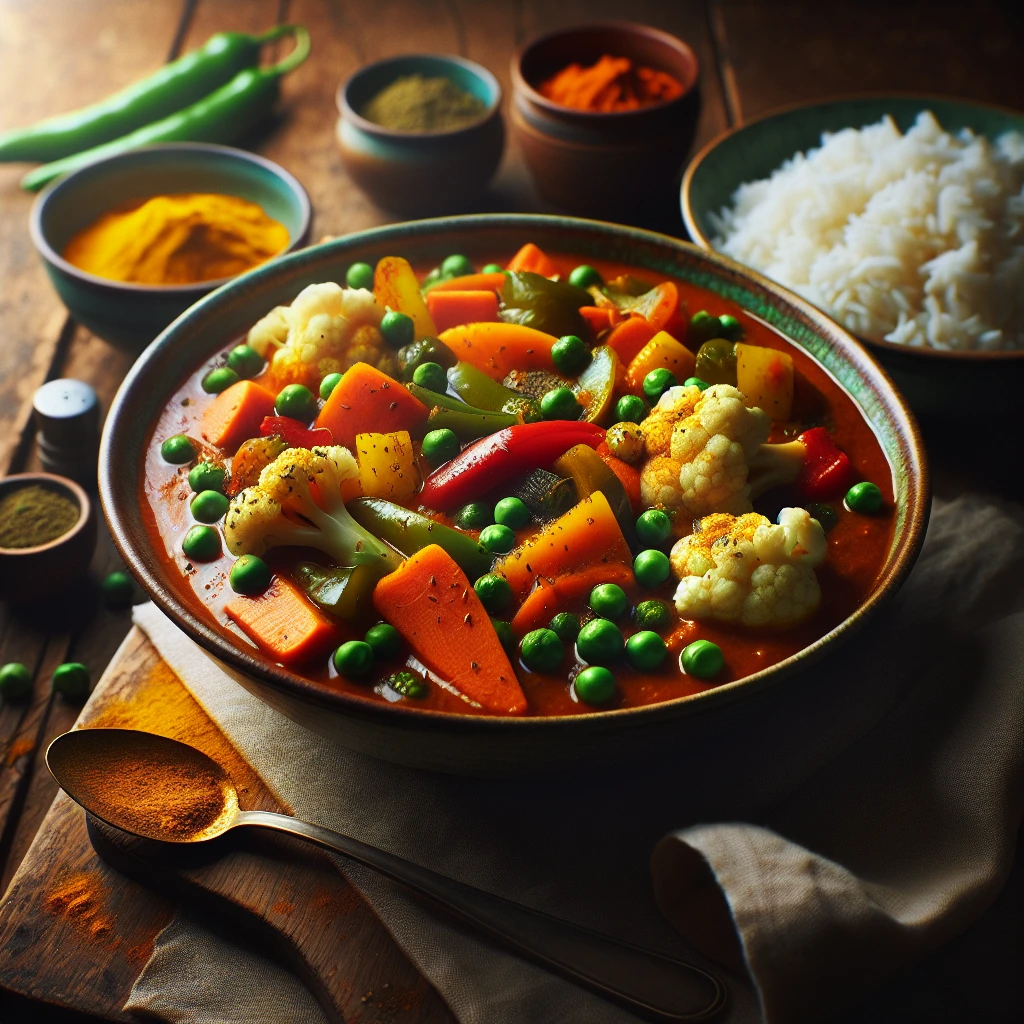
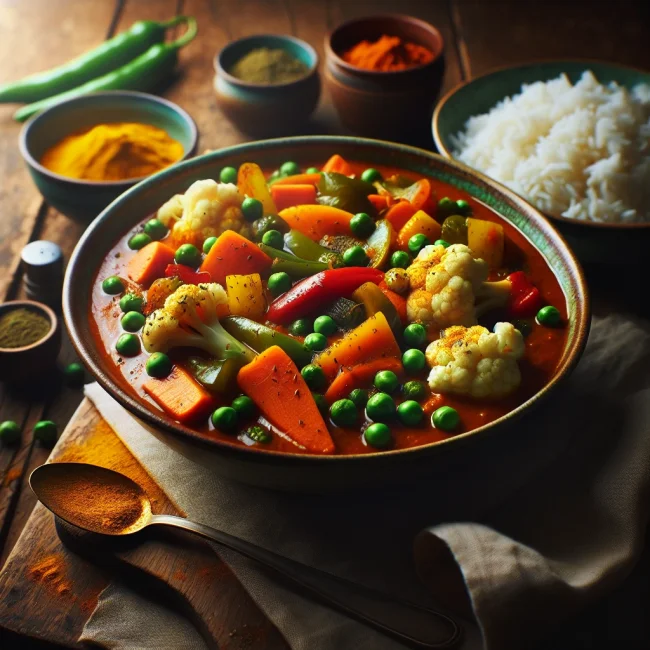
This Vegetable Curry is a vibrant, aromatic dish that brings the essence of warmth and comfort to your table. Packed with a medley of fresh veggies and infused with spices, it's a delightful way to enjoy a hearty, plant-based meal.
 Share
Share
This post may contain affiliate links. As an Amazon Associate, we earn from qualifying purchases.
Ingredients for Vegetable Curry
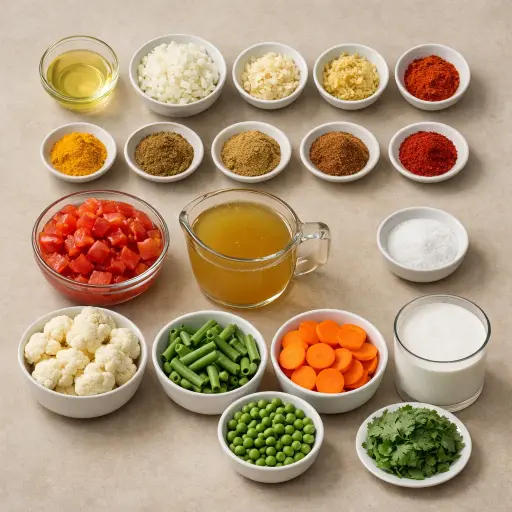
The base of our curry starts with vegetable oil, which helps to sauté our aromatics. The onion, garlic, and ginger form the flavor foundation, bringing depth and warmth. We use a blend of turmeric, cumin, coriander, and garam masala to create a robust and earthy spice profile, with red chili powder adding a hint of heat. Diced tomatoes and vegetable broth make up the saucy base, while cauliflower, green beans, carrots, and peas provide a variety of textures. Finally, coconut milk smooths everything out with its creamy richness, and a sprinkle of cilantro adds a fresh finish.
Why This Vegetable Curry Works
As the onion, garlic, and ginger cook in the oil, they soften and lose their sharp bite. They start to taste sweeter and milder, so the base of the curry isn’t harsh. When the spices go in next, the dry powders hit the hot, oily pan and cling to the onion mixture. They darken slightly and spread through the oil, so later every bit of vegetable gets coated instead of the spices sitting in one spot.
After the tomatoes and broth are added, the liquid gives the spices room to move around the pot. The cauliflower, green beans, and carrots sit in this hot, seasoned liquid and slowly soften. With steady heat, the vegetables cook through but still hold their shape, so the curry doesn’t turn mushy. Once the peas and coconut milk go in near the end, the coconut milk smooths everything out and slightly thickens as it heats. By the time it finishes, the vegetables are tender, the sauce is creamy, and the spices are spread evenly through every spoonful.
Vegetable Curry Tips & Tricks
- Keep your spices fresh — they lose potency over time.
- For extra heat, add more chili powder or a pinch of cayenne.
- If you prefer a thicker curry, simmer uncovered to reduce the liquid.
- Make a double batch and freeze portions for quick meals later.
Mistakes To Avoid
Starting the curry with onions that are still raw or barely softened leaves them sharp and wet, so they release a lot of moisture later. The sauce then stays thin and watery instead of turning into a thicker base that clings to the vegetables.
Letting the spices sit in the pot too long without enough oil or liquid easily burns them. Once they scorch, the whole curry takes on a harsh, bitter taste and the color can turn dull and muddy instead of bright.
Adding the cauliflower, beans, and carrots too late in the process means they don’t get enough simmer time. The coconut milk goes in while they are still firm, so by the time the sauce is ready, the vegetables stay hard in the center.
Boiling the curry hard after the coconut milk goes in can cause the sauce to split. The fat separates and floats on top, leaving a grainy, oily layer instead of a smooth, creamy curry.
Equipment Used:
Ingredients
- 2 tbsp vegetable oil
- 1 onion, finely chopped
- 3 cloves garlic, minced
- 1 tbsp fresh ginger, grated
- 1 tsp ground turmeric
- 1 tsp ground cumin
- 1 tsp ground coriander
- 1 tsp garam masala
- 1/2 tsp red chili powder
- 1 can (14 oz) diced tomatoes
- 1 cup vegetable broth
- 2 cups cauliflower florets
- 1 cup green beans, trimmed and cut
- 1 cup carrots, sliced
- 1 cup peas
- 1 can (14 oz) coconut milk
- Salt to taste
- Fresh cilantro, for garnish
Step-by-step Instructions
- 1. Heat oil in a large pot over medium heat. Add the onion and sauté until translucent, about 5 minutes.
- 2. Stir in the garlic and ginger, cooking for another 2 minutes until fragrant.
- 3. Add turmeric, cumin, coriander, garam masala, and chili powder, stirring constantly for 1 minute.
- 4. Pour in diced tomatoes and vegetable broth, stirring to combine.
- 5. Add cauliflower, green beans, and carrots. Bring to a simmer, cover, and cook for 15 minutes or until vegetables are tender.
- 6. Stir in peas and coconut milk, cooking for an additional 5 minutes.
- 7. Season with salt to taste. Garnish with cilantro before serving.
Trending Now
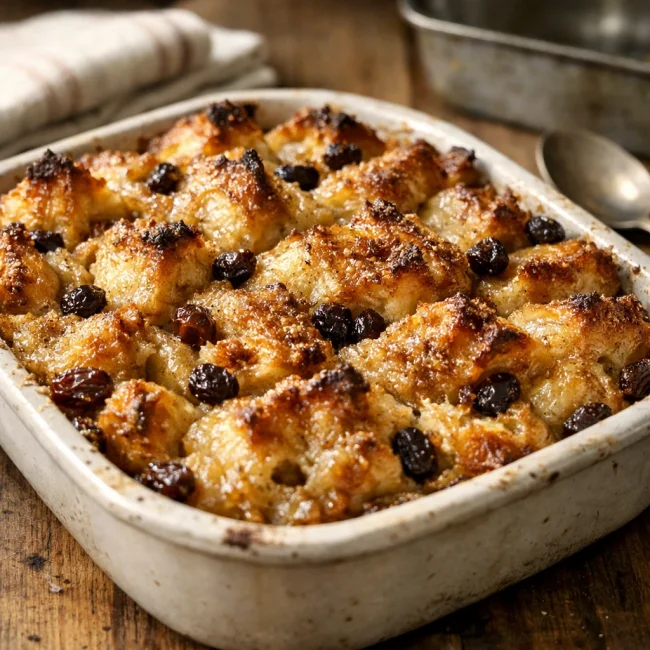
Old-Fashioned Bread Pudding
Discover the classic charm of Old-Fashioned Bread Pudding - a timeless dessert com...
View Recipe
Traditional Fluffy Pancakes
Discover the perfect start to your morning with our Traditional Fluffy Pancakes, a...
View Recipe
Zucchini Fries
Crispy oven-baked zucchini fries with a golden crust, perfect for a healthy snack ...
View Recipe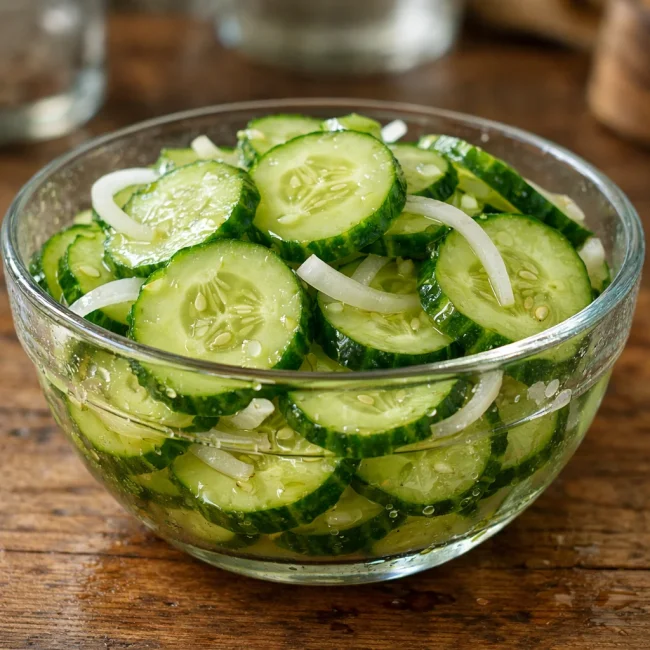
Traditional Cucumber Salad
This refreshing cucumber salad balances tangy vinegar and sweet sugar for a classi...
View RecipeFrequently Asked Questions
- Can I use frozen vegetables?
- Yes, frozen vegetables can be used. Just add them directly to the pot and adjust cooking times as needed.
- How can I make it less spicy?
- Reduce or omit the red chili powder to suit your spice preference.
Serving Ideas for Vegetable Curry
Serve this vegetable curry over steamed basmati rice or with warm naan bread to soak up the flavorful sauce. A side of cucumber raita can provide a cooling contrast to the spices.
More Vegetarian, Indian Recipes
Vegetable Curry
A delightful vegetable curry that combines a medley of vibrant vegetables with an ...
View Recipe