
Traditional Roasted Vegetables
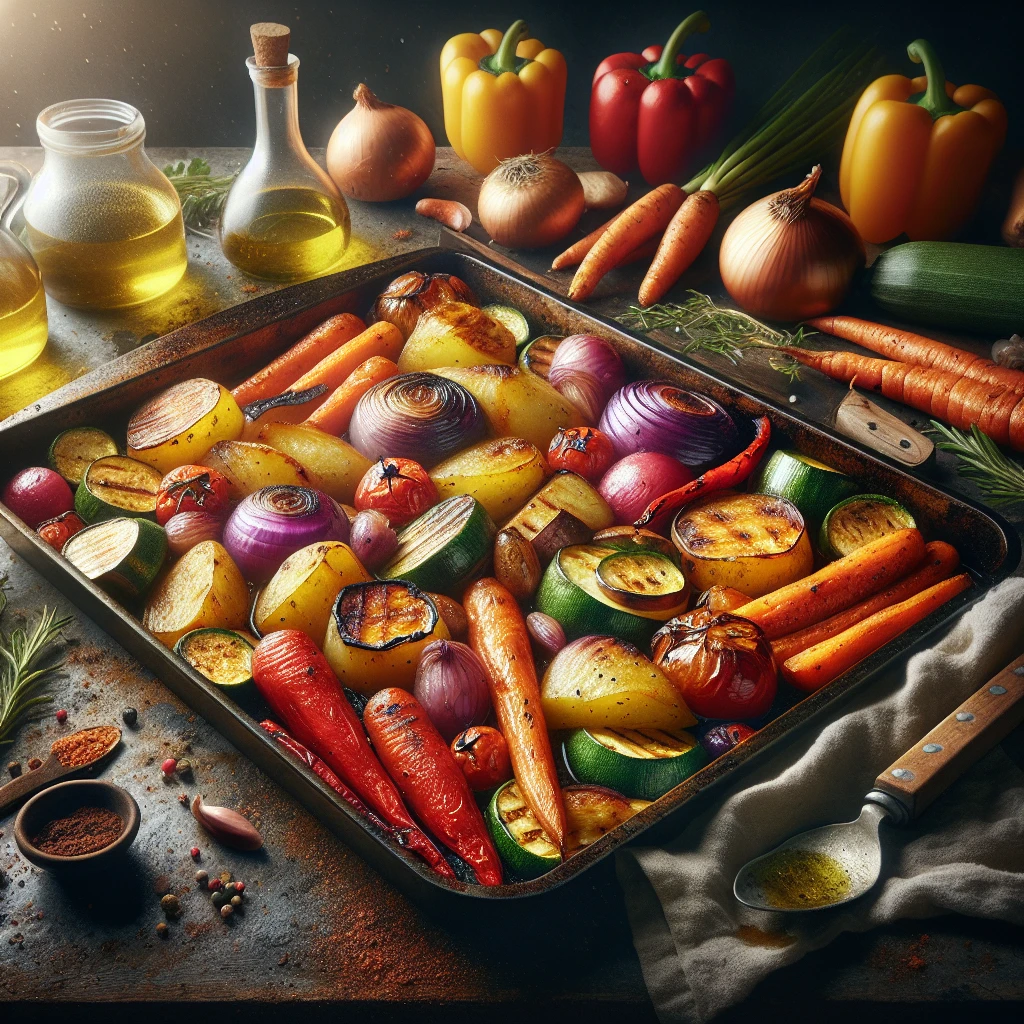
Traditional Roasted Vegetables are a versatile staple that can brighten up any meal. This recipe celebrates simple, fresh ingredients and brings out natural flavors with ease. Perfect for any season, it's a no-fuss way to get more veggies onto your plate.
 Share
Share
This post may contain affiliate links. As an Amazon Associate, we earn from qualifying purchases.
Ingredients for Traditional Roasted Vegetables
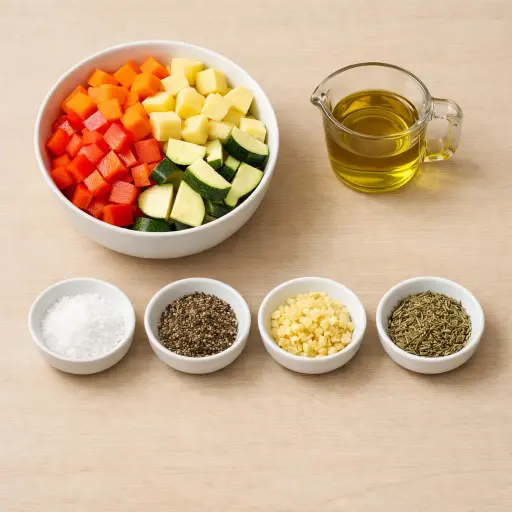
Carrots add a subtle sweetness and vibrant color. Potatoes provide heartiness and a comforting texture. Bell peppers bring a touch of sweetness and a pop of color. Zucchini is mild and tender, balancing the other veggies. Olive oil helps everything crisp up beautifully in the oven. A dash of salt enhances all the flavors, while black pepper gives a little heat. Garlic infuses the dish with a warm, aromatic depth. Dried thyme and rosemary offer a fragrant, earthy finish.
Why This Traditional Roasted Vegetables Works
In the hot oven, the vegetables all cook at about the same speed because they are cut into even pieces. The carrots and potatoes start out firm, but as they roast, the inside softens and the edges dry a little, so they can brown. Bell peppers and zucchini have more water, so they shrink and wrinkle as that water steams out. That steam keeps everything from drying out too much while the outsides are browning.
As the olive oil warms up, it coats every piece, so the vegetables don’t stick and the heat can reach them more evenly. Salt pulls a bit of moisture to the surface, which then dries on the hot pan and lets the edges go golden. Garlic, thyme, and rosemary cling to the oiled surfaces, so they stay on the vegetables instead of burning on the pan. When the tray is stirred halfway through, new sides are exposed to the hot pan and air, so more surfaces brown and the vegetables end up tender inside with crisp, browned edges.
Traditional Roasted Vegetables Tips & Tricks
- Cut all vegetables to a similar size to ensure even cooking.
- Use a large baking sheet to avoid overcrowding, which can lead to steaming instead of roasting.
- If you prefer softer vegetables, add a few extra minutes to the roasting time.
- Try adding a splash of balsamic vinegar before serving for a tangy twist.
Mistakes To Avoid
Cutting the vegetables in very different sizes often leads to a tray where some pieces burn while others stay hard. Small bits of carrot or pepper can turn dry and shriveled before the bigger chunks of potato or zucchini even soften.
Crowding the baking sheet so the vegetables sit on top of each other makes them steam instead of roast. Moisture gets trapped between the pieces, so they come out soft and pale instead of getting those browned, slightly crisp edges.
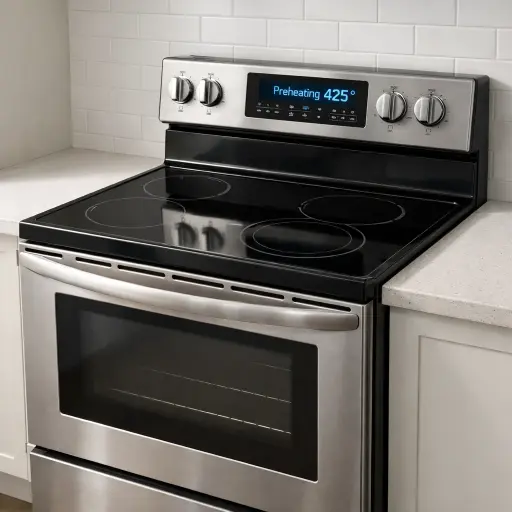
Roasting at a much lower temperature than 425°F keeps the vegetables from caramelizing. They slowly dry out and turn a bit leathery on the outside while staying a little firm in the center, without that roasted, tender texture.
Skipping the stir halfway through leaves one side of the vegetables stuck to the hot pan for too long. The side touching the pan can burn or get too dark, while the top side stays softer and less cooked.
Equipment Used:
Ingredients
- 3 cups assorted vegetables (carrots, potatoes, bell peppers, and zucchini)
- 2 tablespoons olive oil
- 1 teaspoon salt
- 1/2 teaspoon black pepper
- 2 cloves garlic, minced
- 1 teaspoon dried thyme
- 1 teaspoon dried rosemary
Step-by-step Instructions
- 1. Preheat the oven to 425°F.
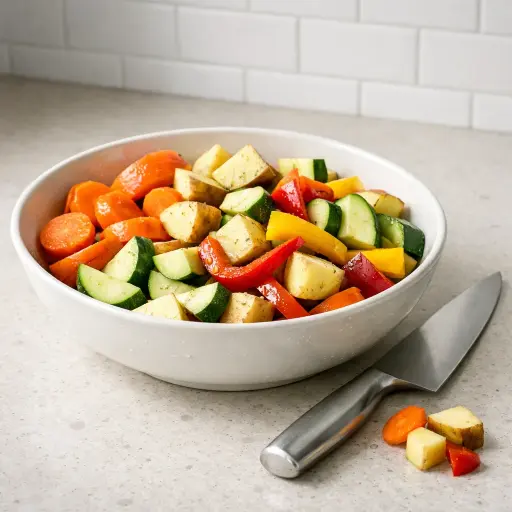
- 2. Wash and cut all vegetables into even-sized pieces.
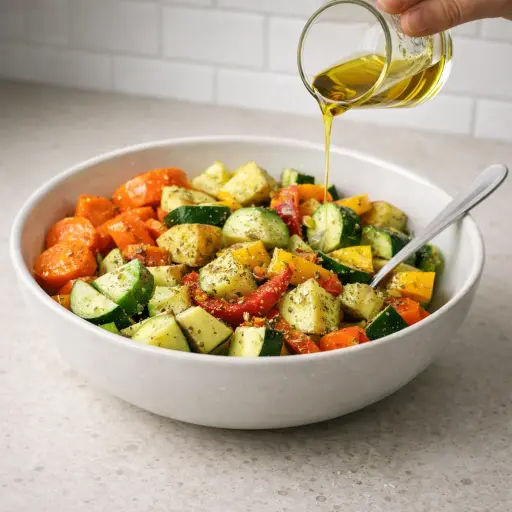
- 3. In a large bowl, combine the vegetables with olive oil, salt, black pepper, minced garlic, thyme, and rosemary.
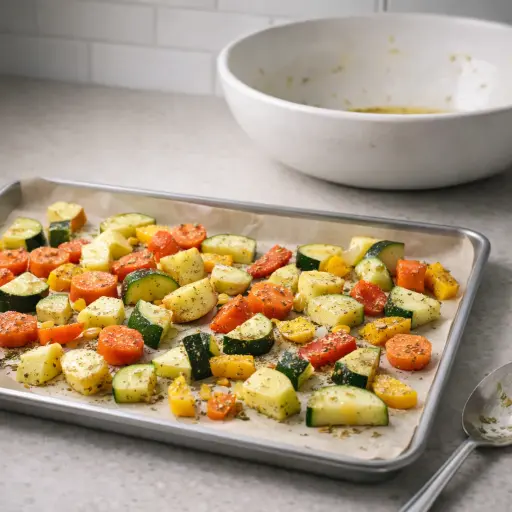
- 4. Spread the vegetables evenly on a baking sheet lined with parchment paper.
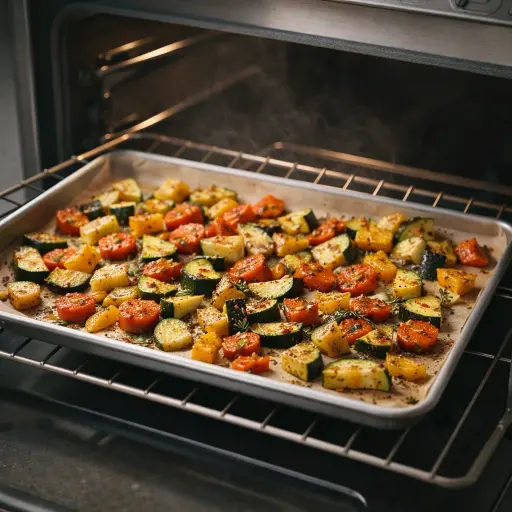
- 5. Roast in the preheated oven for 25-30 minutes, stirring halfway through, until the vegetables are golden and tender.
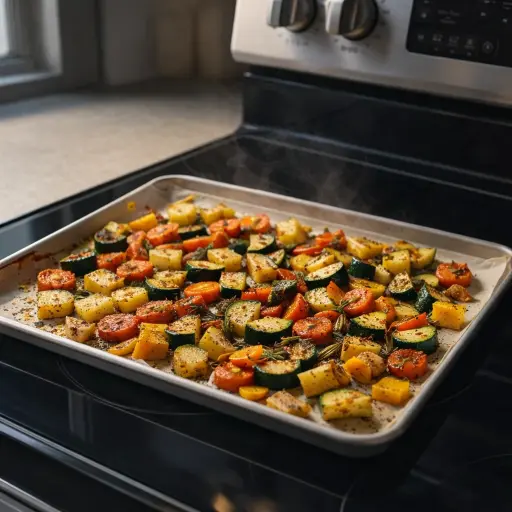
- 6. Remove from the oven and serve immediately.
Trending Now

Old-Fashioned Pancakes
Relish in the simplicity and comfort of homemade old-fashioned pancakes, perfect f...
View Recipe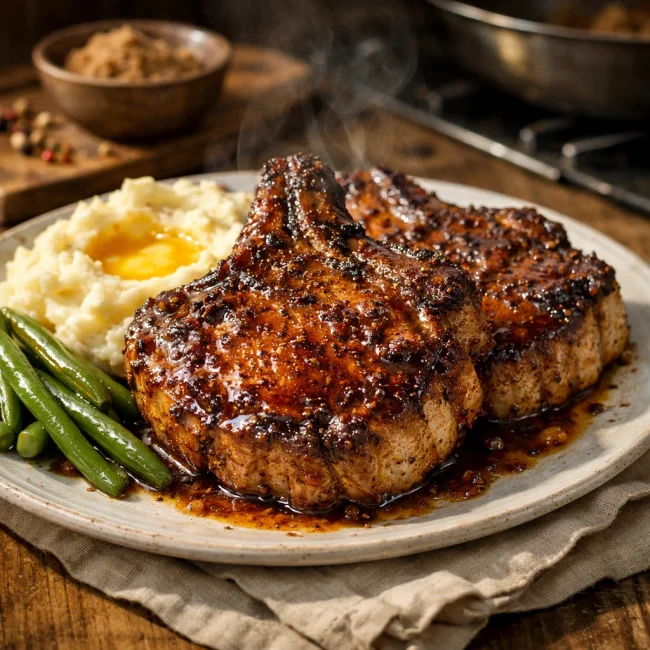
Spiced Brown Sugar Pork Chops
A delightful twist on traditional pork chops, featuring a brown sugar glaze mixed ...
View Recipe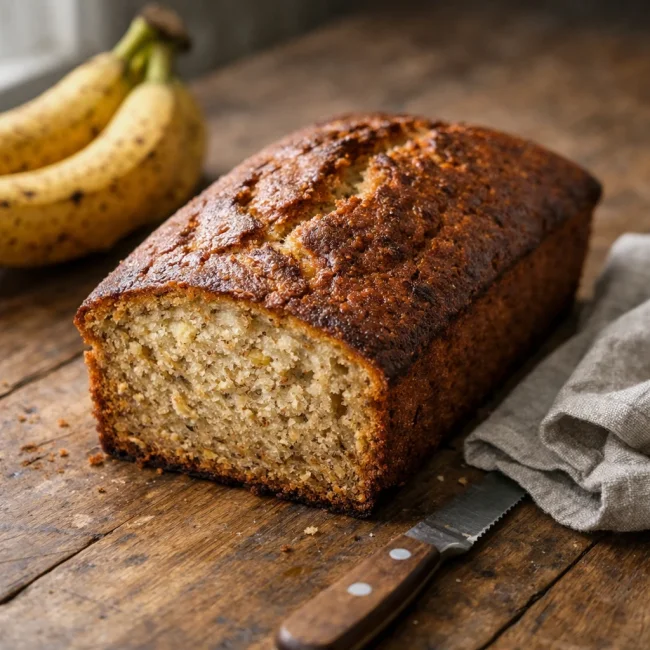
Moist Banana Loaf
Discover the timeless charm of our Moist Banana Loaf, a luscious and tender treat ...
View Recipe
Classic Blueberry Muffins
Deliciously moist and fluffy, these classic blueberry muffins are bursting with fr...
View RecipeFrequently Asked Questions
- Can I use other vegetables?
- Absolutely! Feel free to substitute or add vegetables like broccoli, Brussels sprouts, or sweet potatoes.
- How do I store leftovers?
- Store any leftovers in an airtight container in the refrigerator for up to 3 days. Reheat in the oven to retain their crispiness.
- Can I use fresh herbs instead of dried?
- Yes, fresh herbs like thyme or rosemary will add a wonderful flavor. Adjust the quantity, as fresh herbs are more potent.
Serving Ideas for Traditional Roasted Vegetables
These roasted vegetables pair beautifully with grilled chicken or a juicy steak. They also make a hearty topping for a quinoa or rice bowl. Alternatively, toss them into a salad for added texture and flavor.
More Side Dishes Recipes
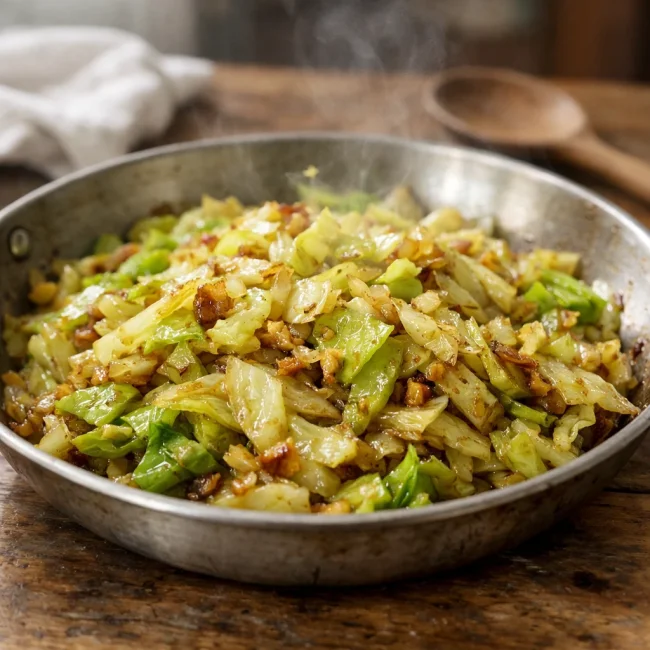
Savory Sautéed Cabbage
This savory sautéed cabbage dish brings out the natural sweetness and crispness of...
View Recipe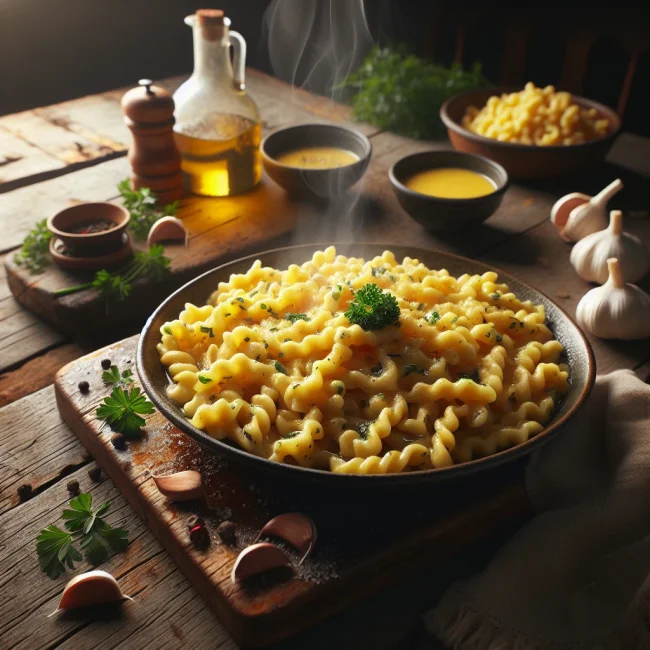
Herbed Spaetzle with Garlic Butter
Discover the delightful twist on traditional German Spaetzle with this easy-to-mak...
View Recipe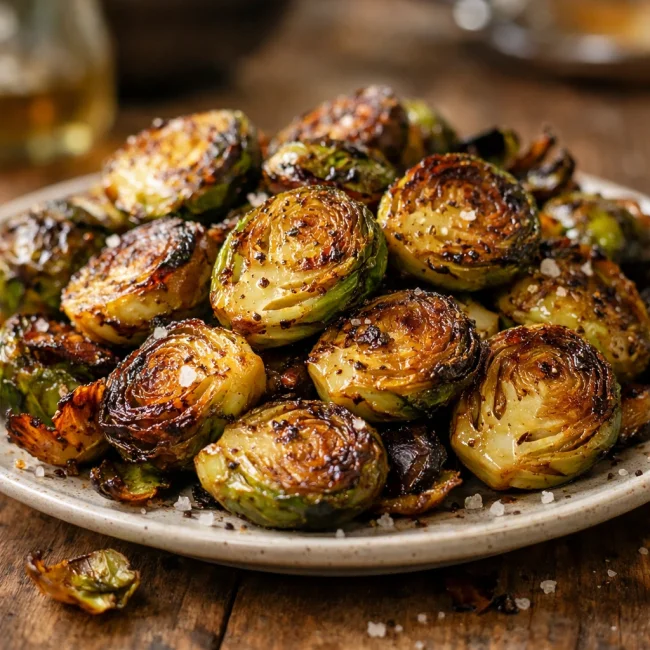
Golden Crispy Brussels Sprouts
Delight in the golden perfection of these crispy Brussels sprouts, a delightful si...
View Recipe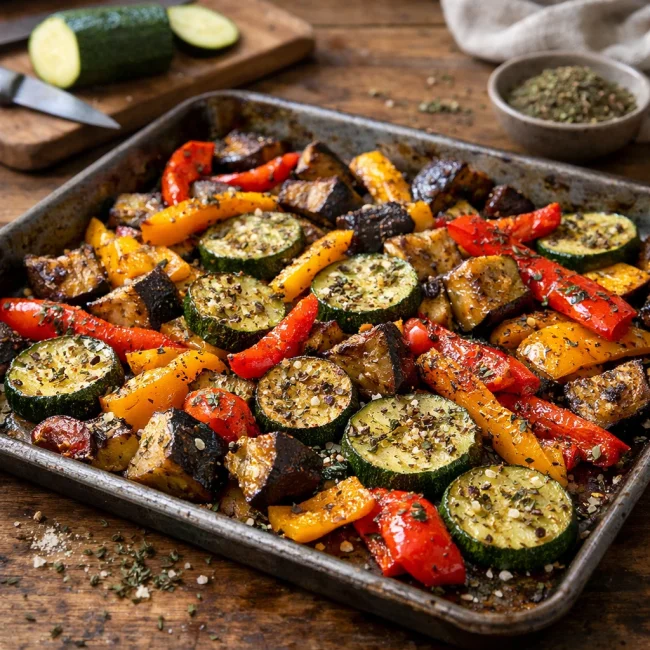
Marjoram-Seasoned Roasted Vegetables
Marjoram-Seasoned Roasted Vegetables bring a delightful floral note to roasted zuc...
View Recipe