
Traditional German Spaetzle
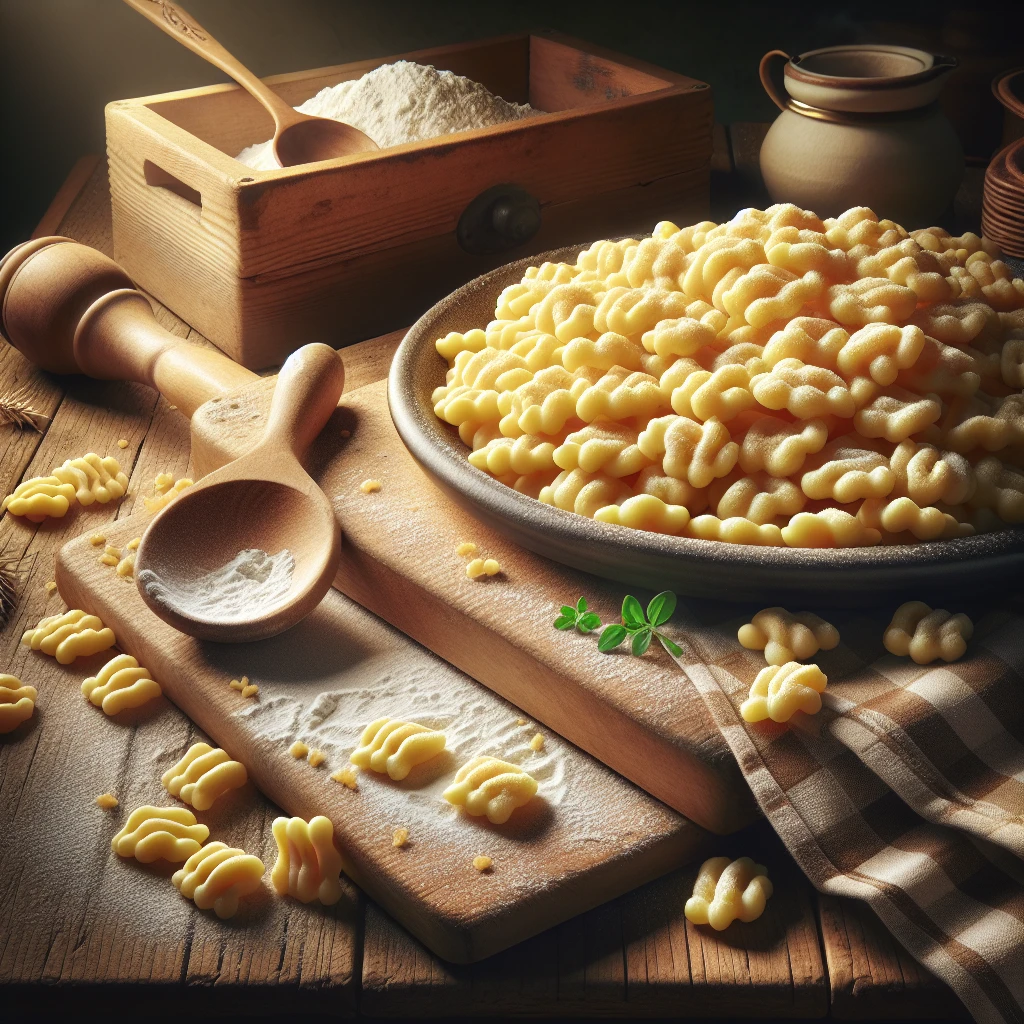
Spaetzle is a delightful traditional German pasta that’s incredibly versatile and comforting. Made with just a few basic ingredients, it’s a dish that transforms a simple meal into something special. Whether as a side or the main event, spaetzle is sure to impress with its soft, tender texture.
 Share
Share
This post may contain affiliate links. As an Amazon Associate, we earn from qualifying purchases.
Ingredients for Traditional German Spaetzle
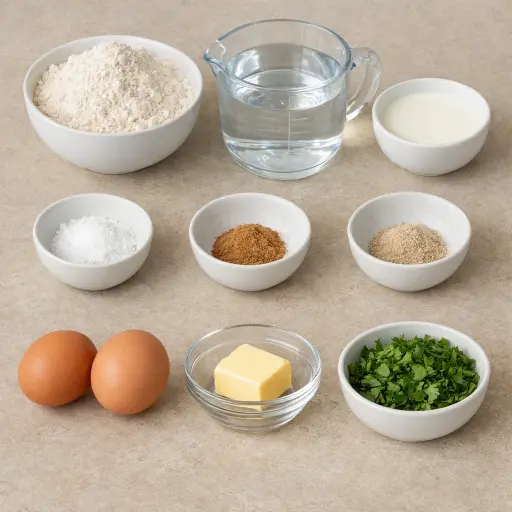
The base of this recipe is all-purpose flour, which provides structure and substance to the spaetzle. We add a touch of salt for flavor, while nutmeg brings a subtle warmth that’s traditional in German cooking. A pinch of white pepper gives just a hint of spice without overpowering. The eggs are crucial for binding everything together, and whole milk ensures a rich, tender dough. Finally, butter is tossed with the cooked spaetzle for a luscious finish, and fresh parsley adds a pop of color and freshness, though it’s optional.
Why This Traditional German Spaetzle Works
As the eggs and milk go into the flour, the dough starts out thick and sticky. Stirring wakes up the gluten in the flour, so the batter becomes stretchy and elastic instead of runny. That stretchy batter is what lets the spaetzle hold together when it hits the boiling water, instead of breaking apart into mush. The salt seasons the dough, and the nutmeg and white pepper spread through the batter so every little noodle has some taste.
Once the batter is pushed through the spaetzle maker or colander into the boiling water, the heat sets the egg and flour right away. The outside of each piece firms up first, so it keeps its shape, while the inside cooks through and stays a little soft and chewy. After a couple of minutes, the spaetzle float, which shows they are cooked and a bit puffed. Tossing the hot spaetzle with butter coats the outside so they don’t stick together and stay tender, and the parsley just clings to that buttery surface.
Traditional German Spaetzle Tips & Tricks
- If you don’t have a spaetzle maker, a colander or even a large-holed cheese grater works perfectly.
- Chill your dough briefly before pressing it. This can make it easier to handle.
- Don’t overcrowd the pot. Cook the spaetzle in batches if necessary to prevent them from clumping.
Mistakes To Avoid
Letting the batter stay very thick, like bread dough, makes the spaetzle heavy and chewy. The pieces don’t puff in the water and stay dense in the middle instead of soft all the way through. The finished noodles feel tough and sit like little lumps on the plate.
Pouring the egg and milk mixture into the flour all at once often leaves dry pockets of flour and small hard lumps. Those lumps don’t fully hydrate, so they cook up as rubbery bits inside the spaetzle. The texture ends up uneven, with some bites soft and others oddly firm or floury.
Overcooking the spaetzle in the boiling water turns them from springy to mushy. The pieces start to swell, the edges fray, and they can break apart when scooped out. On the plate they clump together and feel pasty instead of bouncy.
Letting the cooked spaetzle sit in a bowl without butter makes them stick together as they cool. The surface dries and the pieces glue themselves into one big mass. Later they are hard to separate without tearing them into rough chunks.
Equipment Used:
Large pot, Spaetzle maker or colander, Mixing bowls, Whisk, Slotted spoon
Ingredients
- 2 cups all-purpose flour
- 1 teaspoon salt
- 1/4 teaspoon ground nutmeg
- 1/4 teaspoon white pepper
- 2 large eggs
- 3/4 cup whole milk
- 3 quarts water
- 1 tablespoon butter
- 2 tablespoons chopped fresh parsley (optional)
Step-by-step Instructions
- 1. In a large bowl, combine the flour, salt, nutmeg, and white pepper.
- 2. In a separate bowl, whisk together the eggs and milk.
- 3. Gradually add the egg mixture to the dry ingredients, stirring until well combined and smooth.
- 4. Bring 3 quarts of water to a boil in a large pot.
- 5. Using a spaetzle maker or a colander, press the batter into the boiling water.
- 6. Cook the spaetzle for 2-3 minutes, until they float to the surface.
- 7. Remove the spaetzle with a slotted spoon and transfer to a bowl.
- 8. Toss the spaetzle with butter and parsley, if desired, before serving.
Trending Now

Old-Fashioned Pancakes
Relish in the simplicity and comfort of homemade old-fashioned pancakes, perfect f...
View Recipe
Spiced Brown Sugar Pork Chops
A delightful twist on traditional pork chops, featuring a brown sugar glaze mixed ...
View Recipe
Moist Banana Loaf
Discover the timeless charm of our Moist Banana Loaf, a luscious and tender treat ...
View Recipe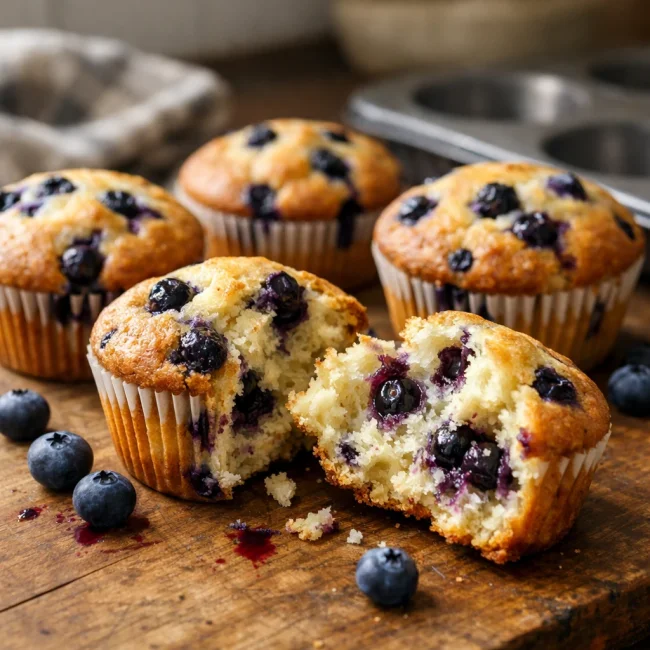
Classic Blueberry Muffins
Deliciously moist and fluffy, these classic blueberry muffins are bursting with fr...
View RecipeFrequently Asked Questions
- Can I make spaetzle ahead of time?
- Yes! Cooked spaetzle can be stored in the refrigerator for up to two days. Just reheat it gently in a skillet with a little butter before serving.
- Can I freeze spaetzle?
- Definitely. Freeze the cooked spaetzle on a baking sheet, then transfer to a freezer bag once solid. They can be stored for up to three months.
Serving Ideas for Traditional German Spaetzle
Spaetzle pairs beautifully with rich, savory dishes like beef goulash or sauerbraten. For a lighter touch, try serving it alongside a crisp green salad or roasted vegetables. It’s also fantastic tossed with a bit of browned butter and topped with grated cheese for a simple, satisfying meal.
More Side Dishes Recipes
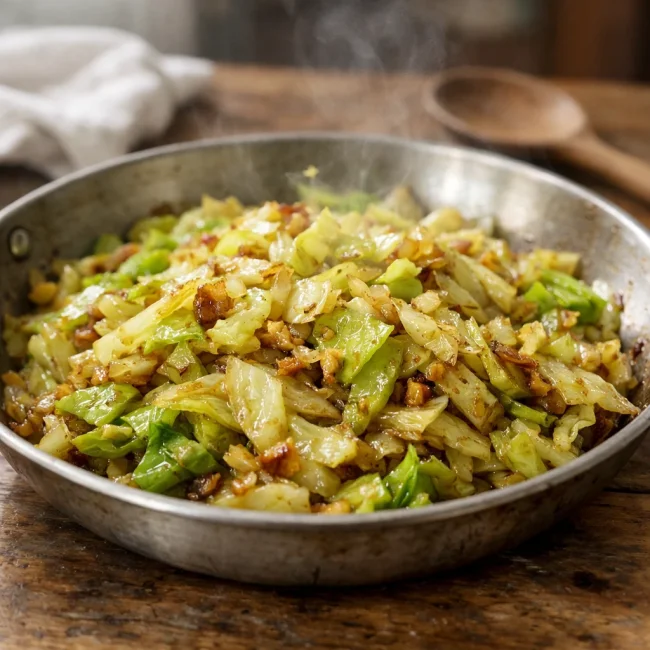
Savory Sautéed Cabbage
This savory sautéed cabbage dish brings out the natural sweetness and crispness of...
View Recipe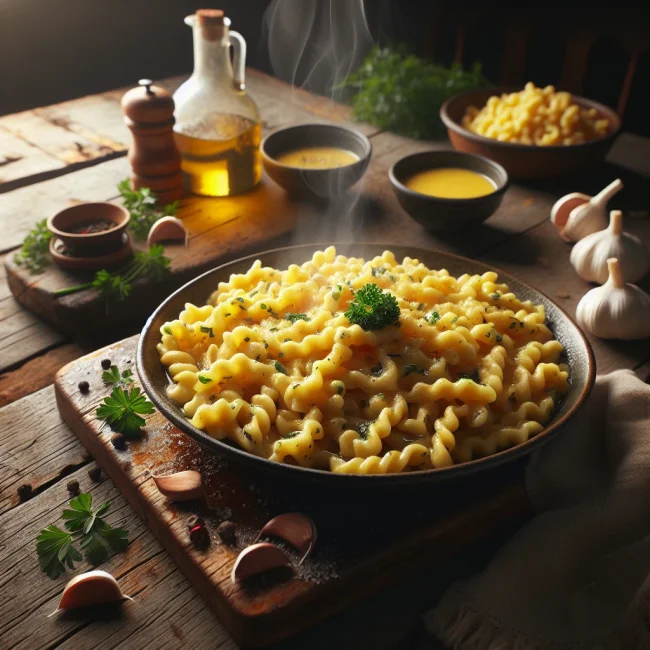
Herbed Spaetzle with Garlic Butter
Discover the delightful twist on traditional German Spaetzle with this easy-to-mak...
View Recipe
Golden Crispy Brussels Sprouts
Delight in the golden perfection of these crispy Brussels sprouts, a delightful si...
View Recipe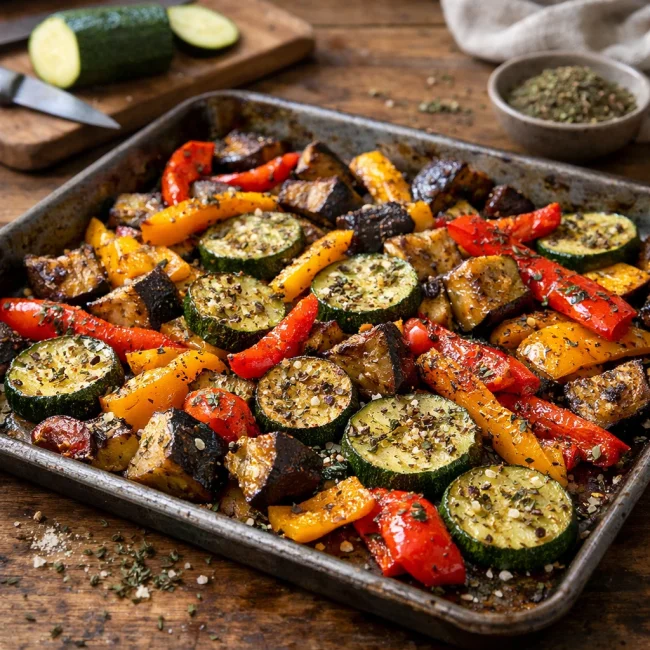
Marjoram-Seasoned Roasted Vegetables
Marjoram-Seasoned Roasted Vegetables bring a delightful floral note to roasted zuc...
View Recipe