
Pasta Aglio e Olio
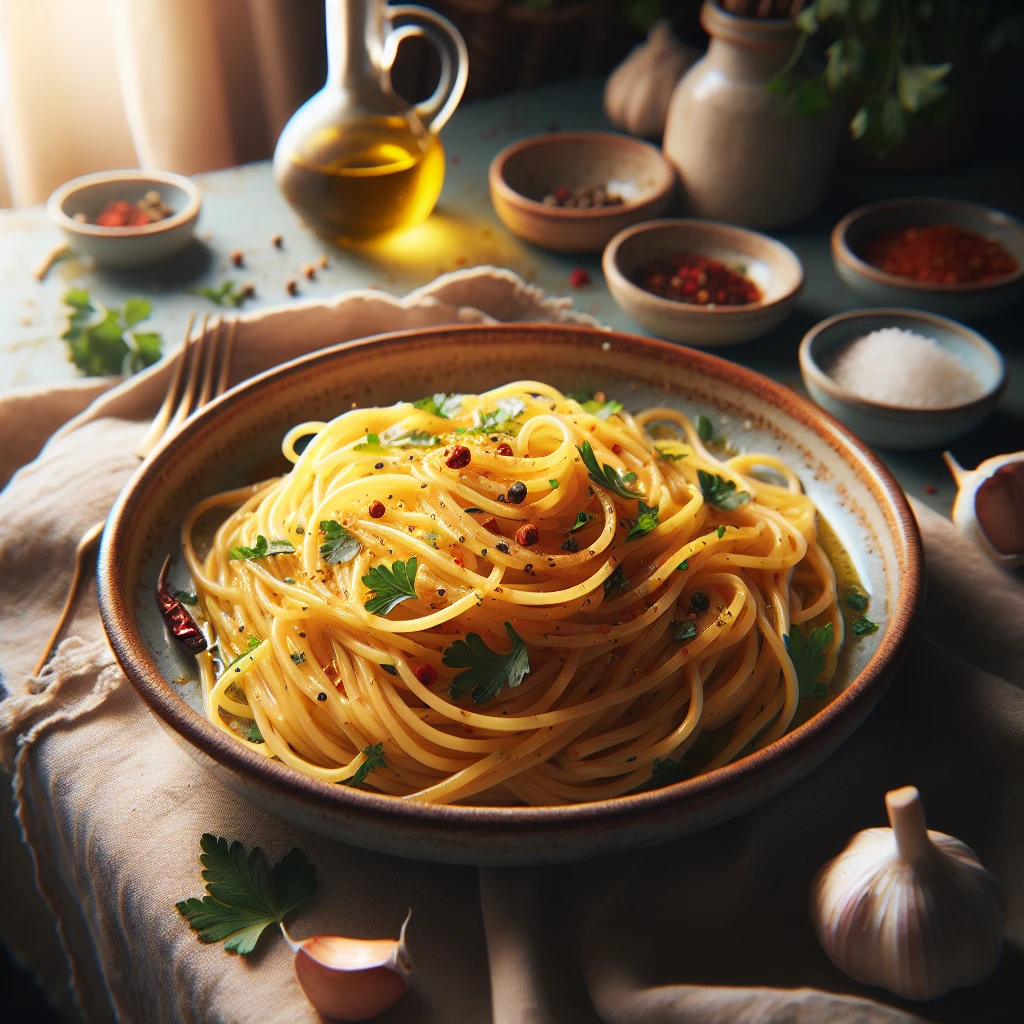
Pasta Aglio e Olio is an Italian classic that's all about simplicity and bold flavors. With just a handful of ingredients, you can whip up a dish that feels like a cozy evening in a Tuscan villa. Whether you're a busy bee or just looking to impress with minimal effort, this recipe has got you covered.
 Share
Share
This post may contain affiliate links. As an Amazon Associate, we earn from qualifying purchases.
Ingredients for Pasta Aglio e Olio
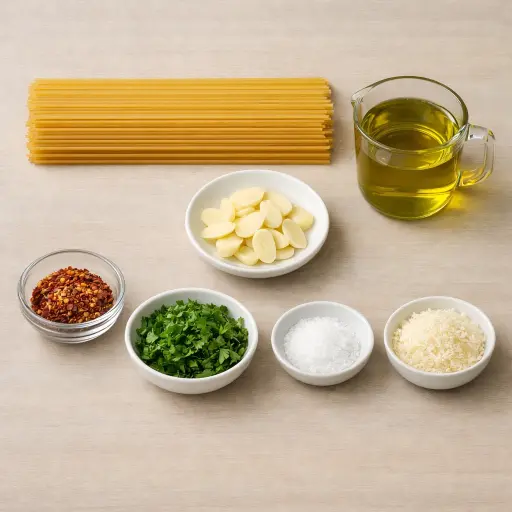
Spaghetti is the backbone of this dish; its long strands soak up the flavorful sauce beautifully. Garlic is the star, imparting a robust and aromatic base. Extra virgin olive oil acts as both the cooking fat and the sauce, lending a fruity richness. Red pepper flakes add a spicy kick, adjustable to your preference. Parsley provides a fresh, herby contrast that brightens the dish. A pinch of salt enhances all the flavors, and Parmesan cheese is an optional finish for a nutty depth.
Why This Pasta Aglio e Olio Works
During cooking, the pasta does more than just soften. As it boils, some starch from the spaghetti goes into the water. That starchy water is what later turns the oil and garlic into a light sauce instead of just oily noodles. When a little of that water hits the hot oil, it looks thin at first, but as it mixes with the starch and keeps moving around the pan, it starts to cling to the spaghetti and coat each strand.
In the skillet, the garlic slowly goes from raw and sharp to golden and mild. Once it reaches that light brown color, it tastes sweeter and softer, and the slices are firm enough that they don’t fall apart. The red pepper flakes warm up in the oil and spread their heat through it, so the spice touches every bite. Fresh parsley goes in at the end so it stays bright and doesn’t wilt too much, and the Parmesan, if used, melts slightly on contact and sticks to the oiled pasta instead of sliding off.
Pasta Aglio e Olio Tips & Tricks
- Use fresh garlic for the best flavor; pre-minced or jarred just won’t cut it.
- If you like it spicier, add a pinch more red pepper flakes.
- Keep the garlic moving in the pan to prevent burning.
- Reserving pasta water is key—it helps bind the sauce to the pasta.
- Try to use good-quality extra virgin olive oil; it makes a big difference.
Mistakes To Avoid
Letting the garlic get too dark in the oil quickly turns the whole dish bitter. The thin slices go from golden to burned in seconds, and once that happens the oil carries that harsh, burnt taste into every strand of pasta, making the whole pan taste acrid instead of light and fragrant.
Adding the pasta to a dry pan without enough reserved pasta water leaves the dish oily and flat. The starch from the pasta water is what helps the oil cling and turn into a light sauce; without it, the oil just slides off and pools at the bottom, while the spaghetti stays slick and unevenly coated.
Cooking the pasta past al dente makes the final dish heavy and mushy. Once the soft noodles hit the hot oil and are tossed, they break more easily, lose their slight chew, and turn into a sticky mass instead of separate, glossy strands.
Dumping in all the red pepper flakes at once over very hot oil can scorch them. Burned flakes turn dark and give sharp, dusty heat instead of a gentle warmth, so the spice feels harsh in the throat and unbalanced in each bite.
Ingredients
- 1 lb spaghetti
- 5 cloves garlic, thinly sliced
- 1/2 cup extra virgin olive oil
- 1 tsp red pepper flakes
- 1/4 cup fresh parsley, chopped
- Salt to taste
- Grated Parmesan cheese, optional
Step-by-step Instructions
- 1. Cook the spaghetti in a large pot of boiling salted water until al dente. Reserve 1 cup of pasta water and drain the rest.
- 2. In a large skillet, heat the olive oil over medium heat. Add the sliced garlic and cook until golden brown, being careful not to burn it.
- 3. Add the red pepper flakes to the garlic and stir for about 30 seconds.
- 4. Add the drained spaghetti to the skillet, tossing to coat it in the garlic and oil mixture.
- 5. Add reserved pasta water a little at a time until the desired sauce consistency is reached.
- 6. Add chopped parsley and toss again to combine all ingredients evenly.
- 7. Season with salt to taste and serve immediately with optional grated Parmesan cheese.
Trending Now
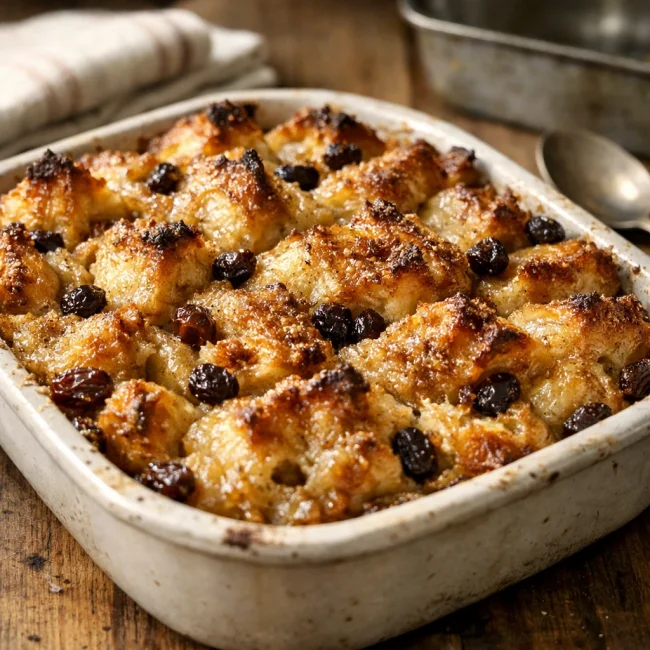
Old-Fashioned Bread Pudding
Discover the classic charm of Old-Fashioned Bread Pudding - a timeless dessert com...
View Recipe
Traditional Fluffy Pancakes
Discover the perfect start to your morning with our Traditional Fluffy Pancakes, a...
View Recipe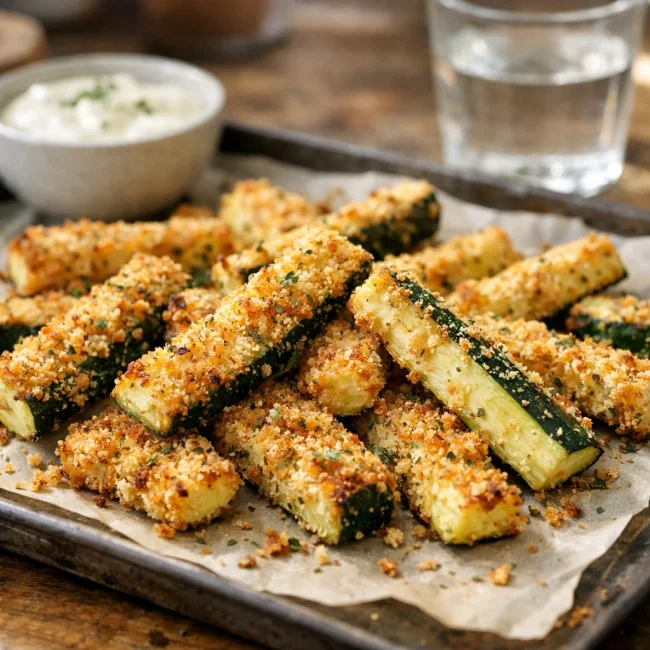
Zucchini Fries
Crispy oven-baked zucchini fries with a golden crust, perfect for a healthy snack ...
View Recipe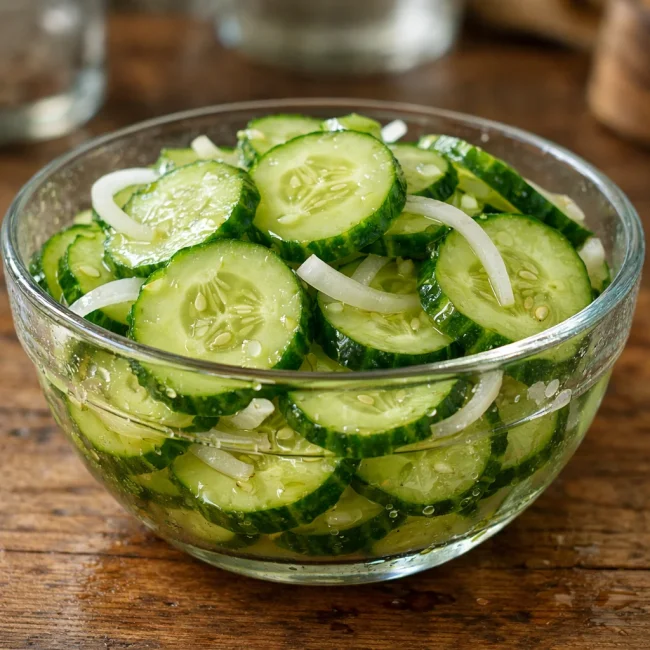
Traditional Cucumber Salad
This refreshing cucumber salad balances tangy vinegar and sweet sugar for a classi...
View RecipeFrequently Asked Questions
- Can I use another type of pasta?
- Absolutely! While spaghetti is traditional, feel free to use any long pasta like linguine or fettuccine.
- What if I don’t have fresh parsley?
- Dried parsley can work in a pinch, but just use about a teaspoon as it’s more concentrated.
- Is there a way to make it less oily?
- You can reduce the amount of olive oil slightly and add a bit more pasta water to maintain the sauce consistency.
Serving Ideas for Pasta Aglio e Olio
This pasta pairs beautifully with a simple green salad tossed in a lemon vinaigrette, which adds a bright contrast to the richness of the dish. A crusty loaf of Italian bread works great for sopping up any leftover sauce. For a more substantial meal, serve it alongside grilled chicken or shrimp.
More Pasta Recipes
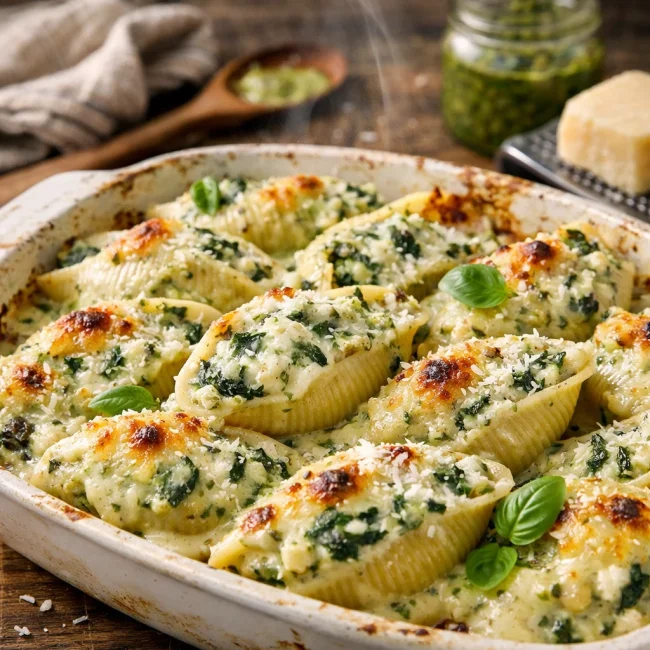
Spinach and Ricotta Stuffed Shells with Pesto Alfredo
Try this delicious twist on classic stuffed shells with a creamy pesto Alfredo sau...
View Recipe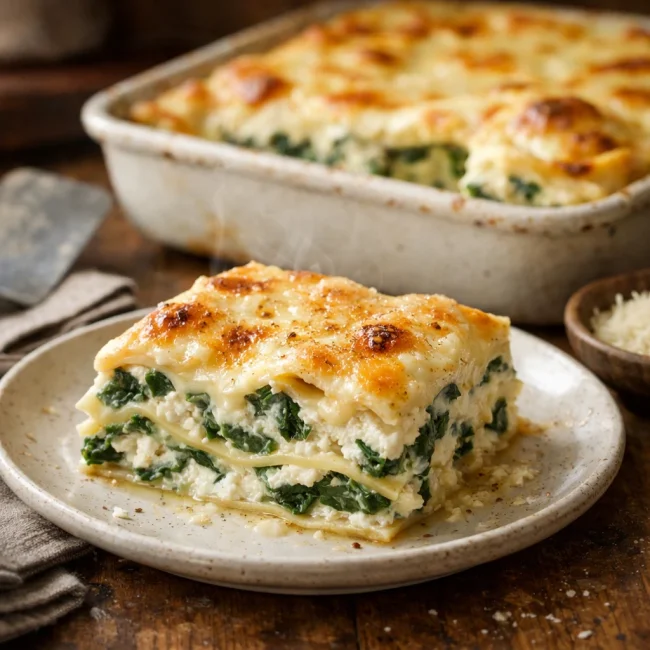
Spinach and Ricotta White Lasagna
A unique twist on the classic lasagna, this white lasagna combines creamy ricotta,...
View Recipe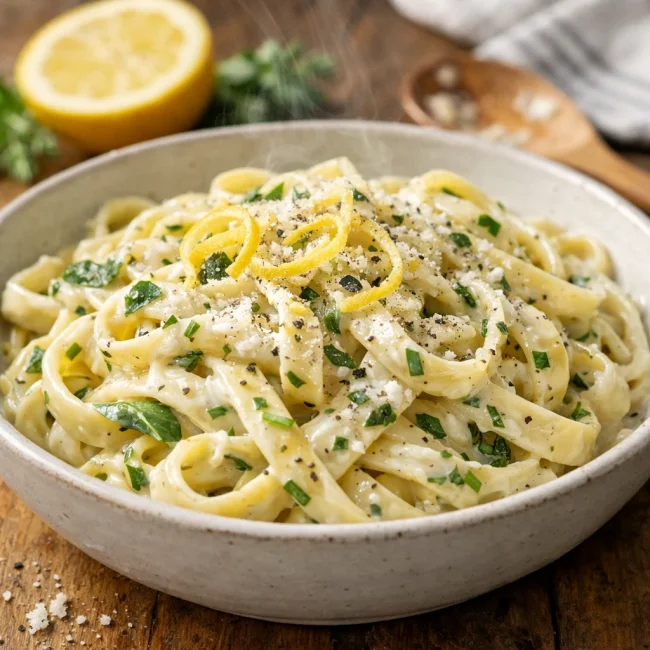
Lemon Herb Fettuccine Alfredo
Lemon Herb Fettuccine Alfredo is a refreshing twist on the classic dish, combining...
View Recipe
Truffle Mac and Cheese
Experience the ultimate comfort food with a gourmet twist in this Truffle Mac and ...
View Recipe