
Heritage Roast Pork
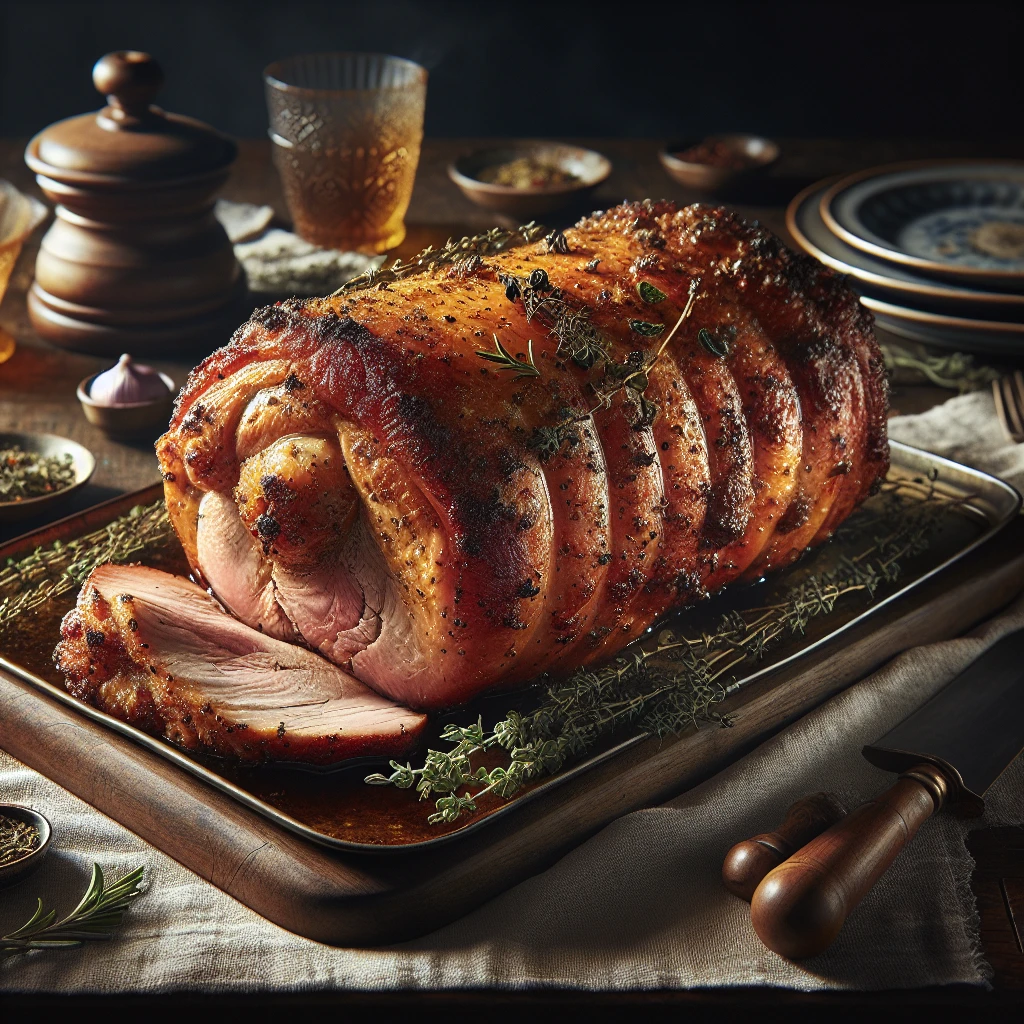
This Heritage Roast Pork is a celebration of classic flavors, combining tender pork shoulder with aromatic herbs and hearty vegetables. It's perfect for a family meal, offering a comforting yet elegant touch to any gathering.
 Share
Share
This post may contain affiliate links. As an Amazon Associate, we earn from qualifying purchases.
Ingredients for Heritage Roast Pork
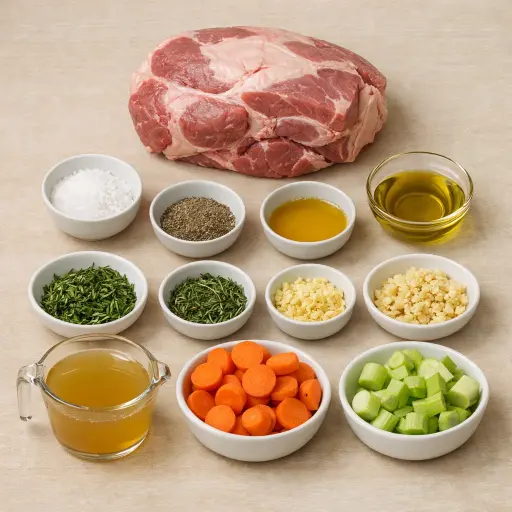
The star of this dish is the pork shoulder, which becomes incredibly tender as it cooks. Salt and black pepper are classic seasonings that enhance the natural flavors of the meat. The olive oil is used for searing, adding a rich, golden crust. Fresh herbs like rosemary and thyme bring a fragrant, earthy aroma that permeates the dish. Garlic adds depth and warmth. A splash of chicken broth keeps everything moist and infuses the meat and veggies with savory goodness. The trio of carrots, onion, and celery not only adds flavor but also serves as a delicious bed for roasting.
Why This Heritage Roast Pork Works
At the start, the pork shoulder is hit with high heat in the pan. That sear browns the outside and tightens the surface a bit, so the juices stay inside better later. The browned crust also sticks to the pan, and when the rosemary, thyme, and garlic go in, they pick up all those browned bits. Once the chicken broth is poured in, it loosens everything stuck to the bottom, so the liquid carries that browned taste around the pork.
In the oven, the pork sits up on the carrots, onion, and celery instead of flat on the pan. That keeps the bottom from boiling in liquid and lets heat move around it more evenly. As the hours go by at the lower temperature, the tough parts in the pork slowly soften and break down, so the meat becomes tender instead of stringy. The broth and vegetable steam keep the roast from drying out, and basting moves that liquid over the surface. Resting at the end lets the hot juices settle back into the meat, so the slices stay moist.
Heritage Roast Pork Tips & Tricks
- Use a meat thermometer for accurate cooking; it’s the secret to perfect pork every time.
- If you prefer a crisper crust, finish the roast under the broiler for a couple of minutes.
- Leftovers make fantastic sandwiches or can be used in tacos or salads.
Mistakes To Avoid
Letting the pork roast only until it hits 145°F and then pulling it right away can leave it tough and chewy. Pork shoulder is a fatty, working cut that needs extra time for the connective tissue to soften, so stopping too early gives slices that resist the knife and feel stringy instead of tender.
Cranking the oven hot at 450°F for much longer than the first 15 minutes often burns the outside while the inside lags behind. The fat cap can turn hard and bitter, and by the time the center is cooked, the outer layer is dry and leathery.
Skipping the sear in the pan and going straight to the oven leaves the surface pale and the fat not properly rendered. The roast then sits in the oven steaming more than roasting, so the outside stays soft and a bit rubbery instead of getting a firm, browned crust.
Pouring in a lot more broth than called for turns the bottom of the pan into a deep boil instead of a shallow roast. The vegetables soften too much and break down into mush, and the pork sits in liquid, so the underside becomes soggy instead of gently caramelized.
Equipment Used:
Ingredients
- 4 lbs bone-in pork shoulder
- 2 tsp salt
- 1 tsp black pepper
- 2 tbsp olive oil
- 1 tbsp fresh rosemary, chopped
- 1 tbsp fresh thyme, chopped
- 4 cloves garlic, minced
- 1 cup chicken broth
- 2 carrots, sliced
- 1 onion, quartered
- 2 celery stalks, chopped
Step-by-step Instructions
- 1. Preheat your oven to 450°F (232°C).
- 2. Season the pork shoulder with salt and black pepper.
- 3. Heat olive oil in a large roasting pan over medium-high heat.
- 4. Sear the pork shoulder on all sides until golden brown, approximately 4 minutes per side.
- 5. Remove the pork from the pan and set aside.
- 6. In the same pan, add rosemary, thyme, and garlic; sauté for 1 minute.
- 7. Add chicken broth, carrots, onion, and celery to the pan.
- 8. Return the pork to the pan, placing it on top of the vegetables.
- 9. Transfer the pan to the oven and roast for 15 minutes.
- 10. Reduce oven temperature to 325°F (163°C) and continue roasting for 2.5 to 3 hours, basting occasionally, until pork is tender and internal temperature reaches 145°F (63°C).
- 11. Remove from oven and let the pork rest for 10 minutes before slicing and serving.
Trending Now

Traditional Fluffy Pancakes
Discover the perfect start to your morning with our Traditional Fluffy Pancakes, a...
View Recipe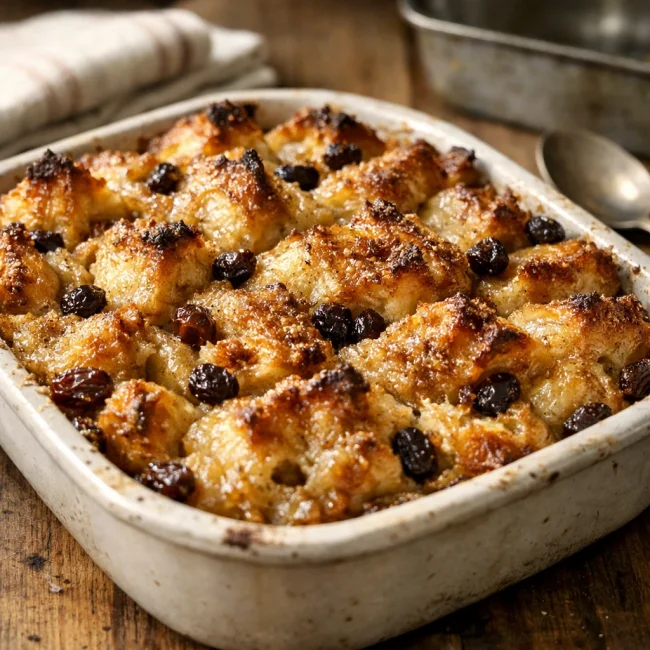
Old-Fashioned Bread Pudding
Discover the classic charm of Old-Fashioned Bread Pudding - a timeless dessert com...
View Recipe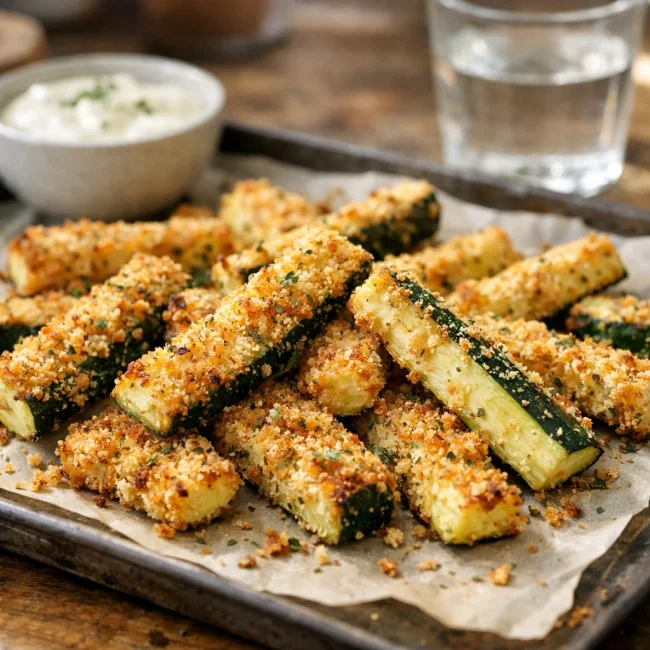
Zucchini Fries
Crispy oven-baked zucchini fries with a golden crust, perfect for a healthy snack ...
View Recipe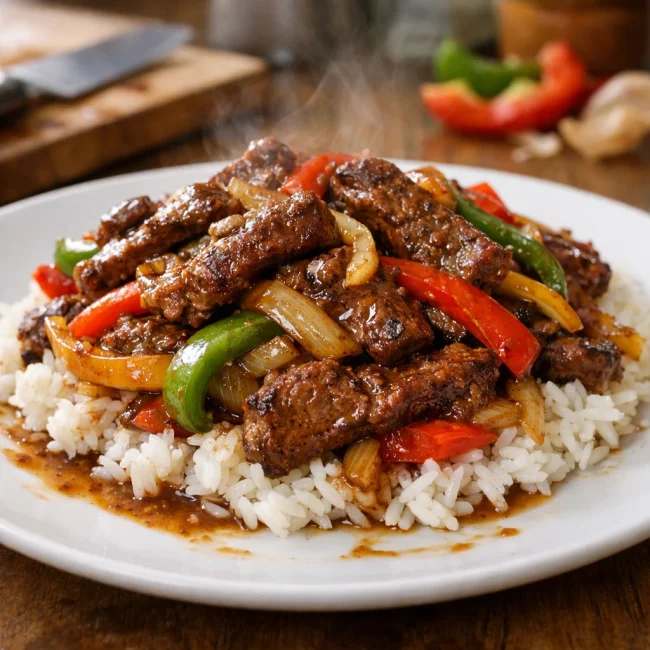
Traditional Pepper Steak
A timeless savory dish, Traditional Pepper Steak features juicy beef strips cooked...
View RecipeFrequently Asked Questions
- Can I use a boneless pork shoulder?
- Yes, but keep in mind it may cook a bit faster, so check the temperature earlier.
- What if I don't have fresh herbs?
- Dried herbs can be used in a pinch; just reduce the quantity to about one-third.
Serving Ideas for Heritage Roast Pork
This roast pairs beautifully with creamy mashed potatoes or a simple green salad. For a touch of sweetness, try serving it with a side of applesauce or roasted apples. The natural sweetness complements the savory pork perfectly.
More Main Dishes, Roasting, Comfort Food, Gluten-Free Recipes
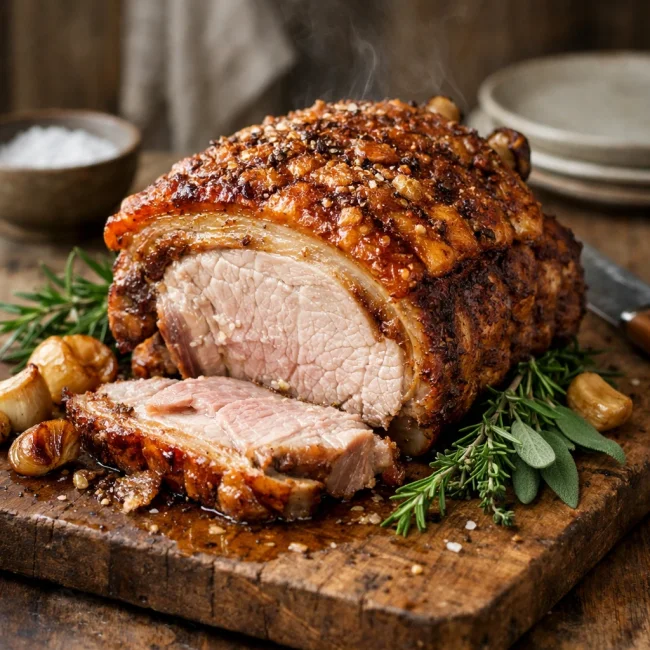
Heritage Roast Pork
Experience the timeless delight of Heritage Roast Pork, a savory journey into trad...
View Recipe