
Creamy Cultured Delight
Welcome to the world of homemade cultured cream! Our Creamy Cultured Delight is not just a recipe; it's a culinary transformation. This easy technique will elevate your dishes with a tangy twist and a luxurious texture.
 Share
Share
This post may contain affiliate links. As an Amazon Associate, we earn from qualifying purchases.
Ingredients for Creamy Cultured Delight
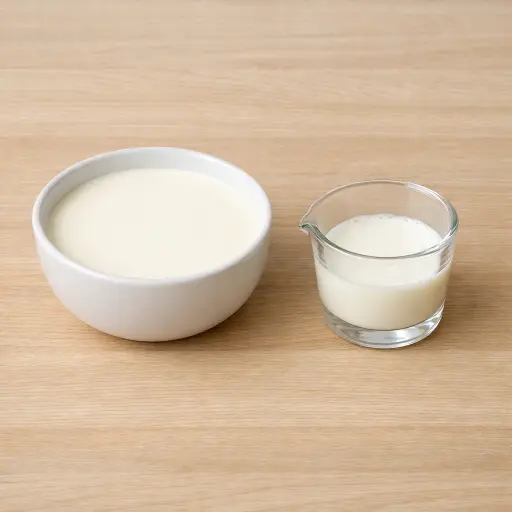
Heavy cream is the base of this recipe, providing a rich and luscious texture. It's the foundation of that creamy goodness we all love. Buttermilk acts as the culturing agent. It introduces beneficial bacteria, which thickens the cream and adds that distinctive tang. This combination is what makes the whole thing delightful.
Why This Creamy Cultured Delight Works
At the start, the cream and buttermilk are both thin and pour easily. After they are stirred together, the buttermilk brings in live cultures that start to spread through the heavy cream. Nothing much seems to happen right away, but as the jar sits on the counter, those cultures slowly change the cream.
Over many hours at room temperature, the cream begins to thicken. It goes from liquid to more like yogurt. The fat in the heavy cream gives the mixture body, and the cultures from the buttermilk gently tighten it up so it holds its shape on a spoon. During this time, the taste also changes from plain and sweet to slightly tangy.
Once the jar goes into the fridge, the cooler temperature slows everything down and the sour cream firms up even more. Chilling lets it finish setting so it stays smooth and creamy instead of runny, and it keeps that mild tang without going too sharp.
Creamy Cultured Delight Tips & Tricks
- Make sure your buttermilk is fresh; it’s crucial for the culturing process.
- If you prefer a milder tang, check the mixture every 12 hours and refrigerate once it's to your liking.
- Room temperature can affect the culturing time; a warmer room speeds up the process, while a cooler one might slow it down.
Mistakes To Avoid
Using ultra-pasteurized cream often keeps the mixture from thickening properly. The cultures in the buttermilk struggle to set the cream, so after 24 hours it can stay runny instead of turning into a spoonable, creamy texture.
Letting the jar sit in a very cold room can slow everything down so much that it barely thickens. The cream stays loose and more like heavy cream with a slight tang, instead of turning into a soft, scoopable sour cream.
Covering the jar with a tight lid instead of a breathable cloth can cause moisture to build up on the lid and drip back in. This extra water thins the mixture, so it sets softer and can end up a bit slimy instead of smooth.
Stirring the mixture roughly after it has thickened can break the structure that formed while it sat. The sour cream can loosen and turn more liquid, losing that nice, even, creamy body.
Equipment Used:
Ingredients
- 1 cup heavy cream
- 1/4 cup buttermilk
Step-by-step Instructions
- 1. Start by pouring 1 cup of heavy cream into a clean glass jar.
- 2. Add 1/4 cup of buttermilk to the cream.
- 3. Stir the mixture gently with a spoon or whisk until fully combined.
- 4. Cover the jar with a cheesecloth or a clean kitchen towel and secure with a rubber band.
- 5. Let the jar sit at room temperature for 24 hours until the mixture thickens and becomes tangy.
- 6. Once thickened, stir the sour cream gently and transfer it to the refrigerator for at least 2 hours before serving.
Trending Now

Zucchini Fries
Crispy oven-baked zucchini fries with a golden crust, perfect for a healthy snack ...
View Recipe
Old-Fashioned Bread Pudding
Discover the classic charm of Old-Fashioned Bread Pudding - a timeless dessert com...
View Recipe
Traditional Pepper Steak
A timeless savory dish, Traditional Pepper Steak features juicy beef strips cooked...
View Recipe
Traditional Fluffy Pancakes
Discover the perfect start to your morning with our Traditional Fluffy Pancakes, a...
View RecipeFrequently Asked Questions
- Can I use a different type of cream?
- Stick with heavy cream for the best results. Lower fat options won't thicken as well.
- What if I don't have buttermilk?
- You can try using a tablespoon of lemon juice or vinegar in a scant cup of milk as a substitute, but the results might vary.
Serving Ideas for Creamy Cultured Delight
This creamy concoction is a fantastic topping for baked potatoes or a dollop on soups. It can also be folded into mashed potatoes for an extra creamy texture or used as a base for a tangy dip. Drizzle it over fresh fruit for a simple yet decadent dessert.
More Dairy-Free, American, Kid-Friendly, Budget-Friendly, Comfort Food Recipes
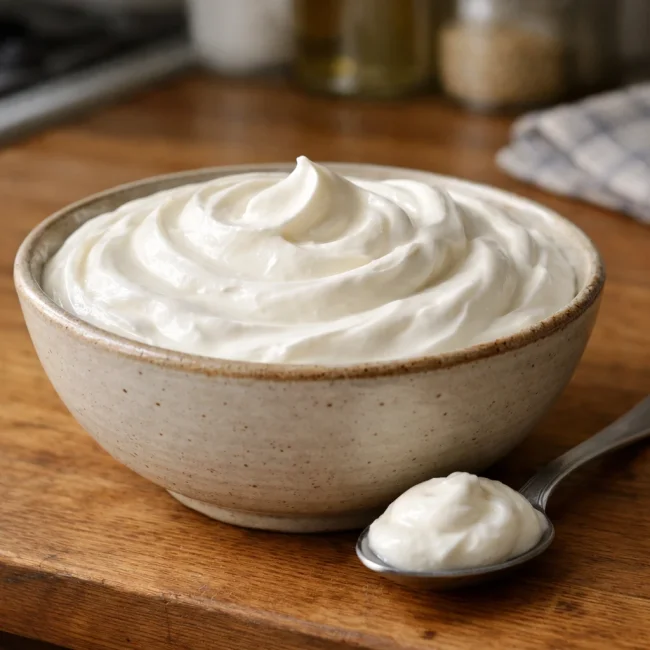
Creamy Cultured Delight
Homemade sour cream is a tangy and creamy dairy product perfect as a topper or ing...
View Recipe