
Chickpea Pasta Primavera
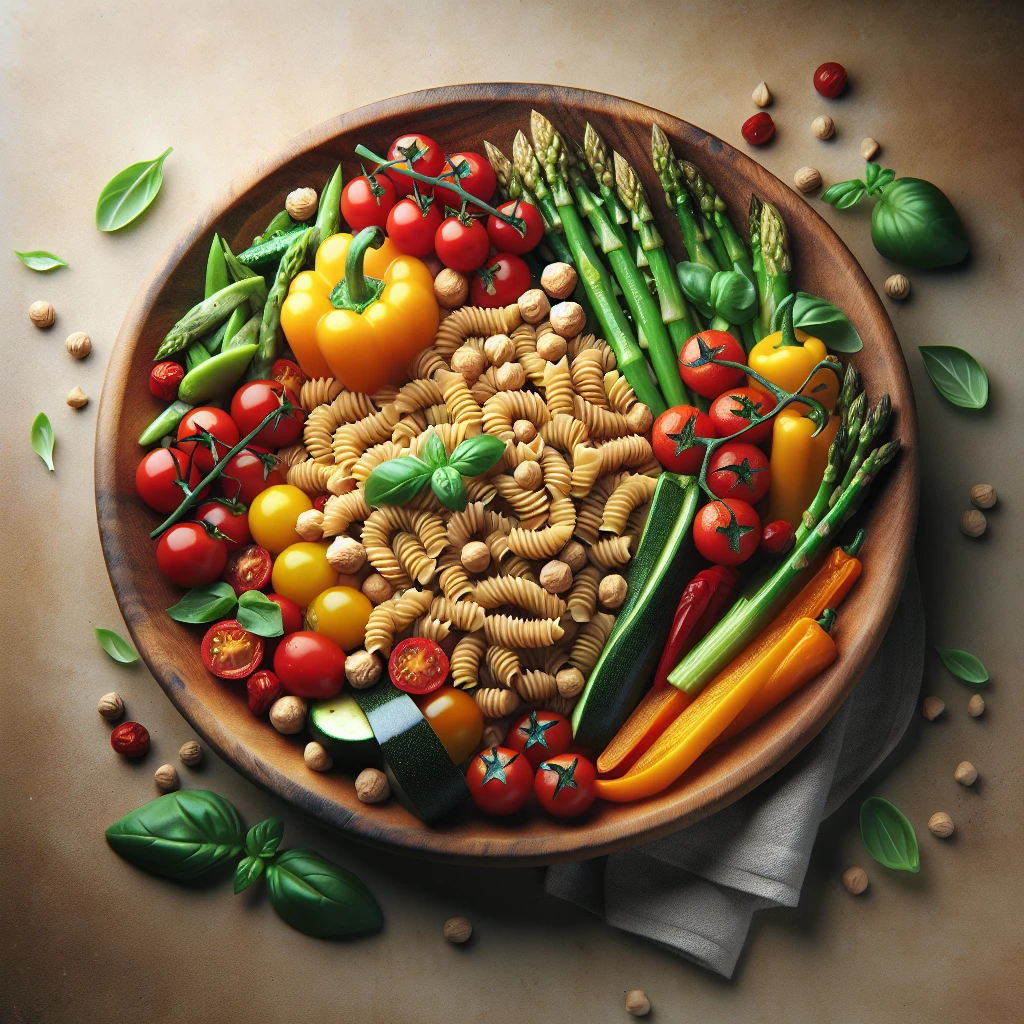
If you're looking for a fresh, vibrant meal that’s not only healthy but also quick to whip up, this Chickpea Pasta Primavera is your go-to. It's a delicious way to savor seasonal veggies while keeping things gluten-free and protein-packed.
 Share
Share
This post may contain affiliate links. As an Amazon Associate, we earn from qualifying purchases.
Ingredients for Chickpea Pasta Primavera
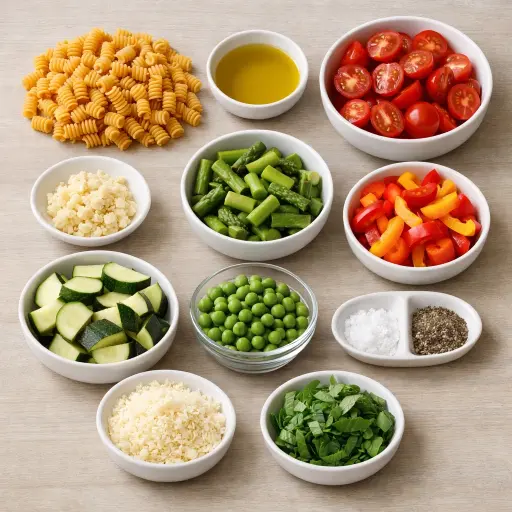
Chickpea pasta is the star here, offering a gluten-free alternative that's rich in protein and fiber. Olive oil helps sauté the veggies, adding a subtle richness. Garlic infuses the dish with aromatic depth, while cherry tomatoes bring a burst of sweetness. Asparagus and bell peppers contribute crunch and color, and zucchini adds a mild, creamy texture. Peas round out the veggie mix with a touch of sweetness. A sprinkle of Parmesan cheese provides a savory finish, and fresh basil leaves offer a fragrant, herby note. Season to taste with salt and pepper.
Why This Chickpea Pasta Primavera Works
As the chickpea pasta boils, it softens on the outside but stays a little firm in the center. That firmer bite works well here, because it can sit in the pan with the vegetables without turning mushy. Some of the starch from the pasta clings to the outside, and that light coating is what later grabs onto the olive oil, cheese, and vegetable juices so everything sticks together instead of sliding around.
In the skillet, the garlic warms in the oil and starts to taste mellow instead of sharp. After a few minutes, the tomatoes slump a bit and let out their juices, while the asparagus, peppers, zucchini, and peas soften but still keep some crunch. Those hot vegetables give off a little moisture, and that mixes with the oil and pasta starch to form a thin, glossy coating. Once the Parmesan goes in, it melts into that coating and thickens it just enough to cling to every piece of pasta and vegetable, so each bite has a mix of tender, crisp, and creamy.
Chickpea Pasta Primavera Tips & Tricks
- Cook the pasta just shy of al dente — it will finish cooking with the veggies.
- Feel free to swap in any seasonal vegetables you have on hand.
- For extra zest, add a squeeze of lemon juice before serving.
- If you're vegan, skip the Parmesan or use a plant-based alternative.
Mistakes To Avoid
Overcooking the chickpea pasta easily turns it from firm to mushy. Once it goes past just-tender, the shells or shapes start to crack and shed starch, so when they hit the pan they break apart and the whole dish turns pasty instead of light.
Letting the vegetables cook until fully soft instead of tender‑crisp makes the skillet watery and dull. The tomatoes collapse, the zucchini leaks liquid, and the asparagus and peppers lose their bite, so the pasta ends up sitting in a soft, slightly soggy mix instead of a fresh, springy one.
Adding the peas at the same time as the other vegetables keeps them on the heat too long. They wrinkle, lose their bright color, and go mealy, so instead of small pops of sweetness, they blend into the background and feel a bit dry.
Throwing in the Parmesan while the pan is still over the heat often makes it clump and stick to the bottom. The cheese melts in one spot instead of coating the pasta, leaving some bites dry and others with chewy, stuck-on blobs.
Equipment Used:
Ingredients
- 8 oz chickpea pasta
- 1 tbsp olive oil
- 2 cloves garlic, minced
- 1 cup cherry tomatoes, halved
- 1 cup asparagus, cut into 1-inch pieces
- 1 cup bell peppers, sliced
- 1 cup zucchini, sliced
- 1/2 cup peas
- 1/4 cup grated Parmesan cheese
- Salt and pepper to taste
- 1/4 cup fresh basil leaves, chopped
Step-by-step Instructions
- 1. Cook the chickpea pasta according to package instructions. Drain and set aside.
- 2. In a large skillet, heat olive oil over medium heat. Add garlic and sauté for 1 minute until fragrant.
- 3. Add cherry tomatoes, asparagus, bell peppers, and zucchini to the skillet. Cook for 5-7 minutes, stirring occasionally, until vegetables are tender-crisp.
- 4. Stir in the peas and cook for an additional 2 minutes.
- 5. Add the cooked chickpea pasta to the skillet, tossing to combine with the vegetables.
- 6. Season with salt and pepper to taste.
- 7. Remove from heat and sprinkle with Parmesan cheese and fresh basil leaves.
- 8. Serve warm and enjoy.
Trending Now
Traditional Fluffy Pancakes
Discover the perfect start to your morning with our Traditional Fluffy Pancakes, a...
View Recipe
Old-Fashioned Bread Pudding
Discover the classic charm of Old-Fashioned Bread Pudding - a timeless dessert com...
View Recipe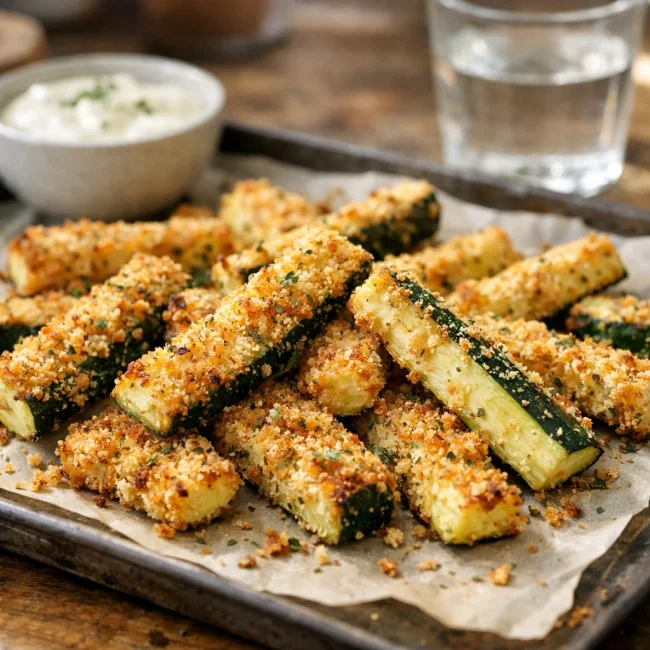
Zucchini Fries
Crispy oven-baked zucchini fries with a golden crust, perfect for a healthy snack ...
View Recipe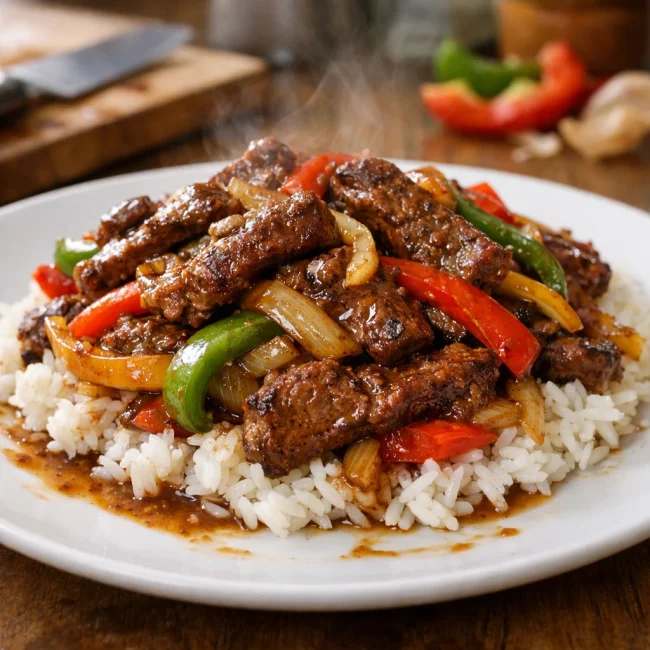
Traditional Pepper Steak
A timeless savory dish, Traditional Pepper Steak features juicy beef strips cooked...
View RecipeFrequently Asked Questions
- Can I use regular pasta instead of chickpea pasta?
- Absolutely! Use any pasta you prefer, though it may alter the protein content.
- How can I make this recipe vegan?
- Omit the Parmesan cheese or replace it with nutritional yeast or a vegan cheese option.
- What can I use instead of fresh basil?
- Try fresh parsley or a sprinkle of dried Italian herbs if fresh basil is unavailable.
Serving Ideas for Chickpea Pasta Primavera
This dish pairs beautifully with a simple arugula salad tossed with lemon vinaigrette. For a heartier meal, add some grilled chicken or shrimp on top. A glass of crisp white wine like Sauvignon Blanc complements the fresh flavors nicely.
More Pasta Recipes
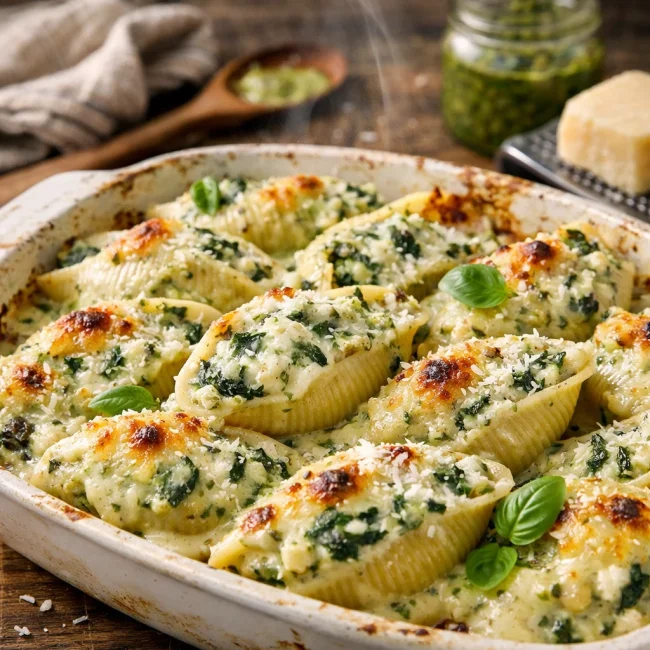
Spinach and Ricotta Stuffed Shells with Pesto Alfredo
Try this delicious twist on classic stuffed shells with a creamy pesto Alfredo sau...
View Recipe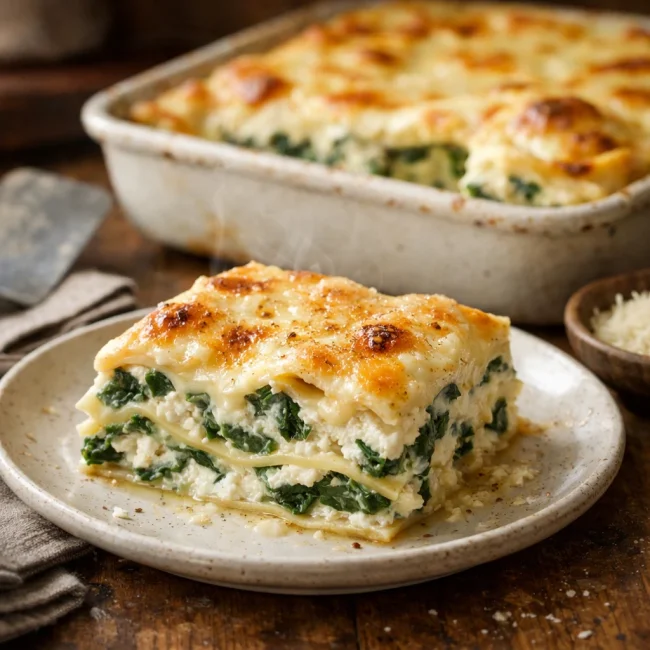
Spinach and Ricotta White Lasagna
A unique twist on the classic lasagna, this white lasagna combines creamy ricotta,...
View Recipe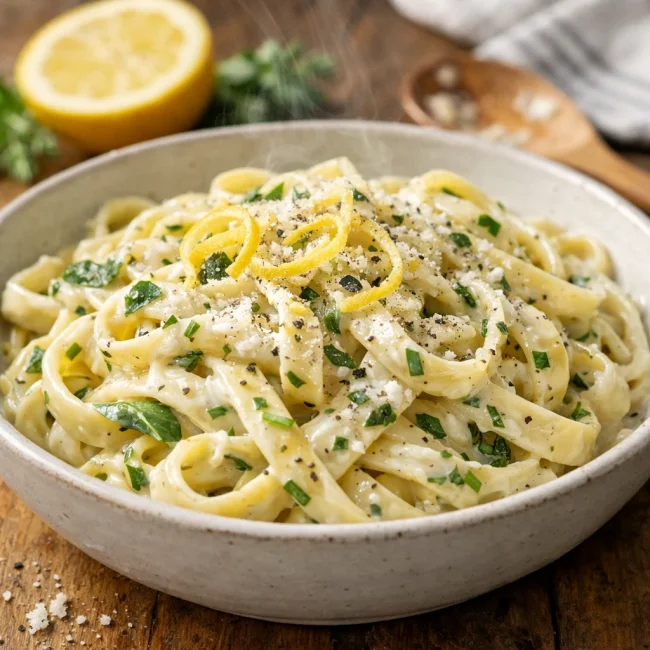
Lemon Herb Fettuccine Alfredo
Lemon Herb Fettuccine Alfredo is a refreshing twist on the classic dish, combining...
View Recipe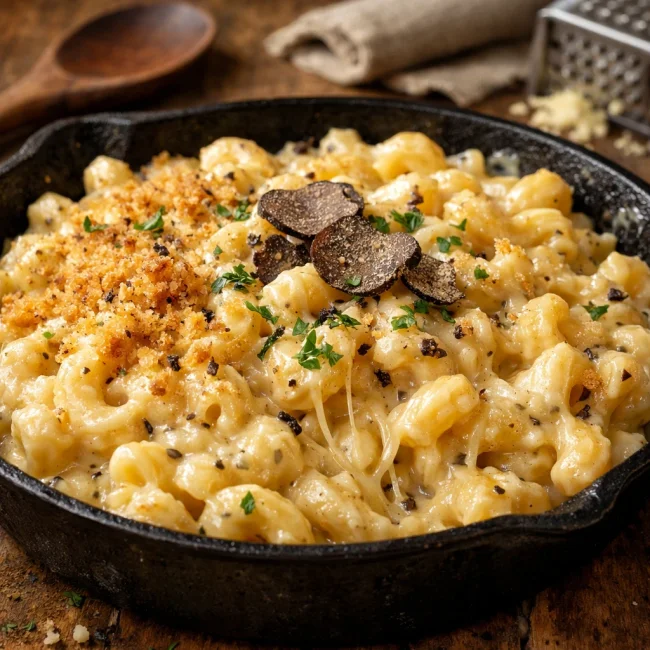
Truffle Mac and Cheese
Experience the ultimate comfort food with a gourmet twist in this Truffle Mac and ...
View Recipe