
Turkish Stuffed Peppers (Biber Dolması)
Turkish Stuffed Peppers, or Biber Dolması, are a delightful blend of vibrant flavors. These peppers, filled with a fragrant mixture of rice, spices, and nuts, make for a satisfying and aromatic dish that's perfect for any season.
 Share
Share
.webp)
This post may contain affiliate links. As an Amazon Associate, we earn from qualifying purchases.
Ingredients for Turkish Stuffed Peppers (Biber Dolması)
-ingredients.webp)
Bell peppers are the stars of this dish, providing a sweet and slightly tangy vessel for the stuffing. Choose peppers that are vibrant and firm to ensure they hold up well during baking.
White rice acts as the hearty base for the stuffing, absorbing all the wonderful flavors of the spices and broth.
Olive oil is used to sauté the onions and garlic, adding a subtle richness and depth to the dish.
Onion and garlic are aromatic essentials, lending their savory notes to the stuffing mixture.
Pine nuts bring a delightful crunch and a slightly sweet, nutty flavor that complements the other ingredients beautifully.
Currants add a touch of sweetness, balancing the savory and spicy elements.
Cinnamon and allspice provide warmth and a hint of exotic spice that is characteristic of Turkish cuisine.
Dried mint offers a fresh, herby contrast to the rich spices.
Vegetable broth is used to cook the rice and keep the peppers moist and flavorful while baking.
Lemon slices add a touch of acidity, brightening the dish and enhancing the flavors.
Fresh parsley is used for garnish, adding a pop of color and a fresh, herbaceous finish.
Why This Turkish Stuffed Peppers (Biber Dolması) Works
During the first cooking step on the stove, the onion, garlic, and rice warm up in the oil and start to soften. The rice gets coated in the oil, which keeps the grains from sticking together later. As the pine nuts toast in the pan, they firm up a bit on the outside, so they stay crunchy even after baking. The currants swell slightly as they sit with the hot rice and broth, so they don’t dry out in the oven.
After the broth goes into the pan, the rice starts to drink it up. It doesn’t cook all the way through yet, just enough so the grains swell and hold the spices, mint, and cinnamon inside. By the time the rice goes into the peppers, it is part-cooked and already flavored.
In the oven, the peppers slowly soften while the rice finishes cooking in the steam from the broth. The foil traps that steam, so the rice becomes tender instead of dry, and the peppers turn soft but still hold their shape. The lemon slices on top gently soak the filling as it bakes, so each pepper stays moist all the way to the center.
Turkish Stuffed Peppers (Biber Dolması) Tips & Tricks
- Choose peppers of similar size so they cook evenly.
- If you prefer a bit of heat, add a pinch of red pepper flakes to the rice mixture.
- For a nuttier flavor, lightly toast the pine nuts before adding them to the rice.
Mistakes To Avoid
Letting the rice simmer in the pan with too much liquid or for too long makes it fully cooked and soft before it even goes into the peppers. In the oven it then swells more, turns mushy, and can split the peppers or leak out, so the filling loses its nice separate grains and becomes pasty.
Packing the rice mixture into the peppers very tightly often leads to a dense core that doesn’t heat through evenly. The outside of the filling gets soft while the middle stays a bit hard and undercooked, so each bite has a strange mix of mushy and chalky rice.
Pouring the broth over the tops of the peppers instead of around them in the dish causes the lemon slices and top layer of rice to sit in liquid the whole time. The tops get soggy and waterlogged while the sides of the peppers don’t braise properly and can stay a bit tough.
Baking at a higher temperature to “speed it up” makes the peppers collapse and brown on the edges before the rice inside has time to relax and absorb steam. The result is wrinkled, slightly burnt peppers with filling that still feels tight and not fully tender.
Equipment Used:
Ingredients
- 6 bell peppers
- 1 cup white rice
- 2 tbsp olive oil
- 1 onion, finely chopped
- 3 cloves garlic, minced
- 1/4 cup pine nuts
- 1/4 cup currants
- 1 tsp cinnamon
- 1 tsp allspice
- 1 tsp dried mint
- Salt and pepper to taste
- 2 cups vegetable broth
- 1 lemon, sliced
- Fresh parsley for garnish
Step-by-step Instructions
- 1. Preheat your oven to 350°F (175°C).
- 2. Cut the tops off the bell peppers and remove the seeds.
- 3. Heat olive oil in a pan over medium heat, add onions and garlic, and sauté until soft.
- 4. Stir in the rice, pine nuts, currants, cinnamon, allspice, dried mint, salt, and pepper.
- 5. Add 1 cup of vegetable broth to the rice mixture, cover, and simmer until the liquid is absorbed.
- 6. Stuff each pepper with the rice mixture and place them in a baking dish.
- 7. Pour the remaining vegetable broth around the peppers and place a slice of lemon on top of each.
- 8. Cover the dish with foil and bake for 1 hour or until the peppers are tender.
- 9. Garnish with fresh parsley before serving.
Trending Now
Old-Fashioned Bread Pudding
Discover the classic charm of Old-Fashioned Bread Pudding - a timeless dessert com...
View Recipe
Traditional Crisp Coleslaw
A classic coleslaw recipe featuring finely shredded cabbage and carrots tossed in ...
View Recipe
Traditional Italian Bruschetta
Experience the authentic taste of Italian bruschetta, a perfect blend of fresh tom...
View Recipe
Classic Banana Bread
Classic Banana Bread is a timeless dessert beloved for its moist texture and sweet...
View RecipeFrequently Asked Questions
- Can I use brown rice instead of white rice?
- Yes, but note that brown rice takes longer to cook, so you might need to adjust the simmering time and liquid amount.
- Are there any substitutions for pine nuts?
- Slivered almonds or chopped walnuts can be used as alternatives to pine nuts.
Serving Ideas for Turkish Stuffed Peppers (Biber Dolması)
These stuffed peppers are a meal on their own, but they pair beautifully with a fresh Greek salad or a side of creamy yogurt. For a heartier meal, serve alongside grilled lamb or chicken.
More Main Dishes Recipes
Unique Homemade Corned Beef
Discover the ultimate homemade corned beef recipe that balances rich flavors and t...
View Recipe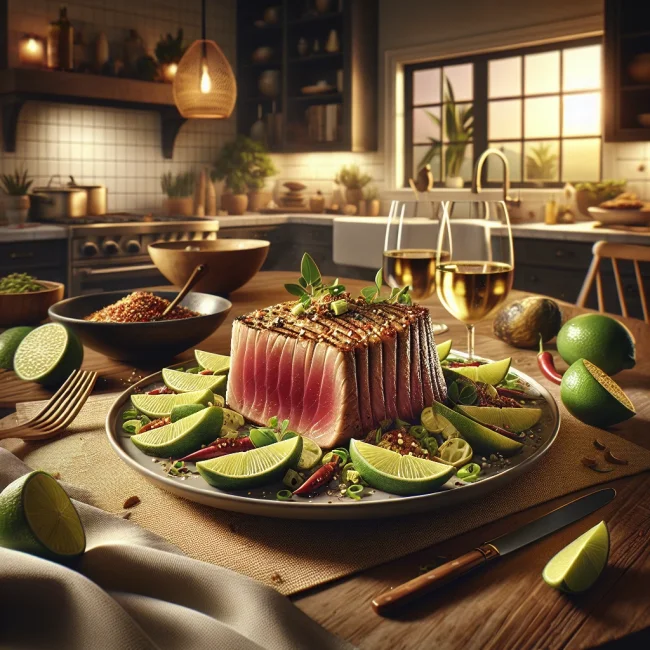
Spicy Lime Seared Ahi Tuna
Experience a burst of flavor with our Spicy Lime Seared Ahi Tuna, a perfect fusion...
View Recipe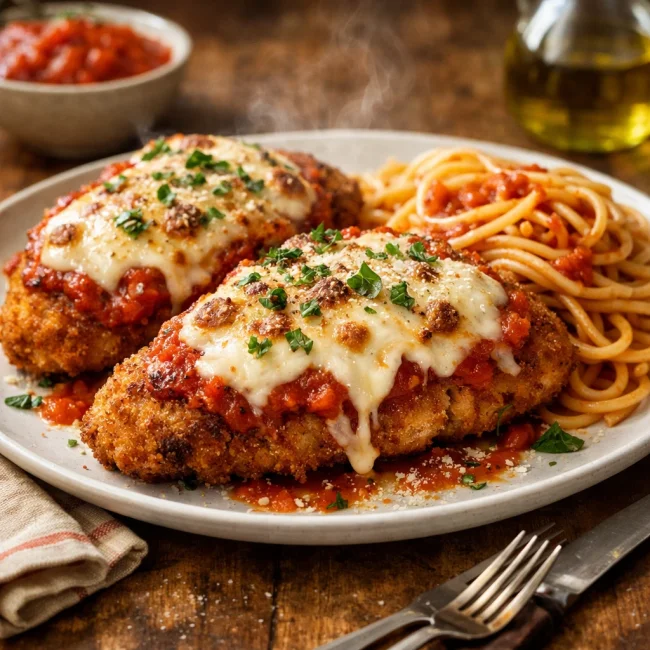
Traditional Chicken Parmesan
Savor the authentic taste of Italian cuisine with our Traditional Chicken Parmesan...
View Recipe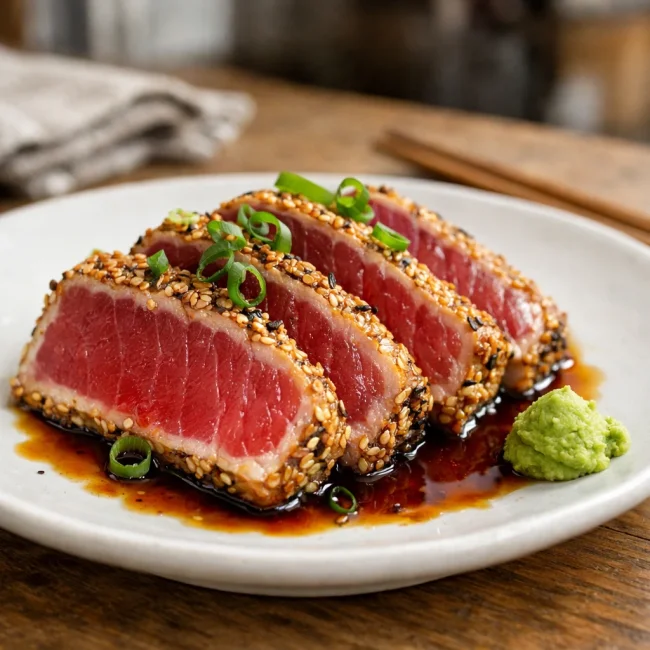
Seared Ahi Tuna
Experience the sublime taste of seared Ahi tuna, a Japanese-inspired dish that hig...
View Recipe