
Tangy Turmeric Sauerkraut
If you're looking to add a little zing to your meals, this Tangy Turmeric Sauerkraut is just the ticket. It’s not just a feast for your taste buds but also a colorful addition to your plate. Plus, with the natural fermentation process, you get a healthy dose of probiotics, making it both delicious and nutritious.
 Share
Share

This post may contain affiliate links. As an Amazon Associate, we earn from qualifying purchases.
Ingredients for Tangy Turmeric Sauerkraut
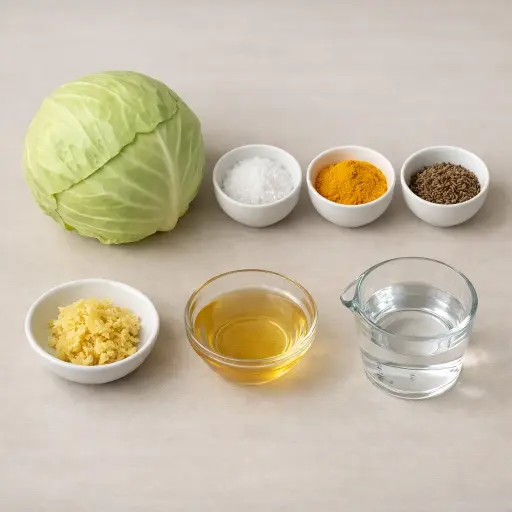
Cabbage is the star of the show, bringing crunch and texture. It’s the base that soaks up all the flavors and ferments beautifully. Sea salt acts as a natural preservative, drawing out the juices needed for fermentation. Turmeric not only adds a vibrant color but also introduces anti-inflammatory properties. Caraway seeds contribute a subtle, earthy aroma that complements the other spices. Ginger adds a zingy warmth, enhancing the overall flavor profile. Finally, apple cider vinegar and filtered water provide the right acidity and liquid balance to create the perfect ferment.
Why This Tangy Turmeric Sauerkraut Works
As the cabbage is massaged with the salt, it starts to break down and soften. The salt pulls water out of the cabbage cells, so the bowl slowly fills with brine. That salty cabbage juice is important, because it becomes the liquid that keeps everything covered and safe while it ferments. The cabbage packs tighter, holds together better in the jar, and stays crunchy instead of turning mushy.
Once the turmeric, ginger, and caraway are mixed in, they spread through all those wet cabbage shreds. During the days on the counter, natural bacteria in the cabbage use the sugars in the cabbage and make the brine more sour. The apple cider vinegar and water mixture gives a head start on that sour taste and keeps the brine acidic enough so bad bacteria do not take over. Over a week or two, the cabbage slowly changes from raw and sharp to tangy, firm, and bright, while the turmeric stains everything a deep yellow and the spices settle into every bite.
Tangy Turmeric Sauerkraut Tips & Tricks
- Use a fermentation weight or a small, clean rock to keep the cabbage submerged.
- If you see any mold on the surface, skim it off — the kraut below is usually fine.
- Adjust the fermentation time based on your taste preference; longer means tangier.
Mistakes To Avoid
Packing the cabbage loosely in the jar leaves lots of air pockets, so parts of the cabbage sit dry instead of under the liquid. Those exposed bits tend to turn brown and slimy instead of fermenting evenly. The whole batch can end up with mushy spots and a harsh, rotten smell instead of a clean sour crunch.
Letting the cabbage sit above the liquid during fermentation causes similar trouble. Any shreds that float on top can grow fuzzy spots or get rubbery and gray. The finished sauerkraut then has uneven texture, with some parts crisp and others soft and spoiled.
Adding way more turmeric than listed makes the brine very thick and powdery. The extra powder can clump around the cabbage, so the liquid doesn’t move well through the jar. This often leads to gritty, chalky kraut that stains everything bright yellow but doesn’t ferment as evenly.
Skipping the long salting and massaging step leaves the cabbage too dry. Without enough natural juice pulled out, the brine level stays low and the shreds stay stiff. The result is tough, squeaky cabbage that never really softens, with dry patches that never ferment properly.
Equipment Used:
Ingredients
- 1 medium green cabbage (about 2 lbs)
- 1 tbsp sea salt
- 1 tbsp ground turmeric
- 1 tsp caraway seeds
- 1 tsp grated fresh ginger
- 2 tbsp apple cider vinegar
- 1/2 cup filtered water
Step-by-step Instructions
- 1. Remove the outer leaves of the cabbage, then quarter and core it.
- 2. Shred the cabbage finely using a knife or food processor.
- 3. In a large bowl, combine the shredded cabbage and sea salt. Massage the cabbage with your hands for about 10 minutes, until it releases its juices.
- 4. Add the ground turmeric, caraway seeds, and grated fresh ginger to the cabbage and mix well.
- 5. Pack the cabbage mixture into a clean glass jar, pressing down firmly to remove air pockets.
- 6. Combine the apple cider vinegar and filtered water, then pour it over the cabbage, ensuring it is submerged. Leave some space at the top of the jar.
- 7. Seal the jar loosely with a lid and place in a cool, dark place for 7-14 days, checking regularly to ensure the cabbage remains submerged.
- 8. Once fermented to your liking, seal the jar tightly and refrigerate.
Trending Now

Zucchini Fries
Crispy oven-baked zucchini fries with a golden crust, perfect for a healthy snack ...
View Recipe
Old-Fashioned Bread Pudding
Discover the classic charm of Old-Fashioned Bread Pudding - a timeless dessert com...
View Recipe
Traditional Pepper Steak
A timeless savory dish, Traditional Pepper Steak features juicy beef strips cooked...
View Recipe
Traditional Fluffy Pancakes
Discover the perfect start to your morning with our Traditional Fluffy Pancakes, a...
View RecipeFrequently Asked Questions
- How do I know if my sauerkraut has gone bad?
- Trust your senses. If it smells off, has unusual colors, or tastes unpleasantly sour, it’s best to discard it.
- Can I use red cabbage instead?
- Absolutely! Red cabbage will produce a beautiful purple sauerkraut with a similar taste profile.
- Why is my sauerkraut not fermenting?
- Temperature plays a big role. Ensure it's stored in a cool, dark place, and make sure the cabbage is fully submerged in liquid to ferment properly.
Serving Ideas for Tangy Turmeric Sauerkraut
This sauerkraut is wonderfully versatile. Top off a bratwurst or veggie dog, mix it into a salad for some crunch, or pair it with a charcuterie board to add a pop of color and flavor. It's also an excellent side for roasted meats or grilled vegetables.
More Vegan, Gluten-Free, Dairy-Free, Low-Carb, Keto, Nut-Free, Probiotic Recipes

Tangy Turmeric Sauerkraut
Experience a vibrant twist on traditional sauerkraut with this Tangy Turmeric Saue...
View Recipe