
Sugar-Free Vanilla Almond Cake
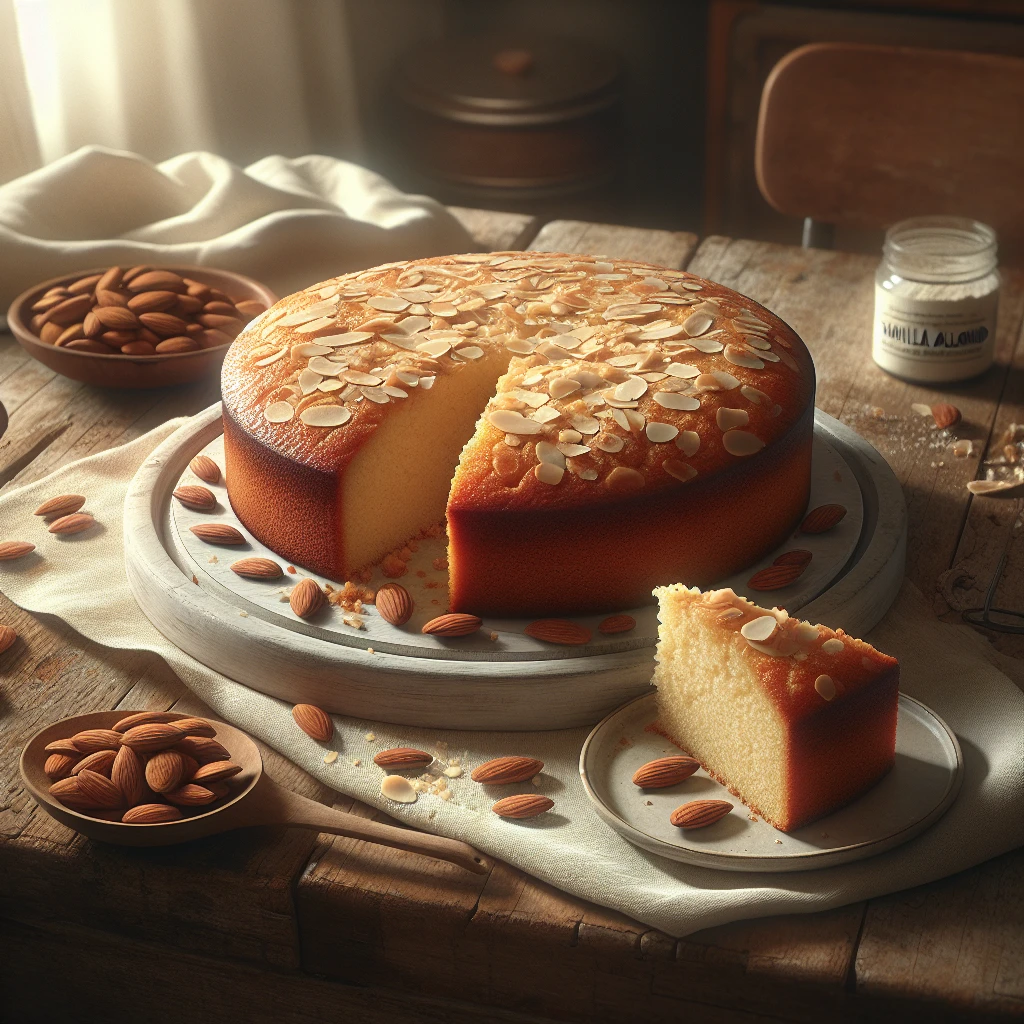
Looking for a guilt-free dessert option that doesn't skimp on flavor? This Sugar-Free Vanilla Almond Cake is your answer. With a delightful blend of almond flour and erythritol, it offers a deliciously moist texture without the added sugar.
 Share
Share
This post may contain affiliate links. As an Amazon Associate, we earn from qualifying purchases.
Ingredients for Sugar-Free Vanilla Almond Cake
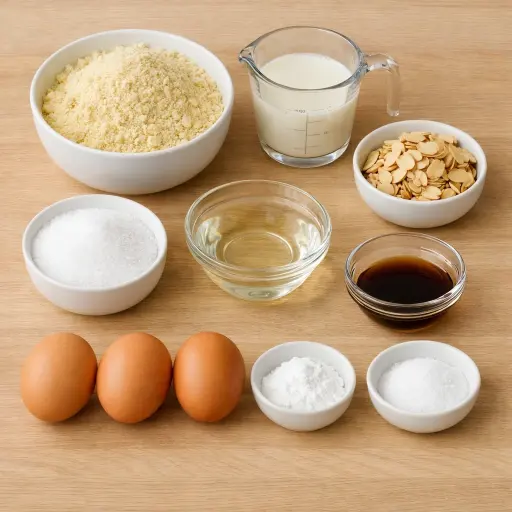
Almond flour serves as the base, providing a nutty flavor and keeping it gluten-free. Unsweetened almond milk adds moisture without extra sugars. Granulated erythritol sweetens the cake naturally, ideal for those avoiding sugar. Coconut oil, when melted, ensures a tender crumb and adds a subtle richness. Eggs help bind the ingredients and give the cake structure. A dash of vanilla extract elevates the flavors, while baking soda helps the cake rise perfectly. Salt balances the sweetness and enhances the almond flavor. Finally, sliced almonds on top add a delightful crunch to each bite.
Why This Sugar-Free Vanilla Almond Cake Works
In the oven, the eggs and almond flour set up together and give the cake its shape. Almond flour has no gluten, so it does not stretch like wheat flour. Instead, the beaten eggs act like a net. As they heat, the eggs firm up and grab onto the tiny bits of almond flour and erythritol, so the cake holds together instead of crumbling apart.
While it bakes, the coconut oil melts fully and spreads through the batter. That fat coats the almond flour and keeps the cake from drying out, even though there is no sugar. Almond milk adds a bit of extra moisture, but not so much that the cake turns soggy. Baking soda reacts in the warm, wet batter and creates small bubbles, which give the cake a light, tender feel instead of a dense brick.
As the top dries out slightly, the sliced almonds stay on the surface and toast. They firm up and add a little crunch, which contrasts with the soft, moist cake underneath.
Sugar-Free Vanilla Almond Cake Tips & Tricks
- Ensure your eggs are at room temperature; they mix better with the other ingredients.
- Don't skip lining the pan with parchment paper for easy removal.
- If you don't have erythritol, xylitol or stevia can be used as substitutes.
Mistakes To Avoid
Overbaking this cake easily turns the almond flour crumb dry and crumbly. Since there’s no sugar or gluten, the cake doesn’t hold moisture as well, so a few extra minutes in the oven can make the edges hard and the center sandy instead of soft.
Pouring in hot melted coconut oil straight into the egg mixture can partially cook the eggs. This creates little scrambled bits in the batter, which bake into a bumpy, uneven texture instead of a smooth, tender cake.
Skipping the parchment paper or not greasing the pan enough often leads to the cake sticking. Almond flour cakes are more fragile, so they tend to break apart or leave half the bottom in the pan when forced out.
Stirring the batter too long after combining wet and dry ingredients can compact the almond flour. The mixture thickens and loses air, and the baked cake comes out dense and heavy instead of light and slightly fluffy.
Adding a lot more almond milk to “loosen” the batter makes it bake up flat and damp in the center. The extra liquid slows down baking, so the middle stays soft and gummy while the top looks done.
Equipment Used:
Mixing bowls, Whisk, 9-inch round cake pan, Parchment paper, Wire rack
Ingredients
- 2 cups almond flour
- 1/2 cup unsweetened almond milk
- 1/2 cup granulated erythritol
- 1/4 cup coconut oil, melted
- 4 large eggs
- 1 tsp vanilla extract
- 1/2 tsp baking soda
- 1/4 tsp salt
- 1/4 cup sliced almonds for topping
Step-by-step Instructions
- 1. Preheat your oven to 350°F (175°C). Grease a 9-inch round cake pan and line the bottom with parchment paper.
- 2. In a large bowl, whisk together the almond flour, erythritol, baking soda, and salt.
- 3. In another bowl, beat the eggs, then add the almond milk, melted coconut oil, and vanilla extract, mixing until well combined.
- 4. Gradually add the wet ingredients to the dry ingredients, stirring until a smooth batter forms.
- 5. Pour the batter into the prepared cake pan and smooth the top with a spatula. Sprinkle the sliced almonds evenly over the top.
- 6. Bake in the preheated oven for 25-30 minutes, or until a toothpick inserted into the center comes out clean.
- 7. Allow the cake to cool in the pan for 10 minutes before transferring it to a wire rack to cool completely.
Trending Now
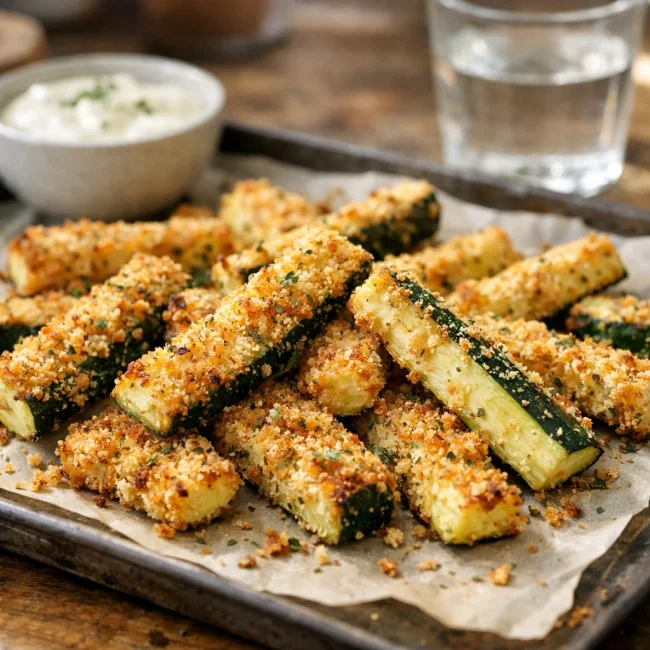
Zucchini Fries
Crispy oven-baked zucchini fries with a golden crust, perfect for a healthy snack ...
View Recipe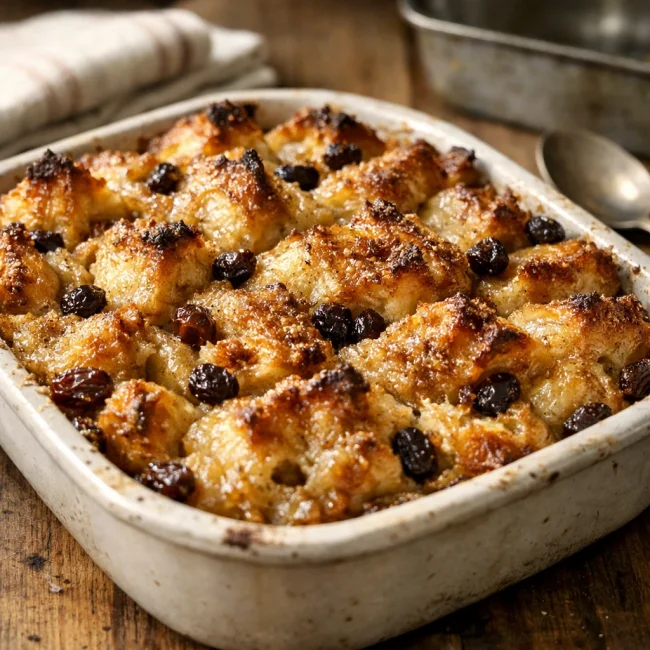
Old-Fashioned Bread Pudding
Discover the classic charm of Old-Fashioned Bread Pudding - a timeless dessert com...
View Recipe
Traditional Pepper Steak
A timeless savory dish, Traditional Pepper Steak features juicy beef strips cooked...
View Recipe
Traditional Fluffy Pancakes
Discover the perfect start to your morning with our Traditional Fluffy Pancakes, a...
View RecipeFrequently Asked Questions
- Can I use a different type of flour?
- Almond flour is key for the texture and flavor, but if necessary, you could try a combination of coconut flour and a bit more almond milk.
- What if I don't have erythritol?
- You can substitute with xylitol or a blend of stevia, adjusting to taste.
- How should I store the cake?
- Keep it in an airtight container at room temperature for up to three days, or refrigerate for about a week.
Serving Ideas for Sugar-Free Vanilla Almond Cake
This cake pairs beautifully with a dollop of whipped coconut cream or a scoop of sugar-free vanilla ice cream. It also makes a lovely afternoon treat alongside a cup of herbal tea.
More Desserts, Gluten-Free, Sugar-Free, Baking Recipes
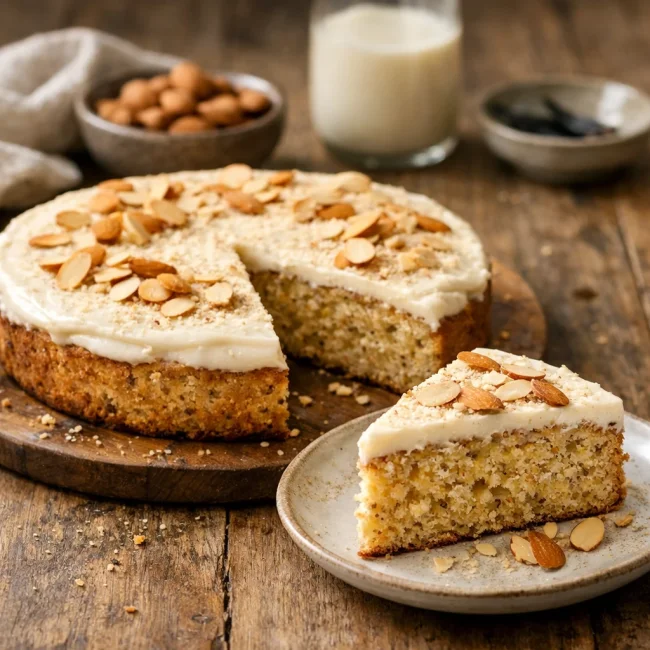
Sugar-Free Vanilla Almond Cake
A delightful sugar-free dessert perfect for health-conscious individuals, featurin...
View Recipe