
Spring Pea Risotto
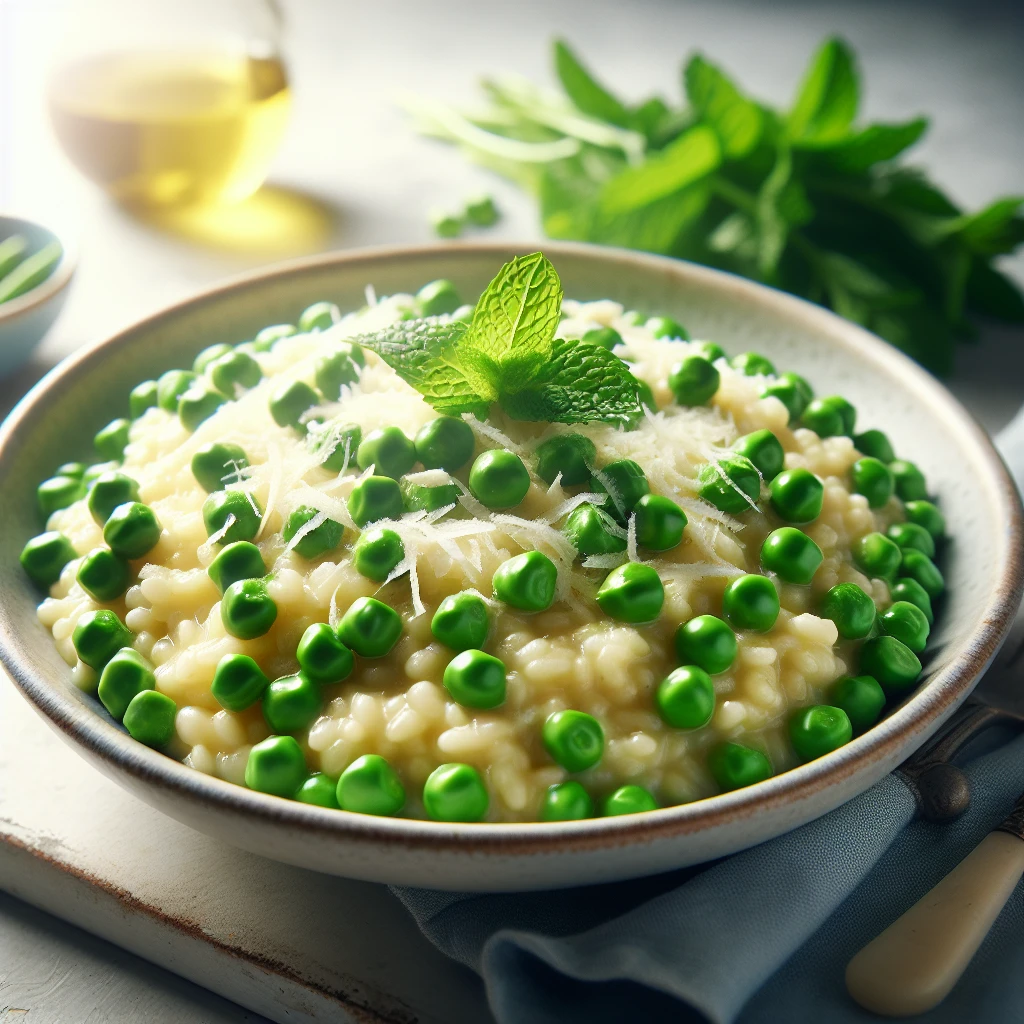
Spring Pea Risotto is a fresh and vibrant dish that captures the essence of the season. With creamy Arborio rice, sweet spring peas, and a hint of lemon, this risotto is both comforting and invigorating. Perfect for a springtime meal, it brings together simple ingredients for a flavorful experience.
 Share
Share
This post may contain affiliate links. As an Amazon Associate, we earn from qualifying purchases.
Ingredients for Spring Pea Risotto
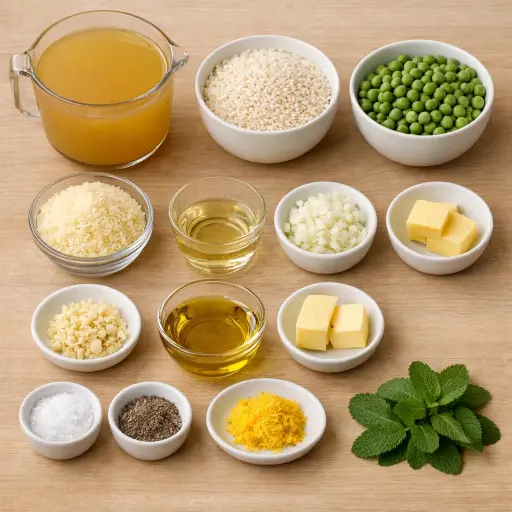
Chicken broth forms the base of the risotto, infusing the rice with savory depth. Arborio rice, with its high starch content, is essential for achieving the creamy consistency. Fresh spring peas add a touch of sweetness and vibrant color. Parmesan cheese lends a nutty, salty finish that enhances the dish's richness. Dry white wine introduces a subtle complexity, balancing the creamy texture. Onion and garlic provide a flavorful aromatic foundation. Olive oil and unsalted butter contribute to the risotto's lush mouthfeel, while lemon zest brightens the flavors. Finally, a sprinkle of salt and pepper ties everything together, and fresh mint leaves offer a fresh garnish.
Why This Spring Pea Risotto Works
At the start, the onion and garlic sit in the warm oil and slowly soften. As they cook, they lose their sharp bite and start to taste sweeter, so the base of the risotto is gentle instead of harsh. When the Arborio rice goes in, each grain gets coated in the oil. Toasting it a bit keeps the outside of the rice a little firm so it doesn’t fall apart later.
Once the wine and then the warm broth are added a little at a time, the rice slowly drinks up the liquid. As it does, starch from the outside of the grains slips into the pan and thickens the broth. With steady stirring, that loose broth changes into a creamy sauce that clings to the rice without needing cream. Near the end, the peas only need a few minutes so they stay bright and a little firm. Off the heat, butter and Parmesan melt into that starchy liquid, so the whole pan stays silky, and the lemon zest and mint sit on top instead of getting dull in the heat.
Spring Pea Risotto Tips & Tricks
- Keep stirring the rice as it cooks; this helps release the starch and achieve the perfect creamy texture.
- If you run out of broth before the rice is done, you can add a little warm water to finish cooking.
- Taste the risotto towards the end to ensure the rice is cooked to your liking; it should be tender with a slight bite in the center.
Mistakes To Avoid
Letting the broth boil instead of just stay warm can throw off the rice. Very hot broth evaporates too fast, so the rice takes longer to soften and the pan dries out in spots, leading to grains that are partly mushy and partly still hard in the center.
Adding all the broth at once turns the dish into plain boiled rice instead of risotto. The rice sits in a big pool of liquid, releases too much starch at once, and ends up thick and gluey on the bottom while the top stays watery.
Stirring only once in a while often leaves the rice uneven. The grains on the bottom stick and form a crust while the ones on top stay firm, so the final risotto has clumps, burned bits, and no smooth, creamy texture.
Throwing the peas in at the start with the rice causes them to overcook. By the time the rice is al dente, the peas are dull, soft, and split, so they lose their bright color and fresh bite in the finished dish.
Ingredients
- 4 cups chicken broth
- 1 cup Arborio rice
- 1 cup fresh spring peas
- 1/2 cup grated Parmesan cheese
- 1/4 cup dry white wine
- 1 small onion, finely chopped
- 2 cloves garlic, minced
- 2 tbsp olive oil
- 2 tbsp unsalted butter
- 1 tsp lemon zest
- Salt and pepper to taste
- Fresh mint leaves for garnish
Step-by-step Instructions
- 1. In a saucepan, heat the chicken broth over low heat, keeping it warm.
- 2. In a large pan, heat olive oil over medium heat. Add chopped onion and garlic, sauté until onion is translucent.
- 3. Stir in the Arborio rice, toasting it for about 2 minutes until it becomes slightly translucent.
- 4. Pour in the white wine, stirring constantly until absorbed.
- 5. Add a ladleful of warm broth to the rice, stirring frequently until the liquid is absorbed. Repeat this process, adding broth one ladleful at a time, until the rice is creamy and al dente, about 18-20 minutes.
- 6. Stir in the fresh spring peas, cooking for an additional 3-4 minutes until tender.
- 7. Remove from heat, and stir in butter and Parmesan cheese until melted and creamy.
- 8. Season with salt and pepper to taste.
- 9. Serve hot, garnished with fresh mint leaves and a sprinkle of lemon zest.
Trending Now
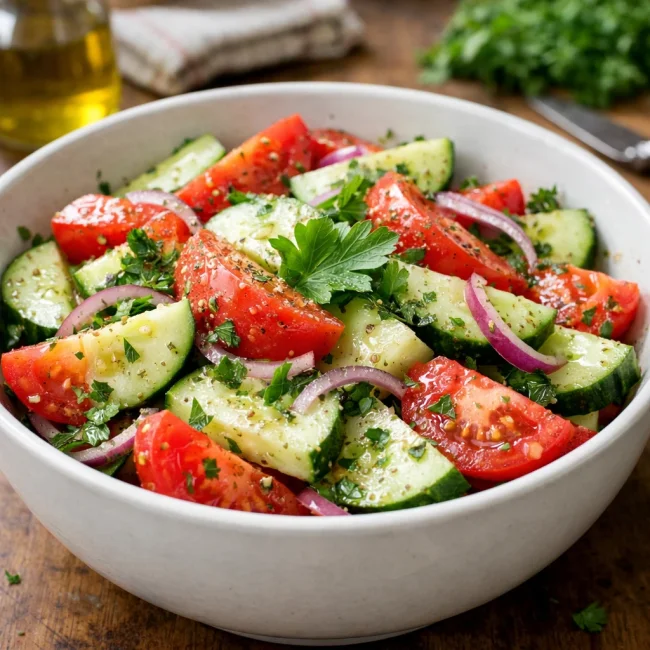
Traditional Cucumber and Tomato Salad
A refreshing and simple salad combining crisp cucumbers and juicy tomatoes, season...
View Recipe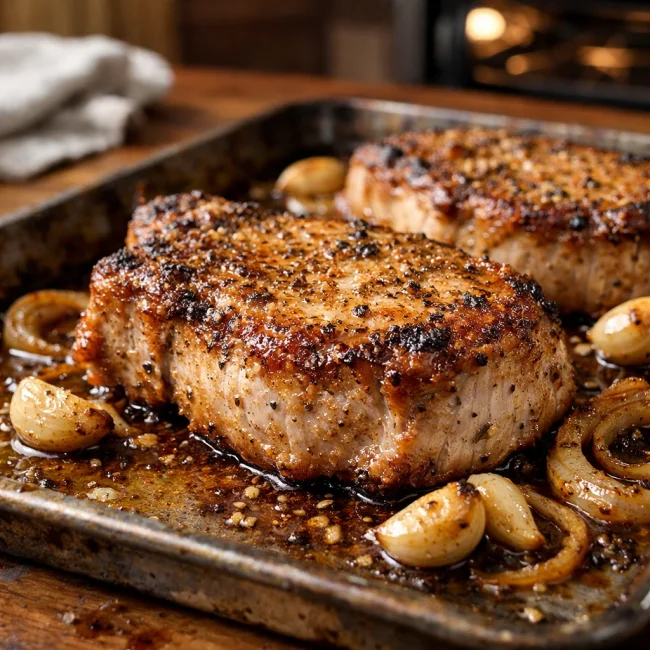
Oven-Baked Pork Chops
Enjoy a delightful dinner with these tender and juicy oven-baked pork chops, seaso...
View Recipe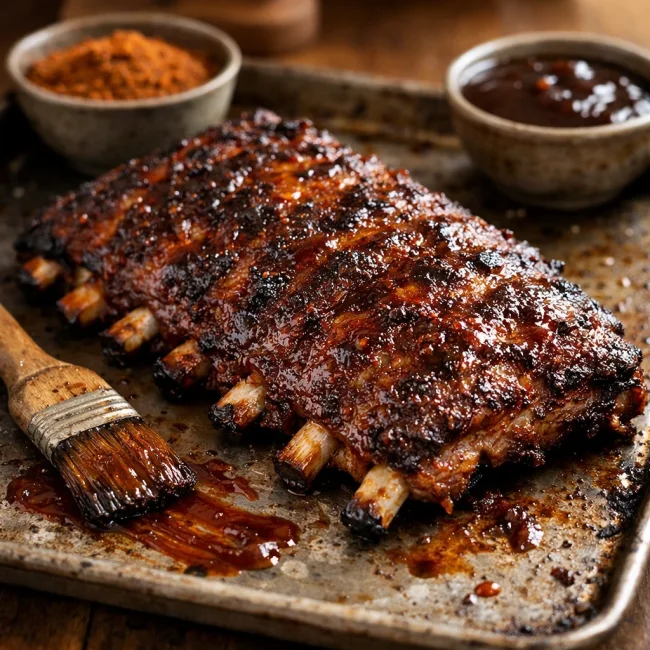
Oven-Roasted Baby Back Ribs
Savor the classic, finger-licking deliciousness of perfectly oven-roasted baby bac...
View Recipe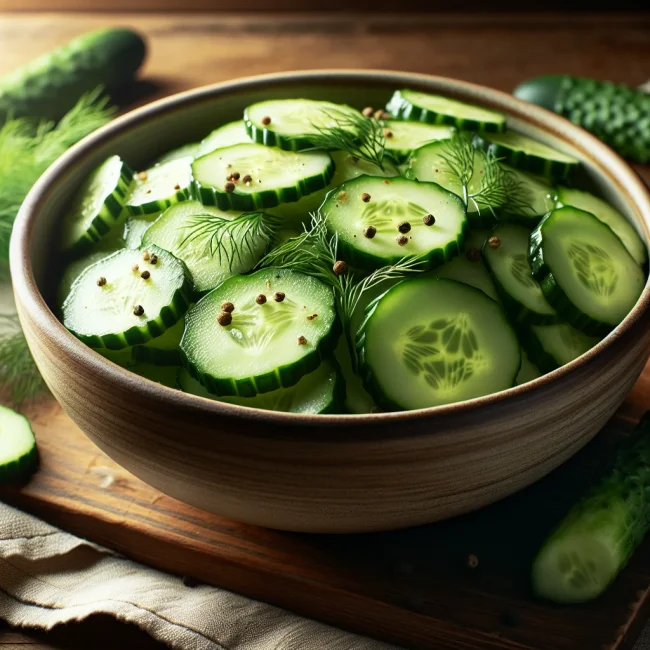
Classic Cucumber Salad
A refreshing and light cucumber salad featuring crisp cucumbers and a tangy vinaig...
View RecipeFrequently Asked Questions
- Can I use frozen peas instead of fresh?
- Yes, frozen peas work well in this recipe. Just add them a bit earlier to ensure they cook through.
- What if I don't have Arborio rice?
- Carnaroli or Vialone Nano are great substitutes for Arborio rice if you can find them.
- Is there a non-alcoholic substitute for white wine?
- You can use extra broth with a splash of white wine vinegar or lemon juice for acidity.
Serving Ideas for Spring Pea Risotto
This Spring Pea Risotto pairs wonderfully with a simple green salad dressed in a light vinaigrette. For a fuller meal, you might consider serving it alongside grilled chicken or fish. A crisp, chilled glass of the same dry white wine used in the risotto makes for a perfect accompaniment.
More Rice Dishes Recipes
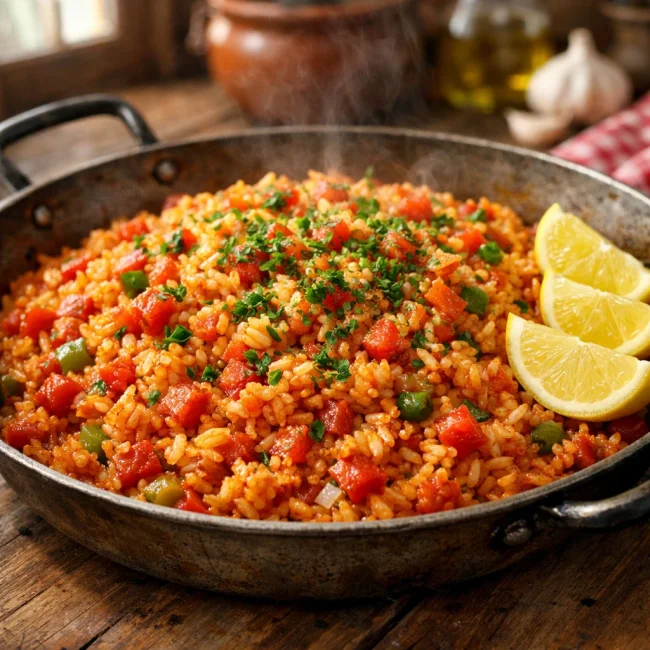
Traditional Spanish Rice
A rich and flavorful Spanish Rice made with aromatic spices and fresh vegetables, ...
View Recipe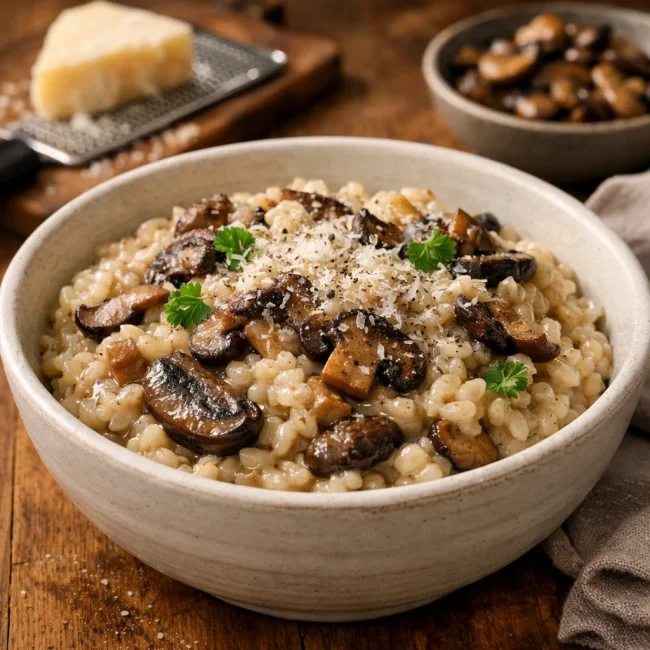
Creamy Mushroom Risotto
Indulge in this creamy mushroom risotto, a comforting dish perfect for warming bot...
View Recipe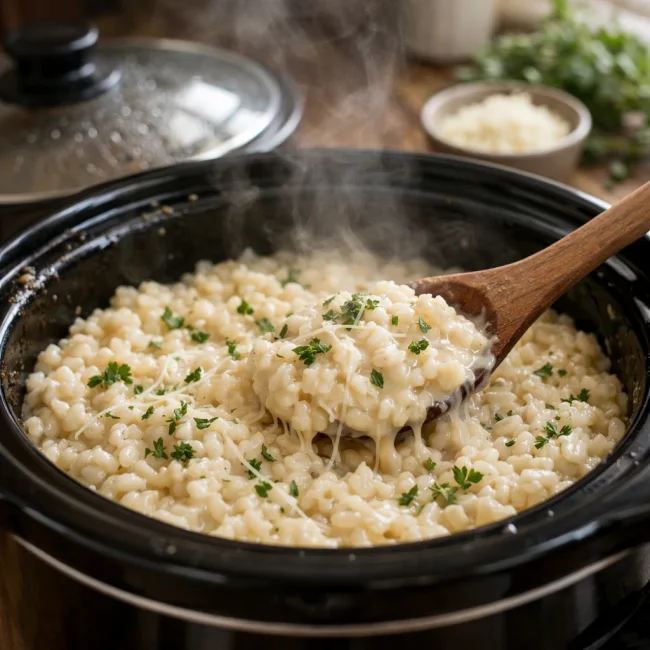
Slow Cooker Risotto
Enjoy the creamy texture of risotto without constant stirring by using your slow c...
View Recipe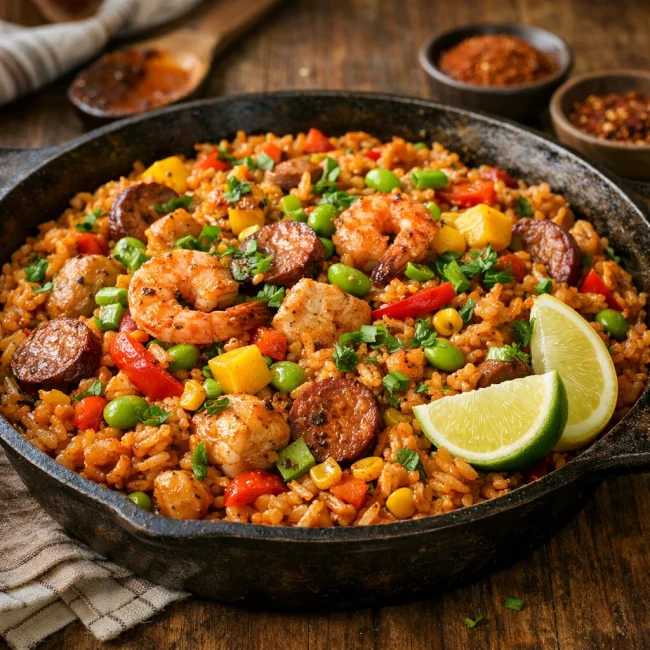
Cajun Fusion Jambalaya
An innovative twist on traditional jambalaya, combining bold Cajun spices with a f...
View Recipe