
Quinoa and Black Bean Stuffed Peppers
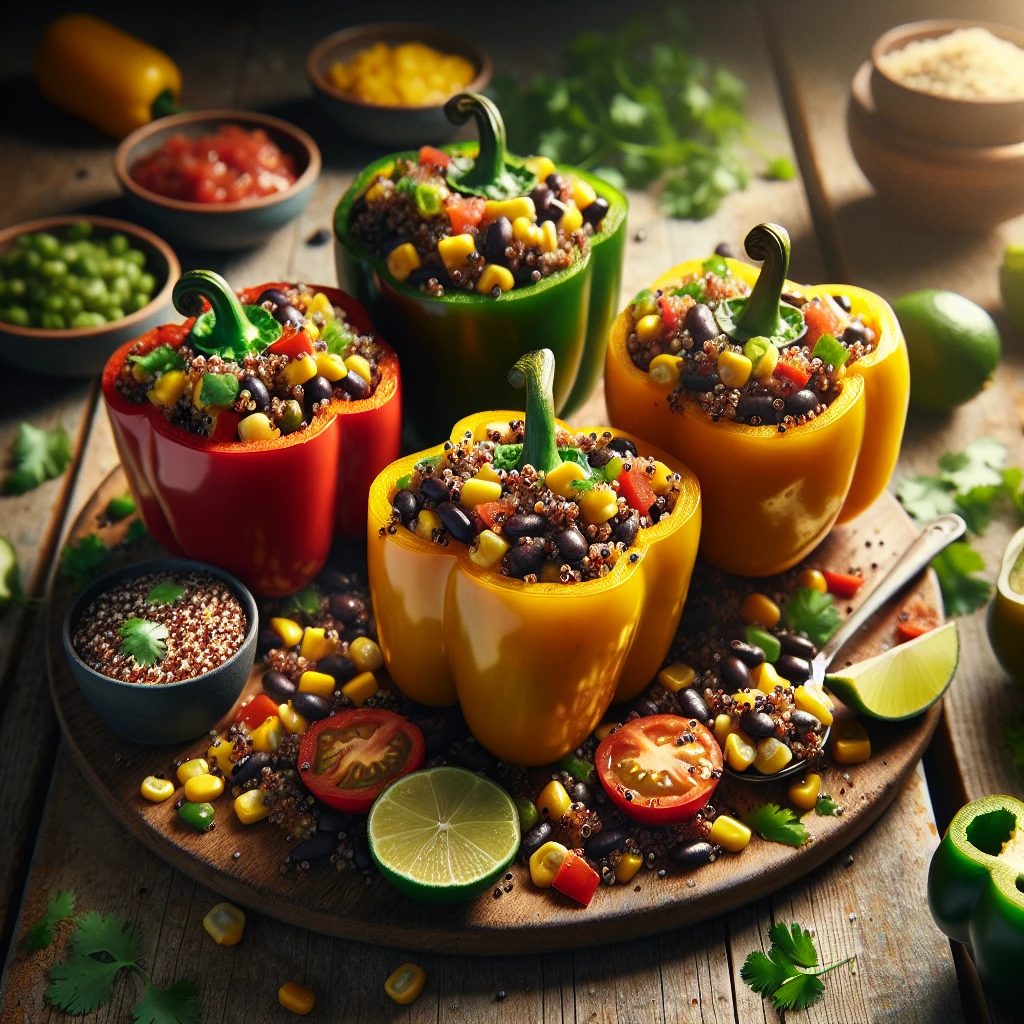
Quinoa and Black Bean Stuffed Peppers are a delightful, wholesome meal that brings bold flavors and vibrant colors to your table. This dish is packed with protein and fiber, making it a perfect option for a satisfying weeknight dinner or a lunch that's both filling and nutritious.
 Share
Share
This post may contain affiliate links. As an Amazon Associate, we earn from qualifying purchases.
Ingredients for Quinoa and Black Bean Stuffed Peppers
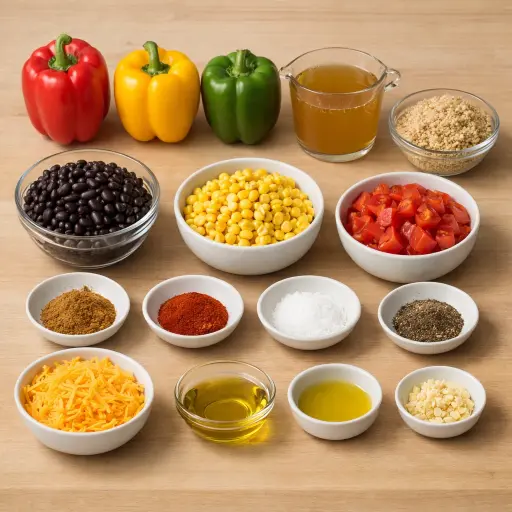
Bell peppers: These serve as our edible bowls, bringing a sweet, mild flavor to the dish. Choose firm, brightly colored peppers for the best results.
Quinoa: This ancient grain is the base of our stuffing, adding a nutty flavor and protein-packed goodness.
Vegetable broth: Used to cook the quinoa, it infuses extra flavor into the grains.
Black beans: These lend a hearty texture and earthy taste while boosting the protein content.
Corn kernels: They add a touch of sweetness and a pop of color.
Diced tomatoes: Juicy and tangy, they complement the other ingredients beautifully.
Ground cumin: This spice provides a warm, earthy aroma that's essential for depth of flavor.
Smoked paprika: Adds a smoky undertone that enhances the overall taste.
Salt and black pepper: Essential for seasoning and balancing flavors.
Cheddar cheese: Optional, but a melty layer of cheese takes these peppers to the next level.
Olive oil: Used to drizzle over the peppers, ensuring they roast beautifully.
Garlic: A couple of cloves add a savory kick.
Why This Quinoa and Black Bean Stuffed Peppers Works
During baking, the peppers and the filling sort of fix each other’s texture. The empty peppers start out firm and a little watery. As they sit in the hot oven, their walls soften and bend, but the quinoa inside is already cooked and fluffy, so it holds its shape and keeps the peppers from collapsing. At the same time, the pepper shells keep the quinoa mixture from drying out, like little bowls.
Inside the peppers, the cooked quinoa soaks up extra juice from the tomatoes and corn. That extra liquid would just run all over a pan, but here it goes straight into the grains, so the filling stays moist instead of soggy. The beans stay whole and give some bite, while the corn stays a bit crisp, so every scoop doesn’t feel mushy.
Once cheese goes on top, it melts and settles over the opening of each pepper. As it cools slightly, it firms up and holds the top layer together, so the filling stays tucked inside when served.
Quinoa and Black Bean Stuffed Peppers Tips & Tricks
- Use a variety of bell pepper colors for a visually stunning presentation.
- Rinse the quinoa before cooking to remove its natural saponin coating, which can taste bitter.
- If you prefer spicier flavors, add a pinch of cayenne pepper or some chopped jalapeños to the stuffing.
Mistakes To Avoid
Letting the quinoa stay undercooked in the pot means it goes into the peppers still hard in the center. In the oven it doesn’t have enough moisture or time to soften, so the filling ends up with crunchy, unpleasant bits instead of a fluffy texture that holds together.
Packing the peppers too tightly in the baking dish causes them to steam instead of roast. The sides stay firm and the bottoms can get watery, so the peppers don’t soften properly and the filling sits in liquid instead of staying light and separate.
Skipping the step of draining and rinsing the black beans leaves extra starchy, salty liquid in the mix. During baking, that liquid seeps out, making the filling soggy and pasty instead of loose and slightly chewy.
Baking the peppers much longer than the times given can make the pepper shells collapse and split. The skins wrinkle and the filling dries out around the edges, so the peppers lose their shape and the texture turns mealy instead of tender.
Equipment Used:
Ingredients
- 4 large bell peppers
- 1 cup quinoa
- 2 cups vegetable broth
- 1 can (15 oz) black beans, drained and rinsed
- 1 cup corn kernels
- 1 cup diced tomatoes
- 1 teaspoon ground cumin
- 1 teaspoon smoked paprika
- 1/2 teaspoon salt
- 1/4 teaspoon black pepper
- 1 cup shredded cheddar cheese (optional)
- 1 tablespoon olive oil
- 2 cloves garlic, minced
Step-by-step Instructions
- 1. Preheat oven to 375°F (190°C).
- 2. Cut the tops off the bell peppers and remove seeds and membranes.
- 3. In a saucepan, combine quinoa and vegetable broth. Bring to a boil, then reduce heat to low, cover, and simmer for 15 minutes or until quinoa is cooked.
- 4. In a large bowl, combine cooked quinoa, black beans, corn, diced tomatoes, cumin, smoked paprika, salt, and black pepper.
- 5. Stuff each bell pepper with the quinoa mixture and place in a baking dish.
- 6. Drizzle olive oil over the stuffed peppers.
- 7. Bake in preheated oven for 30 minutes.
- 8. Optionally, sprinkle shredded cheddar cheese on top of each pepper and bake for an additional 10 minutes until cheese is melted and bubbly.
- 9. Remove from oven and let cool slightly before serving.
Trending Now
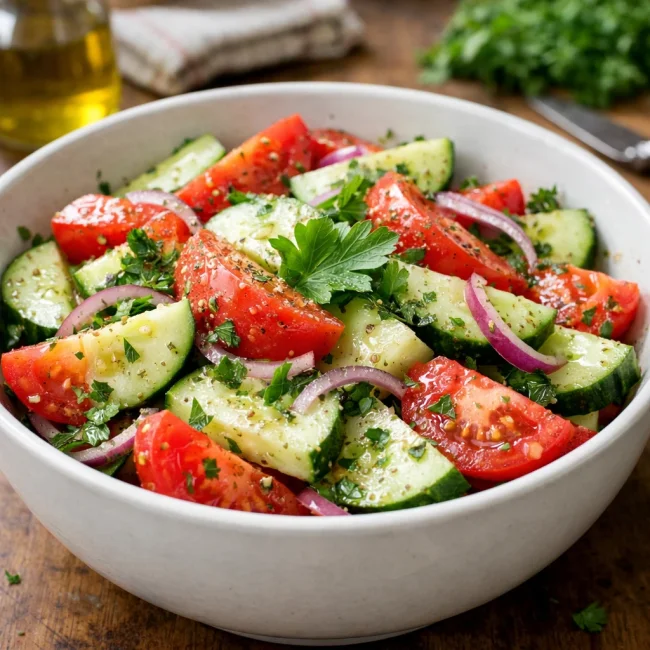
Traditional Cucumber and Tomato Salad
A refreshing and simple salad combining crisp cucumbers and juicy tomatoes, season...
View Recipe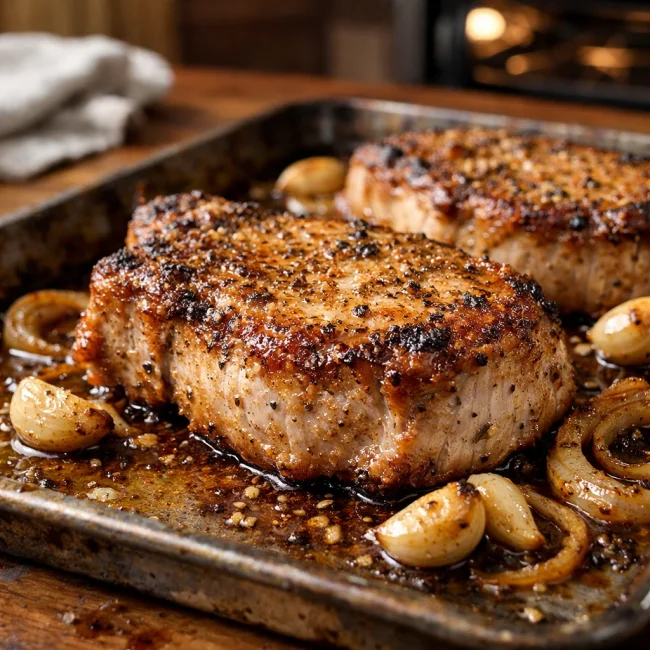
Oven-Baked Pork Chops
Enjoy a delightful dinner with these tender and juicy oven-baked pork chops, seaso...
View Recipe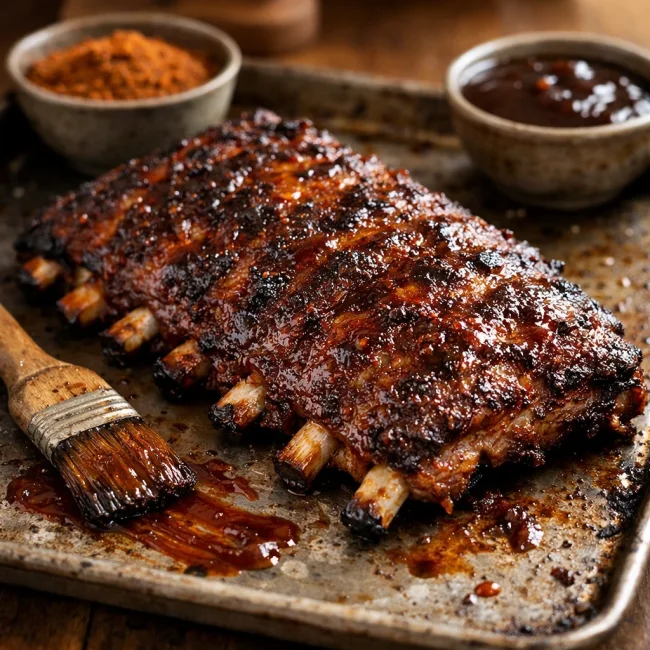
Oven-Roasted Baby Back Ribs
Savor the classic, finger-licking deliciousness of perfectly oven-roasted baby bac...
View Recipe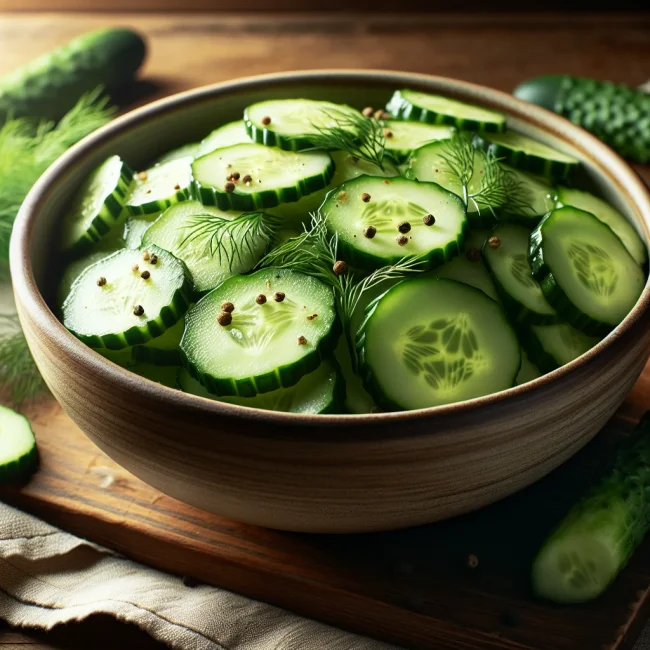
Classic Cucumber Salad
A refreshing and light cucumber salad featuring crisp cucumbers and a tangy vinaig...
View RecipeFrequently Asked Questions
- Can I make these peppers in advance?
- Yes, you can prepare the stuffing and fill the peppers a day ahead, then bake them when you're ready to serve.
- What can I use instead of quinoa?
- If quinoa isn't your favorite, try using couscous or brown rice as an alternative.
- Are these peppers freezer-friendly?
- Absolutely! Once baked, let them cool completely, then freeze them individually for up to 3 months.
Serving Ideas for Quinoa and Black Bean Stuffed Peppers
Pair these stuffed peppers with a simple green salad for a refreshing contrast. If you're serving this dish to guests, consider offering a side of avocado or a dollop of sour cream for extra creaminess.
More Vegetarian, High-Protein, Low-Fat, Mexican, Weeknight Dinners, Meal Prep Recipes
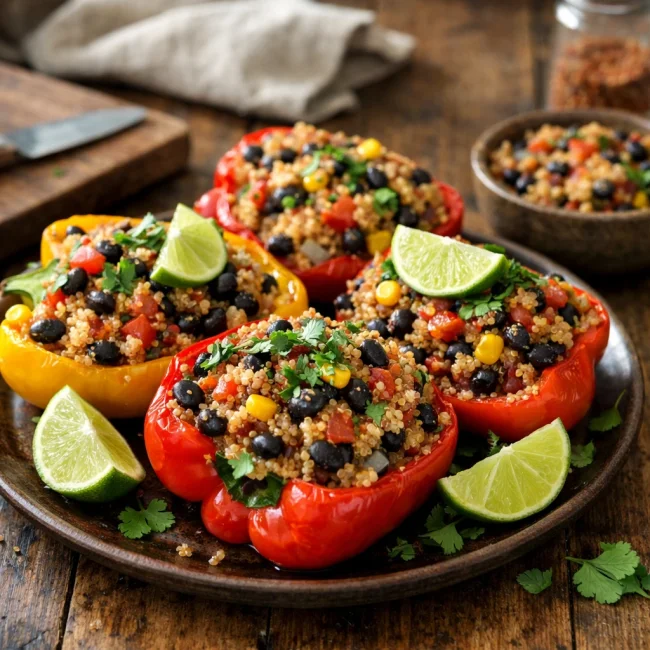
Quinoa and Black Bean Stuffed Peppers
Discover a healthy and flavorful twist on classic stuffed peppers with our Quinoa ...
View Recipe