
March: Spring Pea Risotto
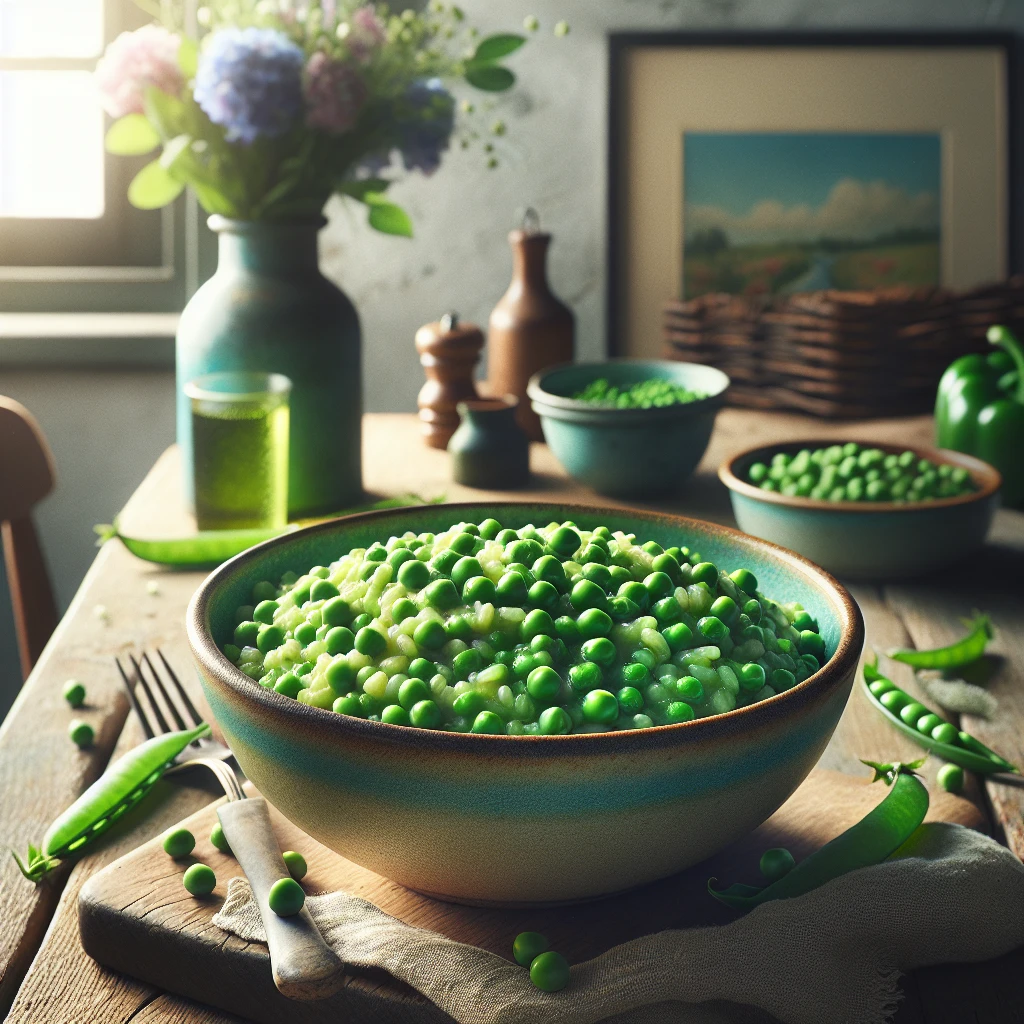
Spring is in the air, and what better way to celebrate than with a vibrant Spring Pea Risotto? This dish captures the freshness of the season with sweet peas and aromatic mint, making it a perfect way to welcome March and its promise of warmer days.
 Share
Share
This post may contain affiliate links. As an Amazon Associate, we earn from qualifying purchases.
Ingredients for March: Spring Pea Risotto
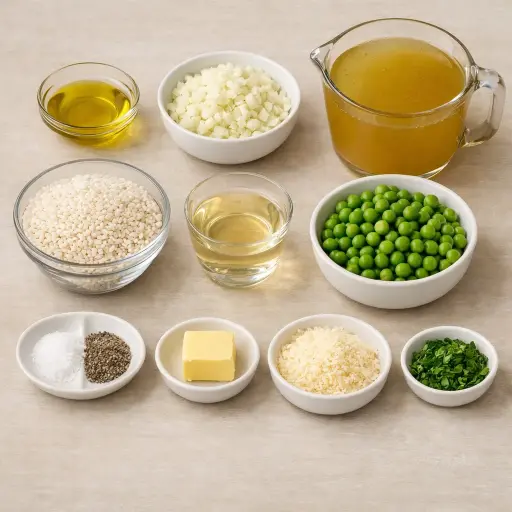
Olive oil serves as the foundation, providing a subtle richness and helping to cook the onions and garlic. Onion and garlic are the aromatic base, adding depth and a hint of sweetness. Arborio rice is crucial for risotto due to its ability to absorb liquid and release starch, creating a creamy texture. The dry white wine adds a layer of acidity that cuts through the richness. Vegetable broth keeps the dish vegetarian and enhances the flavor without overpowering. Fresh peas bring a pop of color and sweetness, perfect for spring. Parmesan cheese adds a salty, umami kick, enhancing the overall taste. Butter makes the risotto silky and rich, while fresh mint offers a refreshing contrast with its bright, herbal notes.
Why This March: Spring Pea Risotto Works
At the start, the onion and garlic slowly soften in the olive oil. As they sit in the warm pan, they lose their sharp bite and start to taste sweeter, so the base of the risotto is gentle instead of harsh. When the Arborio rice goes in, each grain gets coated in the oil. That thin layer of fat keeps the outside from breaking down too fast while the inside cooks, so the rice stays a little firm in the center.
After the wine goes in and cooks off, the warm broth goes in little by little. During this time, the rice slowly drinks in the liquid. As the grains swell, starch on the outside of the rice slips into the pan and thickens the broth. Over time, the pan changes from loose broth and rice to a creamy mixture that still has separate grains. Near the end, the peas only need a few minutes so they stay bright and a bit crisp. Off the heat, butter, Parmesan, and mint melt and spread through the hot rice, so the whole pot turns glossy and smooth instead of sticky.
March: Spring Pea Risotto Tips & Tricks
- Keep your broth warm; adding cold broth can slow down the cooking process and affect the texture.
- Use a wooden spoon to stir; it’s gentler on the rice and helps prevent breaking the grains.
- Taste as you go; season gradually to avoid over-salting.
Mistakes To Avoid
Letting the heat get too high while adding the broth makes the liquid boil hard instead of gently simmer. The rice swells fast on the outside but stays firm in the center, so the pan looks thick and creamy but the grains feel chalky when eaten.
Adding all the broth at once instead of a ladle at a time keeps the rice from rubbing and releasing its starch slowly. The liquid stays loose for a long time, then suddenly turns thick but soupy, so the risotto ends up more like rice in broth than a soft, flowing mixture.
Throwing the peas in too early causes them to cook the whole time with the rice. By the end, they wrinkle, lose their bright color, and feel mushy, so the dish looks dull and has no pop of fresh texture.
Skipping the rest off the heat with butter and Parmesan means the rice doesn’t get that last gentle thickening. The grains stay a bit separate, and the risotto spreads thin on the plate instead of settling into a smooth, slightly loose mound.
Equipment Used:
Ingredients
- 1 tablespoon olive oil
- 1 small onion, finely chopped
- 2 cloves garlic, minced
- 1 cup Arborio rice
- 1/2 cup dry white wine
- 4 cups vegetable broth, kept warm
- 1 cup fresh peas
- 1/2 cup grated Parmesan cheese
- Salt and pepper to taste
- 1 tablespoon butter
- 2 tablespoons fresh mint, chopped
Step-by-step Instructions
- 1. Heat the olive oil in a large pan over medium heat. Add the chopped onion and garlic, and sauté until translucent.
- 2. Stir in the Arborio rice and cook for 2 minutes, ensuring the grains are well coated with oil.
- 3. Pour in the white wine and stir until it is absorbed by the rice.
- 4. Gradually add the warm vegetable broth, one ladle at a time, stirring frequently. Allow the liquid to be absorbed before adding more broth.
- 5. Once the rice is creamy and cooked al dente, stir in the fresh peas and cook for another 3-4 minutes.
- 6. Remove the pan from heat and stir in the Parmesan cheese, butter, and fresh mint. Season with salt and pepper.
- 7. Serve immediately, garnished with additional mint if desired.
Trending Now

Traditional Fluffy Pancakes
Discover the perfect start to your morning with our Traditional Fluffy Pancakes, a...
View Recipe
Old-Fashioned Bread Pudding
Discover the classic charm of Old-Fashioned Bread Pudding - a timeless dessert com...
View Recipe
Zucchini Fries
Crispy oven-baked zucchini fries with a golden crust, perfect for a healthy snack ...
View Recipe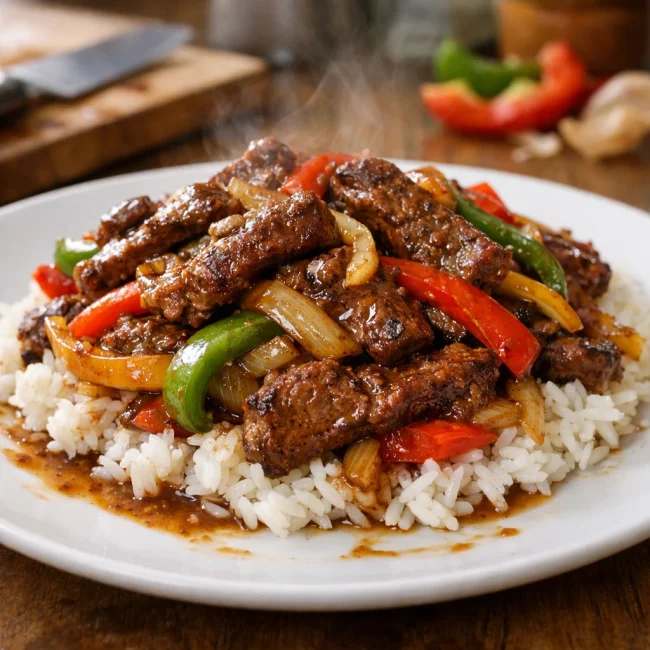
Traditional Pepper Steak
A timeless savory dish, Traditional Pepper Steak features juicy beef strips cooked...
View RecipeFrequently Asked Questions
- Can I use frozen peas?
- Yes, just add them a bit earlier to ensure they cook through.
- What if I don’t have white wine?
- You can substitute with an equal amount of broth or a splash of lemon juice for acidity.
- How do I know when the rice is done?
- It should be creamy with a slight bite, not mushy.
Serving Ideas for March: Spring Pea Risotto
This risotto pairs beautifully with a simple green salad dressed in a light vinaigrette. For a bit of protein, consider serving alongside grilled chicken or seared scallops. A crisp white wine, such as a Sauvignon Blanc, complements the dish perfectly.
More Rice Dishes Recipes
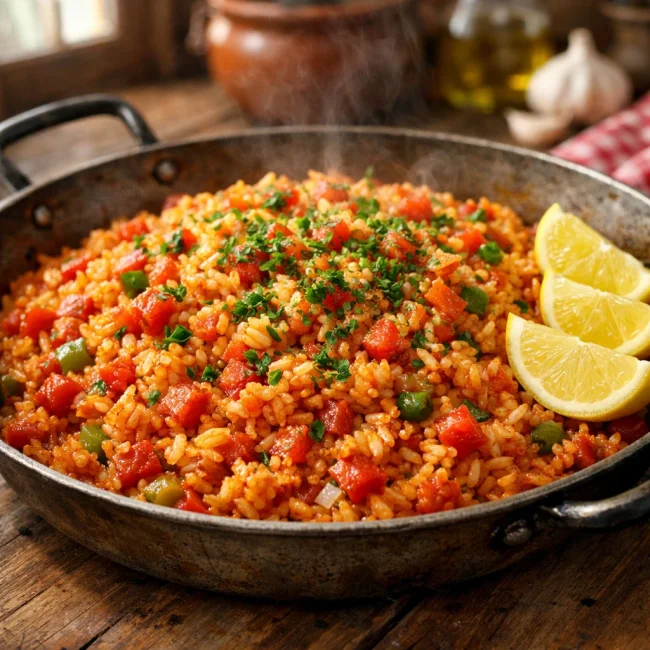
Traditional Spanish Rice
A rich and flavorful Spanish Rice made with aromatic spices and fresh vegetables, ...
View Recipe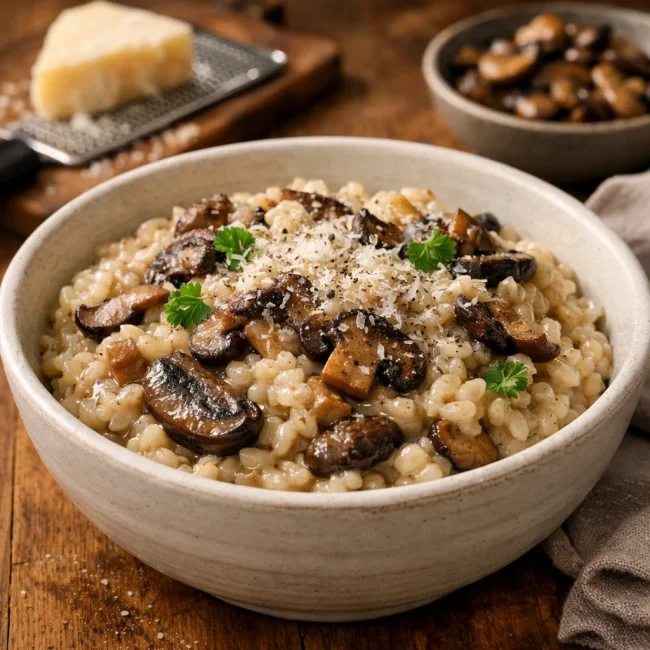
Creamy Mushroom Risotto
Indulge in this creamy mushroom risotto, a comforting dish perfect for warming bot...
View Recipe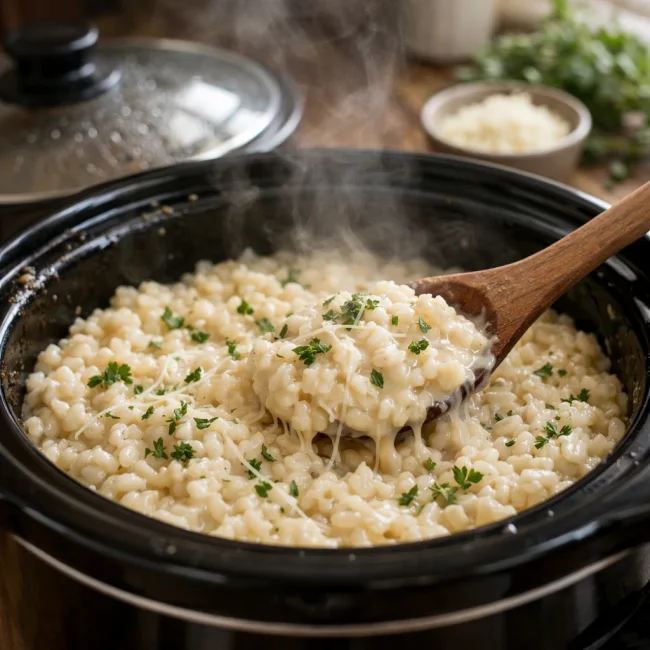
Slow Cooker Risotto
Enjoy the creamy texture of risotto without constant stirring by using your slow c...
View Recipe
Cajun Fusion Jambalaya
An innovative twist on traditional jambalaya, combining bold Cajun spices with a f...
View Recipe