
Herb-Infused Gluten-Free Bread
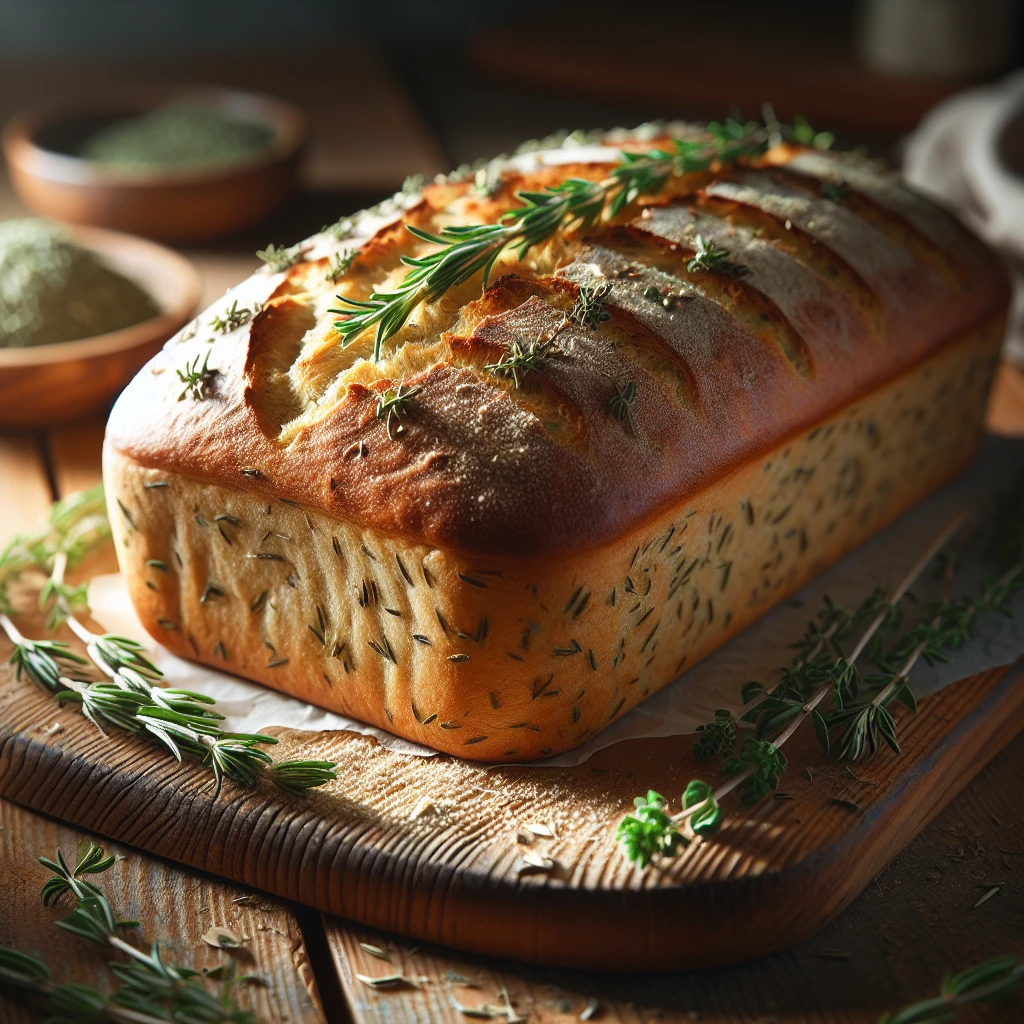
Introducing a delightful twist on traditional bread-making: Herb-Infused Gluten-Free Bread. This recipe brings together the aromatic notes of rosemary and thyme with a tender, gluten-free base, perfect for those seeking a flavorful, wheat-free alternative.
 Share
Share
This post may contain affiliate links. As an Amazon Associate, we earn from qualifying purchases.
Ingredients for Herb-Infused Gluten-Free Bread

Gluten-free all-purpose flour forms the base of our bread, offering a versatile, wheat-free alternative. Almond flour adds moisture and a slightly nutty flavor, while tapioca flour contributes to the bread's chewy texture. Ground flaxseed not only binds the ingredients but also provides a nutritional boost. The xanthan gum is crucial for structure, mimicking gluten's role. Baking soda helps the bread rise, and salt enhances overall flavor. Olive oil adds richness, and apple cider vinegar works with the baking soda for leavening. Warm water activates the ingredients, while honey adds a touch of sweetness. Finally, rosemary and thyme offer aromatic, herbal notes.
Why This Herb-Infused Gluten-Free Bread Works
In the bowl, the gluten-free flour, almond flour, tapioca flour, flaxseed, and xanthan gum act like the “frame” of the bread. Once the warm water, oil, honey, and vinegar go in, everything swells up and thickens. The xanthan gum and flaxseed drink in the water and turn a loose mix into a batter that can actually hold its shape. Almond flour adds a bit of fat, so the bread stays softer instead of drying out.
In the oven, baking soda and vinegar react and start pushing tiny bubbles through the batter. Those bubbles get trapped by the xanthan gum and flax gel, so the bread rises instead of baking into a dense brick. As it bakes, the outside dries first and forms a crust, while the inside stays moist and sets more slowly. By the time it is done, the loaf is firm enough to slice but still tender, and the chopped rosemary and thyme are spread all through the crumb instead of sinking to the bottom.
Herb-Infused Gluten-Free Bread Tips & Tricks
- Measure your ingredients precisely for the best results, especially the flours.
- Use fresh herbs for maximum flavor impact. Dried herbs can be used, but the taste will be less vibrant.
- Ensure your water is warm, not hot, to avoid activating the baking soda prematurely.
Mistakes To Avoid
Letting the bread bake too long dries it out fast. The crust turns very hard and dark while the inside becomes crumbly and chalky, so the slices break apart instead of holding together.
Skipping the xanthan gum or flaxseed makes the loaf fall apart. During baking, the batter has nothing to hold it together, so the bread bakes up fragile and sandy, and it crumbles as soon as it is sliced.
Adding much more warm water than listed leaves the batter too runny. In the oven, the center struggles to set, so the loaf can look done on top but stay wet and gummy inside, even after a long bake.
Stirring the batter for a long time after it comes together can flatten the rise. The air that was mixed in gets pushed out, and the bread bakes up low, dense, and heavy instead of soft and slightly springy.
Using cold water instead of warm slows down how the baking soda reacts. The loaf rises less in the oven and ends up shorter and tighter in texture, with a slightly damp feel in the middle.
Equipment Used:
Ingredients
- 2 cups gluten-free all-purpose flour
- 1/2 cup almond flour
- 1/4 cup tapioca flour
- 2 tablespoons ground flaxseed
- 1 teaspoon xanthan gum
- 1 teaspoon baking soda
- 1 teaspoon salt
- 2 tablespoons olive oil
- 1 tablespoon apple cider vinegar
- 1 1/2 cups warm water
- 1 tablespoon honey
- 1 tablespoon chopped fresh rosemary
- 1 tablespoon chopped fresh thyme
Step-by-step Instructions
- 1. Preheat your oven to 375°F (190°C) and line a loaf pan with parchment paper.
- 2. In a large bowl, combine the gluten-free all-purpose flour, almond flour, tapioca flour, ground flaxseed, xanthan gum, baking soda, and salt.
- 3. In a separate bowl, mix the olive oil, apple cider vinegar, warm water, and honey until well combined.
- 4. Gradually add the wet ingredients to the dry ingredients, stirring until a smooth batter forms.
- 5. Fold in the chopped rosemary and thyme, mixing gently to distribute evenly.
- 6. Pour the batter into the prepared loaf pan and smooth the top with a spatula.
- 7. Bake for 50-60 minutes, or until the top is golden brown and a toothpick inserted into the center comes out clean.
- 8. Allow the bread to cool in the pan for 10 minutes before transferring to a wire rack to cool completely.
Trending Now
Zucchini Fries
Crispy oven-baked zucchini fries with a golden crust, perfect for a healthy snack ...
View Recipe
Old-Fashioned Bread Pudding
Discover the classic charm of Old-Fashioned Bread Pudding - a timeless dessert com...
View Recipe
Traditional Pepper Steak
A timeless savory dish, Traditional Pepper Steak features juicy beef strips cooked...
View Recipe
Traditional Fluffy Pancakes
Discover the perfect start to your morning with our Traditional Fluffy Pancakes, a...
View RecipeFrequently Asked Questions
- Can I use a different type of flour?
- You can experiment, but the texture may vary. Stick to gluten-free options to maintain the bread's structure.
- How should I store the bread?
- Store in an airtight container at room temperature for up to three days, or freeze slices for longer storage.
Serving Ideas for Herb-Infused Gluten-Free Bread
This bread pairs beautifully with a hearty soup or stew, where its herbal notes can shine. It's also excellent toasted with a spread of creamy butter or avocado. For a delightful appetizer, slice thinly and serve with an olive oil dip infused with garlic and balsamic vinegar.
More Gluten-Free, Breads & Baked Goods, Baking Recipes
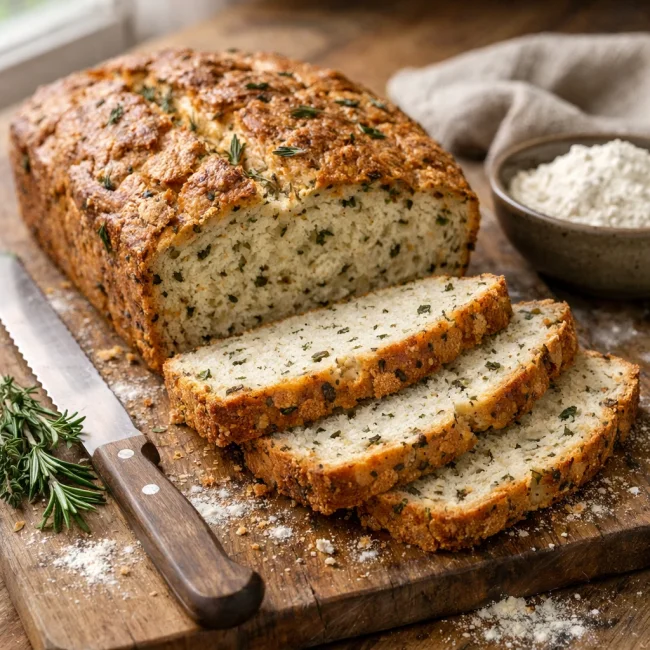
Herb-Infused Gluten-Free Bread
Discover the joy of baking with our Herb-Infused Gluten-Free Bread, a delicious an...
View Recipe