
Golden Turmeric Sauerkraut
Golden Turmeric Sauerkraut is a vibrant twist on the classic fermented cabbage dish, infusing it with earthy turmeric and zesty ginger. This recipe not only brings a pop of color to your plate but also offers a gut-friendly, nutrient-packed side that's perfect for any season.
 Share
Share

This post may contain affiliate links. As an Amazon Associate, we earn from qualifying purchases.
Ingredients for Golden Turmeric Sauerkraut
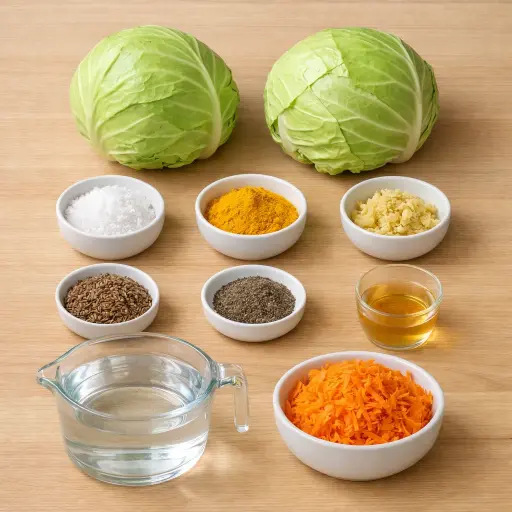
Cabbage is the star of our sauerkraut, providing a crisp and crunchy base that holds up well during fermentation. The natural sugars in cabbage help feed the good bacteria crucial for the fermenting process.
Sea Salt plays a dual role here — it draws out moisture from the cabbage and creates an environment where beneficial bacteria can thrive while keeping harmful ones at bay.
Turmeric adds a warm, earthy flavor and a stunning golden hue. It's known for its anti-inflammatory properties, making it a healthy addition to your diet.
Fresh Ginger adds a refreshing zing that complements the turmeric and brings a subtle heat to the mix.
Caraway Seeds lend a slightly sweet, nutty flavor that echoes the traditional taste of sauerkraut, adding complexity to the dish.
Black Pepper enhances the flavor of turmeric and adds a gentle kick, balancing the sweetness of the cabbage.
Filtered Water is used to ensure that no impurities interfere with the fermentation process, keeping everything clean and controlled.
Carrot adds a hint of sweetness and extra crunch, making the sauerkraut more vibrant and colorful.
Apple Cider Vinegar is optional, but it can kickstart the fermentation process and add a slight tang to the finished product.
Why This Golden Turmeric Sauerkraut Works
As the cabbage sits with the sea salt, it starts to wilt and give off a lot of liquid. The salt pulls water out of the cabbage cells, so the shreds soften and sink down in the bowl. That salty cabbage juice later becomes the brine that keeps everything safe while it ferments. Once the turmeric, ginger, caraway, pepper, and carrot are mixed in, the spices and color spread through the soft cabbage instead of just sitting on the outside.
When the cabbage is packed tightly in the jar and held under the brine, air stays out and the cabbage stays under water. In that wet, low-oxygen space, natural bacteria on the cabbage begin to eat the cabbage sugars. Over days and weeks, the cabbage slowly turns more sour and firm-tender instead of raw and squeaky. The turmeric and ginger soak into the cabbage and carrot, so the color turns golden and the taste becomes more even from top to bottom. Once it goes in the fridge, the cold slows everything down and the texture and tang stay about the same.
Golden Turmeric Sauerkraut Tips & Tricks
- If you notice any mold on top, simply remove it — the sauerkraut beneath should be fine if submerged properly.
- Use gloves when massaging the cabbage if you have sensitive skin, as turmeric can stain.
- For a more intense flavor, let the sauerkraut ferment for up to a month.
Mistakes To Avoid
Packing the cabbage loosely in the jar leaves lots of air pockets, so the brine doesn’t fully cover the vegetables. Parts of the cabbage then sit half in, half out of the liquid, turning brown and slimy instead of staying crisp and bright.
Using too little salt or guessing the amount often leads to a soft, mushy kraut. With not enough salt, the cabbage breaks down too fast and the wrong microbes can take over, giving the jar a cloudy, stringy brine and a sludgy texture.
Pouring in too much water right away can wash off the salty cabbage juices and thin the brine. The liquid then doesn’t pull moisture from the cabbage properly, so the shreds stay squeaky and hard instead of softening evenly.
Skipping the massage step with the cabbage and salt leaves the shreds dry and stiff when they go into the jar. Without those first juices, the brine level stays low, the spices don’t spread well, and the top layers can dry out and turn rubbery.
Equipment Used:
Large mixing bowl, fermentation jar with airlock lid, fermentation weight
Ingredients
- 2 medium heads of green cabbage (about 5 lbs)
- 3 tbsp sea salt
- 2 tbsp ground turmeric
- 1 tbsp grated fresh ginger
- 1 tbsp caraway seeds
- 1 tsp black pepper
- 4 cups filtered water
- 1 medium carrot, shredded
- 1 tbsp apple cider vinegar
Step-by-step Instructions
- 1. Remove outer leaves of cabbage and core it, then slice it thinly.
- 2. In a large mixing bowl, combine sliced cabbage and sea salt, massaging until cabbage releases its juices.
- 3. Add turmeric, grated ginger, caraway seeds, black pepper, and shredded carrot to the cabbage. Mix well to distribute spices evenly.
- 4. Pack the cabbage mixture tightly into a large fermentation jar, leaving about 1 inch of space at the top.
- 5. Pour filtered water over the packed cabbage to submerge it completely, then weigh it down with a fermentation weight to keep it submerged.
- 6. Seal the jar with an airlock lid and let it ferment at room temperature (65-75°F) for 2-3 weeks, checking periodically for taste and texture.
- 7. Once desired tanginess and texture are achieved, transfer to the refrigerator.
Trending Now

Zucchini Fries
Crispy oven-baked zucchini fries with a golden crust, perfect for a healthy snack ...
View Recipe
Old-Fashioned Bread Pudding
Discover the classic charm of Old-Fashioned Bread Pudding - a timeless dessert com...
View Recipe
Classic Cinnamon Rolls
Indulge in the sweet embrace of our homemade cinnamon rolls, perfect for breakfast...
View Recipe
Traditional Hollandaise Sauce
Discover the rich and creamy essence of traditional Hollandaise Sauce, perfect for...
View RecipeFrequently Asked Questions
- Can I use purple cabbage?
- Yes, you can! It will change the color and add a slightly different flavor profile, but it can be a fun variation.
- How can I tell if my sauerkraut is fermenting properly?
- Look for bubbles and a tangy smell. These are good indicators that fermentation is happening.
Serving Ideas for Golden Turmeric Sauerkraut
This Golden Turmeric Sauerkraut pairs beautifully with grilled meats or roasted vegetables. Try adding it to sandwiches or serve it alongside sausages for a classic combo. It's also a delightful topping for a Buddha bowl or a hearty grain salad.
More Vegan, Gluten-Free, Dairy-Free, Side Dishes Recipes
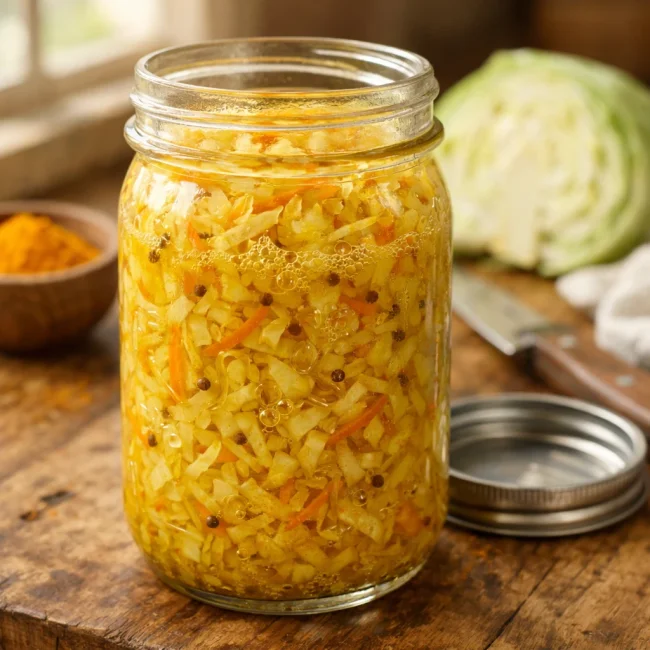
Golden Turmeric Sauerkraut
A unique twist on traditional sauerkraut with a vibrant golden hue, this homemade ...
View Recipe