
Cacio e Pepe with Truffle Oil
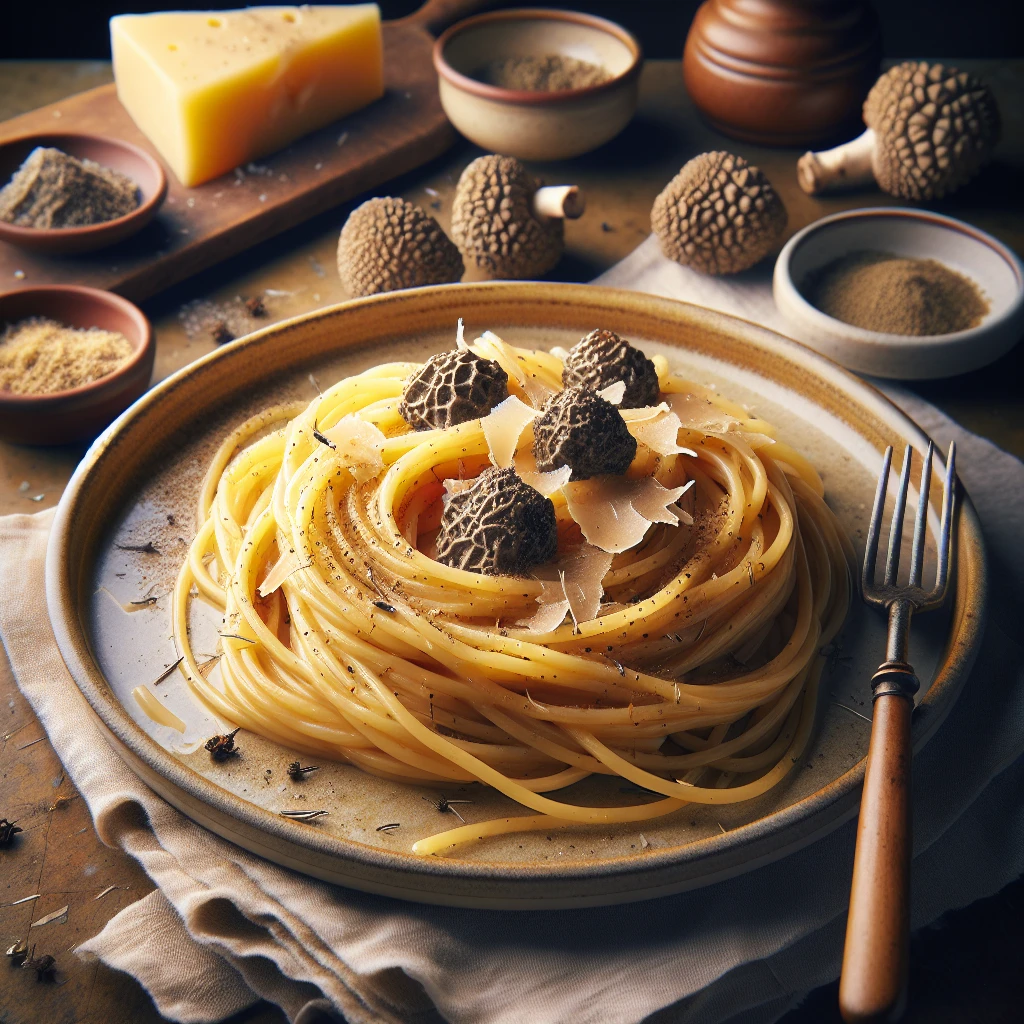
Welcome to the world of simple yet sophisticated Italian cuisine! This Cacio e Pepe with Truffle Oil recipe elevates a classic Roman dish by adding a touch of luxurious truffle oil. Perfect for a cozy dinner or impressing guests without spending hours in the kitchen.
 Share
Share
This post may contain affiliate links. As an Amazon Associate, we earn from qualifying purchases.
Ingredients for Cacio e Pepe with Truffle Oil
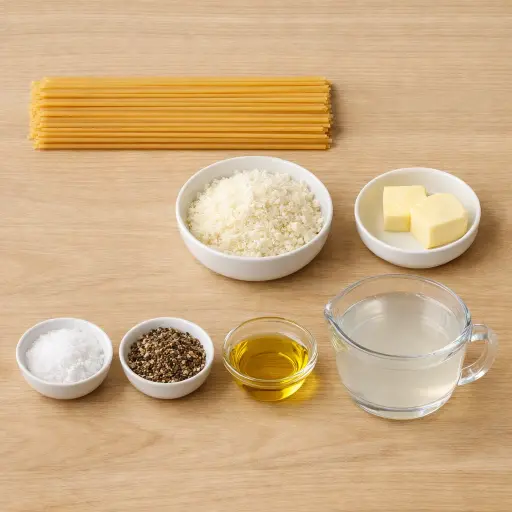
Let's break down these simple yet powerful ingredients. First, we have spaghetti, the classic pasta choice for this dish, providing a perfect base for the creamy sauce. Next, the heart of any Cacio e Pepe is the Pecorino Romano cheese, which brings a sharp, tangy flavor that melts beautifully into a creamy sauce. The unsalted butter adds richness and carries the flavors of the cheese and pepper. Now, onto the star of the show: freshly cracked black pepper, which gives the dish its signature bite and aromatic depth. The luxurious truffle oil offers a subtle earthiness that transforms this simple dish into something extraordinary. Finally, a pinch of salt to taste enhances all the flavors.
Why This Cacio e Pepe with Truffle Oil Works
As the pasta boils, starch from the spaghetti moves into the water. That starchy water is what later lets the cheese and butter cling to every strand instead of sliding off. When the hot pasta hits the pan with melted butter and cracked pepper, the surface of the spaghetti is still a little sticky, so the fat and pepper coat it right away.
Once the heat is turned down, the grated Pecorino goes in slowly. The cheese starts to melt on the warm pasta instead of hitting a very hot pan, so it softens and spreads instead of seizing into rubbery clumps. Little splashes of the hot pasta water loosen the cheese and butter and turn them into a smooth, glossy sauce that stays on the noodles.
At the end, the truffle oil goes in off the stronger heat. The oil stays smooth and doesn’t burn, and it mixes into the cheesy coating rather than cooking off, so the pasta stays creamy and not greasy.
Cacio e Pepe with Truffle Oil Tips & Tricks
- Use freshly cracked black pepper for the most aromatic and flavorful result.
- Grate your Pecorino Romano cheese fresh; pre-grated cheese doesn't melt as smoothly.
- Control the sauce consistency by adding the pasta water gradually; you can always add more, but you can't take it out!
- Serve immediately to enjoy the pasta at its creamiest and most flavorful.
Mistakes To Avoid
Adding the cheese while the pan is still too hot makes the Pecorino seize up on contact. Instead of melting smoothly, it clumps into sticky balls and sticks to the pasta in patches, leaving some strands dry and others coated in thick, gummy cheese.
Pouring in the pasta water too fast turns the sauce thin and watery before the cheese has a chance to thicken it. The liquid then never really grabs onto the spaghetti, so the sauce slides off and pools at the bottom of the pan.
Letting the pasta sit too long after draining means it cools and the surface starch dries out. When it goes into the pan, the cheese sauce struggles to cling, and the dish ends up with slippery noodles and a sauce that separates.
Using too much truffle oil easily overwhelms the Pecorino and pepper. The strong aroma takes over, and the pasta can feel greasy on the tongue instead of lightly coated.
Equipment Used:
Ingredients
- 12 oz spaghetti
- 1 cup grated Pecorino Romano cheese
- 2 tbsp unsalted butter
- 2 tsp freshly cracked black pepper
- 1 tbsp truffle oil
- Salt to taste
- 1 1/2 cups pasta cooking water
Step-by-step Instructions
- 1. Bring a large pot of salted water to a boil and cook the spaghetti according to package instructions until al dente. Reserve 1 1/2 cups of the pasta cooking water and drain the rest.
- 2. In a large skillet over medium heat, melt the butter and add the cracked black pepper. Toast the pepper for about 1 minute, until fragrant.
- 3. Add the cooked spaghetti to the skillet and toss to coat in the butter and pepper mixture.
- 4. Reduce the heat to low and gradually sprinkle in the grated Pecorino Romano cheese, tossing the pasta continuously to ensure even distribution and prevent clumping.
- 5. Slowly add reserved pasta water, a little at a time, until the cheese melts and forms a creamy sauce that coats the pasta.
- 6. Drizzle with truffle oil and toss to combine.
- 7. Adjust seasoning with salt if needed, and serve immediately.
Trending Now
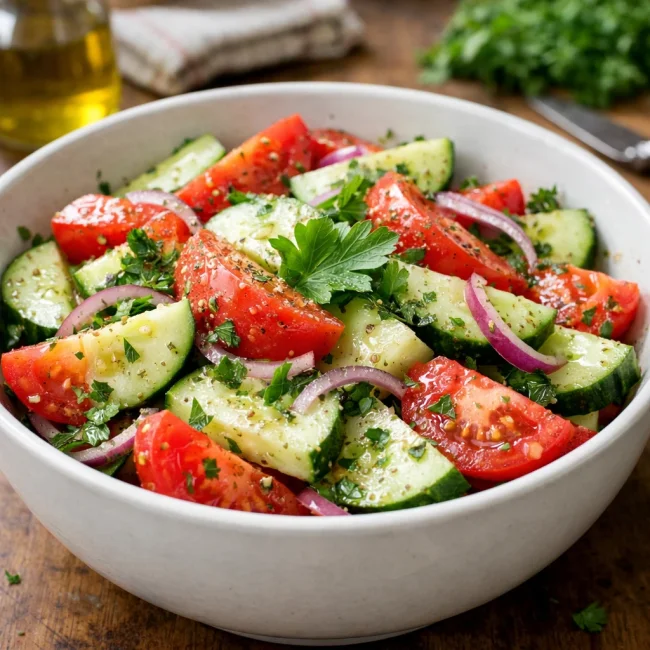
Traditional Cucumber and Tomato Salad
A refreshing and simple salad combining crisp cucumbers and juicy tomatoes, season...
View Recipe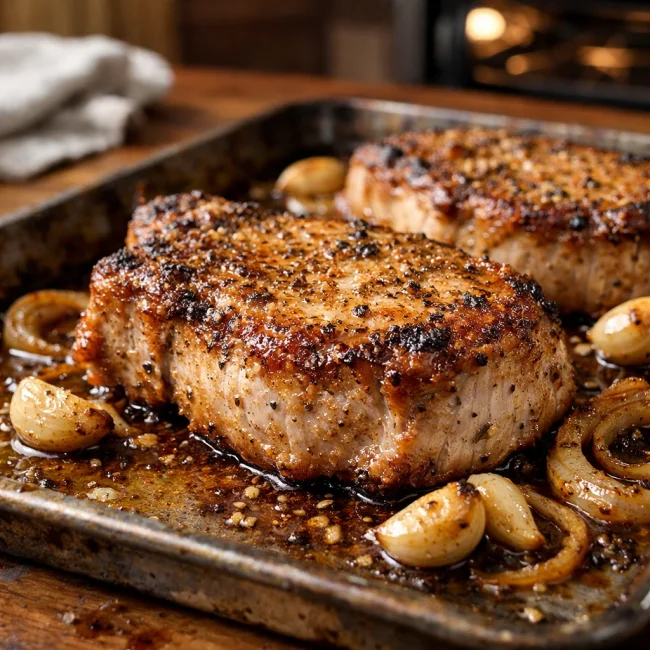
Oven-Baked Pork Chops
Enjoy a delightful dinner with these tender and juicy oven-baked pork chops, seaso...
View Recipe
Oven-Roasted Baby Back Ribs
Savor the classic, finger-licking deliciousness of perfectly oven-roasted baby bac...
View Recipe
Classic Cucumber Salad
A refreshing and light cucumber salad featuring crisp cucumbers and a tangy vinaig...
View RecipeFrequently Asked Questions
- Can I use a different type of cheese?
- Pecorino Romano is traditional, but you can substitute with Parmesan if needed, though the flavor will be milder.
- Is there a substitute for truffle oil?
- If you don't have truffle oil, you can skip it, but consider adding a touch of white truffle salt for a hint of that earthy flavor.
- Can I make this dish ahead of time?
- This dish is best served immediately, but you can prepare the components and combine them just before serving.
Serving Ideas for Cacio e Pepe with Truffle Oil
This Cacio e Pepe with Truffle Oil pairs beautifully with a light, crisp salad dressed with lemon vinaigrette. Complement the richness with a glass of chilled white wine, such as a Sauvignon Blanc or a light Italian Pinot Grigio. For a complete Italian experience, finish off with a simple dessert like a panna cotta or a scoop of gelato.
More Pasta Recipes
Spinach and Ricotta Stuffed Shells with Pesto Alfredo
Try this delicious twist on classic stuffed shells with a creamy pesto Alfredo sau...
View Recipe
Spinach and Ricotta White Lasagna
A unique twist on the classic lasagna, this white lasagna combines creamy ricotta,...
View Recipe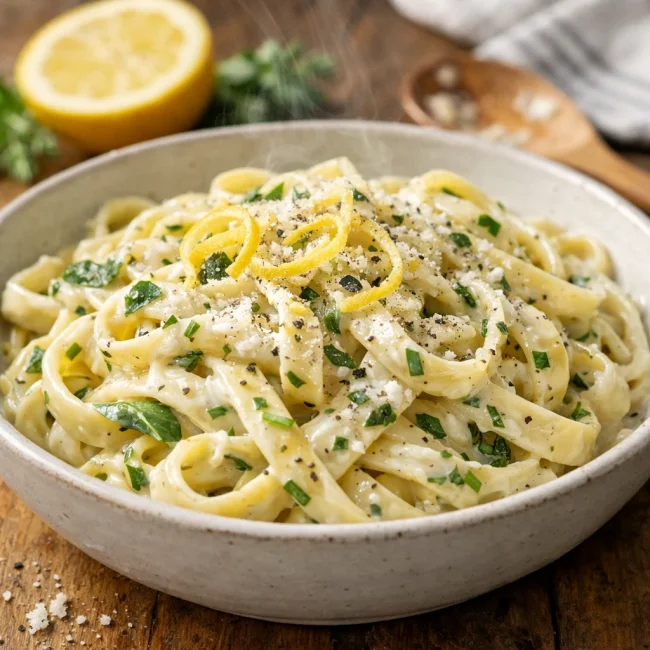
Lemon Herb Fettuccine Alfredo
Lemon Herb Fettuccine Alfredo is a refreshing twist on the classic dish, combining...
View Recipe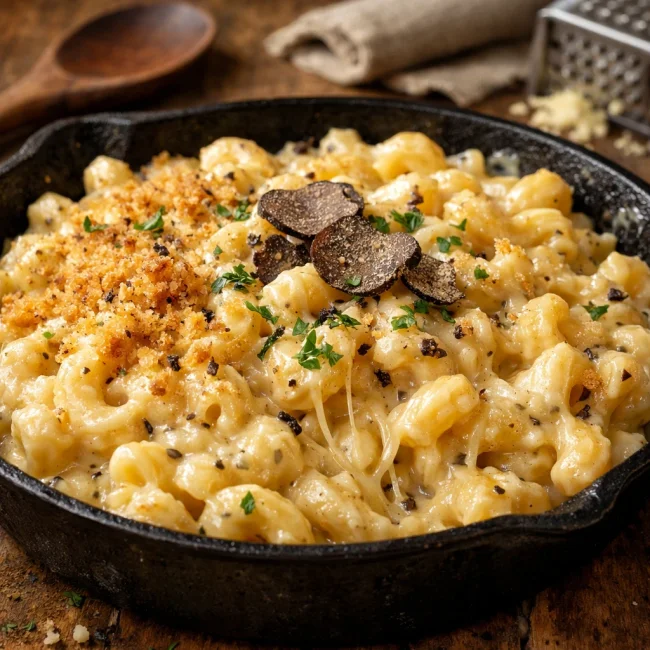
Truffle Mac and Cheese
Experience the ultimate comfort food with a gourmet twist in this Truffle Mac and ...
View Recipe