
Butternut Squash Puree
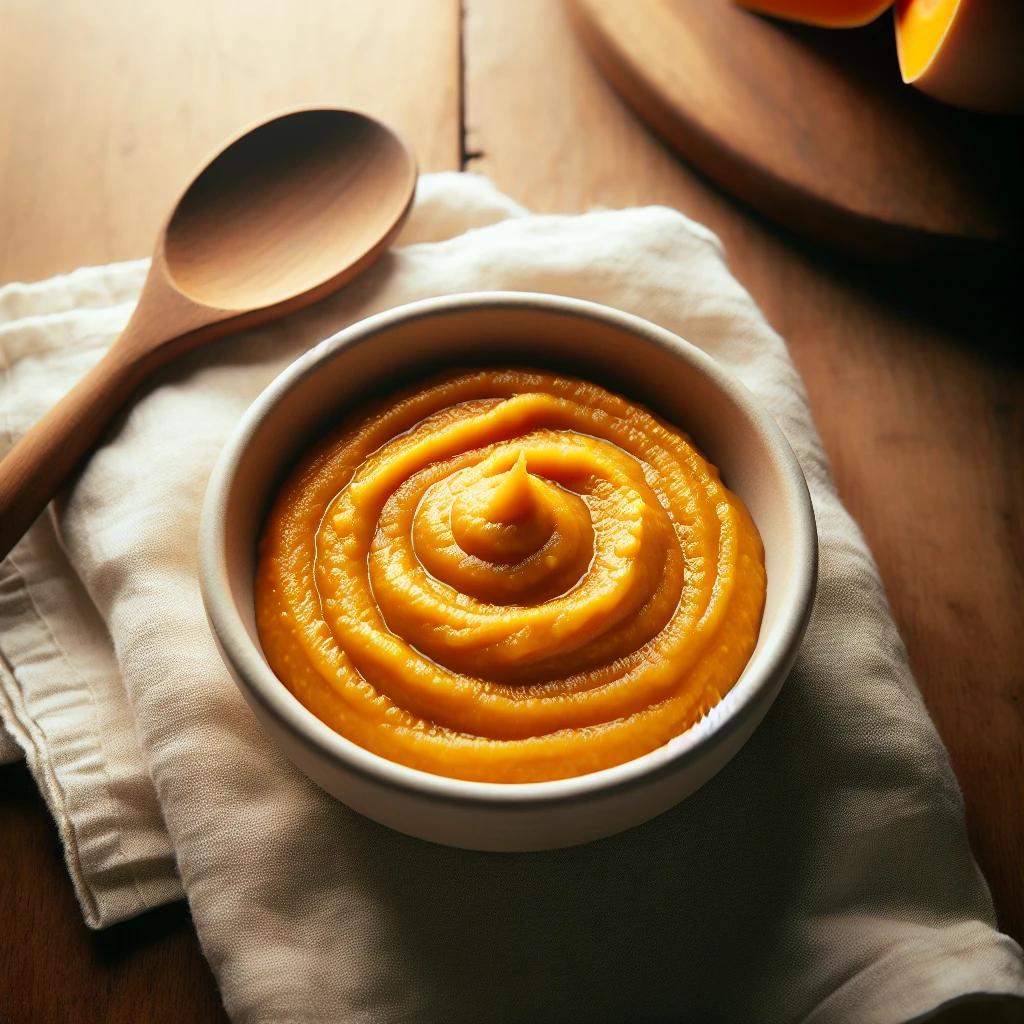
This Butternut Squash Puree is a simple, wholesome dish perfect for the fall season. It's a delightful way to introduce your little one to the flavors of autumn or add a nutritious side to your meals. Ready to whip up something cozy and comforting?
 Share
Share
This post may contain affiliate links. As an Amazon Associate, we earn from qualifying purchases.
Ingredients for Butternut Squash Puree
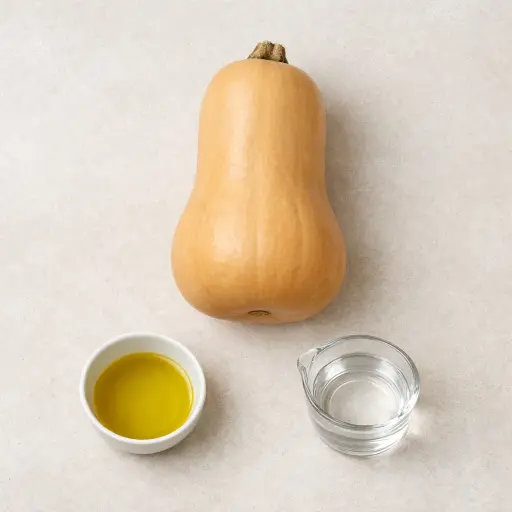
Butternut squash is the star here, bringing a naturally sweet and nutty flavor that's perfect for purees. It's full of vitamins A and C, making it not just tasty but also nutritious. A touch of olive oil helps with roasting, adding a subtle richness and aiding in the absorption of fat-soluble vitamins. Finally, a little water is used to achieve the right consistency when blending the squash into a smooth puree.
Why This Butternut Squash Puree Works
In the hot oven, the squash slowly softens all the way through. Sitting cut side down traps a bit of steam between the squash and the pan, so the inside cooks gently instead of drying out. The olive oil on the cut surface keeps the flesh from sticking and lets the edges brown a little, which makes the squash taste sweeter as it cooks. By the time a fork slides in easily, the tough raw texture is gone and the inside is very soft and mashable.
After roasting, the squash rests for a bit, which lets some steam escape so the puree doesn’t end up watery. Once the soft flesh goes into the blender with a small amount of water, the already-tender pieces break down quickly into a smooth puree. Adjusting the water at the end controls how thick or thin it is, so the final texture stays silky and easy for a baby to eat.
Butternut Squash Puree Tips & Tricks
- For extra flavor, add a pinch of cinnamon or nutmeg before blending.
- If you don't have a blender, a food processor or even a potato masher can work in a pinch.
- Freeze portions in an ice cube tray for easy, single-serving sizes.
- Avoid using too much water at first; you can always add more if needed.
Mistakes To Avoid
Pulling the squash from the oven too early leaves the flesh firm and stringy, so it doesn’t blend smoothly. The blender then has to work harder, and the puree ends up with little lumps and fibers instead of a soft, even texture for a baby.
Letting the squash roast way past tender can dry it out and darken the edges. Once blended, this over-roasted squash turns into a thicker, pastier puree that can taste slightly bitter and needs a lot more water to loosen, which can make the texture uneven.
Cutting the squash into uneven halves or leaving one side much thicker than the other causes one half to cook faster. The thinner side can start to dry and brown while the thicker side stays a bit hard, so the final puree swings between mushy and slightly chunky.
Blending the squash while it is still very hot traps steam in the blender. This can thin the puree too much at first and also creates a looser texture that thickens oddly as it cools, making it harder to judge the right consistency.
Equipment Used:
Ingredients
- 1 medium butternut squash (about 2 lbs)
- 1 tbsp olive oil
- 1/4 cup water
Step-by-step Instructions
- 1. Preheat your oven to 400°F.
- 2. Cut the butternut squash in half lengthwise and remove the seeds.
- 3. Brush the flesh with olive oil and place the halves face down on a baking sheet lined with parchment paper.
- 4. Roast in the oven for 45-50 minutes, or until the squash is tender when pierced with a fork.
- 5. Allow the squash to cool slightly, then scoop out the flesh into a blender.
- 6. Add 1/4 cup of water and blend until smooth. Adjust water amount for desired consistency.
- 7. Let the puree cool before serving to your baby.
Trending Now

Old-Fashioned Pancakes
Relish in the simplicity and comfort of homemade old-fashioned pancakes, perfect f...
View Recipe
Spiced Brown Sugar Pork Chops
A delightful twist on traditional pork chops, featuring a brown sugar glaze mixed ...
View Recipe
Moist Banana Loaf
Discover the timeless charm of our Moist Banana Loaf, a luscious and tender treat ...
View Recipe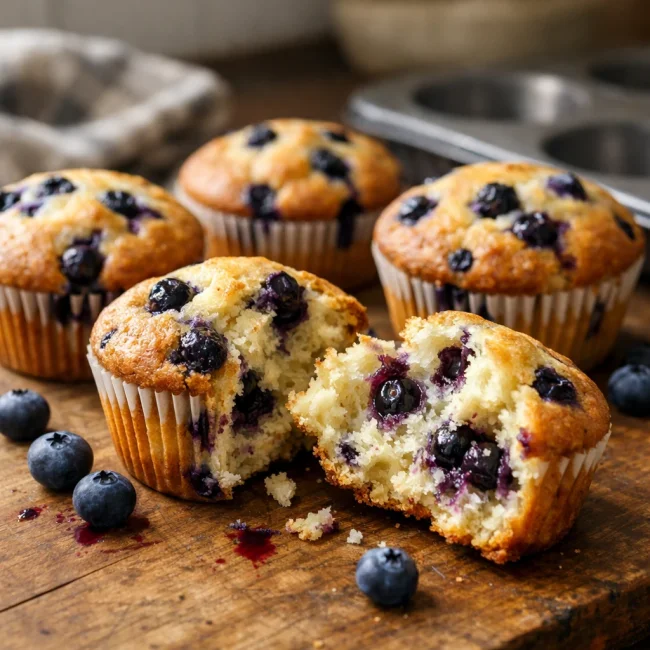
Classic Blueberry Muffins
Deliciously moist and fluffy, these classic blueberry muffins are bursting with fr...
View RecipeFrequently Asked Questions
- Can I use a different type of squash?
- Yes, acorn squash or pumpkin can be used, but flavors will vary slightly.
- How long can I store the puree?
- In the fridge, it lasts about 3 days. In the freezer, it can last up to 3 months.
- Is this recipe suitable for toddlers?
- Absolutely! It's a great way to add vegetables to their diet.
Serving Ideas for Butternut Squash Puree
This puree is not just for babies! Serve it as a side dish with roasted chicken or pork for a complete meal. You can also mix it with a bit of cream and serve as a soup starter. For a fun twist, add a dollop of puree to oatmeal or yogurt for breakfast.
More Vegetarian, Vegan, Gluten-Free, Dairy-Free, Nut-Free Recipes
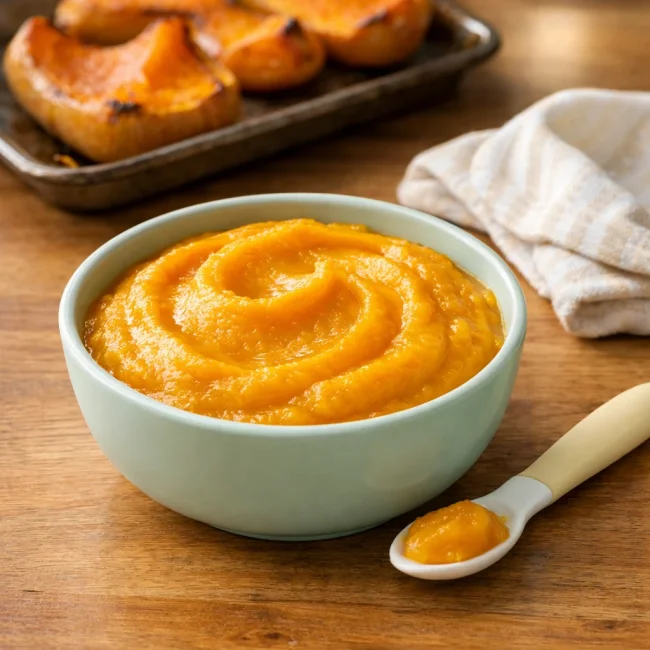
Butternut Squash Puree
Introduce your baby to the gentle sweetness of butternut squash with this easy-to-...
View Recipe
Golden Herb-Roasted Potatoes
Experience the perfect balance of crispy and tender with these golden herb-roasted...
View Recipe