
Wholesome Rye Sourdough Starter
If you've ever wanted to dive into the world of sourdough baking, a Wholesome Rye Sourdough Starter is the perfect place to begin. This starter is particularly special because it uses dark rye flour, which gives it a deep, robust flavor and a hearty texture. It's your ticket to making deliciously complex bread right from your own kitchen.
 Share
Share

This post may contain affiliate links. As an Amazon Associate, we earn from qualifying purchases.
Ingredients for Wholesome Rye Sourdough Starter
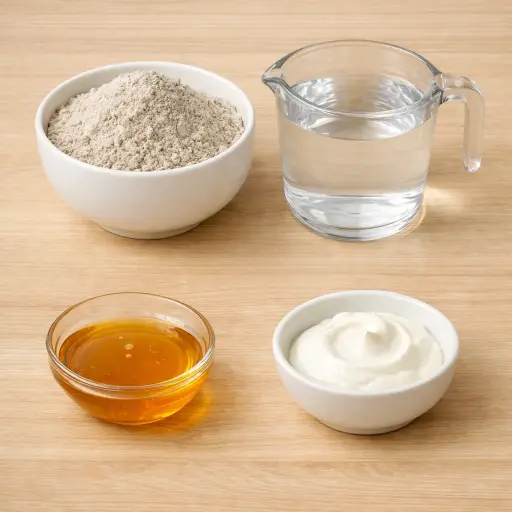
Dark Rye Flour is the star of this starter, offering a unique, rich flavor and a slightly denser texture compared to white flour. Lukewarm Filtered Water is crucial as it helps the natural yeast and bacteria in the flour to activate without inhibiting their growth. Organic Honey acts as a gentle catalyst, giving the natural yeasts a head start by providing a bit of sugar to feed on. Adding Plain Yogurt is optional, but it can introduce additional friendly bacteria, aiding fermentation and flavor development.
Why This Wholesome Rye Sourdough Starter Works
At the start, the rye flour, water, and honey just look like a brown paste, but they give wild yeast and bacteria something easy to eat. The honey and natural sugars in the rye wake them up, and the lukewarm water keeps them in a comfortable range so they can start growing. As they feed, they give off gas, which shows up as bubbles and a bit of rise in the bowl.
Over the next days, each time half is thrown away and fresh rye flour and water are stirred in, the stronger yeast and bacteria stay and the weaker ones fade out. With every feeding, more gas builds up faster, and the starter starts to puff and look spongy. The rye flour holds water well, so the starter stays thick enough to trap those bubbles instead of letting them escape. By the time it can double in size after a feeding, the mix has a steady group of yeast and bacteria that can lift bread dough the same way.
Wholesome Rye Sourdough Starter Tips & Tricks
- Use filtered water to avoid chlorine, which can inhibit fermentation.
- Be patient — environmental factors like temperature can affect the time it takes to develop a strong starter.
- If your starter isn't active after 7 days, try adding a bit more honey or yogurt to jumpstart the process.
Mistakes To Avoid
Keeping the starter too cold slows everything down, so the mixture just sits there looking thick and pasty instead of getting airy and bubbly. In a chilly kitchen, the wild yeast barely wakes up, and the starter never learns to rise well. Later, bread made from it tends to stay dense and heavy instead of lifting in the oven.
Using hot water instead of lukewarm can quietly kill off a lot of the natural yeast at the start. The mix may smell odd, separate, or grow only weak bubbles that never really increase. This leads to a sluggish starter that can’t double in size, no matter how often it gets fed.
Skipping the discard and just adding more flour and water each day makes the bowl fill up, but the yeast stays weak and diluted. The mix turns into a thick, gluey paste that barely moves instead of a lively, stretchy batter. Bread from this kind of starter usually spreads out flat and bakes up gummy in the center.
Covering the bowl too tightly with a lid or plastic wrap can trap moisture and limit fresh air. The surface may turn grayish, smell stale, or grow odd patches instead of a clean sour smell and fine bubbles. A starter kept like this often becomes sluggish and can stop rising well after feedings.
Equipment Used:
Large glass bowl, Cloth cover, Wooden spoon, Glass jar with lid
Ingredients
- 2 cups dark rye flour
- 2 cups lukewarm filtered water
- 1 tablespoon organic honey
- 1 tablespoon plain yogurt (optional, for added fermentation)
Step-by-step Instructions
- Step 1: In a large glass or ceramic bowl, mix 1 cup of rye flour with 1 cup of lukewarm water and the honey until smooth.
- Step 2: Cover loosely with a cloth and let sit at room temperature for 24 hours.
- Step 3: After 24 hours, discard half of the mixture. Stir in another 1 cup of rye flour and 1 cup of lukewarm water.
- Step 4: Repeat the feeding process (discarding half and adding fresh flour and water) every 24 hours for 5-7 days, or until the starter is bubbly and doubles in size within 4-6 hours after feeding.
Trending Now
Old-Fashioned Bread Pudding
Discover the classic charm of Old-Fashioned Bread Pudding - a timeless dessert com...
View Recipe
Traditional Crisp Coleslaw
A classic coleslaw recipe featuring finely shredded cabbage and carrots tossed in ...
View Recipe
Traditional Italian Bruschetta
Experience the authentic taste of Italian bruschetta, a perfect blend of fresh tom...
View Recipe
Classic Banana Bread
Classic Banana Bread is a timeless dessert beloved for its moist texture and sweet...
View RecipeFrequently Asked Questions
- What if my starter doesn't bubble?
- Give it a few more days, and ensure you're using warm water and a warm spot in your kitchen. A little extra honey or yogurt can also help.
- Can I use this starter with white flour recipes?
- Absolutely! This rye starter can be your base for any sourdough bread, just keep in mind the flavor will be more pronounced.
Serving Ideas for Wholesome Rye Sourdough Starter
Once your sourdough starter is ready, it's time to bake! Your rye sourdough bread pairs beautifully with a creamy, ripe brie and a spoonful of tart cranberry chutney. Alternatively, try it as the base for an open-faced sandwich with smoked salmon, cream cheese, and capers.
More Breads & Baked Goods Recipes

Traditional Italian Easter Bread
Savor the delightful taste of a classic Italian Easter bread, a sweet, soft, and s...
View Recipe
Old-Fashioned Pineapple Bread
A delightful and flavorful bread infused with juicy pineapple, perfect for breakfa...
View Recipe
Old-Fashioned Blueberry Muffins
Transport yourself to simpler times with these delightful old-fashioned blueberry ...
View Recipe
Strawberry Basil Scones
These tender scones combine the sweetness of fresh strawberries with a hint of pep...
View Recipe