
Ube Pandesal
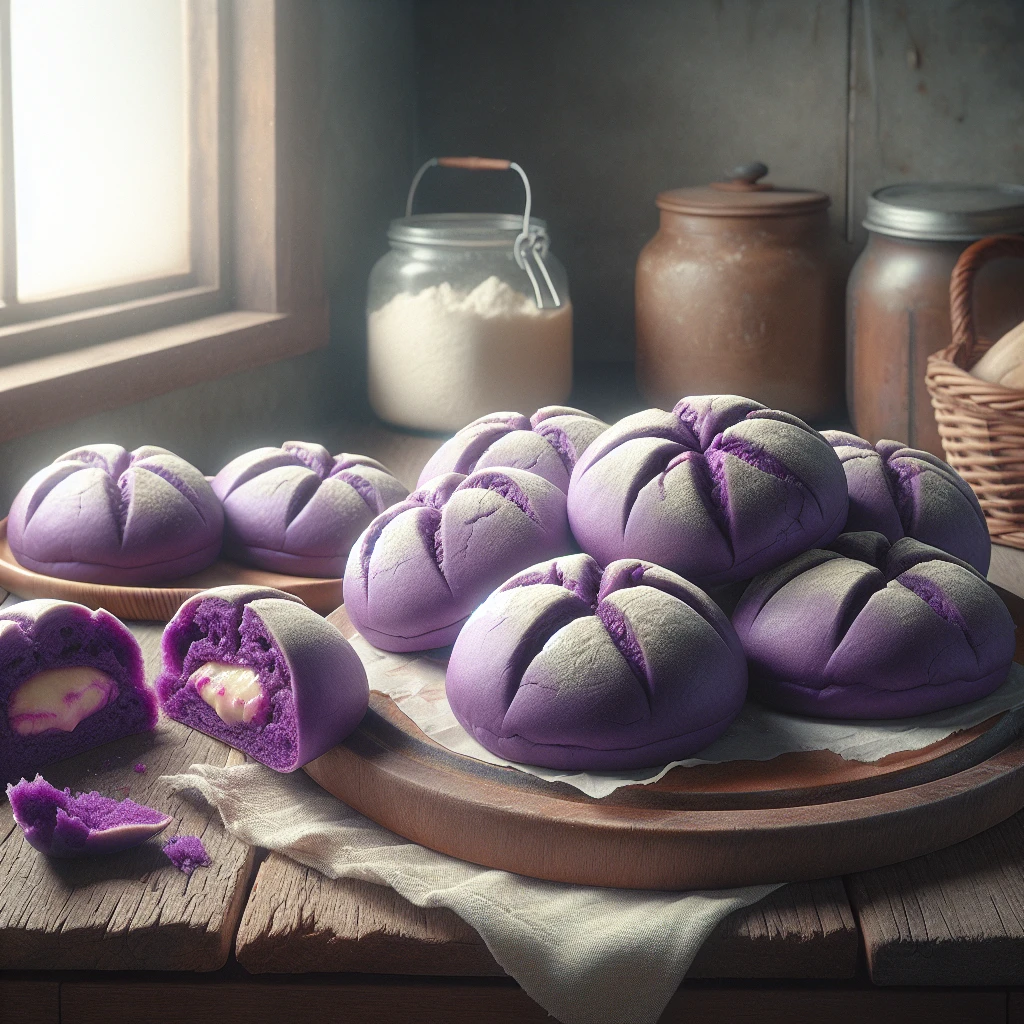
Ube Pandesal is a delightful twist on the classic Filipino breakfast roll. With its soft, fluffy texture and the sweet surprise of ube halaya at its center, this treat is perfect for those who crave something a little different. Let’s dive into making this vibrant and tasty bread!
 Share
Share
This post may contain affiliate links. As an Amazon Associate, we earn from qualifying purchases.
Ingredients for Ube Pandesal
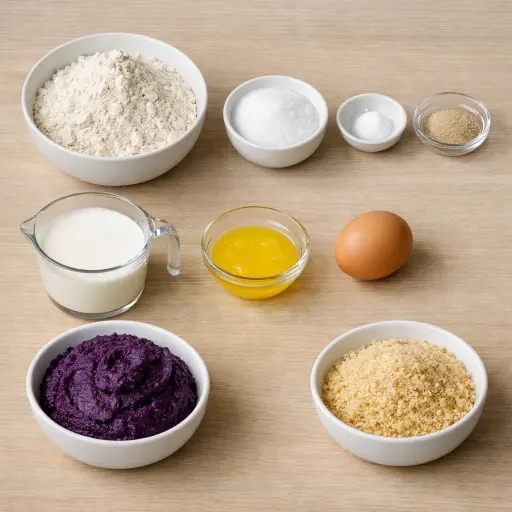
All-purpose flour is the backbone of our pandesal, providing structure and a tender crumb. Sugar adds a touch of sweetness, while salt balances flavors. The leavening action comes from active dry yeast, which needs warm milk to dissolve and activate. Butter enriches the dough, making it soft and flavorful, while a large egg adds richness and helps bind everything together. The star ingredient, ube halaya, is a sweet purple yam jam that brings unique flavor and color to the rolls. Finally, breadcrumbs provide a delightful crunchy exterior.
Why This Ube Pandesal Works
During mixing, the warm milk wakes up the yeast and gives it something to eat, so it starts to bubble and grow. As the yeast grows inside the dough, it fills the flour and sugar mixture with tiny air pockets. While the dough is kneaded, the flour and liquid stick together and form stretchy strands. That stretchy dough can trap the air from the yeast, so the pandesal rises instead of staying dense.
As the dough rests, those air pockets slowly spread through each piece, so the bread bakes up soft and fluffy. The egg and melted butter coat the flour and keep the bread from drying out, so it stays tender even after baking. Ube halaya in the center adds moisture too, so the inside stays soft and a little creamy.
In the oven, the outside of each ball firms up first. Breadcrumbs on the surface dry out and toast, so the crust feels slightly crisp while the inside stays pillowy. By the time they are lightly golden, the structure has set, but the bread is still soft and light.
Ube Pandesal Tips & Tricks
- Ensure your milk is not too hot when activating the yeast, as this could kill it. Aim for a warm, comfortable temperature.
- Knead the dough until it’s smooth and elastic; this will give you the perfect texture.
- If you find it challenging to divide the dough equally, use a kitchen scale for precision.
Mistakes To Avoid
Letting the milk get too hot before adding the yeast can kill the yeast. Once that happens, the dough barely rises, stays dense, and the pandesal comes out heavy and tight instead of soft and fluffy.
Adding all the flour at once and not adjusting for how wet the dough feels often leads to a stiff dough. When the dough is too dry, it doesn’t stretch well during kneading or rising, so the bread bakes up tough with a tight crumb instead of a soft, airy inside.
Rushing the first rise or shaping the dough before it has doubled keeps the yeast from building enough gas. The dough balls then puff only a little in the oven, giving small, squat rolls with a chewy, compact center instead of a light, pillowy texture.
Overbaking the pandesal until they are fully browned instead of just lightly golden dries them out. The outside turns hard and the inside loses its soft, slightly moist crumb, so the rolls feel more like dry buns than tender breakfast bread.
Equipment Used:
Ingredients
- 3 cups all-purpose flour
- 1/4 cup sugar
- 1/2 tsp salt
- 2 1/4 tsp active dry yeast
- 1 cup warm milk
- 2 tbsp unsalted butter, melted
- 1 large egg
- 1 cup ube halaya (purple yam jam)
- 1/2 cup breadcrumbs
Step-by-step Instructions
- 1. In a large bowl, combine flour, sugar, and salt.
- 2. In a small bowl, dissolve yeast in warm milk and let it sit for 5-10 minutes until frothy.
- 3. Add the melted butter and egg to the yeast mixture, then gradually add to the dry ingredients, mixing until a dough forms.
- 4. Knead the dough on a floured surface for about 8 minutes until smooth and elastic.
- 5. Place the dough in a greased bowl, cover, and let rise for 1 hour or until doubled in size.
- 6. Punch down the dough and divide into 12 equal portions.
- 7. Flatten each portion, place a tablespoon of ube halaya in the center, and seal to form a ball.
- 8. Roll each ball gently in breadcrumbs and place on a baking tray lined with parchment paper.
- 9. Cover and let rise again for 30 minutes.
- 10. Preheat oven to 350°F (175°C).
- 11. Bake the pandesal for 18-20 minutes or until lightly golden.
- 12. Remove from oven and cool slightly before serving.
Trending Now
Classic Banana Bread
Classic Banana Bread is a timeless dessert beloved for its moist texture and sweet...
View Recipe
Classic Cucumber Salad
A refreshing and light cucumber salad featuring crisp cucumbers and a tangy vinaig...
View Recipe
Zesty Summer Squash Casserole
This delightful summer squash casserole combines vibrant garden-fresh vegetables w...
View Recipe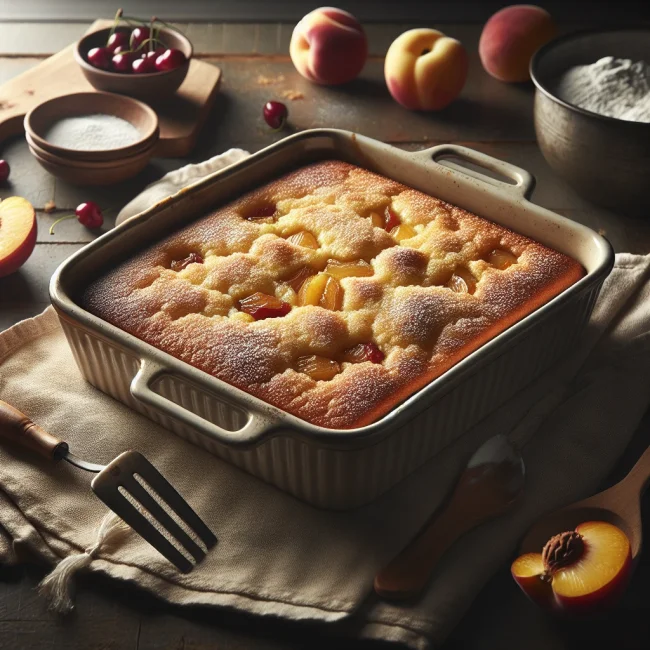
Traditional Dump Cake
Discover the timeless delight of the Traditional Dump Cake, a simple and scrumptio...
View RecipeFrequently Asked Questions
- Can I use instant yeast instead of active dry yeast?
- Yes, you can. Just skip the step of dissolving it in milk and add it directly to the dry ingredients.
- What if I don't have ube halaya?
- You can make your own from scratch or substitute with another jam, though the flavor will differ.
Serving Ideas for Ube Pandesal
Ube Pandesal is delicious on its own but pairs wonderfully with a spread of butter or cream cheese. For a more indulgent treat, try it with a scoop of vanilla ice cream. Serve warm for the best experience.
More Breads & Baked Goods Recipes
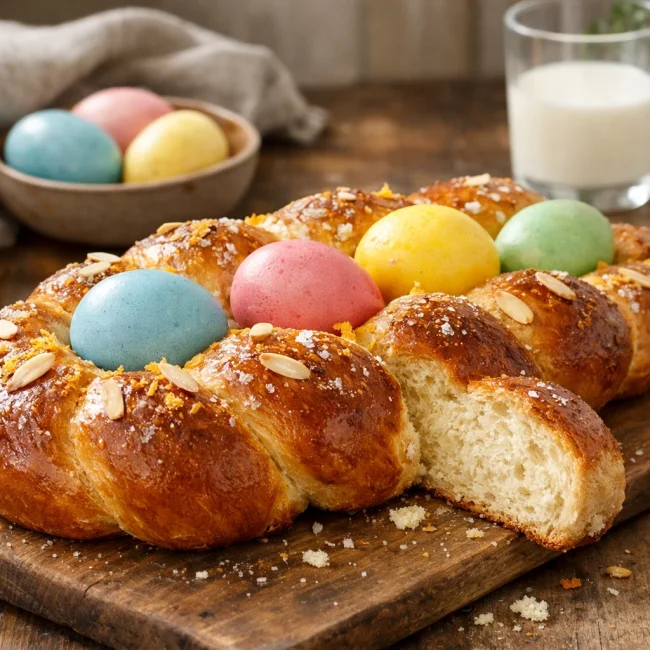
Traditional Italian Easter Bread
Savor the delightful taste of a classic Italian Easter bread, a sweet, soft, and s...
View Recipe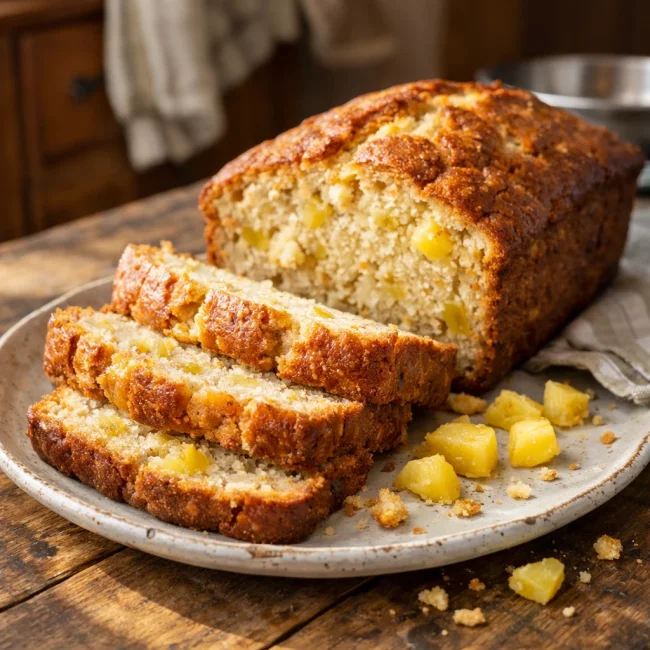
Old-Fashioned Pineapple Bread
A delightful and flavorful bread infused with juicy pineapple, perfect for breakfa...
View Recipe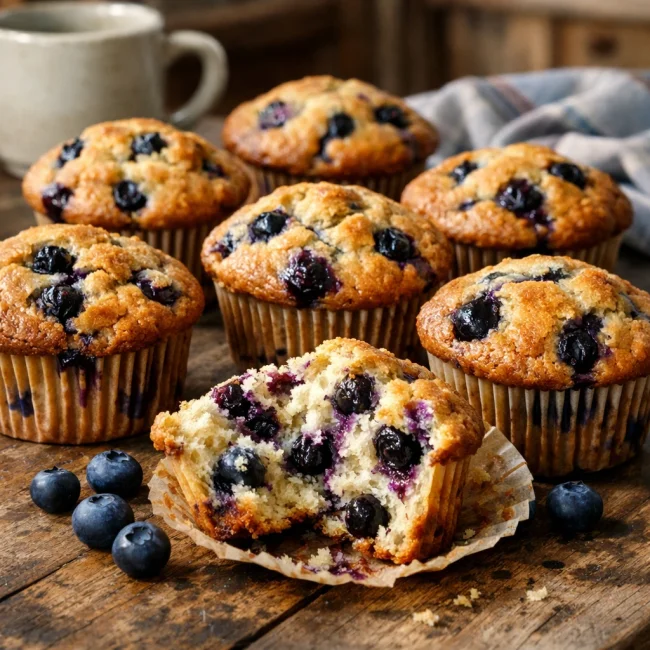
Old-Fashioned Blueberry Muffins
Transport yourself to simpler times with these delightful old-fashioned blueberry ...
View Recipe
Strawberry Basil Scones
These tender scones combine the sweetness of fresh strawberries with a hint of pep...
View Recipe