
Twisted Herb Irish Soda Bread
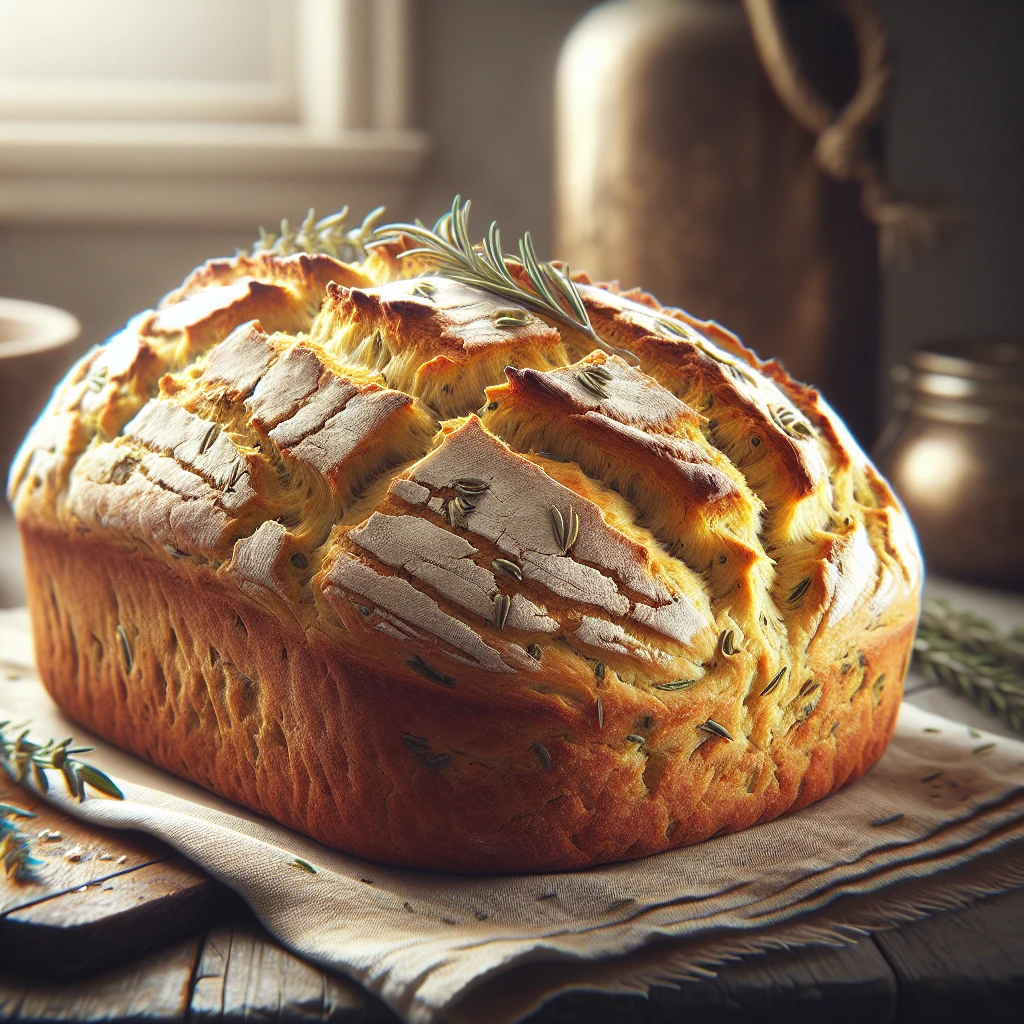
This Twisted Herb Irish Soda Bread brings a flavorful twist to the classic recipe by infusing it with fragrant herbs. It's a quick bread that’s perfect for those who crave homemade goodness but are short on time. With its rustic charm and easy steps, you’ll have a delicious loaf on your table in no time.
 Share
Share
This post may contain affiliate links. As an Amazon Associate, we earn from qualifying purchases.
Ingredients for Twisted Herb Irish Soda Bread
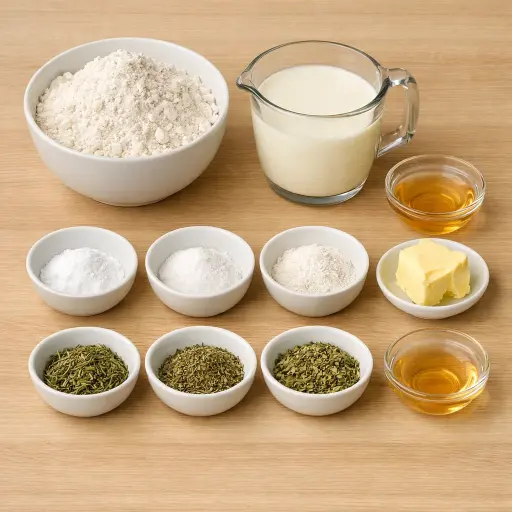
All-purpose flour forms the base of the bread, providing structure and texture. Baking soda is the leavening agent that helps the bread rise without yeast. A pinch of salt balances the flavors. The dried herbs — rosemary, thyme, and oregano — infuse the bread with aromatic notes, making each bite a little more interesting. Unsalted butter adds richness and a tender crumb. Buttermilk not only contributes to the bread’s moistness but also reacts with the baking soda for that crucial rise. Finally, a dash of apple cider vinegar sharpens the flavor and further activates the baking soda.
Why This Twisted Herb Irish Soda Bread Works
In the bowl, the flour, baking soda, and salt set up the structure for the bread. Once the buttermilk and vinegar go in, the acid hits the baking soda and the dough starts to puff a little even before it bakes. During baking, that gas keeps expanding and pushes tiny air pockets through the dough, so the loaf bakes up tall instead of dense. The quick reaction is why soda bread can go straight into the oven without any yeast or rising time.
As it heats up, the butter melts into the flour and coats it. That light coating keeps the bread from drying out too much and gives the crumb a softer bite instead of a hard, tough one. The deep cross on top lets steam escape and gives the loaf room to spread, so it cooks more evenly all the way to the center. While the bread bakes, the dried herbs warm and spread through the dough, so every slice has little bits of rosemary, thyme, and oregano running through it.
Twisted Herb Irish Soda Bread Tips & Tricks
- If you don’t have buttermilk, make a substitute by mixing 1 3/4 cups milk with 1 tablespoon lemon juice or white vinegar.
- For a more pronounced herb flavor, increase the herbs by a quarter teaspoon each.
- Use a serrated knife to slice the bread for cleaner cuts.
Mistakes To Avoid
Letting the dough get overmixed after the liquid goes in can turn this bread heavy and tough. Once the buttermilk and vinegar hit the flour, the baking soda starts working right away; long kneading knocks out that gas and tightens the dough. The loaf then bakes up dense with a hard chew instead of a soft, crumbly center.
Pouring in extra buttermilk to fix a shaggy dough often backfires. This dough is meant to look a bit rough; too much liquid makes it sticky and spreads it out on the tray. In the oven it can flatten, bake unevenly, and end up gummy in the middle.
Cutting a shallow cross on top instead of a deep one keeps the center from baking properly. The cut helps the heat reach the middle; when it’s too light, the outside browns fast while the inside stays doughy and pasty.
Letting the bread sit on the hot baking sheet after it comes out of the oven traps steam. The bottom then turns damp and rubbery instead of firming up, and the crust softens instead of staying pleasantly crisp.
Equipment Used:
Ingredients
- 4 cups all-purpose flour
- 1 teaspoon baking soda
- 1 teaspoon salt
- 1/2 teaspoon dried rosemary
- 1/2 teaspoon dried thyme
- 1/2 teaspoon dried oregano
- 2 tablespoons unsalted butter, softened
- 1 3/4 cups buttermilk
- 1 tablespoon apple cider vinegar
Step-by-step Instructions
- 1. Preheat oven to 425°F (220°C) and line a baking sheet with parchment paper.
- 2. In a large bowl, whisk together the flour, baking soda, salt, rosemary, thyme, and oregano.
- 3. Cut in the butter until the mixture resembles coarse crumbs.
- 4. Stir in the buttermilk and apple cider vinegar until the dough just comes together.
- 5. Turn the dough out onto a lightly floured surface and knead gently to form a round loaf.
- 6. Place the loaf on the prepared baking sheet and cut a deep cross into the top with a sharp knife.
- 7. Bake for 30-35 minutes, or until the bread sounds hollow when tapped on the bottom.
- 8. Allow to cool on a wire rack before slicing and serving.
Trending Now

Classic Cucumber Salad
A refreshing and light cucumber salad featuring crisp cucumbers and a tangy vinaig...
View Recipe
Zesty Summer Squash Casserole
This delightful summer squash casserole combines vibrant garden-fresh vegetables w...
View Recipe
Classic Banana Bread
Classic Banana Bread is a timeless dessert beloved for its moist texture and sweet...
View Recipe
Traditional Dump Cake
Discover the timeless delight of the Traditional Dump Cake, a simple and scrumptio...
View RecipeFrequently Asked Questions
- Can I use fresh herbs instead of dried?
- Yes, but you'll need to triple the amount since fresh herbs are less concentrated.
- How should I store leftover soda bread?
- Wrap it tightly in plastic wrap or store it in an airtight container for up to 3 days at room temperature.
Serving Ideas for Twisted Herb Irish Soda Bread
This herb-infused bread pairs beautifully with hearty soups and stews. Try it with a hot bowl of creamy potato soup or a rich beef stew. It's also delightful toasted with a smear of butter or garlic-infused olive oil.
More Breads & Baked Goods Recipes

Traditional Italian Easter Bread
Savor the delightful taste of a classic Italian Easter bread, a sweet, soft, and s...
View Recipe
Old-Fashioned Pineapple Bread
A delightful and flavorful bread infused with juicy pineapple, perfect for breakfa...
View Recipe
Old-Fashioned Blueberry Muffins
Transport yourself to simpler times with these delightful old-fashioned blueberry ...
View Recipe
Strawberry Basil Scones
These tender scones combine the sweetness of fresh strawberries with a hint of pep...
View Recipe