
Tropical Fruit Pavlova
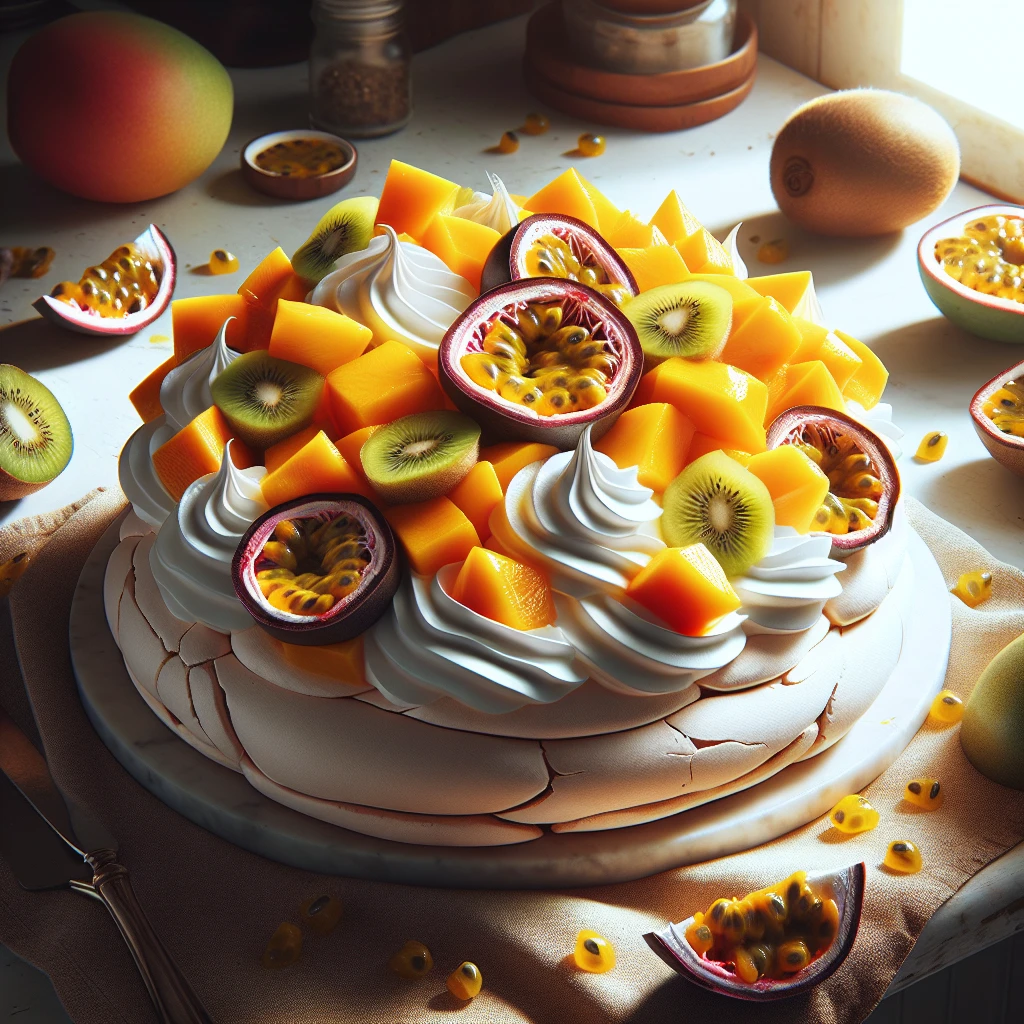
Welcome to a taste of the tropics with this delightful Tropical Fruit Pavlova! This light and airy dessert brings together the sweet tang of exotic fruits on a cloud of meringue, perfect for brightening up any occasion.
 Share
Share
This post may contain affiliate links. As an Amazon Associate, we earn from qualifying purchases.
Ingredients for Tropical Fruit Pavlova
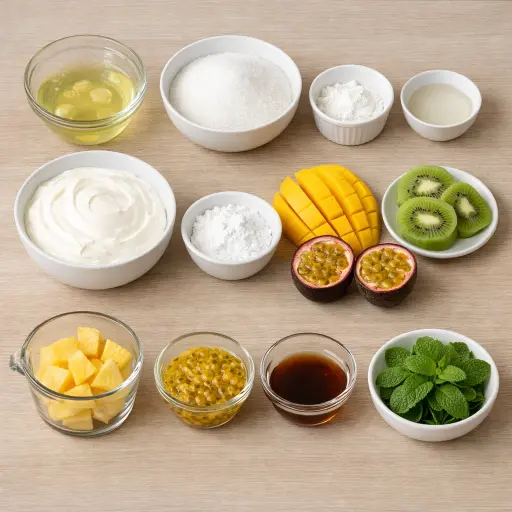
The star of this recipe is the egg whites, which create a delicate meringue base that's crisp on the outside and soft inside. Granulated sugar sweetens the meringue and helps it achieve that glossy finish. Cornstarch stabilizes the meringue and gives it a nice texture, while white vinegar adds acidity to help the egg whites whip up perfectly. Vanilla extract brings a hint of warmth and flavor to the meringue. Heavy whipping cream forms a rich, luscious topping, sweetened just right with powdered sugar. The tropical blend of mango, passion fruit, kiwi, and pineapple offers a vibrant, juicy explosion of flavors. Finally, fresh mint leaves provide a refreshing, aromatic garnish.
Why This Tropical Fruit Pavlova Works
In the oven, the egg whites and sugar change from a shiny foam into a firm shell. As the air inside the whipped egg whites warms up, it expands and sets, so the pavlova keeps its shape instead of collapsing. Sugar melts and then hardens again as it cools, which gives the outside that crisp, crackly crust. Cornstarch and vinegar keep the egg whites from drying out too much, so the inside stays soft and marshmallow-like instead of turning chewy all the way through.
After baking, the pavlova cools slowly in the turned-off oven. During this time, the structure settles and dries gently, which keeps big cracks from forming. Softly whipped cream sits in the little dip in the center and soaks slightly into the tender middle, so each bite has crisp edges and a creamy center. Juicy mango, passion fruit, kiwi, and pineapple sit on top rather than sinking in, and their juices mix with the cream instead of making the meringue soggy.
Tropical Fruit Pavlova Tips & Tricks
- Ensure your mixing bowl and beaters are completely clean and dry to help the egg whites whip up properly.
- For extra stability, use a metal or glass bowl instead of plastic, which can hold onto oils.
- If you don't have parchment paper, lightly grease the baking sheet and dust with cornstarch.
- Letting the meringue cool in the oven with the door closed prevents it from cracking.
Mistakes To Avoid
Letting even a tiny bit of grease or egg yolk get into the whites stops them from whipping properly, so the meringue stays foamy and loose instead of forming stiff peaks. In the oven this kind of mixture spreads out and bakes flat, and the pavlova ends up thin and chewy instead of tall and crisp on the outside with a soft center.
Baking at a higher temperature or pulling the meringue out of the oven while it is still hot often makes it crack badly or collapse. The outside sets too fast while the inside is still soft, and when the cooler air hits it, the shell caves in or breaks into big pieces instead of holding a neat well for the cream and fruit.
Adding the sugar too quickly or not dissolving it fully leaves the meringue grainy and weepy. During baking, undissolved sugar melts and leaks out as sticky syrup, so the base sticks to the parchment and the inside turns dense and gummy instead of marshmallow-like.
Skipping the full cooling time in the turned-off oven means the hot meringue meets cooler room air too fast. This sudden change makes the shell crack deeply or pull away from the center, so the pavlova can’t hold the toppings well and breaks when moved.
Piling on very wet fruit or lots of passion fruit pulp long before serving makes the pavlova soggy. The juices soak through the whipped cream and into the meringue, so the crisp shell softens, the base starts to collapse, and slices come out messy instead of in clean wedges.
Equipment Used:
Ingredients
- 4 large egg whites
- 1 cup granulated sugar
- 1 teaspoon cornstarch
- 1 teaspoon white vinegar
- 1 teaspoon vanilla extract
- 1 1/4 cups heavy whipping cream
- 2 tablespoons powdered sugar
- 1 ripe mango, peeled and sliced
- 2 passion fruits, pulp scooped
- 2 kiwis, peeled and sliced
- 1/2 cup sliced pineapple
- Fresh mint leaves for garnish
Step-by-step Instructions
- 1. Preheat your oven to 250°F (120°C). Line a baking sheet with parchment paper.
- 2. In a clean, dry bowl, whisk the egg whites until soft peaks form. Gradually add the granulated sugar, one tablespoon at a time, and continue whisking until the mixture is glossy and stiff peaks form.
- 3. Gently fold in the cornstarch, white vinegar, and vanilla extract.
- 4. Spoon the meringue onto the prepared baking sheet, shaping it into a circle about 8 inches in diameter, with a slight depression in the center to hold the cream and fruit.
- 5. Bake the meringue in the preheated oven for 1 hour and 15 minutes. Turn off the oven and allow the meringue to cool completely inside the oven.
- 6. Whip the heavy cream with the powdered sugar until soft peaks form.
- 7. To assemble, spread the whipped cream over the cooled meringue. Top with slices of mango, passion fruit pulp, kiwi, and pineapple.
- 8. Garnish with fresh mint leaves. Serve immediately.
Trending Now
Old-Fashioned Bread Pudding
Discover the classic charm of Old-Fashioned Bread Pudding - a timeless dessert com...
View Recipe
Traditional Italian Bruschetta
Experience the authentic taste of Italian bruschetta, a perfect blend of fresh tom...
View Recipe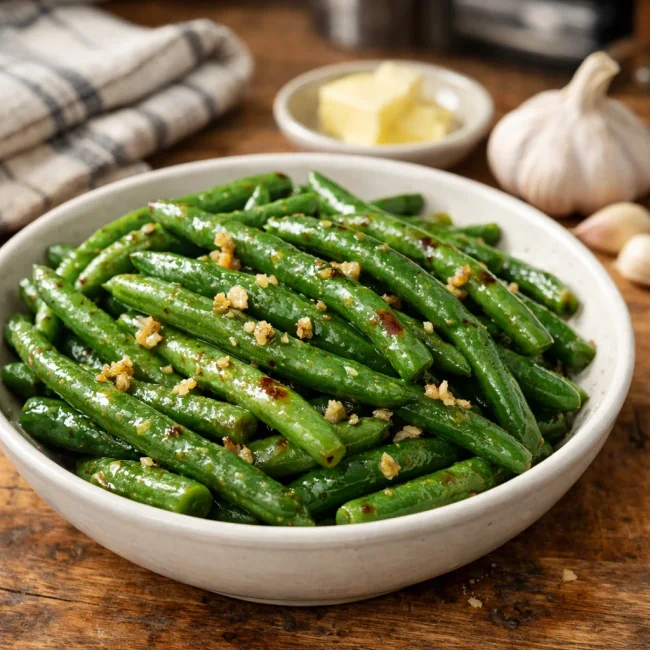
Classic Green Beans
Discover the timeless delight of Classic Green Beans, a simple yet flavorful side ...
View Recipe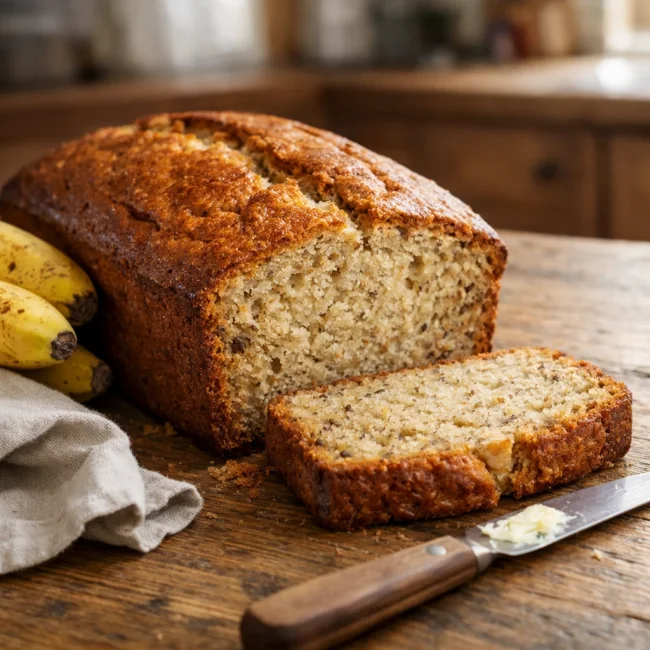
Classic Banana Bread
Classic Banana Bread is a timeless dessert beloved for its moist texture and sweet...
View RecipeFrequently Asked Questions
- Can I prepare the meringue in advance?
- Yes, you can bake the meringue the day before and store it in an airtight container once completely cooled.
- What if I can't find fresh passion fruit?
- You can use canned passion fruit pulp or substitute with another tropical fruit like papaya.
- Can I use frozen fruit?
- Fresh fruit is best for this recipe, but if using frozen, make sure to thaw and drain them well.
Serving Ideas for Tropical Fruit Pavlova
This pavlova is perfect on its own, but if you really want to elevate the experience, pair it with a chilled glass of sparkling wine or a light, fruity cocktail. For a tropical brunch, serve it alongside grilled seafood or a fresh summer salad.
More Desserts Recipes
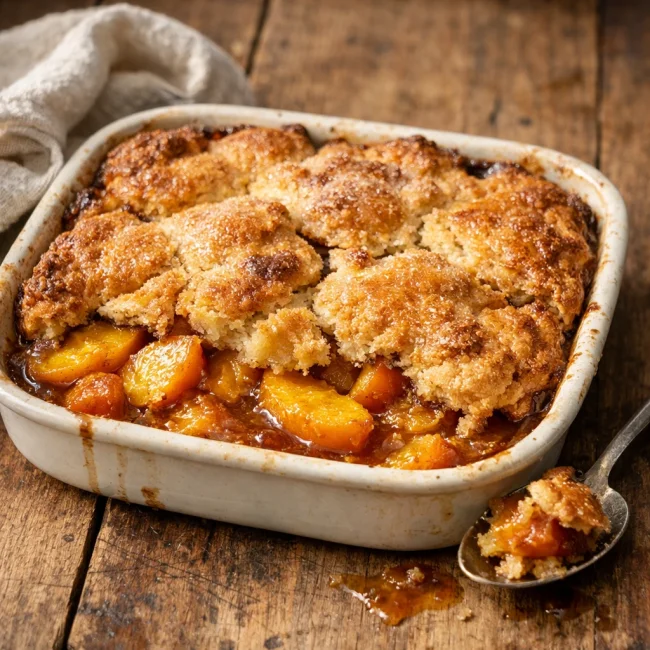
Rustic Vanilla Peach Cobbler
This rustic vanilla peach cobbler combines a rich, buttery crust with the sweet, v...
View Recipe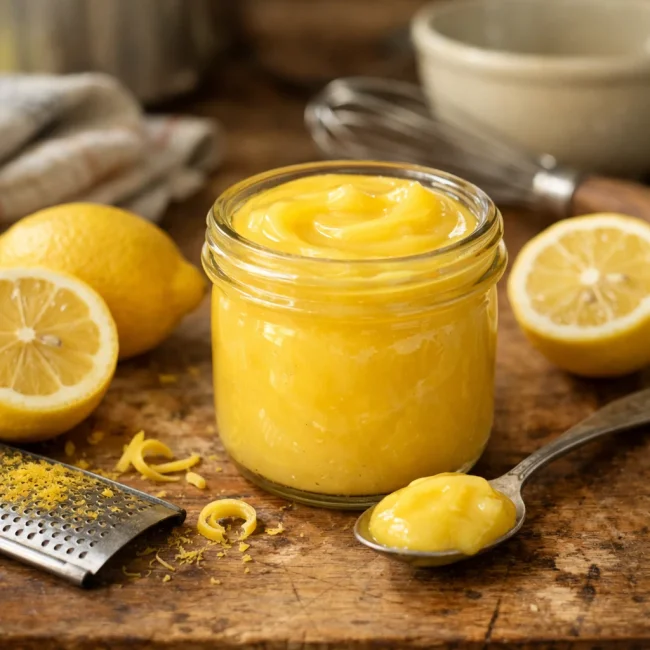
Traditional Lemon Curd
A classic, tangy lemon curd that is perfect for enhancing desserts, breakfast dish...
View Recipe
Traditional Cream Cheese Pie
A delightful and timeless dessert, Traditional Cream Cheese Pie offers a rich and ...
View Recipe
Timeless Cream Puff Delight
Indulge in a delectable Timeless Cream Puff Delight, a classic dessert featuring a...
View Recipe