
Tropical Coconut Rum Pineapple Upside-Down Cake
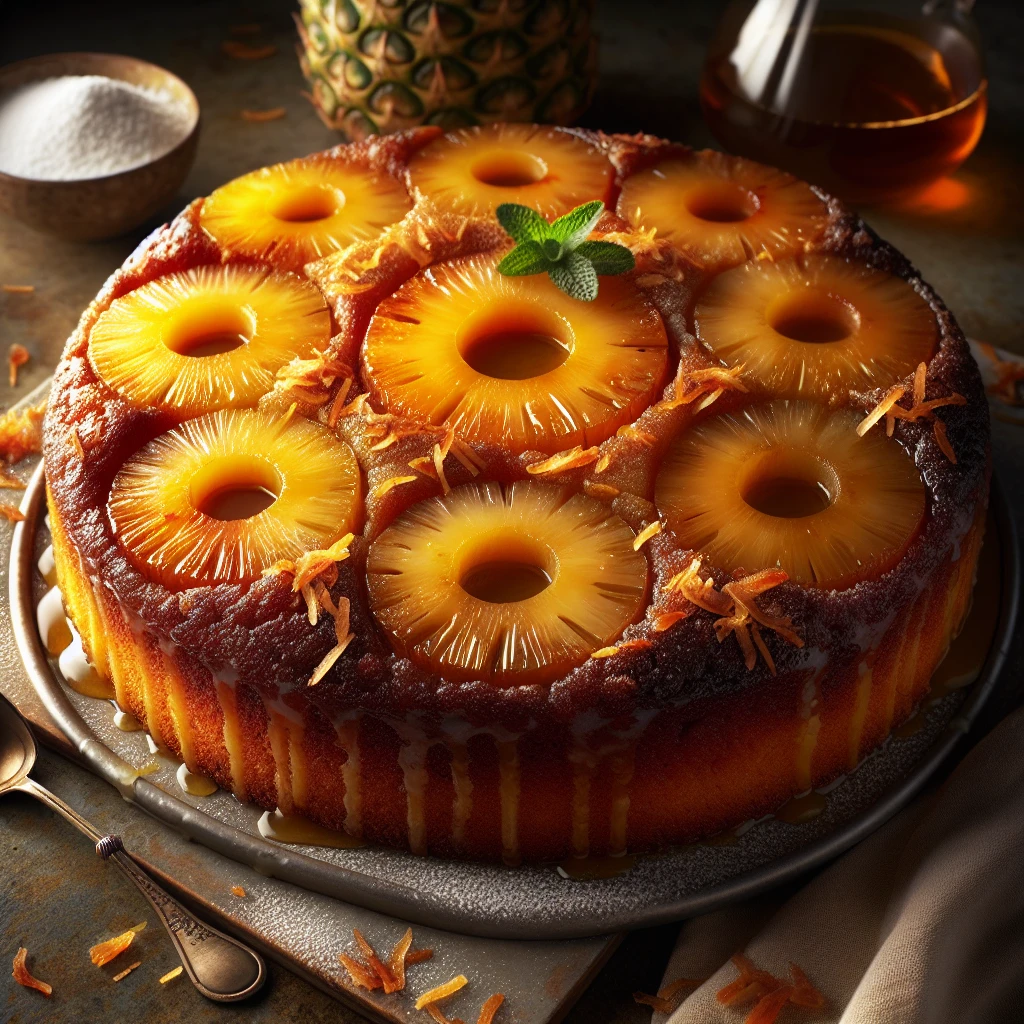
Experience a taste of the tropics with this scrumptious Tropical Coconut Rum Pineapple Upside-Down Cake. It's a delightful twist on the classic dessert, featuring rich coconut cream and a hint of dark rum for an exotic flair.
 Share
Share
This post may contain affiliate links. As an Amazon Associate, we earn from qualifying purchases.
Ingredients for Tropical Coconut Rum Pineapple Upside-Down Cake
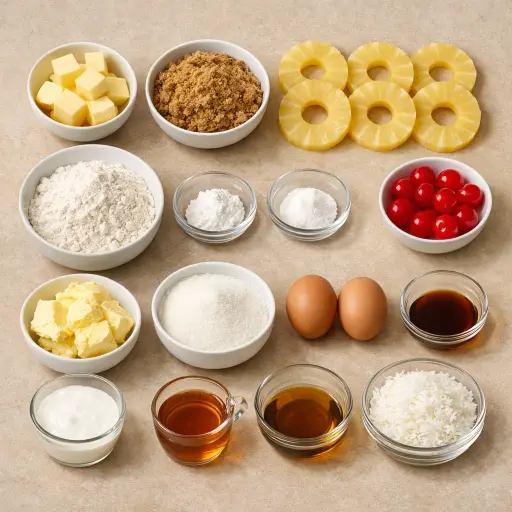
Unsalted butter is used in both the topping and the cake batter, providing richness and moisture. Brown sugar caramelizes beautifully with the butter, creating a sweet, sticky base that complements the fruit. Pineapple rings are the stars of the show, giving that classic upside-down cake look and a burst of flavor. A maraschino cherry adds a pop of color and a hint of tartness in each slice. The flour forms the foundation of the cake, while baking powder and baking soda ensure a good rise. A pinch of salt enhances all the flavors. The softened butter and granulated sugar are creamed together to make a light and fluffy cake. Eggs add structure and richness. Vanilla extract rounds out the flavors. The secret tropical twist comes from coconut cream and dark rum, providing depth and moisture. Finally, shredded coconut adds texture and enhances the coconut flavor.
Why This Tropical Coconut Rum Pineapple Upside-Down Cake Works
In the oven, the butter and brown sugar at the bottom melt together and sink around the pineapple. The sugar starts to brown and thicken, so it turns into a sticky syrup that soaks into the pineapple rings and the bottom of the cake. By the time the cake is done, that syrup has settled into a glossy layer that clings to the fruit instead of running off.
Inside the batter, the butter, eggs, and sugar trap tiny air pockets when they are beaten together. As it bakes, those pockets expand from the heat, while the baking powder and baking soda puff the batter even more. The flour sets around those bubbles, so the cake stays light instead of dense. Coconut cream and rum add extra liquid, which keeps the crumb moist while the shredded coconut spreads through the batter and gives it a bit of chew.
After baking, a short rest lets the hot syrup loosen from the pan. When the cake is flipped, the fruit layer stays in place on top and the syrup sinks slightly into the soft cake.
Tropical Coconut Rum Pineapple Upside-Down Cake Tips & Tricks
- Ensure your butter is softened, not melted, for the batter to achieve the right texture.
- Use a non-stick cake pan to make inverting the cake easier.
- If you prefer a stronger rum flavor, add another tablespoon to the coconut cream mixture.
- For a more pronounced coconut flavor, lightly toast the shredded coconut before adding it to the batter.
Mistakes To Avoid
Letting the cake bake too long dries out the crumb and turns the brown sugar–butter layer into a hard, sticky shell. The pineapple can shrivel and the cherries can darken, so the top ends up tough instead of glossy and saucy when flipped.
Pouring the batter over very cold pineapple and syrup straight from the fridge can cause uneven baking. The batter near the fruit stays undercooked while the outer edge sets faster, so the cake can come out with a gummy ring in the middle and a dry crust around it.
Skipping the step of creaming the butter and sugar until light and fluffy leaves the batter dense. The cake then rises less in the oven and bakes up heavy, so the fruit layer feels weighed down and the slices cut into thick, compact slabs instead of soft pieces.
Adding all the flour at once and mixing hard can overwork the batter. This tightens the texture and the cake bakes up rubbery, which makes the juicy pineapple layer feel soggy against a chewy base.
Equipment Used:
9-inch round cake pan, mixing bowls, electric mixer, cooling rack
Ingredients
- 1/2 cup unsalted butter
- 1 cup packed brown sugar
- 8 slices canned pineapple rings
- 8 maraschino cherries
- 1 1/2 cups all-purpose flour
- 1 tsp baking powder
- 1/2 tsp baking soda
- 1/4 tsp salt
- 1/2 cup unsalted butter, softened
- 3/4 cup granulated sugar
- 2 large eggs
- 1 tsp vanilla extract
- 1/4 cup coconut cream
- 1/4 cup dark rum
- 1/2 cup shredded coconut
Step-by-step Instructions
- 1. Preheat oven to 350°F (175°C).
- 2. Pour melted butter into a 9-inch round cake pan, spread evenly.
- 3. Sprinkle the brown sugar over the butter, evenly cover the pan bottom.
- 4. Arrange pineapple slices over the sugar, placing a cherry in the center of each ring.
- 5. In a bowl, mix flour, baking powder, baking soda, and salt.
- 6. In another bowl, cream softened butter and granulated sugar until light and fluffy.
- 7. Beat in eggs, one at a time, then add vanilla extract.
- 8. Combine coconut cream and rum in a small bowl.
- 9. Alternately add flour mixture and coconut rum mixture to the creamed butter, starting and ending with flour.
- 10. Gently fold in shredded coconut.
- 11. Pour batter over the pineapple rings, spreading evenly.
- 12. Bake for 45-50 minutes or until a toothpick inserted in the center comes out clean.
- 13. Let cake cool for 10 minutes, then invert onto a serving plate.
Trending Now
Old-Fashioned Bread Pudding
Discover the classic charm of Old-Fashioned Bread Pudding - a timeless dessert com...
View Recipe
Traditional Italian Bruschetta
Experience the authentic taste of Italian bruschetta, a perfect blend of fresh tom...
View Recipe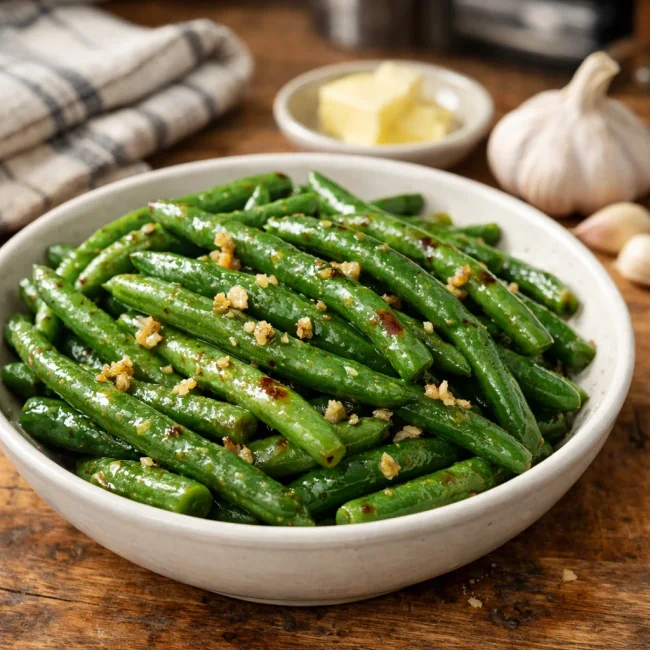
Classic Green Beans
Discover the timeless delight of Classic Green Beans, a simple yet flavorful side ...
View Recipe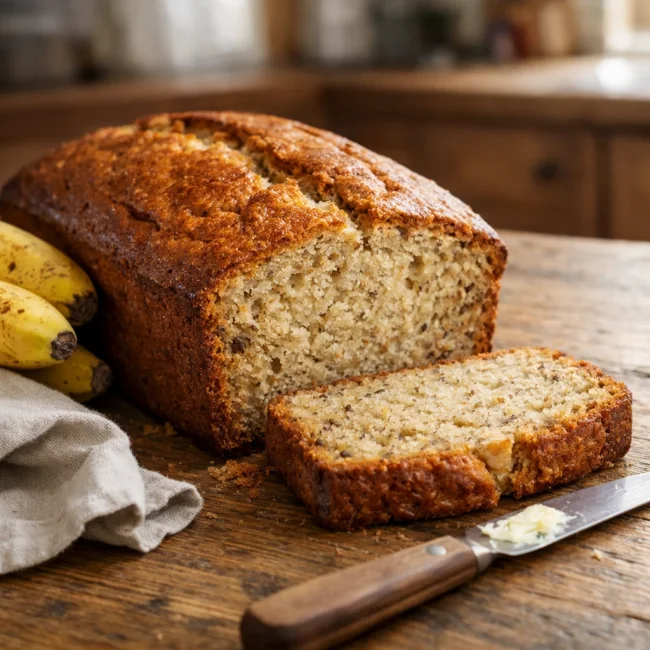
Classic Banana Bread
Classic Banana Bread is a timeless dessert beloved for its moist texture and sweet...
View RecipeFrequently Asked Questions
- Can I use fresh pineapple instead of canned?
- Yes, fresh pineapple can be used but make sure to slice it thinly and pat it dry to avoid excess moisture.
- Can I omit the rum?
- For a non-alcoholic version, you can substitute the rum with coconut milk or pineapple juice.
Serving Ideas for Tropical Coconut Rum Pineapple Upside-Down Cake
This cake is a tropical delight on its own, but to elevate it further, serve it with a scoop of vanilla ice cream or a dollop of whipped cream. For a more sophisticated touch, pair it with a chilled glass of coconut or pineapple-infused sparkling water.
More Desserts Recipes
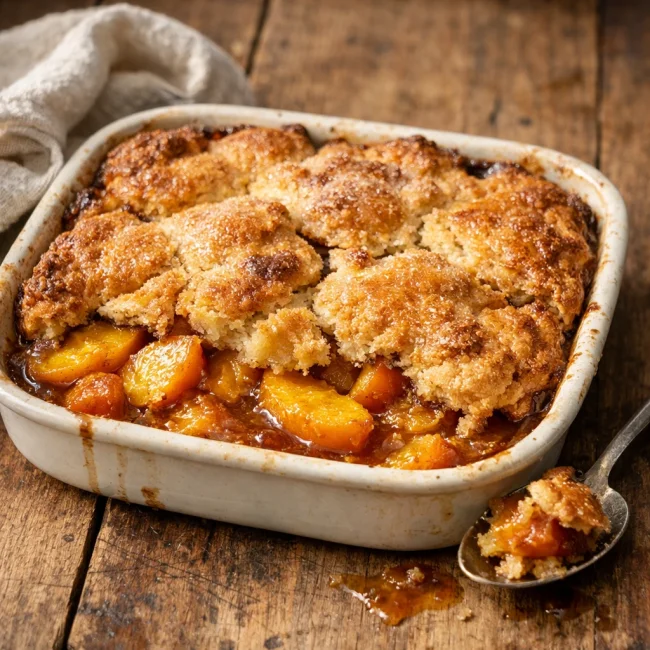
Rustic Vanilla Peach Cobbler
This rustic vanilla peach cobbler combines a rich, buttery crust with the sweet, v...
View Recipe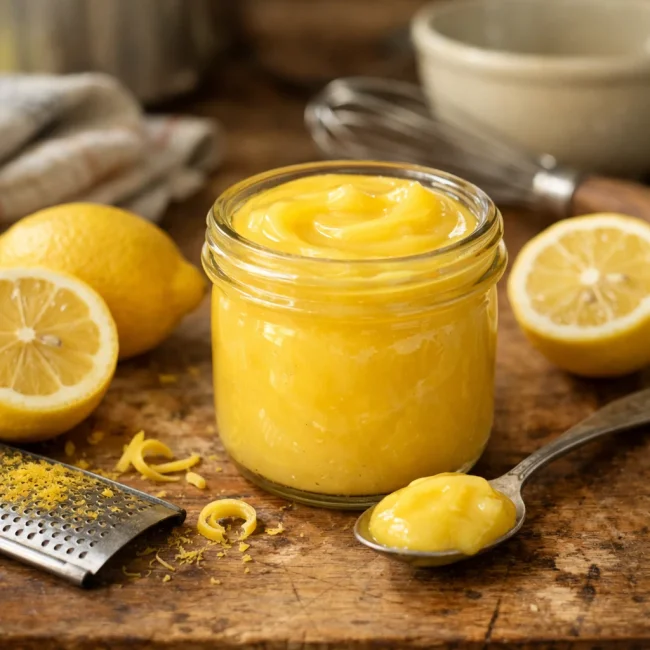
Traditional Lemon Curd
A classic, tangy lemon curd that is perfect for enhancing desserts, breakfast dish...
View Recipe
Traditional Cream Cheese Pie
A delightful and timeless dessert, Traditional Cream Cheese Pie offers a rich and ...
View Recipe
Timeless Cream Puff Delight
Indulge in a delectable Timeless Cream Puff Delight, a classic dessert featuring a...
View Recipe