
Traditional Yeast Doughnuts
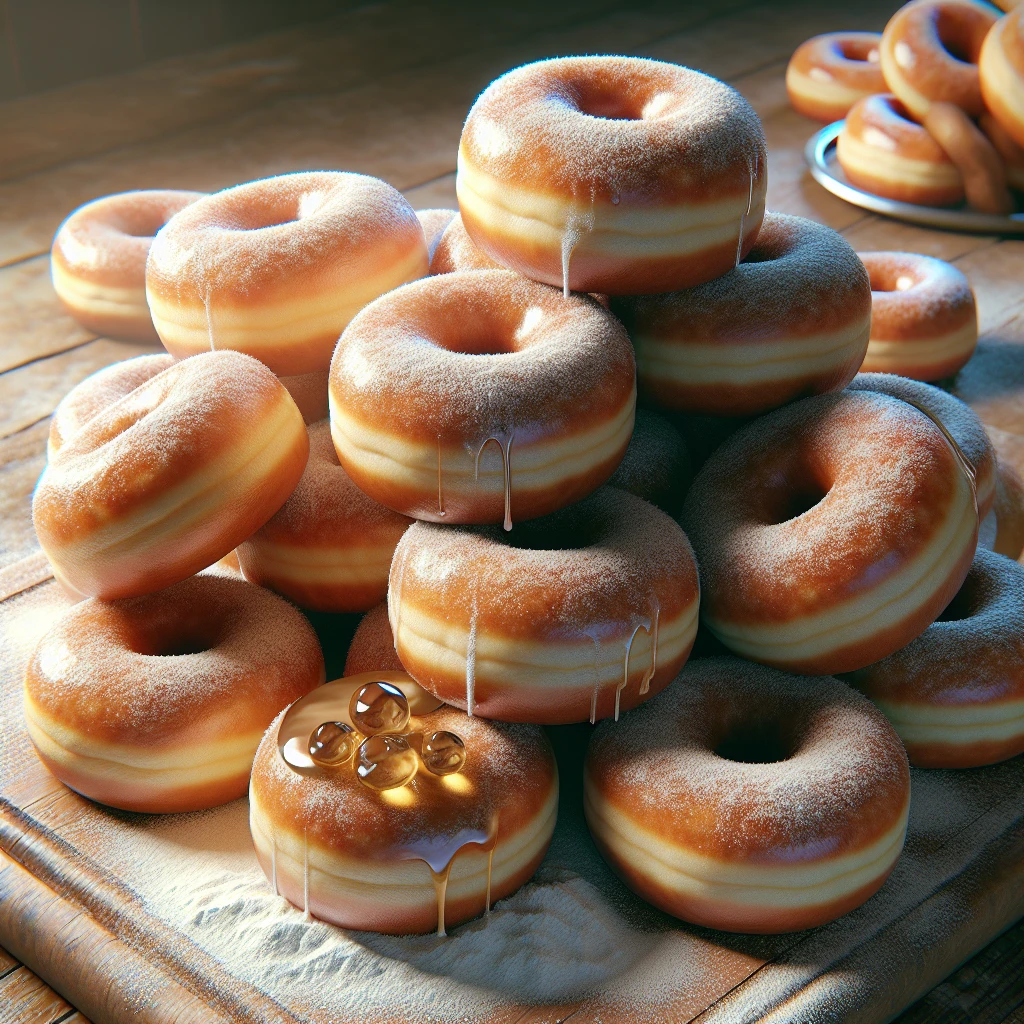
Traditional yeast doughnuts are a timeless treat that brings a touch of nostalgia and warmth to any gathering. These doughnuts are light, fluffy, and perfect for satisfying your sweet tooth. With a simple glaze that adds just the right amount of sweetness, they’re ideal for breakfast, dessert, or a special afternoon snack.
 Share
Share
This post may contain affiliate links. As an Amazon Associate, we earn from qualifying purchases.
Ingredients for Traditional Yeast Doughnuts
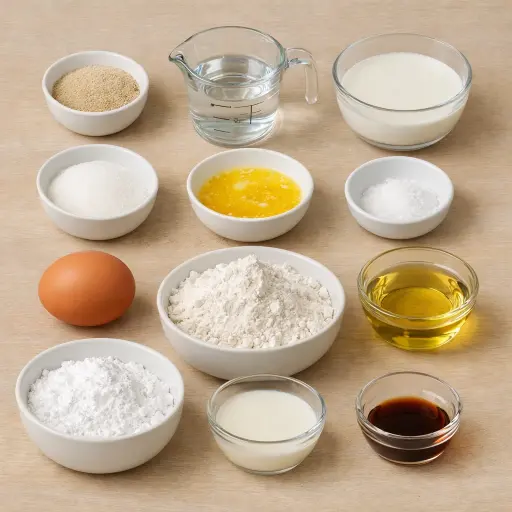
Yeast is the powerhouse behind the doughnuts’ airy texture, giving them the classic rise. Warm water helps activate the yeast, while warm milk adds richness and tenderness to the dough. Granulated sugar not only sweetens the dough but also feeds the yeast. Unsalted butter provides flavor and moisture, while salt balances sweetness and enhances taste. A large egg acts as a binder and adds richness. All-purpose flour forms the structure of the dough. For frying, vegetable oil is essential for achieving that perfect crispness. Finally, the glaze made from powdered sugar, milk, and vanilla extract coats the doughnuts with a delightful sweetness.
Why This Traditional Yeast Doughnuts Works
When the yeast sits in the warm water, it wakes up and starts to bubble. Once it goes into the warm milk, sugar, butter, salt, and egg, the yeast begins to feed on the sugar. Over time the dough slowly fills with tiny gas pockets. While the dough is kneaded, the flour soaks up the liquid and the gluten stretches and lines up. That stretchy gluten holds those gas bubbles inside the dough instead of letting them escape.
As the dough rests and rises, those bubbles grow and the dough becomes light and puffy instead of dense. When the cut doughnuts hit the hot oil, the water in the dough turns to steam and pushes out against those gluten walls, so they puff even more. The outside browns and sets quickly, which keeps the inside soft and a little chewy. Dipping them in glaze while they are still warm lets the sugar coating melt slightly and cling to the surface, so it dries into a thin, sweet shell instead of sliding off.
Traditional Yeast Doughnuts Tips & Tricks
- Ensure your water and milk are not too hot; this can kill the yeast. Aim for about 110°F.
- If you don’t have a doughnut cutter, use a round cookie cutter or a glass, and a smaller one for the hole.
- Don’t overcrowd the pot when frying. This will help maintain the oil temperature and ensure even cooking.
Mistakes To Avoid
Letting the liquid be too hot when the yeast goes in can kill the yeast. The mixture never gets frothy, the dough barely rises, and the doughnuts fry up dense and heavy instead of light and airy.
Adding all the flour at once and packing in extra “just so it’s not sticky” makes the dough too stiff. The dough becomes hard to knead, doesn’t puff much during rising, and the finished doughnuts turn out tough and bready instead of soft.
Cutting the dough too thin or stretching the shapes while moving them causes problems in the oil. Thin or misshapen rings cook too fast, brown quickly, and end up dry and chewy with no fluffy middle.
When the oil is the wrong temperature, the texture suffers. Oil that’s too cool makes the doughnuts sit in the fat longer, soaking up oil and coming out greasy and heavy, while oil that’s too hot browns the outside fast but leaves the inside undercooked and doughy.
Dunking very hot doughnuts into a thin, warm glaze can make the coating slide right off. The glaze soaks in or runs off onto the rack, and instead of a smooth, set coating, the doughnuts look patchy and sticky.
Equipment Used:
Ingredients
- 2 1/4 tsp active dry yeast
- 1/4 cup warm water (110°F)
- 3/4 cup whole milk, warm
- 1/4 cup granulated sugar
- 1/4 cup unsalted butter, melted
- 1 tsp salt
- 1 large egg
- 2 1/2 cups all-purpose flour
- Vegetable oil for frying
- 1 1/2 cups powdered sugar
- 3 tbsp milk
- 1 tsp vanilla extract
Step-by-step Instructions
- 1. In a small bowl, dissolve yeast in warm water and let stand until frothy, about 5 minutes.
- 2. In a large mixing bowl, combine warm milk, sugar, melted butter, salt, and egg. Add the yeast mixture.
- 3. Gradually add flour and stir until a soft dough forms. Knead on a floured surface for about 5-6 minutes until smooth.
- 4. Place dough in a greased bowl, cover, and let rise in a warm place until doubled, about 1 hour.
- 5. Roll out dough to 1/2 inch thickness. Cut with a floured doughnut cutter. Place on baking sheets, cover, and let rise until doubled, 30-40 minutes.
- 6. Heat oil in a deep fryer or large pot to 350°F (175°C). Fry doughnuts, a few at a time, until golden brown on both sides, about 1 minute per side. Drain on paper towels.
- 7. For the glaze, mix powdered sugar, milk, and vanilla in a bowl until smooth. Dip warm doughnuts in glaze and set on a rack to cool.
Trending Now
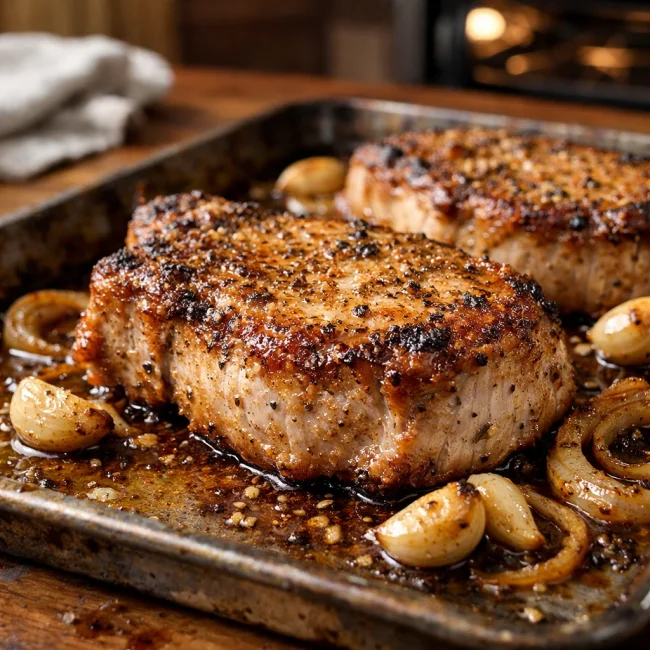
Oven-Baked Pork Chops
Enjoy a delightful dinner with these tender and juicy oven-baked pork chops, seaso...
View Recipe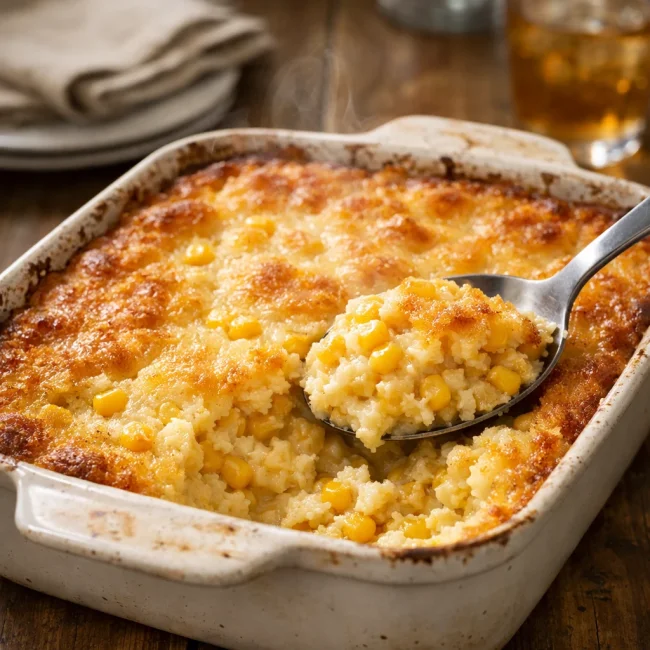
Traditional Corn Casserole
A delightful corn casserole dish that embodies the comforting flavors of sweet cor...
View Recipe
Traditional Cucumber and Tomato Salad
A refreshing and simple salad combining crisp cucumbers and juicy tomatoes, season...
View Recipe
Savory Zucchini Bread
Savory Zucchini Bread is a delectable twist on traditional zucchini recipes, combi...
View RecipeFrequently Asked Questions
- Can I make the doughnuts ahead of time?
- Yes, you can prepare the dough and let it rise overnight in the refrigerator. Just make sure to let it come to room temperature before rolling and cutting.
- Can I freeze the doughnuts?
- Absolutely. Freeze them after frying and cooling. Simply thaw and reheat in a warm oven when ready to serve.
Serving Ideas for Traditional Yeast Doughnuts
These doughnuts are delightful when fresh and warm. Try pairing them with a homemade fruit compote or a drizzle of chocolate sauce for an extra special treat. For a breakfast delight, serve them alongside scrambled eggs and a hot cup of your favorite tea.
More Desserts Recipes
Rustic Vanilla Peach Cobbler
This rustic vanilla peach cobbler combines a rich, buttery crust with the sweet, v...
View Recipe
Traditional Lemon Curd
A classic, tangy lemon curd that is perfect for enhancing desserts, breakfast dish...
View Recipe
Traditional Cream Cheese Pie
A delightful and timeless dessert, Traditional Cream Cheese Pie offers a rich and ...
View Recipe
Timeless Cream Puff Delight
Indulge in a delectable Timeless Cream Puff Delight, a classic dessert featuring a...
View Recipe