
Traditional Turkey Brine
Brining your turkey is the secret weapon for a juicy, flavorful bird that stands out on any holiday table. This traditional turkey brine recipe gives your turkey an infusion of aromatic herbs and citrus, making it a showstopper.
 Share
Share

This post may contain affiliate links. As an Amazon Associate, we earn from qualifying purchases.
Ingredients for Traditional Turkey Brine
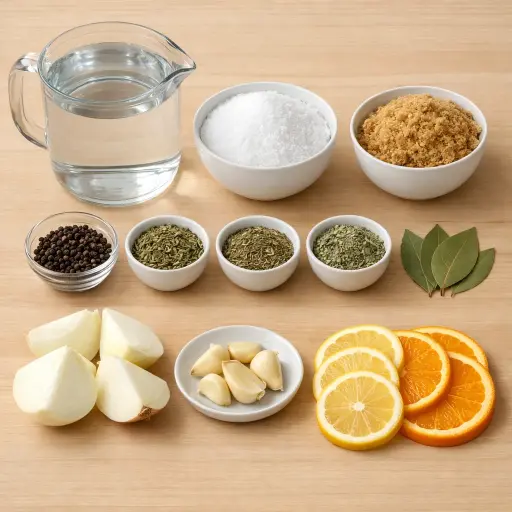
The foundation of this recipe is straightforward. Start with water as your base for the brine. The kosher salt is essential for breaking down the turkey’s proteins, making it ultra-tender. Brown sugar balances out the saltiness and adds a subtle sweetness. Black peppercorns introduce a mild spiciness, while dried rosemary, thyme, and sage bring in those classic, earthy herb flavors. Bay leaves add an extra layer of depth. Onion and garlic lend a savory backdrop, while slices of lemon and orange add a fresh, citrusy zing.
Why This Traditional Turkey Brine Works
Salt and water do most of the work here. While the turkey sits in the brine, salty water slowly moves into the meat. At the same time, some of the turkey’s own water moves out, then back in. After a while, the meat holds more liquid than it started with. During roasting, that extra moisture keeps the turkey from drying out so quickly, especially in the breast.
Sugar in the brine softens the harsh edge of the salt and helps the meat stay tender. Over the long soak, the salt also loosens up some of the tight muscle fibers, so they don’t squeeze out as much juice in the oven. Herbs, peppercorns, onion, garlic, lemon, and orange sit in the cooled brine long enough that their taste spreads through the liquid. As the brine moves in and out of the turkey, some of that taste goes with it, so the meat is seasoned all the way through, not just on the skin.
Traditional Turkey Brine Tips & Tricks
- Ensure the brine is completely cooled before adding the turkey to prevent it from starting to cook prematurely.
- Use a large stockpot or brining bag if your fridge space is limited.
- Don't overbrine—too long can lead to a salty bird.
- Rinsing the turkey thoroughly helps avoid an overly salty taste.
Mistakes To Avoid
Pouring hot or even warm brine over the turkey is a big problem. The heat starts to cook the outer layer of the meat while the inside is still raw, so the texture turns a bit rubbery on the outside before it ever hits the oven.
Skipping the cooling step and not chilling the brine fully in the fridge before adding the turkey keeps the whole container too warm for too long. That warm temperature lets bacteria grow while the bird sits, which makes the turkey unsafe to eat even if it looks fine later.
Letting the turkey sit in the brine for much longer than 24 hours can backfire. The salt keeps pulling moisture out and tightening the meat fibers, so the turkey turns oddly firm and ham-like instead of staying juicy and tender.
Rinsing too lightly after brining leaves a lot of salt on the surface. In the oven that salty layer dries out and the skin gets tough and overly salty, while the pan drippings reduce down into a gravy that tastes harsh and is hard to fix.
Equipment Used:
Ingredients
- 1 gallon water
- 1 cup kosher salt
- 1/2 cup brown sugar
- 1 tablespoon black peppercorns
- 1 tablespoon dried rosemary
- 1 tablespoon dried thyme
- 1 tablespoon dried sage
- 3 bay leaves
- 1 onion, quartered
- 4 cloves garlic, smashed
- 1 lemon, sliced
- 1 orange, sliced
Step-by-step Instructions
- 1. Combine 1 gallon of water, 1 cup kosher salt, and 1/2 cup brown sugar in a large pot. Bring to a boil, stirring until salt and sugar are dissolved.
- 2. Remove from heat and allow the brine to cool to room temperature.
- 3. Add black peppercorns, rosemary, thyme, sage, bay leaves, onion, garlic, lemon, and orange to the cooled brine.
- 4. Submerge the turkey completely in the brine, ensuring it is fully covered. Refrigerate for 12 to 24 hours.
- 5. Remove the turkey from the brine, rinse thoroughly under cold water, and pat dry before cooking.
Trending Now

Zesty Summer Squash Casserole
This delightful summer squash casserole combines vibrant garden-fresh vegetables w...
View Recipe
Classic Cucumber Salad
A refreshing and light cucumber salad featuring crisp cucumbers and a tangy vinaig...
View Recipe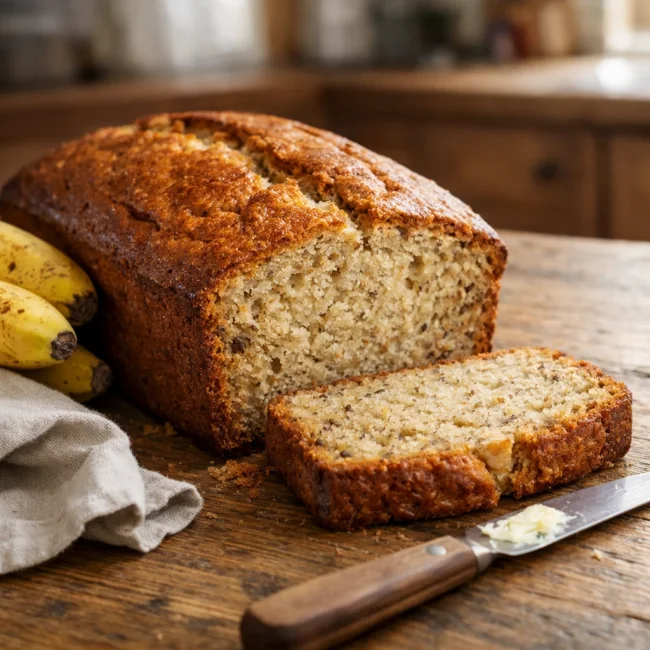
Classic Banana Bread
Classic Banana Bread is a timeless dessert beloved for its moist texture and sweet...
View Recipe
Traditional Dump Cake
Discover the timeless delight of the Traditional Dump Cake, a simple and scrumptio...
View RecipeFrequently Asked Questions
- Can I use a frozen turkey?
- Yes, just ensure it's fully thawed before brining.
- What if I don't have kosher salt?
- Use a third less table salt, or half the amount of sea salt.
- Can I reuse the brine?
- No, it's best to discard it after use for food safety reasons.
Serving Ideas for Traditional Turkey Brine
This flavorful turkey pairs beautifully with classic sides like mashed potatoes, green bean casserole, and cranberry sauce. For a festive touch, serve with a citrus and herb salad to echo the brine flavors. A crisp white wine, such as Sauvignon Blanc, complements the meal perfectly.
More Main Dishes Recipes
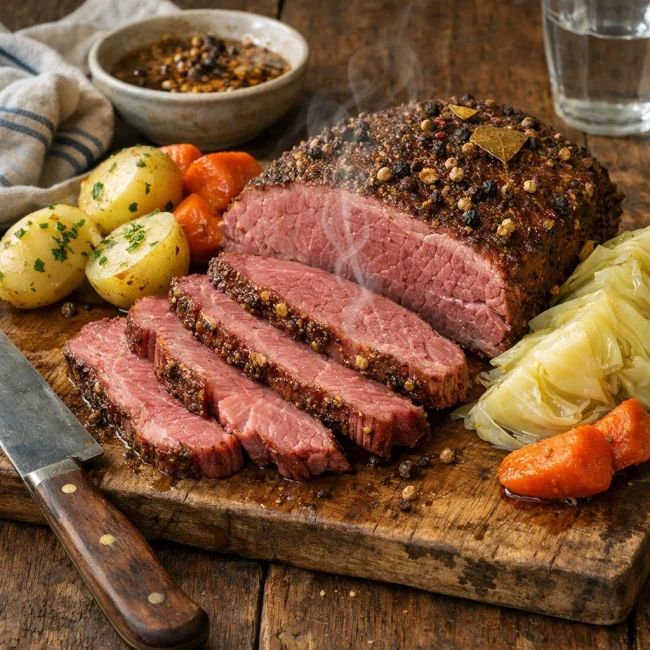
Unique Homemade Corned Beef
Discover the ultimate homemade corned beef recipe that balances rich flavors and t...
View Recipe
Spicy Lime Seared Ahi Tuna
Experience a burst of flavor with our Spicy Lime Seared Ahi Tuna, a perfect fusion...
View Recipe
Traditional Chicken Parmesan
Savor the authentic taste of Italian cuisine with our Traditional Chicken Parmesan...
View Recipe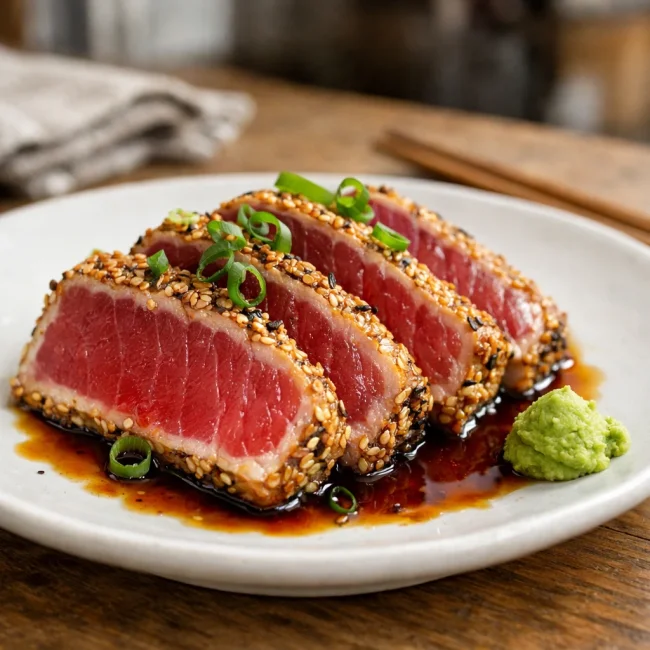
Seared Ahi Tuna
Experience the sublime taste of seared Ahi tuna, a Japanese-inspired dish that hig...
View Recipe