
Traditional Tomato Sauce
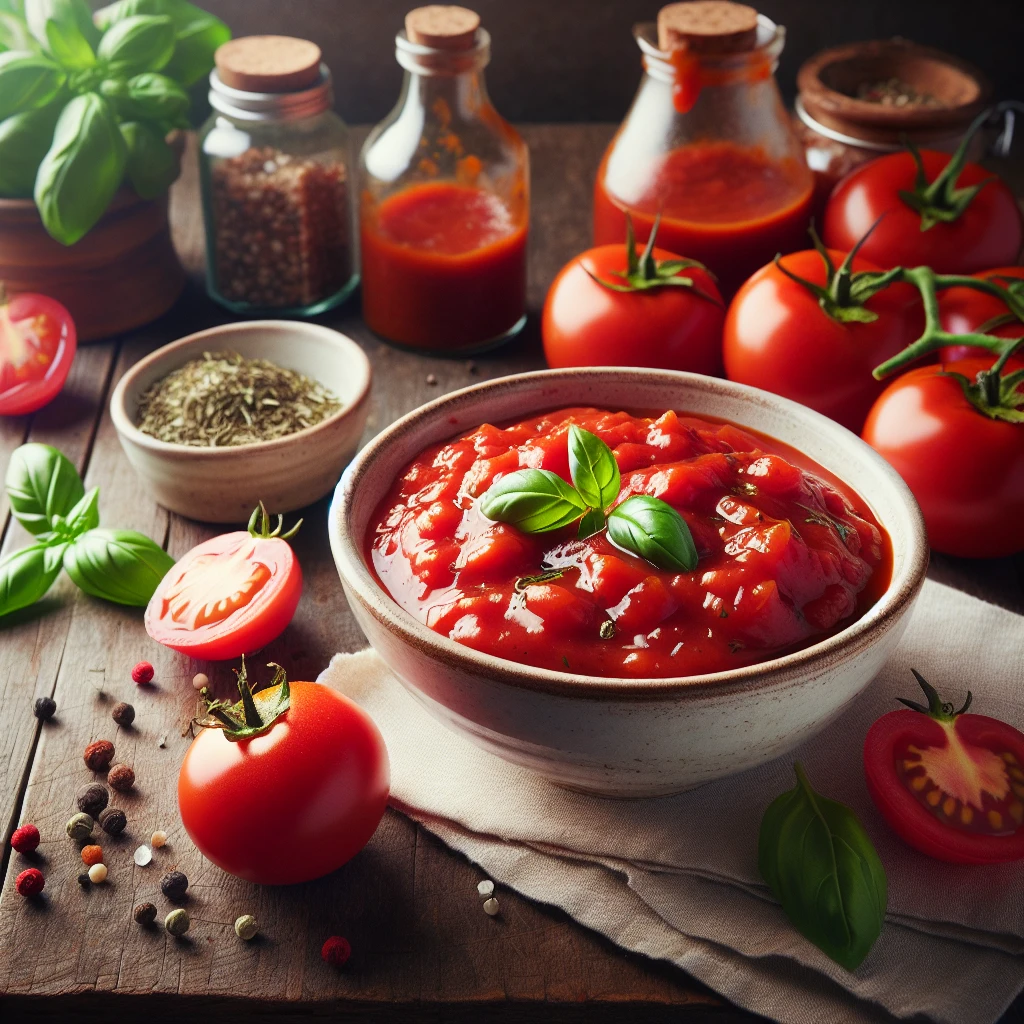
If you're on the hunt for an authentic tomato sauce that's packed with fresh flavors, you've stumbled upon a gem. This Traditional Tomato Sauce recipe is your go-to for rich, homemade goodness, perfect for pasta or as a base for other dishes. Let's dive in!
 Share
Share
This post may contain affiliate links. As an Amazon Associate, we earn from qualifying purchases.
Ingredients for Traditional Tomato Sauce
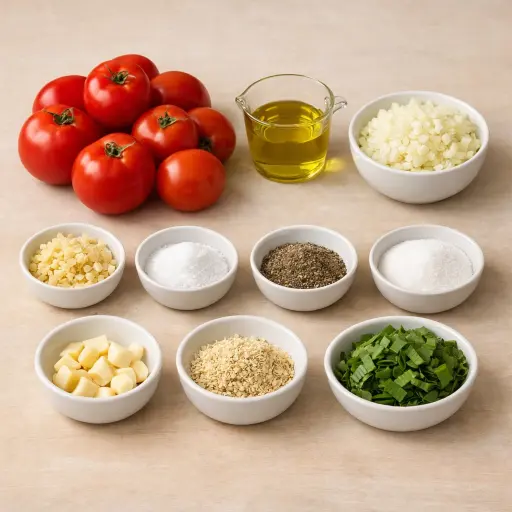
Fresh tomatoes are the star of the show, providing that vibrant, tangy base. Extra virgin olive oil adds a rich depth and helps sauté the vegetables beautifully. Onion and garlic are the aromatic foundation, infusing the sauce with savory goodness. A touch of salt and black pepper is essential to bring out and balance the flavors. A pinch of sugar cuts through the acidity of the tomatoes. Dried oregano offers a hint of Mediterranean flair, while fresh basil rounds out the sauce with a burst of freshness at the end.
Why This Traditional Tomato Sauce Works
During cooking, the tomatoes go from watery and chunky to soft and saucy. Blanching and peeling them first means only the tender part goes into the pot, so the sauce ends up smooth instead of full of tough skins. As the tomatoes simmer without a lid, extra water slowly cooks off. The sauce thickens on its own and clings better to pasta.
While the pot sits over medium heat, the onion and garlic soften in the olive oil. They lose their sharp bite and start to taste mild and sweet, which keeps the tomato taste from being too harsh. Sugar takes the edge off the natural acidity, and the salt and pepper spread through the sauce as it bubbles.
Over time, the dried oregano soaks in the tomato juices and the taste settles into the whole pot. Fresh basil goes in near the end so it stays bright and doesn’t turn dull from long cooking. After a short rest off the heat, the sauce thickens a bit more as it cools and feels fuller and smoother on the tongue.
Traditional Tomato Sauce Tips & Tricks
- Use the ripest tomatoes you can find for maximum flavor.
- Try adding a splash of red wine for an extra layer of depth.
- If you like a smoother sauce, blend it with an immersion blender after cooking.
- Store leftovers in an airtight container; it tastes even better the next day!
Mistakes To Avoid
Letting the tomatoes skip the blanch-and-peel step leaves bits of skin curling up in the pot. As the sauce simmers, those skins tighten and turn tough, so the final sauce feels stringy and papery instead of smooth.
Starting the onions and garlic in oil that is too hot makes them brown or burn before the tomatoes go in. Burnt onion and garlic turn bitter and harsh, and that sharp taste spreads through the whole pot and can’t really be fixed.
Adding the fresh basil at the very beginning instead of near the end causes it to darken and break down during the long simmer. The leaves lose their fresh, green taste and the sauce can pick up a slightly dull, cooked-herb note instead of a bright finish.
Rushing the simmer time or keeping the heat too low means the sauce never really thickens. The result is a watery sauce that slides off pasta and pools at the bottom of the plate instead of clinging in a soft, even layer.
Equipment Used:
Ingredients
- 2 lbs fresh tomatoes
- 1/4 cup extra virgin olive oil
- 1 medium onion, finely chopped
- 4 cloves garlic, minced
- 1 tsp salt
- 1/2 tsp black pepper
- 1 tsp sugar
- 1 tsp dried oregano
- 1/4 cup fresh basil, chopped
Step-by-step Instructions
- 1. Bring a pot of water to a boil and prepare an ice bath.
- 2. Score the bottom of each tomato with an X and blanch in boiling water for 1 minute.
- 3. Transfer tomatoes to ice bath and peel skins.
- 4. Chop tomatoes and set aside.
- 5. In a large pot, heat olive oil over medium heat.
- 6. Add onion and sauté until translucent, about 5 minutes.
- 7. Add garlic and cook for another minute, stirring frequently.
- 8. Add chopped tomatoes, salt, pepper, sugar, and oregano.
- 9. Simmer uncovered for 30-40 minutes, stirring occasionally until thickened.
- 10. Stir in fresh basil and simmer for an additional 5 minutes.
- 11. Taste and adjust seasoning as necessary.
- 12. Remove from heat and let cool slightly before serving.
Trending Now

Old-Fashioned Bread Pudding
Discover the classic charm of Old-Fashioned Bread Pudding - a timeless dessert com...
View Recipe
Traditional Italian Bruschetta
Experience the authentic taste of Italian bruschetta, a perfect blend of fresh tom...
View Recipe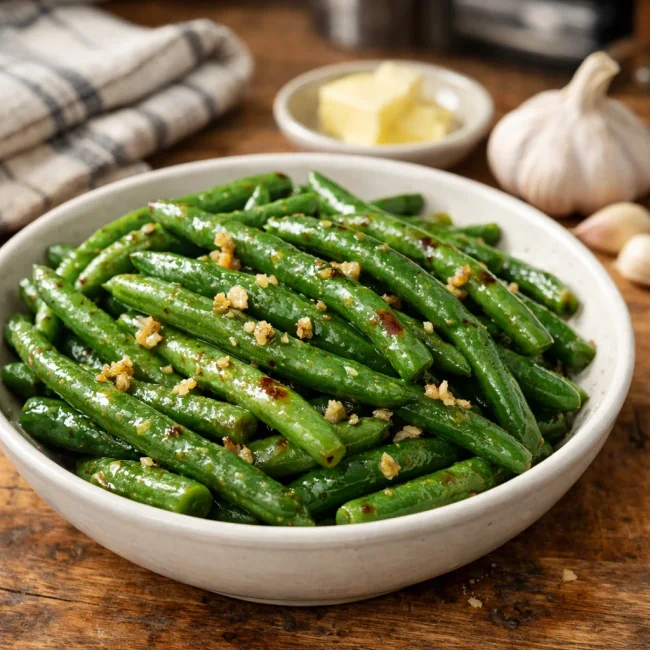
Classic Green Beans
Discover the timeless delight of Classic Green Beans, a simple yet flavorful side ...
View Recipe
Classic Banana Bread
Classic Banana Bread is a timeless dessert beloved for its moist texture and sweet...
View RecipeFrequently Asked Questions
- Can I use canned tomatoes instead of fresh?
- While fresh tomatoes are recommended for the best flavor, canned tomatoes can be used in a pinch. Just make sure to drain them well.
- How can I make the sauce thicker?
- Continue simmering the sauce until it reaches your desired consistency, or add a tablespoon of tomato paste.
- Is this sauce freezer-friendly?
- Yes, it freezes beautifully. Just store it in a freezer-safe container and thaw before use.
Serving Ideas for Traditional Tomato Sauce
This sauce pairs wonderfully with spaghetti or penne pasta. Try using it as a base for homemade pizza or spoon it over grilled chicken for a delightful twist. A sprinkle of Parmesan cheese on top never hurts either!
More Pasta Recipes

Spinach and Ricotta Stuffed Shells with Pesto Alfredo
Try this delicious twist on classic stuffed shells with a creamy pesto Alfredo sau...
View Recipe
Spinach and Ricotta White Lasagna
A unique twist on the classic lasagna, this white lasagna combines creamy ricotta,...
View Recipe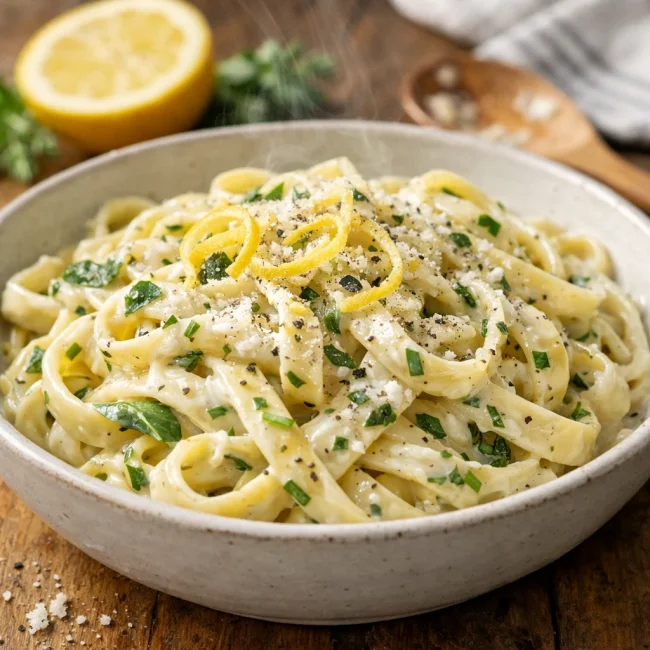
Lemon Herb Fettuccine Alfredo
Lemon Herb Fettuccine Alfredo is a refreshing twist on the classic dish, combining...
View Recipe
Truffle Mac and Cheese
Experience the ultimate comfort food with a gourmet twist in this Truffle Mac and ...
View Recipe